
People Born In The 70s (And Maybe 80s) Were The Last To Experience These 11 Once Everyday Things
 Fortgens Photography / Shutterstock
 Life has changed considerably between the 70s and 80s and now. The simple days of life before the internet and cell phones are long gone. People born to this generation were lucky to live a distraction-free life. They weren’t glued to their phones, and instead, they experienced the world through a completely different lens.
It feels like life is moving a mile a minute now. When people were growing up in the 70s and 80s, they lived a slower life. Work was left at the office. There were very rare, if any, computers at home. The office couldn’t contact you 24/7 through your cell phone. The same can be said for their social lives. They had to go out and see friends, and if they were unable to reach them by their landline phone, they had to show up unannounced to hang out. These are all examples of a simpler time. If you remember any of these everyday things, you were likely born in the 70s (or maybe the 80s).
People born in the 70s and maybe 80s were the last to experience these 11 once everyday things
1. Having to wait for things without distraction
 LumiNola from Getty Images Signature via Canva
Though we’d hate to admit it, we rely on our phones to entertain us. Whether we’re standing in line at the grocery store or waiting for our name to be called at a restaurant, endless scrolling is our greatest distraction. People born in the 70s and 80s were the last generation to have to entertain themselves while they were waiting. They relied on things like books, believe it or not, for entertainment. Crazy, right?
AOne study found that in the last few decades, the rate of reading for pleasure has gone down significantly. People are not reading for entertainment like they once were. Could it be because we have our phones to distract us while waiting for something? Possibly.
2. A world without the internet and social media
 RichLegg from Getty Images Signature via Canva
The internet rules everything around us. In our work and personal lives, we rely on email, social media, and search engines for almost everything. Research has found social and psychological effects from our constant use of the internet. We are dependent, and can even become addicted, to social media. Those born in the 70s and maybe the 80s were the last to enjoy everyday experiences without scrolling on social media.
We depend on the internet for everything. From lifting our self-esteem through Instagram likes, to finding the answers to rather simple questions. Those who came of age without these distractions were able to live in the present. They also had to listen in school to learn those facts.
3. Having to get up to change the tv channel
 Việt Anh Nguyễn from Pexels via Canva
I’m going to be vulnerable here. I am so guilty of losing the remote in the piles of blankets and pillows on my couch. Now, we need our remotes to control everything. It’s funny to think of it this way, but we don’t have the luxury of pressing buttons on our TV to control our streaming services. Of course, we wouldn’t change the convenience of remotes for the world, but there are some downsides. However, some generations had to, believe it or not, get up to change the channel. They had no other option.
Psychology shows that we grow accustomed to things that make our lives easier. Those of us who grew up with remotes may take them for granted. However, the generations who had to get up and down to change the channel have lived lives most of us can’t wrap our heads around because of our modern conveniences.
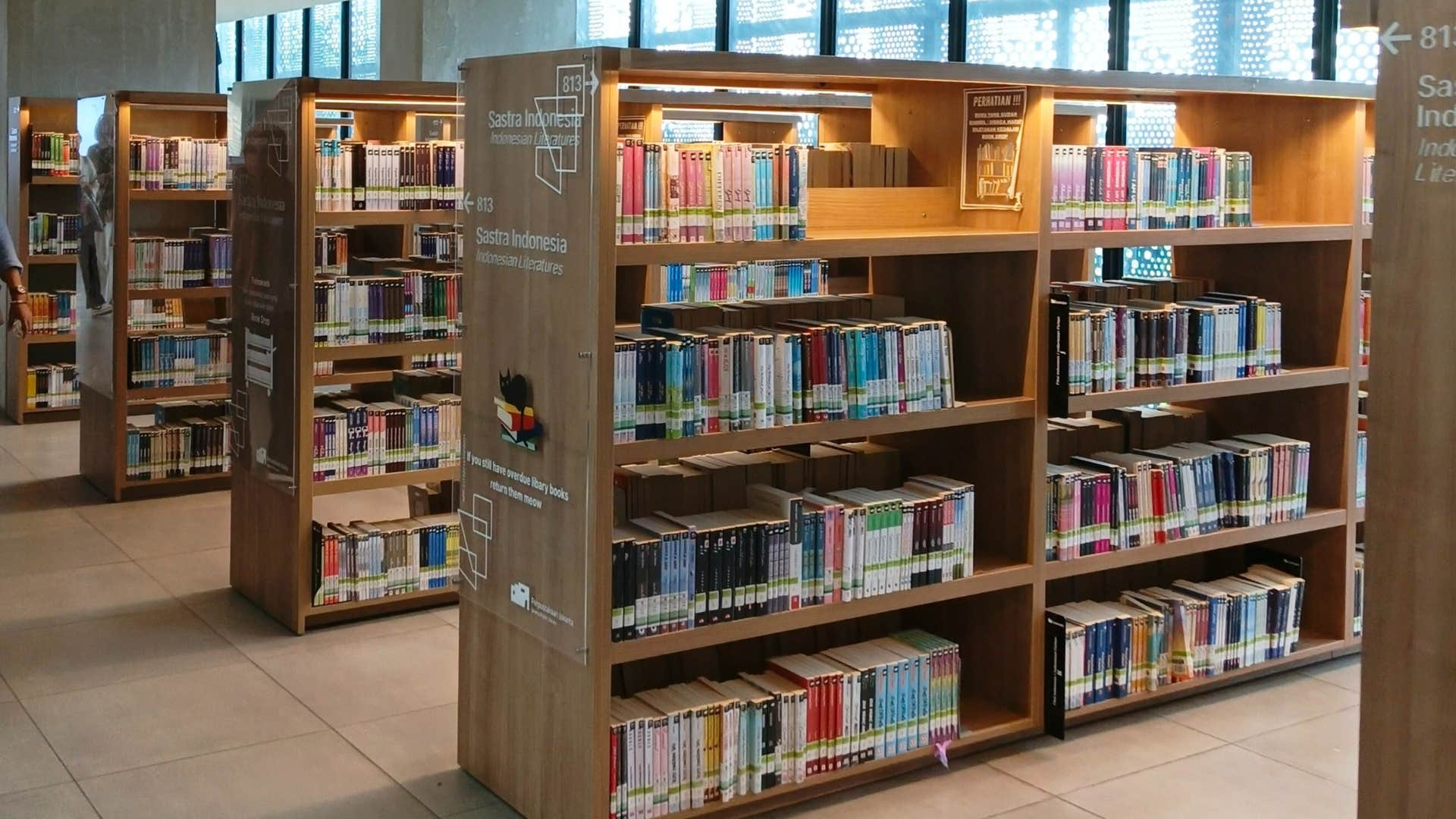
4. Having to do research in physical books or a school library
 Gambar dui mc via Canva
The internet has transformed the way we do things. We have grown accustomed to having a computer in our pockets that can give us the answers to anything and everything we could imagine. People born in the 70s and 80s had to do all of their research through physical media. Whether it was at school or the library, they relied on books for everything. It has given them the upper hand in some scenarios.
Gen X was the last generation to grow up without cell phones present. As a result, they have sharp pen-to-paper skills. They can read and comprehend well, while also remembering what they’ve learned.
5. Being unreachable for hours with no one panicking
 Gabriella Csapo from corelens via Canva
I have anxiety, and not being able to reach my loved ones sends me into a panic. It’s hard for me to understand how people were able to just exist without being easily tracked down by the people who care about them. While this certainly makes my mind race, there were joys to being able to completely disconnect. Sometimes, I wish I were unreachable.
By constantly using our phones and staying easily reachable, our brains do not fully reset at the end of the day. We are always thinking about the next move. Our phones keep us connected to everyone around us 24/7. For this generation, it was easy to disconnect. Sometimes, you wouldn’t hear from them for days on end!
6. Calling a business and speaking with an actual human
 Guillermo Berlin from Pexels via Canva
Recently, my partner and I ordered a pizza from a great little shop. When we called to place the order, it was completely AI-generated. The voice spoke to us as if it were a person, but it was clear they were not real. It was bizarre and surreal. People born in the 70s or 80s never had to worry about this. They could call any business and guarantee that they would reach a true person on the other end of the line.
Now, we have articles dedicated to learning how to speak to a real person, not an automated service or an AI chatbot. Speaking to another human being allows you to form a connection and receive genuine help. While automated services may have seemed like a luxury, they can do more harm than good when trying to get a concrete answer to a question.
7. Being bored without thinking something was wrong
 AntonioGuillem from Getty Images via Canva
Our brains have become accustomed to overstimulation. We are always doing something. Whether it’s working overtime or entertaining ourselves, our brains crave stimuli. If we don’t have it, we become bored. Our hunger for stimulation is driven by our need for dopamine. We desire that feel-good hormone. When we do not have it, we are bored.
People born in the 70s and 80s are the last to let themselves get bored. They didn’t feel like they always had to keep themselves busy. It was a slower and possibly more enjoyable lifestyle.
8. Making mistakes without worrying about it being documented online forever
 Kzenon via Canva
Messing up in public is a fear I have. Let’s face it, someone is always recording, searching for the next hilarious viral video to upload online. Those who grew up in the 70s and 80s were the last to live their daily lives with what can be described as a care-free mindset. They were not always looking over their shoulders at their fellow humans, wondering whether they would pull out their phones and start recording. They could make mistakes freely.
We all make mistakes. It’s part of life. For some reason, we are always waiting to laugh at someone else’s mistakes. That’s why some people document them forever. Those who grew up without that feeling were lucky.
9. Hanging up on someone by slamming the receiver
 Dragos Condrea from Getty Images via Canva
There is no thrill to hanging up the phone anymore. When I was younger, I had a landline phone that really sent a message when I hung up. If I was upset with someone, I wanted them to know it. Our cell phones do not give them the same effect. You've got to take some of your anger out on the phone, which may be silly, but it felt like something.
While this generation may have been seen as dramatic, we still have conflicts over the phone. Now, we are arguing through text messages and social media. It’s not nearly as entertaining as slamming the phone down in anger. When we do that now, we can shatter our screens.
10. Reading the back of the cereal box like it was premium entertainment
 Ivan S from Pexels via Canva
I don’t know about you, but I have to be looking at something while I eat. Whether it’s scrolling on my phone or watching TV, I need to keep my mind stimulated. Studies have found that it’s actually bad for our health to watch something while we are eating. Scrolling can make us overeat because we are entertained and do not want to stop. Those who grew up in the 70s and 80s didn’t have phones to scroll on, so they had to come up with other ways to entertain themselves.
Cereal was the breakfast of champions for this generation. To entertain themselves in the mornings before school, they had to read the back of the box as if it were the best thing they’d ever seen. However, they may have been on to something. Since the cereal box had a firm ending, they did not mindlessly overeat because they were too entertained at the table.
11. Waiting in line for concert tickets
 Cátia Matos from Pexels via Canva
I don’t know about you, but a few things are more stressful than trying to land concert tickets online. Concert tickets have become luxury goods. Between resellers and the fight to secure them online, it can seem impossible to see our favorite artists now. It wasn’t always like this. Before the internet, it was less convenient, but maybe easier to obtain tickets.
Those born in the 70s and 80s grew up attending some of the coolest concerts. They came of age during incredible periods of music. To see their favorite artists live, they had to stand in line outside the venue. While that may seem frustrating, it was probably an experience that fostered community and friendship. They were not sitting at home biting their nails over the computer, knowing they were unlikely to land the tickets they were looking for.
Haley Van Horn is a freelance writer with a master’s degree in Humanities, living in Los Angeles. Her focus includes entertainment and lifestyle stories.
