
Millennials Who Miss The Simpler Days Always Complain About These 11 Modern Problems
Things used to feel easy.
 Stayman | Shutterstock
 While more than 70% of millennial parents now believe their parenting style is “better” than past generations, according to a survey from the Children’s Hospital of Chicago, many still lean into the nostalgia of their own adolescence. Even if they have things to pick apart about their own parents and their experiences growing up, millennials who miss the simpler days still always complain about certain modern problems.
From a childhood without cell phones to watching cartoons on cable TV, there are some simple parts of growing up that they can’t help but miss. Especially in the context of modern issues plaguing their adult lives today, it’s no surprise that they’re yearning for simplicity and the “good old days.”
Millennials who miss the simpler days always complain about these 11 modern problems
1. Struggles with homeownership
 evrymmnt | Shutterstock
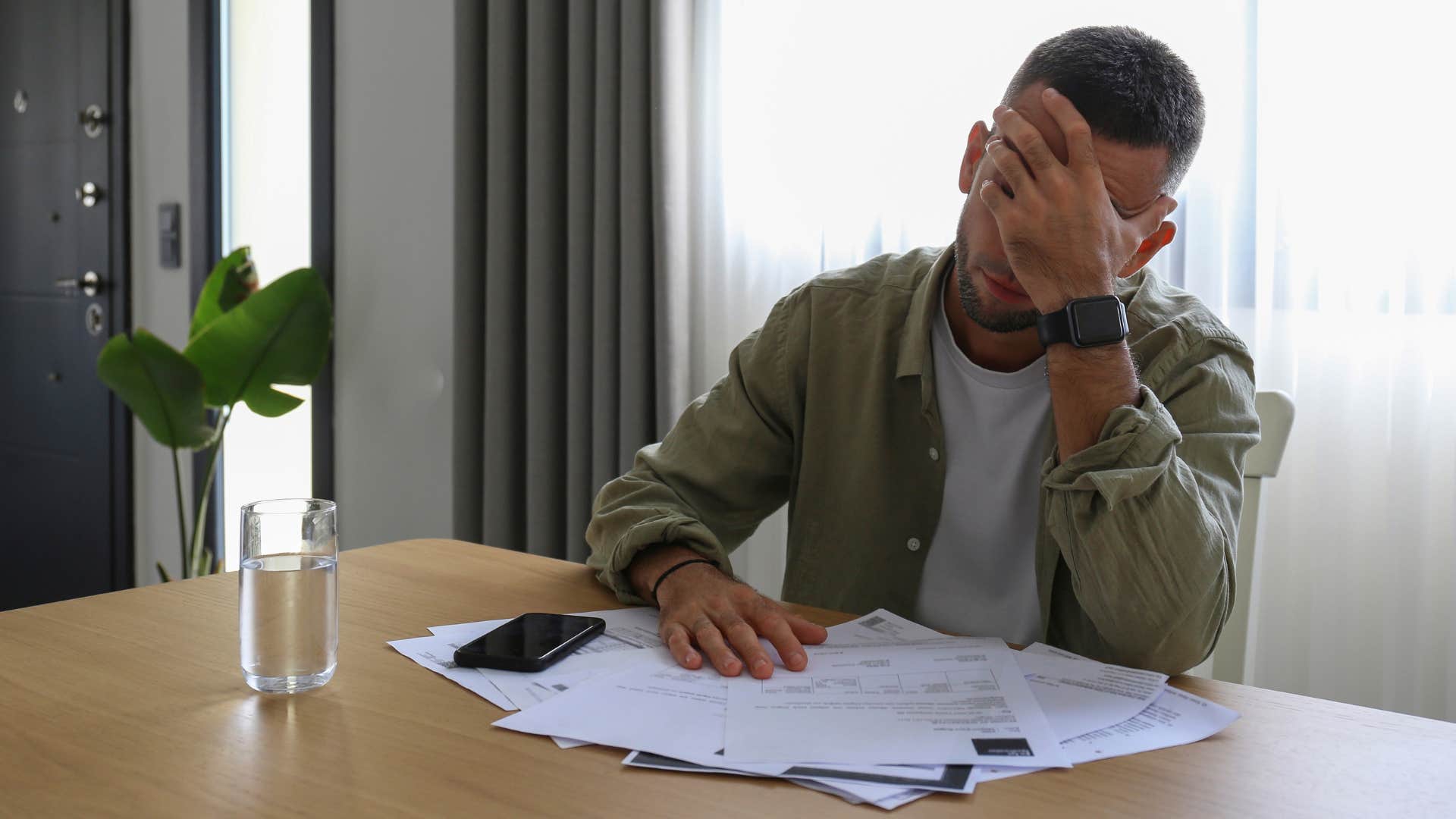
A lot of the magic of holidays, family gatherings, and adult dreams centered around homeownership for millennials' kids. Having their own space to decorate, being able to settle down, and having a home that they could simply call their own.
However, in today’s world, only 1 in 5 millennials thinks their generation is actually capable of affording a home. While over 60% aren’t ready to give up on their childhood dream of owning a home, the majority are still renting and struggling with financial difficulties like student debt that’s keeping them from achieving it.
2. Needing a second job to survive
 leungchopan | Shutterstock
According to a study from Academized, over half of millennials currently have more than one job — largely a “need” in the current economy, where so many people are struggling to afford basic necessities and bills. From monetizing hobbies into side hustles and taking on extra work in their free time, having a single full-time job just isn’t enough anymore, even for millennials who have gone to school and gotten a degree.
Millennials who miss the simpler days, when their parents would be home in the evenings to spend time with family and have the weekends to use up their free time, always complain about these modern financial problems today.
3. Scheduling hang-outs with friends
 PeopleImages | Shutterstock
As children, millennials were one of the last generations to be told to “go outside and play” or indulge in supervised play with the neighborhood kids. However, today, they’ve been tossed into the throes of adulthood, riddled with a million issues and a lack of time, forced to schedule plans with their friends and family constantly.
Instead of making a spontaneous plan during the week or going out on the weekends on a whim, these millennials, with families, jobs, and struggles to endure, instead have to book weeks out in their calendar to get quality time with their loved ones.
4. Everything requiring a subscription
 Dean Drobot | Shutterstock
Even though they spent most of their Saturdays watching things on cable TV, from sports to cartoons, as adults, millennials are forced to buy a ton of subscriptions to get access to all the same things. They often miss the simpler days of spending a set amount of money on their entertainment, and complain about the current economy.
Today, the average adult spends more than $1K annually on these subscriptions alone, but without these expenses, they feel like they’re constantly missing out.
5. Grocery shopping being nearly inaccessible
 PRASSANAPIX | Shutterstock
Unless they’re relying on community support or food banks every month, many millennials are finding basic necessities like groceries to be nearly inaccessible to afford. On top of student loan bills, rent, utilities, and a million other basics, it’s often groceries and food expenses that are pushed off to make ends meet.
Considering millennials and Gen Z often splurge more on groceries than their older counterparts, not having the budget to opt for organic groceries or fun stores is not just annoying, but disappointing.
6. Overly complex health insurance
 MAYA LAB | Shutterstock
As kids and young adults, millennials could go to the doctor without thinking twice. They were driven by their parents, made to feel better, and catered to without worry. As adults, the entire healthcare system doesn’t just feel like something they want to vehemently avoid — it’s also something they struggle to afford.
Over 30% of young people even suggest that health insurance is completely unaffordable for them, despite having lower premiums than the general population. On top of the price, navigating health insurance in general is overly complex, especially for millennials who didn’t learn about it from their parents — from signing up, to submitting a claim, and even figuring out what’s covered, it’s all too complex to fathom.
7. Needing to be available 24/7
 Grusho Anna | Shutterstock
Whether it’s having kids that need them all the time or being expected to answer work emails from the couch at home, needing to be available 24/7 is one of the modern problems that millennials despise. Of course, they’re more protective of their work-life balance than their parents likely were at the same age, which only amplifies their anger around availability.
They want to protect their personal free time, but with more than one job, a million responsibilities on their plate, and financial struggles plaguing their daily routines, it’s hard.
8. Feeling guilty for resting
 Nong2 | Shutterstock
Even if hustle culture is largely being challenged by many younger generations, many millennials still feel guilty for resting amid their chaotic schedules. Whether it’s a symptom of their busy routine and constantly having something to do or conversations with their parents who value hard work to a fault, they’re more attuned to burning themselves out because of guilt with rest.
However, according to psychiatrist Marlynn Wei, rest isn’t just a necessity for protecting personal health and energy — it’s an investment into our well-being as a whole. Without it, we have much less to give in every aspect of our lives.
9. Unmet promises of adulthood
 Perfect Wave | Shutterstock
Whether it’s the promise that they’d get a well-paying, comfortable job out of college or being told that they’d be completely fine to settle down and have kids, millennials who miss the simpler days always complain about these modern problems.
Like many of their younger peers, millennials are tired of dealing with unrealized promises — they worked hard, made compromises, and followed a traditional track, but now only have debt and frustration.
10. Expectations for their kids to ‘do it all’
 sandsun | Shutterstock
While many kids have been pressured into taking on a million extracurriculars and difficult classes to enhance their odds of getting into a good college, an “overscheduled” student is actually at risk for burnout. Not only that, but the pressure to “do it all” on modern kids today is affecting their parents, who are already struggling with carving out time and money for these obligations.
From rising costs of once-accessible recreational sports to a pressure to be an “expert” at everything they try, many kids today are grappling with modern problems just as much as their millennial and Gen X parents.
11. Everything feeling political
 PeopleImages | Shutterstock
Whether it’s constantly being bombarded by news headlines while scrolling on social media or being pressured into “having a take” for literally everything going on in the world, millennials who miss the simpler days always complain about these modern problems.
They can set boundaries with the news on their phones and craft social circles focused on quality time, but everything still feels political in the end. They feel anxious all the time, worried that they’re not informed enough, and frustrated by the polarization it has caused in their communities, families, and relationships.
Zayda Slabbekoorn is a senior editorial strategist with a bachelor’s degree in social relations & policy and gender studies who focuses on psychology, relationships, self-help, and human interest stories.
