
If You Notice These 11 Things In Someone's Kitchen, They're Financially Afraid
 Prostock-studio | Shutterstock
 Not only can a person's kitchen reveal quite a bit about their mental health, but it can provide some insight into their financial situation as well. When they are dealing with financial fears, they are more likely to collect an abundance of specific food items, avoid waste at all costs, and be as resourceful as they can with the products they do have.
Whether it's food scraps or expired items, if you notice these things in someone's kitchen, they're financially afraid. Because in hopes of gaining a sense of security during financial hardships, some individuals make the most of what they have and develop financially strategic methods to help them save money. They will do what is required of them to ensure they have access to the things they need, and this will be evident in the things found in their kitchen.
If you notice these 11 things in someone's kitchen, they're financially afraid
1. Canned items
 perfectlab | Shutterstock
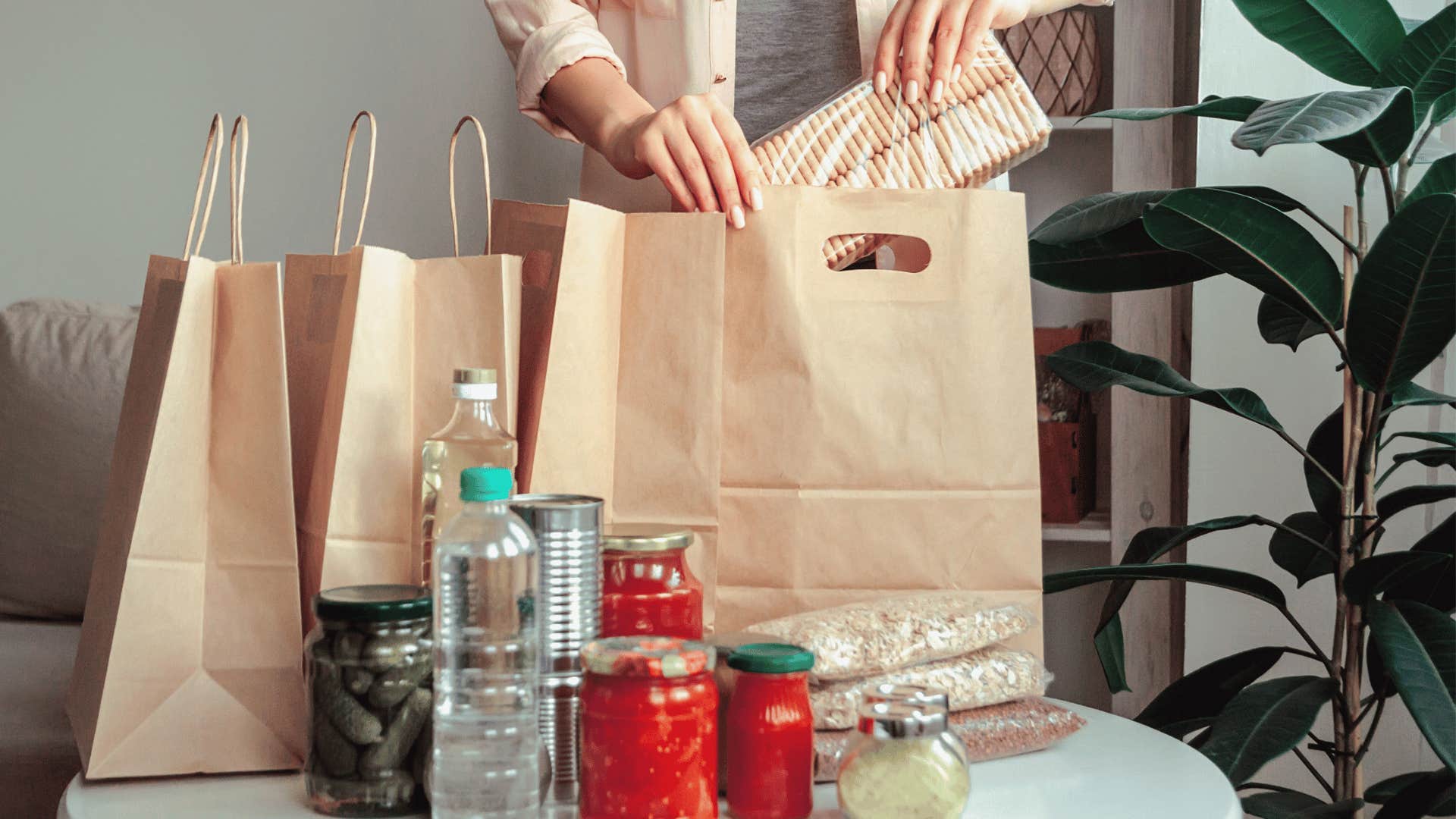
You will likely notice many canned food items in a person's kitchen if they feel any financial fear. This is especially the case if they long for a sense of security and control when it comes to having the resources needed to overcome potential future hardships.
A study published in Current Nutrition Reports found that when a person is financially afraid, they feel insecure about food and develop intense anxiety regarding supplies. The distress that food insecurity creates often causes individuals to buy items they know will last for a longer period of time. This helps them feel like, no matter what happens financially, they can be certain they will have something to eat.
2. Bulk dry foods
 Pipas Imagery | Shutterstock
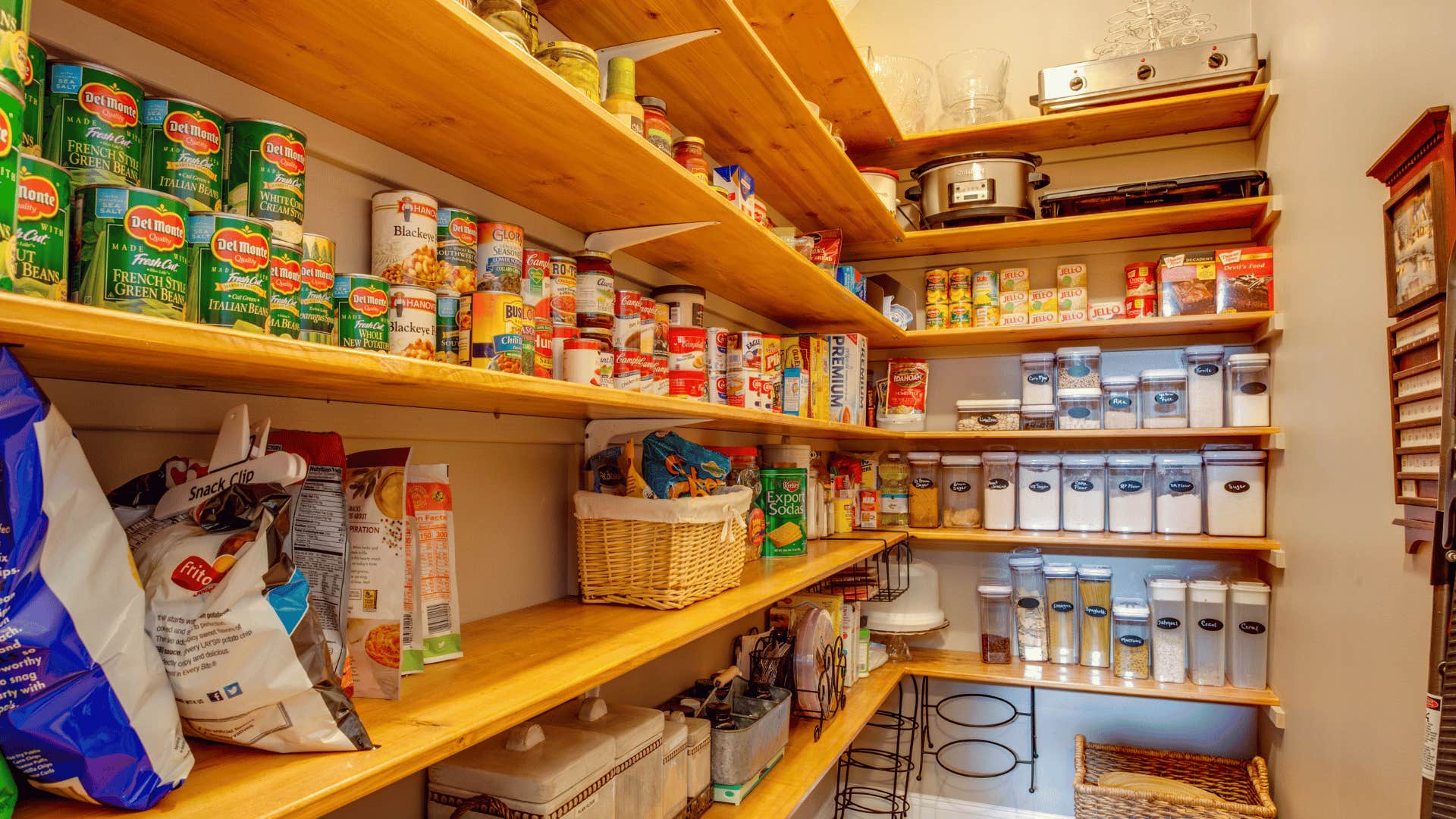
If you notice bulk dry foods in someone's kitchen, they're financially afraid and experiencing fear over money. Feeling financially insecure can influence a person's behavior, causing them to stock up on more resources than they need at that given time.
A 2021 study determined that individuals who fear food scarcity begin keeping bulk food items at home in order to avoid having a shortage, and they do so with the hope that it will help them feel at ease. As long as an individual has any uncertainty regarding their finances or resources, they continue to buy in bulk.
3. Diluted cleaning products
 AlexandrMusuc | Shutterstock
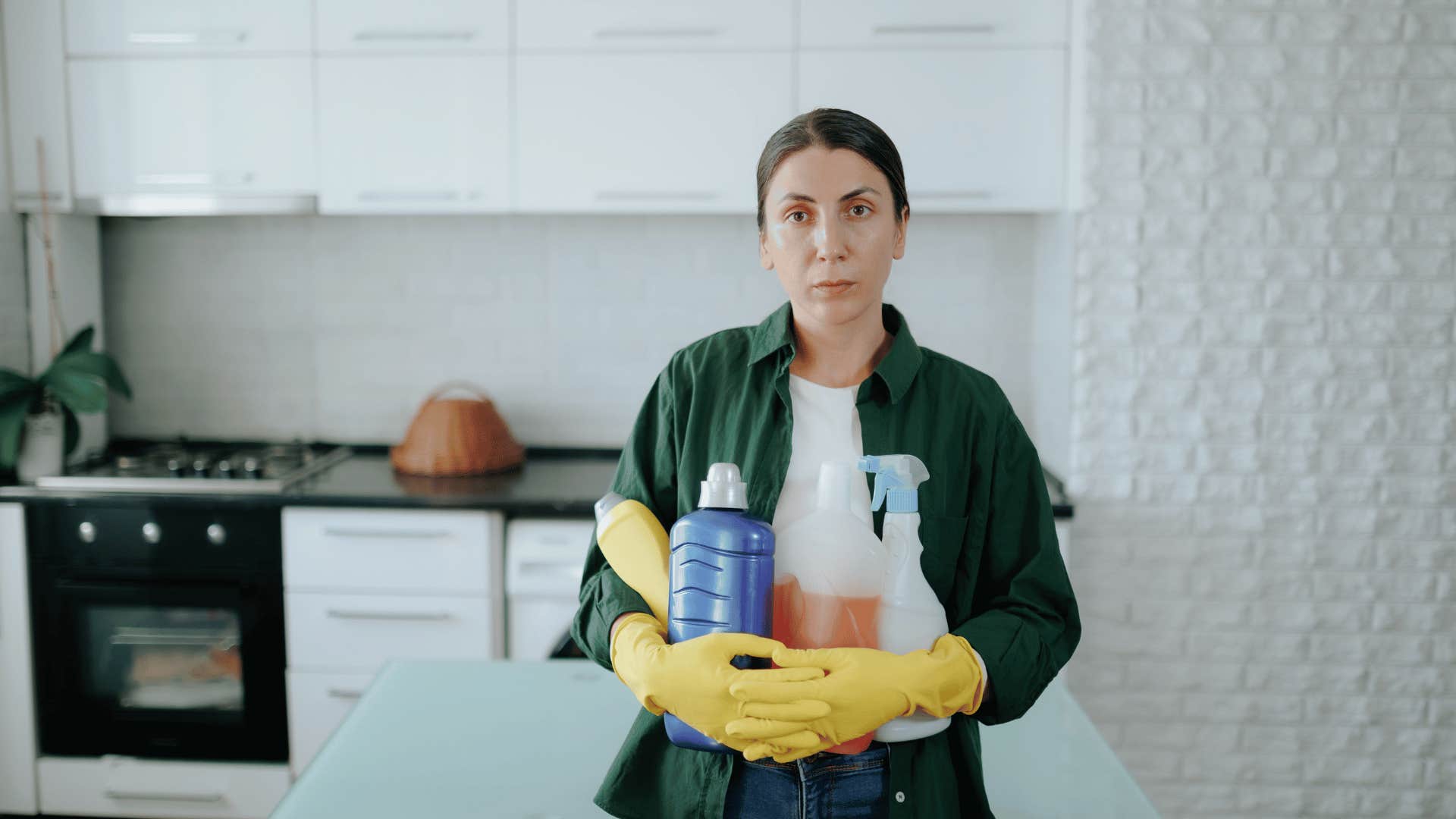
When people are financially afraid, their kitchen will likely be filled with cleaning products that have been diluted with water. This is a money-saving practice many people practice to get the most out of their cleaning products before they have to buy more.
According to research from Feeding America, many families struggle to afford everyday essentials, like basic cleaning products. So, in order to cope with the inability to secure these items, many families practice using less product, substituting items for others, or going without these necessities altogether.
Using water to try and replenish cleaning products that are almost out is a coping strategy these families use when they know they cannot afford more.
4. Instant coffee
 CAETANO N FORLANI | Shutterstock
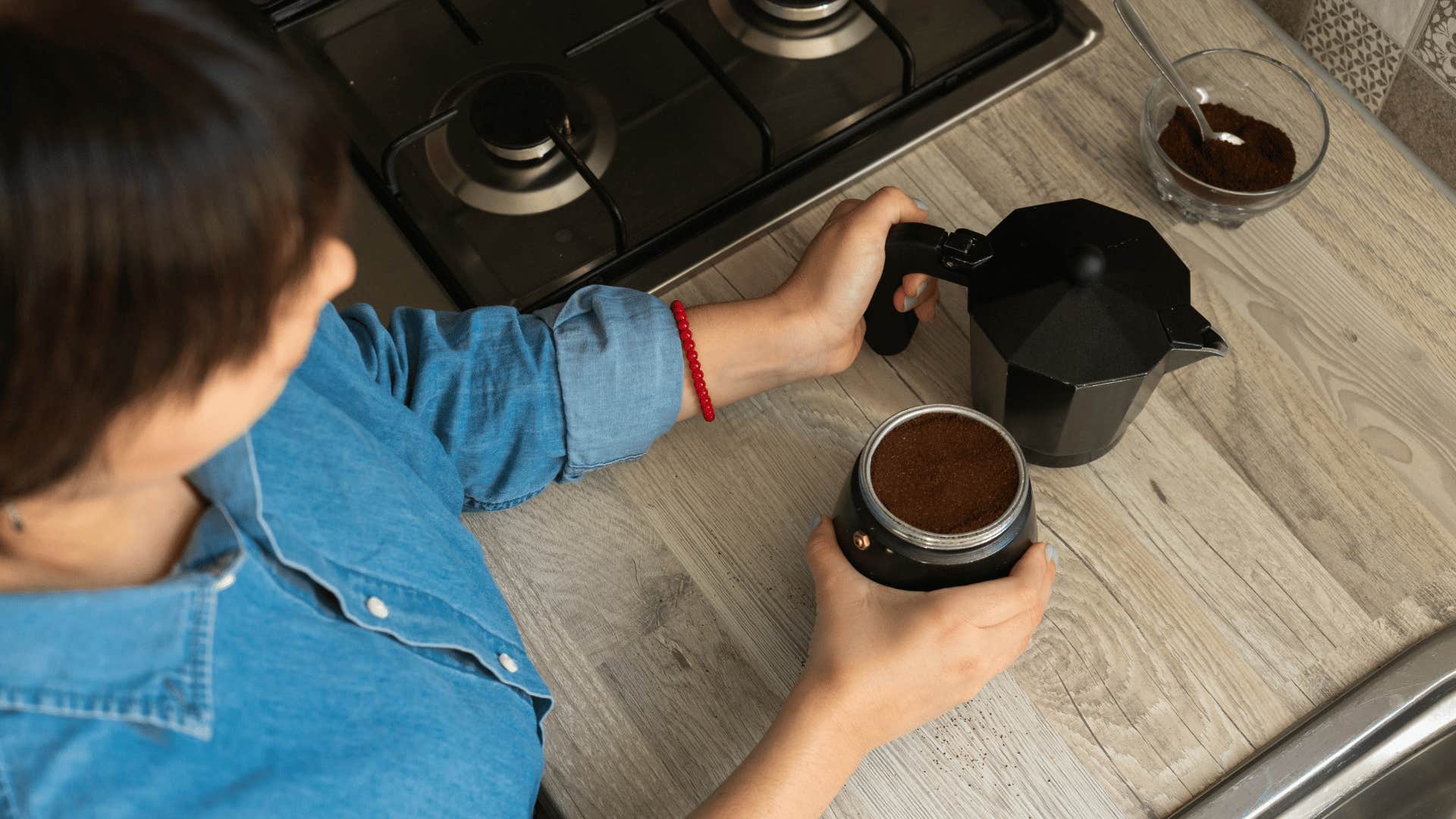
People who are financially afraid and struggling aim to cut costs wherever they can. In their kitchen, you are more likely to see instant coffee than a coffee maker for this exact reason. Rather than having to buy a machine, which can get expensive, instant coffee saves money over time.
Many individuals are influenced to buy instant coffee instead of a coffee maker due to the lower price of the product, despite the quality of the coffee not being as high. People who feel financially insecure also tend to stick with buying cheaper instant coffee options rather than splurging on potentially better quality, yet more expensive, products.
5. Food scraps
 Halfpoint | Shutterstock
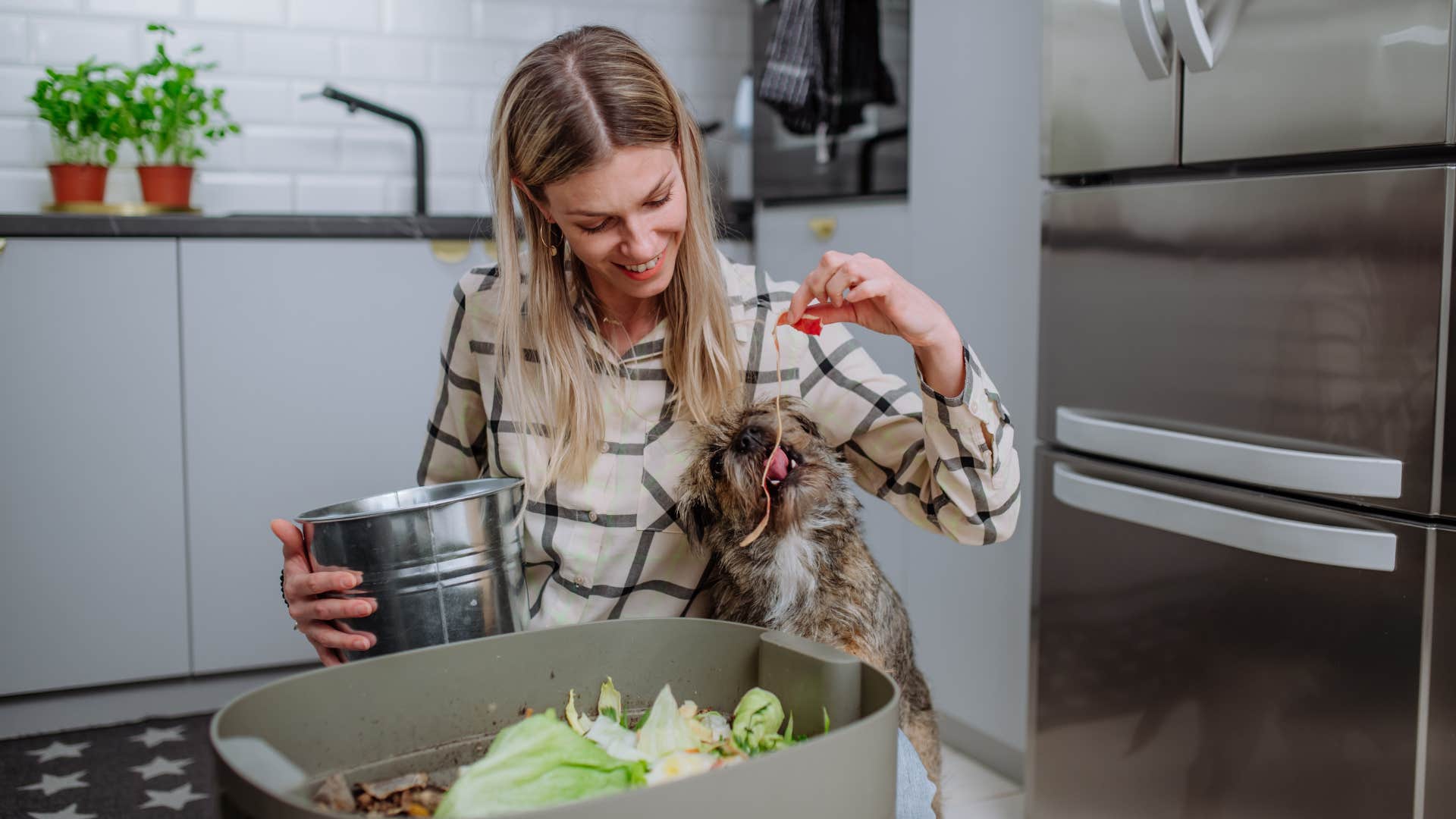
Financially fearful individuals will typically have developed a mindset that wasting any bit of food means they are wasting their money. The guilt that arises from feeling as though they are just throwing their hard-earned money in the trash motivates them to be as resourceful with their food as they can be. So, if you notice lots of food scraps in someone's kitchen, they're financially afraid.
Economic experiences influence consumer behaviors. When an individual does not feel financially secure and has uncertainties, they are less likely to waste food. And when a person is experiencing financial hardship, they begin to develop a scarcity mindset that drives them to desire a sense of control over their resources, motivating them to be much more conscious of their behaviors.
6. No paper towels
 wavebreakmedia | Shutterstock
A person who struggles financially develops behaviors that allow them to reduce waste while also saving money. Due to this, you may notice that they rarely ever have paper towels in their kitchen, and instead use reusable cloth towels for everyday spills.
A study published in the Journal of Marketing Research found that individuals who feel overwhelming feelings, like stress, will typically be more likely to save money and spend strategically. These people find ways to save money and cope with their financial fears by using items that can be used multiple times, instead of using items that are disposable.
7. Hand-washed dishes
 mavo | Shutterstock
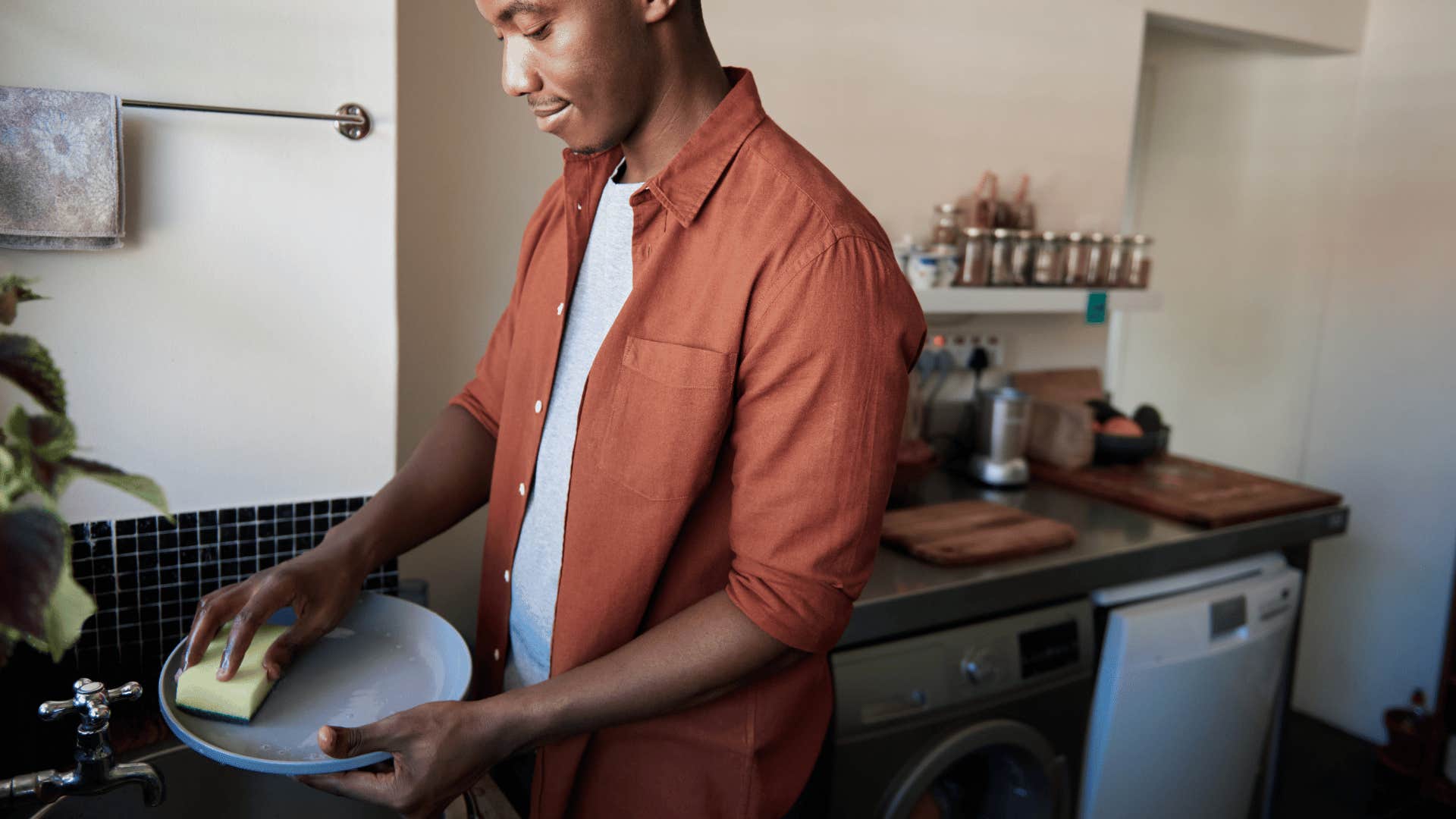
Individuals who are financially afraid typically want to achieve a sense of control over their resources. For this reason, they hand-wash most if not all of their dishes, simply because it makes them feel like they are able to monitor the amount of resources, like water and soap, that are being used.
As a 2022 study explained, when a person feels as though they have lost control of their financial situation, they start trying to avoid negative financial information. While these people believe they are saving money and gaining control by hand-washing dishes, they are actually behaving in a less cost-efficient way.
This may be difficult for these individuals to hear because the only thing providing them with any financial security is the thought that they have control over these resources.
8. Cheap food products and cleaning supplies
 Sergii Kozii | Shutterstock
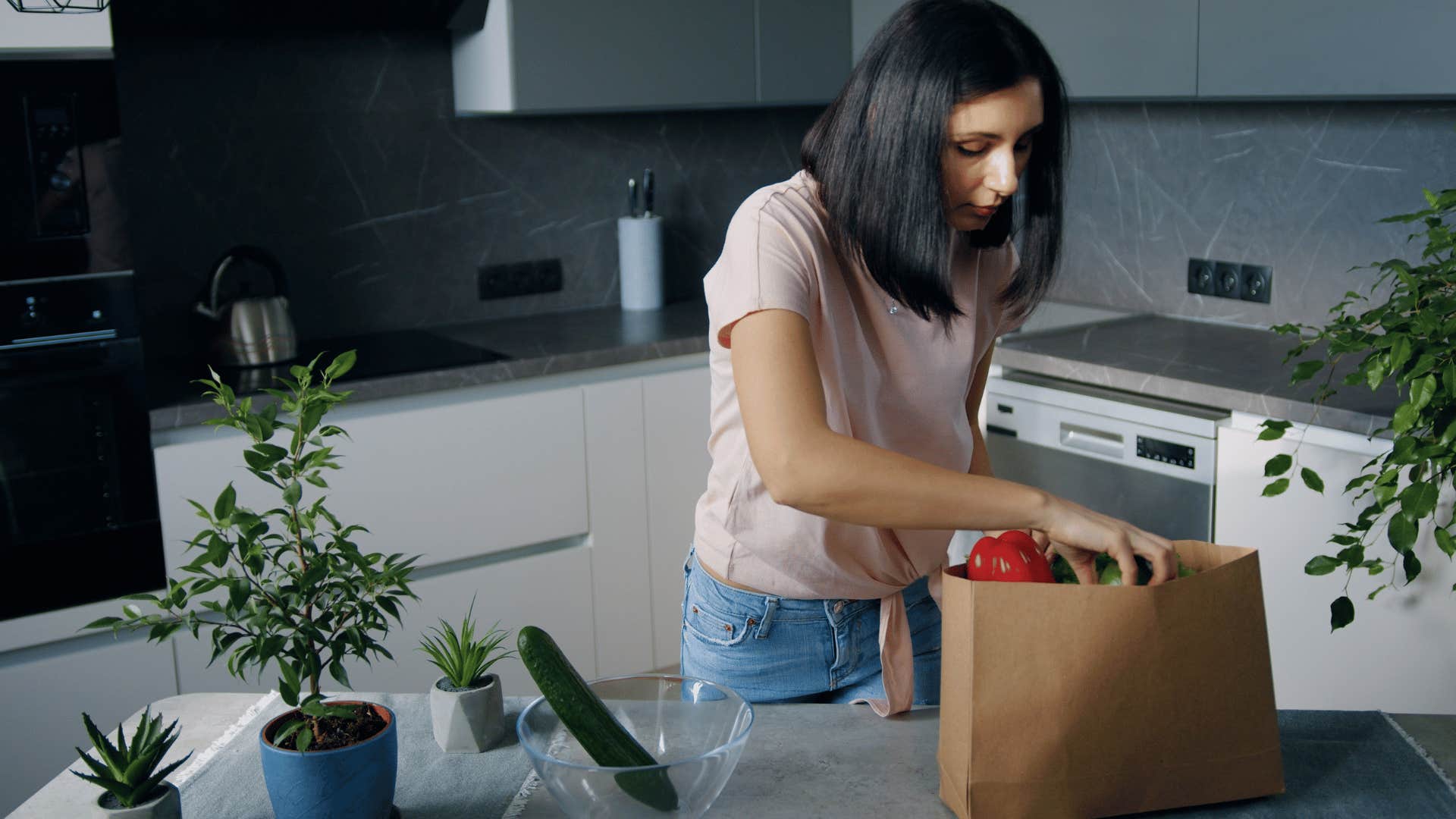
For people who are struggling with money and have developed financial fears, shopping at the dollar store has become their go-to. This likely causes guests to notice cheaper food products and cleaning supplies within their kitchen.
According to a 2024 study, many individuals still purchase brand-name products, but only if they are for a more affordable price. While shopping at the dollar store, these people can buy supplies they know are predictable and dependable for a price that is more favorable.
9. Expired food or seasonings
 l i g h t p o e t | Shutterstock
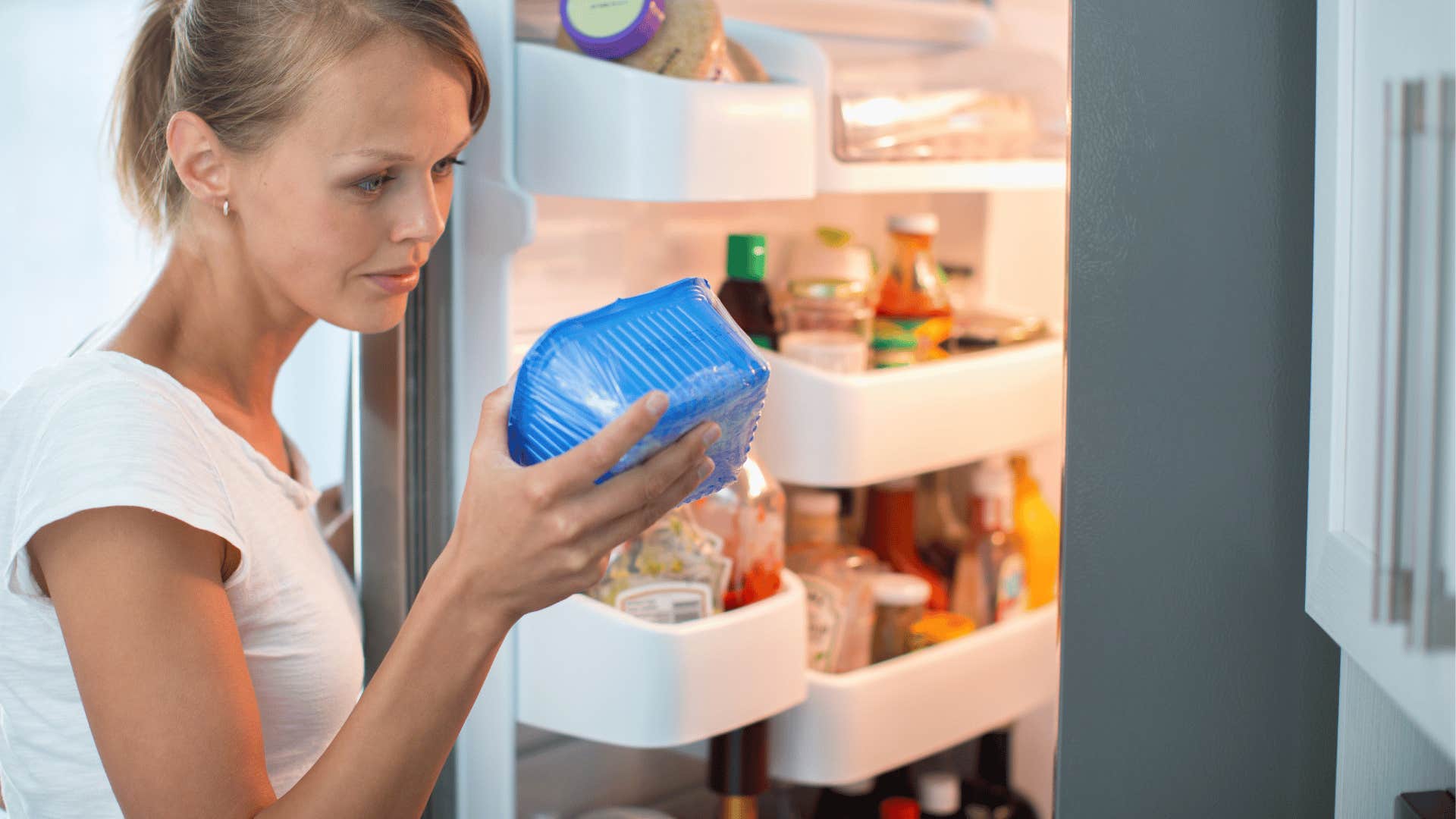
When a person has developed a scarcity mindset due to their financial issues, they develop coping mechanisms they believe give them a sense of security and help them avoid being wasteful. If you are ever in a kitchen that belongs to a person like this, you will likely find expired food or seasonings.
Many times, when a person chooses not to waste even expired food, they do so out of feelings of guilt, as a 2023 study found. They view wasting food as wasting money, and when they are already experiencing financial struggles, even the thought of wasting a cent evokes negative emotions.
10. Broken or faulty appliances
 Andrey_Popov | Shutterstock
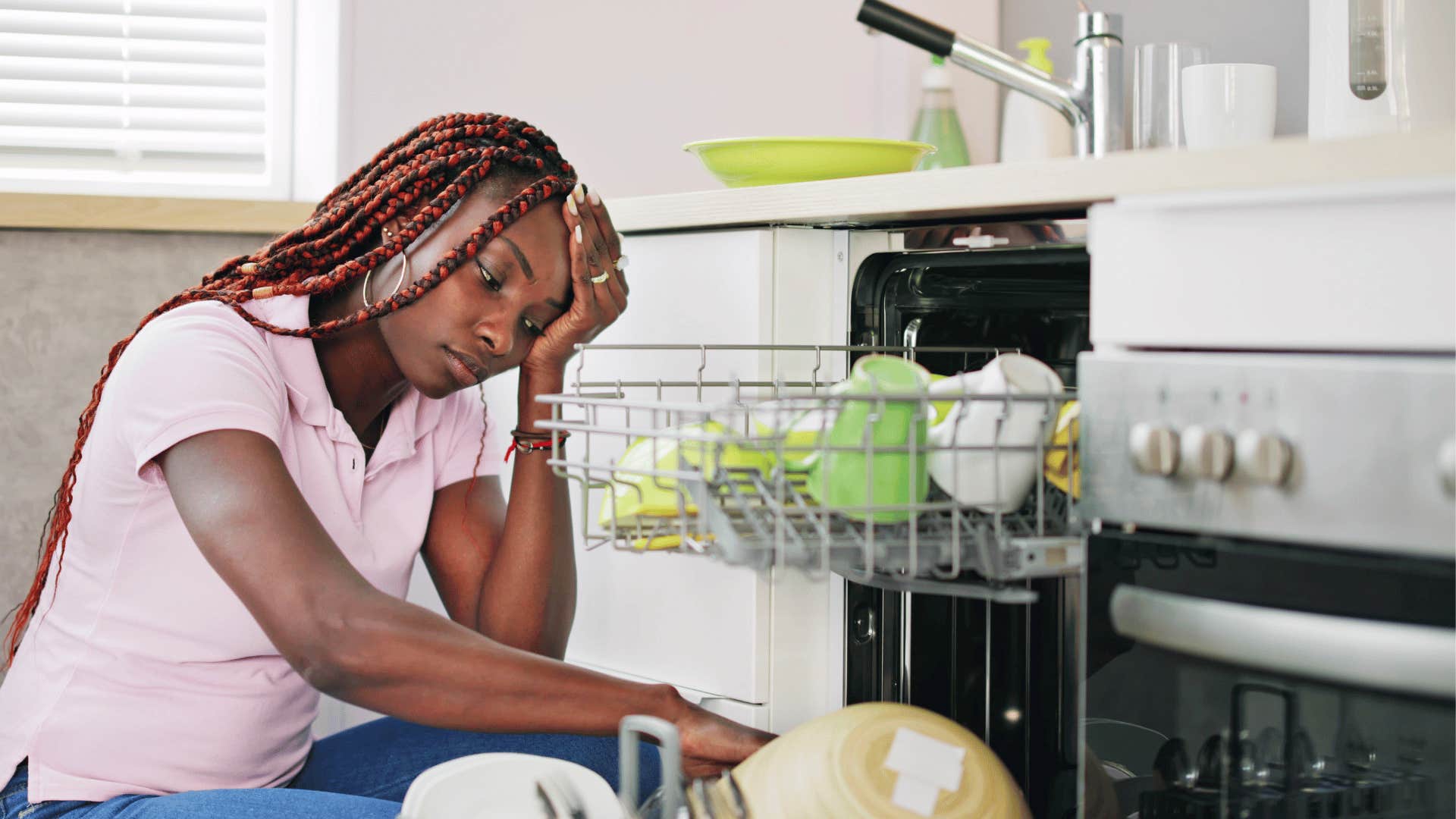
If you notice broken appliances in someone's kitchen, they're financially afraid. When these people are already struggling to make ends meet, fixing what they may consider to be less essential items may become the last thing they want to worry about.
A report by the Federal Reserve stated that families who struggle with maintaining sufficient savings typically have a hard time paying their bills when unexpected expenses arise. If a family unexpectedly has to pay for faulty appliances, it may hinder their ability to cover more essential expenses, so they may decide to deal with appliances that no longer work instead of paying to get them fixed.
11. A limited collection of cookware
 carballo | Shutterstock
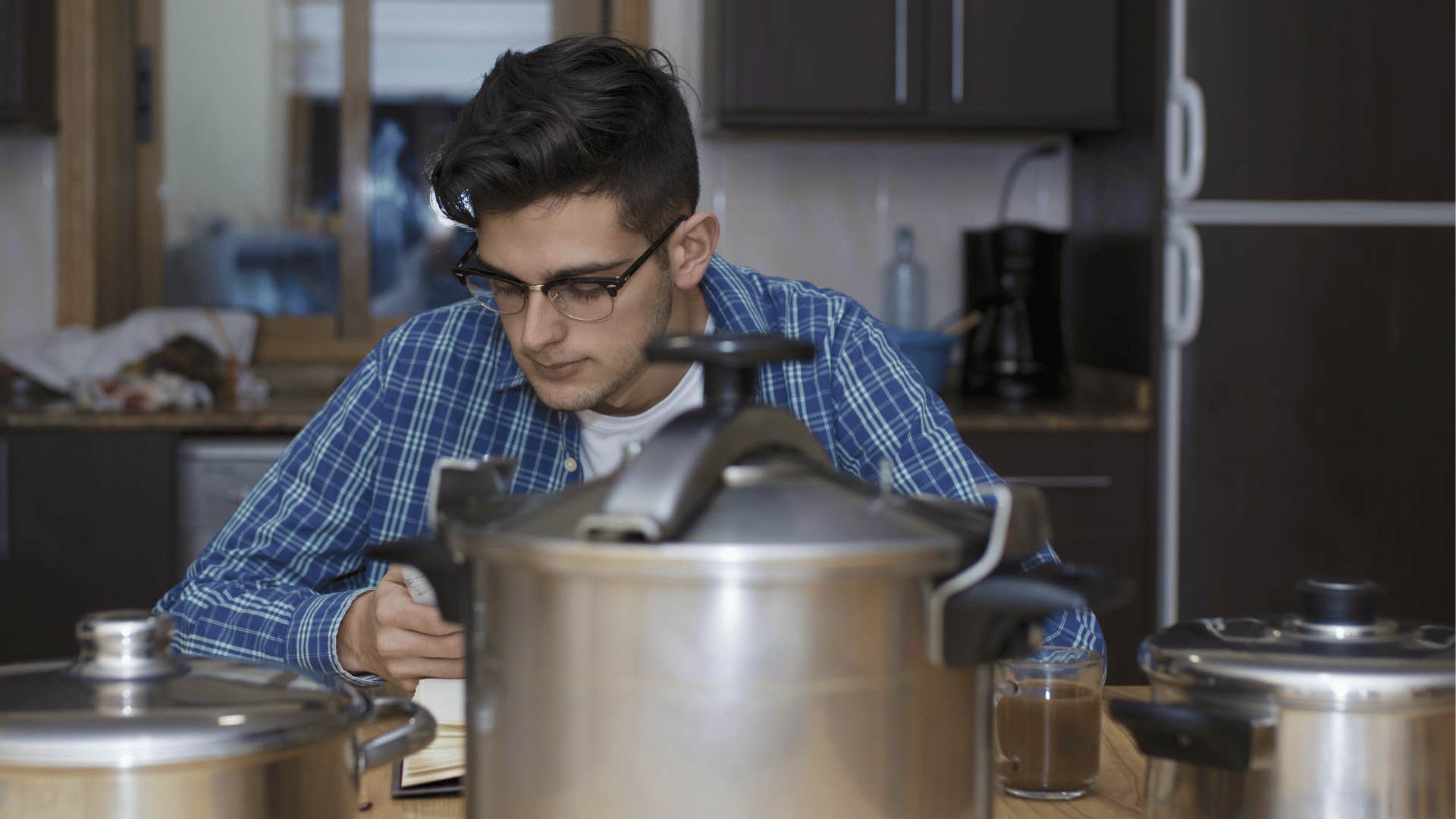
When a household struggles with financial fears, they typically own less cookware. You may notice in their kitchen that they have only the most essential items needed for preparing food, and they typically will not have an abundance of these items.
Households that are food insecure typically, on average, own five fewer cookware items than households that are food secure. When individuals have fears regarding how they are going to financially access necessities like food, they own less food preparation items as a result.
Kamryn Idol is a writer with a bachelor's degree in media and journalism who covers lifestyle, relationship, family, and wellness topics.
