
Americans Get Ridiculed For 10 Frugal Habits That The Rest Of The World Doesn't Really Do
 Irene Miller | Shutterstock
 More and more Americans are facing an economic crisis that they've defined as "getting progressively worse" since the early 2000s, prompting more frugality out of necessity.
Despite largely spending on convenience and comfort as a culture, more Americans have been forced to cut back to afford rising rent costs, grocery prices, and inflation in all aspects of their lives. From an outside view, many Americans get ridiculed for certain frugal habits that the rest of the world doesn't really do, but in most cases, they don't exactly have any other choice.
Americans get ridiculed for 10 frugal habits that the rest of the world doesn't really do
1. 'Coupon hunting' at the grocery store
 Drazen Zigic | Shutterstock
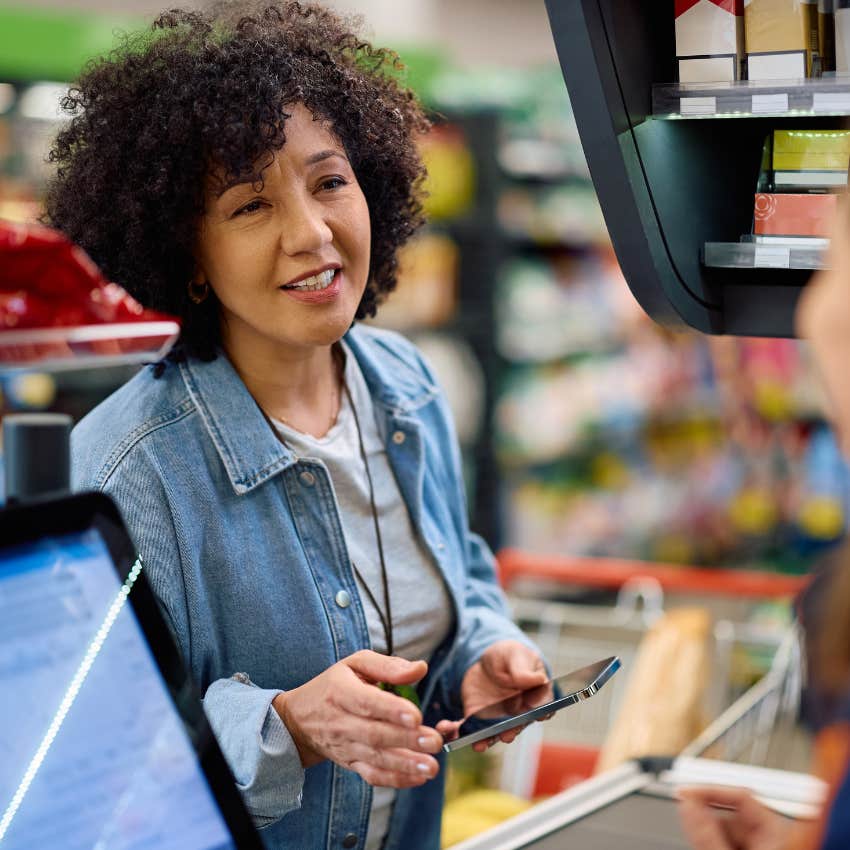
With more and more Americans feeling "broke" while shopping for basic necessities like groceries, it's not surprising that "coupon hunting" is taking off as a new frugal habit for many Americans. While other countries tend to be favorable to deals and coupons around luxuries and fashion, Americans are forced to cut corners to put food on the table.
Especially with rising import tariffs and inflationary prices, groceries have become a primary financial concern for most Americans, according to a study from Pew Research Center. If they want to put food on the table, they have to get crafty, even if other countries don't necessarily understand the dire nature of the situation in our economy. Especially alongside cuts to food assistance programs and food banks, couponing may be the most accessible option.
2. Driving to a different town for gas
With Americans forced to cut spending to account for rising gas prices, many are driving to different towns or swapping cars for more affordable commuting options to afford their basic necessities. Even if it seems strange to other countries, using gas to save a few cents a gallon, as prices rise higher than they have in the last 4 years, it's a frugal habit they can't afford to overlook.
Especially in our car-centric society, where the infrastructure in many cities and communities doesn't allow for people to walk to work or to run errands, most Americans have no choice but to continue spending on gas and searching for frugal alternatives to rising prices.
3. Turning off lights and unplugging appliances
Especially in America, where utility prices have risen around 110% in the last five years in the average city, figuring out crafty ways to spend less on monthly bills is common. Whether it's turning off the air conditioner or keeping the lights off for as long as possible throughout the day, conserving energy is a frugal habit most Americans can't overlook. Even if it only saves them a few dollars, it's worth the effort.
Of course, in Europe, where central cooling and heating systems are far less common than they are in America, this habit feels silly. Our convenience and constant comfort through appliances like an air conditioner are already not something they spend thousands of dollars on a year, so the narrative around frugality with utilities is ridiculed.
4. Maximizing free refills
According to a World Population Review study, Americans drink an estimated 154 liters of soda per capita a year. We're a soda-driven culture, where taste, flavor, and energy in drinks is a huge market for consumption. In comparison to most people in the EU, where only around 9% of people drink sugar-sweetened sodas daily, of course overusing "free refills" to get the most for your money feels absurd.
Especially when that means consuming more, especially soda, which is not always great for your health and well-being, it feels silly to continue spending on something that you could likely cut out completely. However, outside of sugary drinks and all the health consequences of overconsuming them, Americans have something right.
If you're trying to save money, sometimes cutting out all your "treats" and conveniences isn't the answer, especially when a "sacrifice" mentality often leads to worsened mental health in the long-term.
5. Eating fast food for every meal
 Migma__Agency | Shutterstock
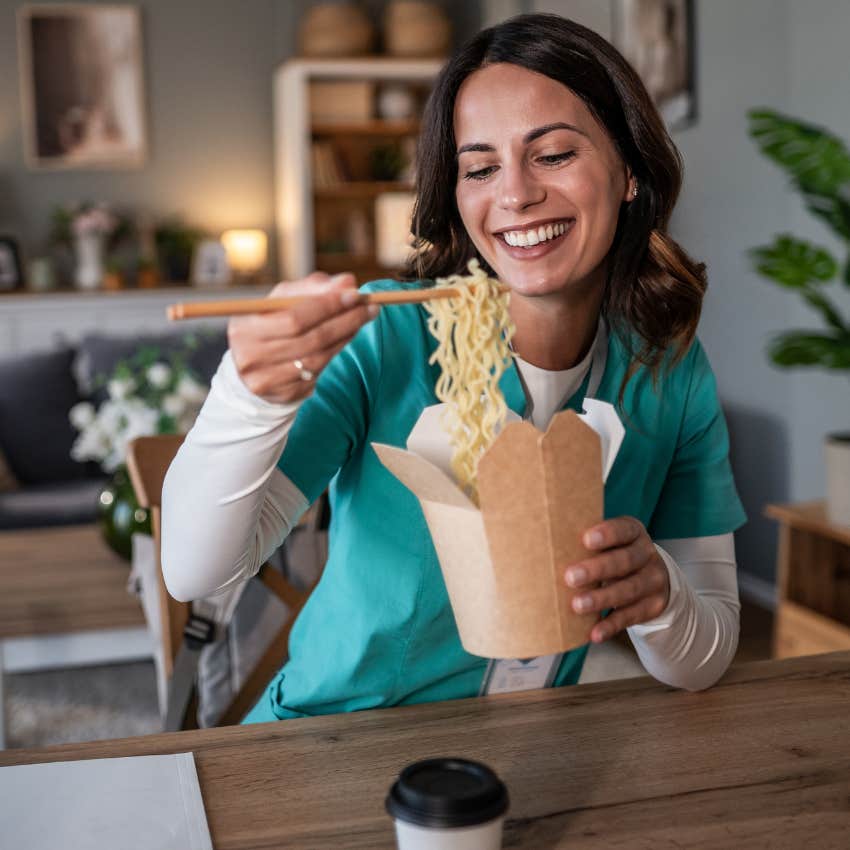
While Americans trying to cut back on grocery costs and time spent cooking may opt for fast food alternatives, it's no surprise that people in other countries ridicule this money-saving trick. Especially with a cultural perception that Americans overeat and consume unhealthy foods all the time, this frugal habit isn't necessarily breaking any stigmas. However, for many households, there is no other option.
Ironically, this cooking alternative isn't even all that accessible anymore, as rising costs and inflation start to hit fast food chains and restaurants. So, it's frugal to save time and money to opt for fast food, but in the long run people might be both sabotaging their health and also spending more.
6. Splitting bills down to pennies
While there are all kinds of stigmas and social conversations about requesting dollars and cents from friends on Venmo, many Americans feel they have no choice but to split bills and divide up dollars to afford small luxuries, like going to a restaurant, in their daily lives.
People from other countries, who have more accessible options for going out to eat and spending time with friends in third spaces, may not understand this "Venmo culture." But for Americans, who are cutting back and pinching pennies to afford basic necessities, it's a necessity.
7. Buying groceries in bulk
There's a stigma that Americans overconsume and overeat, especially from other countries. However, it may actually be incredibly frugal to buy groceries in bulk when they're affordable, at least for people who can afford it. According to a LendingTree study, Americans can save an average of 27% on grocery prices by buying necessities in bulk.
Especially for American families who have the space in their homes that other countries may lack, buying groceries at once and storing them away can help make eating costs more affordable. While other countries, especially in Europe, that eat more fresh foods and perishable products may not understand the habit, for Americans it's become a new frugal normal.
8. Hosting potlucks
While there's often an expectation for people hosting parties and people at home to provide all the drinks and food for their guests, the American "potluck" may be healthier for people to adopt, both financially and emotionally. Not only does it work to "cure" the loneliness epidemic many Americans are facing, but it also offers community without a price tag.
Especially when our "third spaces" are dwindling across the country, these potlucks offer space for adults to connect without breaking the bank.
9. Bringing home leftovers from restaurants
 Halfpoint | Shutterstock
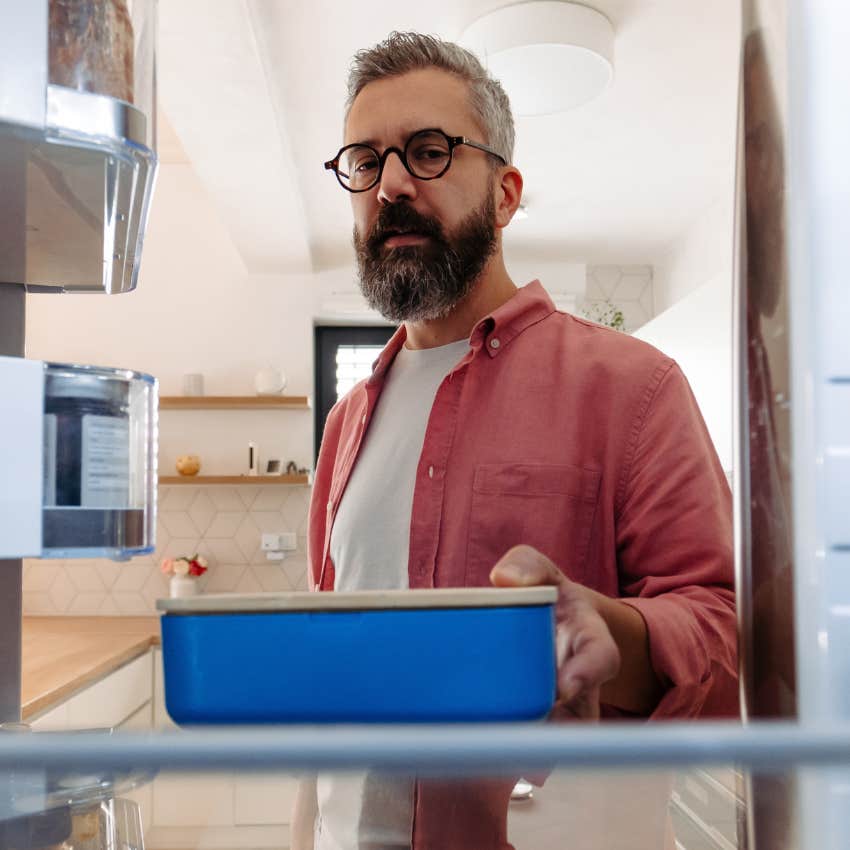
Some people surely do bring home leftovers in other countries, but there's a notion that it's "disrespectful" to chefs and restaurants to not eat food as it arrives in the moment. However, our American culture has a much different attitude towards takeout, where servers may even dish up your food into a takeout container so you can easily and conveniently bring leftovers home.
In our modern culture, leftovers may even be a new frugal habit, where consumers intentionally eat less in the moment to save food for another meal. While "testing the limits" of leftovers may cause more turmoil for Americans at the end of the week when it's time to clean out their refrigerators, it may save them a few dollars on meals after going out to a restaurant the next day.
10. Showing up empty-handed to a party
While many people expect a gift for the host of a party, it's somewhat of an American niche to show up without an offering. Some people still adopt the basic manner, but in our economic turmoil of the modern world, it may not be feasible for people to pay for gifts for the sake of connection and community.
Especially as more people struggle with isolation in the wake of economic turmoil and financial struggles, it might even be best for Americans to avoid the guilt associated with hostess gifts, especially when they become a barrier to community gatherings and get-togethers.
Zayda Slabbekoorn is a senior editorial strategist with a bachelor's degree in social relations & policy and gender studies who focuses on psychology, relationships, self-help, and human interest stories.
