
11 Simple Money-Saving Habits Entitled People Think Are Beneath Them
 pyrozhenka | Shutterstock
 Money is a constant worry in the life of an average person, whether it's paying their bills, affording healthcare, or finding free resources because they can't spare anything on groceries.
While those fortunate enough to not feel anxious about their finances, others have constant concerns. And it makes sense, because money and status tend to shape people's behaviors and beliefs. In fact, financial status matters so much to some that they won't waste time learning ways to save money. Even if it's just the basics, simple money-saving habits entitled people think are beneath them are considered "low class." Unfortunately, it can come back to bite them financially.
Here are 11 simple money-saving habits entitled people think are beneath them
1. Using clothing swaps
 Okrasiuk | Shutterstock
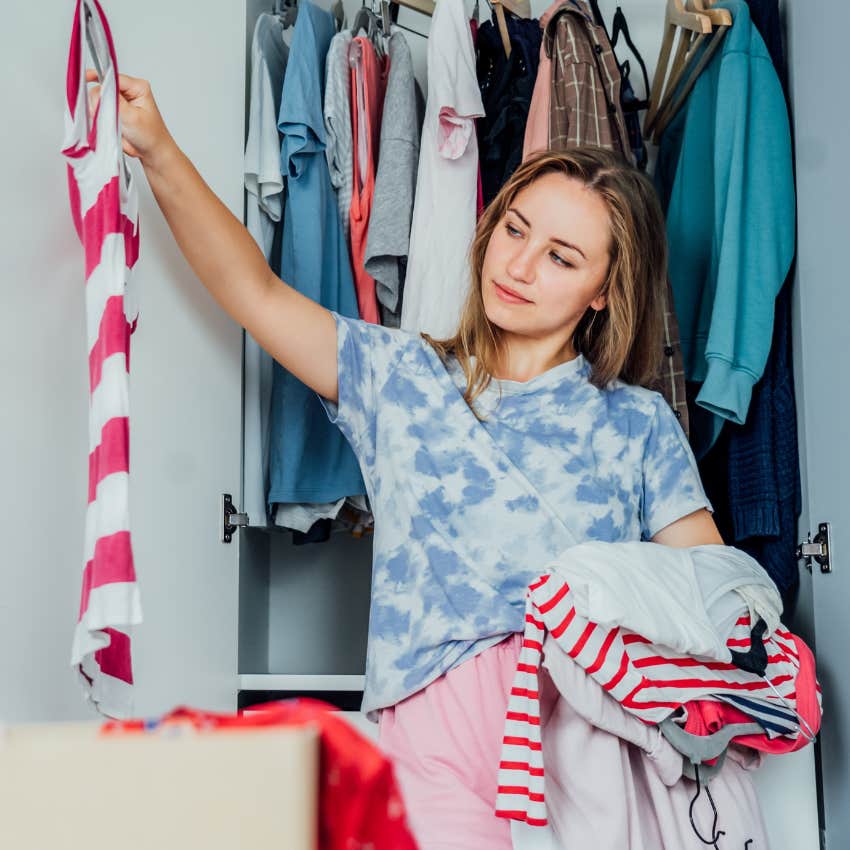
Clothing swaps are the new thrifting. Unlike thrift stores, clothing swaps cost nothing to attend. All you have to do is bring out your old clothes and exchange them for other people's, whether they're friends or complete strangers. If you have a bunch of people at a clothing swap who are similar in size to you, this could be a great way to refresh your wardrobe.
As a study published in the Journal of Consumer Behavior explained, clothing swaps are a great way for people to become more aware of sustainability, the environment, and adapting to behaviors that are socially responsible. Clothing swaps are a great alternative to fast fashion, but it's also a money-saving habit that entitled people will never try because they believe it's beneath them.
2. Wearing hand-me-downs
Hand-me-downs are another major take on clothing swaps and exchanges. The only difference is that these tend to be handed down from family member to family member, mostly as kids age and grow out of old clothes. A lot of kids might hate this trend, but the truth is that it's a good trend to follow.
Assuming the clothes aren't threadbare rags, your kids will be well-clothed, and the clothing will be decent enough for most kids to feel safe and secure. In fact, around half of all households use hand-me-downs, so they're far from alone.
3. Eating leftovers
There are quite a few people who will turn up their noses at leftovers. While much of the refusal to eat leftovers is rooted in (very reasonable) concern about food safety and psychology, most leftovers are generally going to be safe to consume, as long as they're stored and prepped properly, and eaten within the proper time frame.
It's unfortunate, but quite a few people have thrown out full-blown meals because they "couldn't finish it" in time. But when you're tight on cash, using those leftovers stretches your budget in ways that you never thought possible.
4. Using coupons on date nights
While some people believe that using coupons on a date night is a red flag, it's 2026 and people are struggling financially. Dating is especially expensive, and most people would straight up turn down a date if they expected them to be okay with a Happy Meal at McDonald's.
If you're dating and you're paying, you should be honest about what you can and cannot provide. That doesn't mean that you should avoid coupons to appear like a baller for someone who may or may not like you. Use the coupons and assume that someone who isn't pleased that you'd go the extra mile isn't the one for you.
5. Learning DIY techniques
 wavebreakmedia | Shutterstock
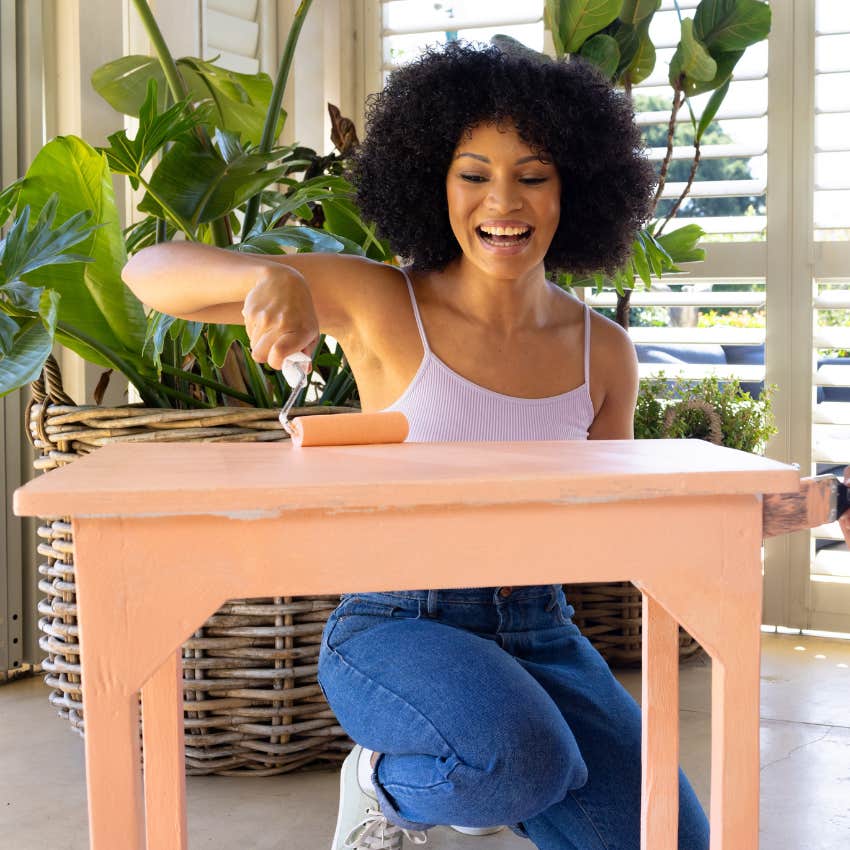
Even the tiniest investment in home improvement, especially, can save money. Though entitled individuals won't ever admit that DIY techniques can save them money, the truth is that every cent counts for a lot of people. Of course, there's nothing glamorous about investing in a toilet snake for home improvement, but learning how to use one rather than call a plumber is financially smart.
Doing little things around the house without having to hire professional help saves money over time, especially if it's a continual problem.
6. Avoiding 'luxury' apartments
Luxury apartments are growing at a scary rate, going so far as to shift the average price of an apartment in almost every part of the United States. More often than not, these apartments are not actually luxurious. Rather, they just have a "fancy" type of countertop and paper-thin walls.
The only luxurious thing about them is their sky-high price tag. You don't need grey-toned walls or flooring, because any apartment can be a home if you decorate well. People who aren't entitled don't think non-luxury apartments are beneath them because they're focused on affordability.
7. Dining out with frugality in mind
When people dine out every single day, it tends to show not only in their waistline, but their bank account as well. Their wallet is always slim, even when they stick to fast food, which as become increasingly more expensive. While you shouldn't lose out on the joy of a restaurant meal, it's all about eating with frugality in the back of your mind.
Many chain restaurants have great copycat recipes online, most of which are cheaper than the "real thing." Choosing to eat food you can't make at home, which would cost a fortune to make, is often a lot wiser than sticking to cheap venues that taste bad.
8. Blocking impulse buys
Impulse purchases are the bane of many shoppers' existences. Entitled people will say things like "a little splurge won't hurt you," but it actually does. As a study published in Frontiers in Psychology explained, impulsive buyers tend to have high levels of anxiety and depression, low self-esteem, and a tendency to develop obsessive-compulsive disorders.
Splurge buys and impulse buys are designed to drain your bank account. That's why you get push notifications from your favorite store's apps and why you get those emails from your online store of choice. But the best way to avoid this trap is to uninstall those apps, unsubscribe from marketing emails, and keep things out of sight.
9. Going to the library, not the bookstore
 fast-stock | Shutterstock
People who love to read often want to keep the books they speed through, but it's not always a wise choice. Libraries are a great public service to everyone, from children to senior citizens, and people highly value having them in their communities. They help reduce book clutter, and they also make it possible for you to read plenty of books without paying steep prices.
It's hard to put a price tag on a good library, but it's possible. If you've ever wondered how much a library can be worth, you actually can find out using a Library Value Calculator to uncover how much you save. Even though entitled people think it's beneath them to borrow rather than buy, libraries are an incredible resource.
10. Canceling gym memberships
Assuming you're not a content creator who films at the gym, it's important to recognize that you don't need a gym membership to get fit and in shape. You also don't need to have a personal trainer or all those other bells and whistles to get results. What you do need, though, is a little education.
You can get great fitness results through simply cutting calories, eating healthier, and making positive lifestyle changes. Many financial experts are huge proponents of streaming fitness classes because it's basically getting the same results without the heavy price tag.
11. Opting for free hangouts
While people with entitlement issues believe free outings are well beneath them and are something they would never do, those who use it as a frequent money-saving habit find that it not only relieves financial pressure, but adds to their overall happiness. It costs nothing to go out for a walk, go stargazing at night, or look up at the sky and figure out what shape clouds are.
It also costs nothing to just stroll in your local mall or come up with funky online games to play with friends. Most people assume that hangouts have to include a meal out, a club night, or some other similar activity for it to be worthwhile. But that's not the case, nor has it ever been.
Ossiana Tepfenhart is a writer whose work has been featured in Yahoo, BRIDES, Your Daily Dish, Newtheory Magazine, and others.
