
You Can Tell Someone Is Falling Out Of Love If They Do These 11 Things Slowly
 simona pilolla 2 | Shutterstock
 When a person is falling out of love, it may not be obvious to their partner at first. But as time passes, you can tell someone is falling out of love if they do certain things slowly. If they used to be very affectionate and interested in what makes you who you are, now they seem disconnected and disengaged and have likely experienced a shift in their emotions toward you.
Staying in a relationship with someone who continuously does these things and no longer loves you not only negatively affects the relationship, but can also damage your self-esteem and make you feel like you do not have a support system. If these behaviors persist and continue to be unresolved, it is best, for your own health, to remove yourself from the situation.
You can tell someone is falling out of love if they do these 11 things slowly
1. Affection decreases
 StockPhotoDirectors | Shutterstock
You can tell that someone is falling out of love if they stop showing their partner as much affection as they used to. Whether it's holding hands or snuggling on the couch, when affection is absent, it indicates not only physical distance, but emotional as well.
If your partner begins feeling emotional indifference, meaning they lack positive emotions toward you and the relationship, they will become emotionally and physically disengaged. This will also typically be accompanied by a loss of interest in you and the relationship overall, as a study from Personal Relationships explained.
2. They show less interest in daily life
 simona pilolla 2 | Shutterstock
Someone showing way less interest in their partner's daily life is a sign they're checking out of the relationship. If they once were interested in having meaningful conversations with you about your interests, goals, and the way you think about things, but now are completely disinterested, they are no longer emotionally invested in you or the relationship.
When your romantic partner withdraws emotionally like this, they hinder the relationship from being able to further develop and grow. They typically behave this way to show that they are losing interest and no longer want the emotional burden.
3. They're incredibly critical
 Prostock-studio | Shutterstock
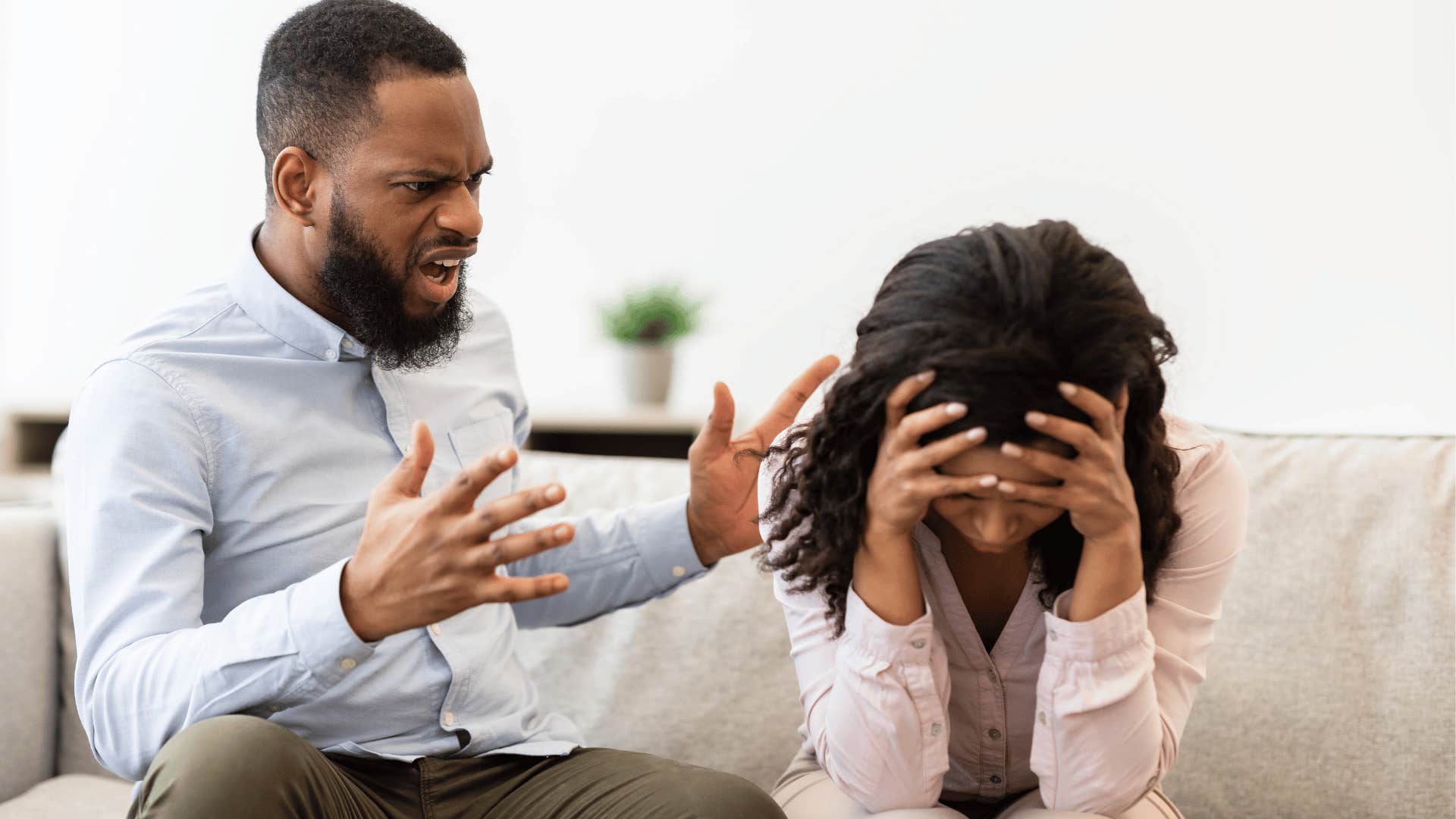
When someone starts criticizing their partner way more than they once did and this criticism is never constructive, it indicates that the relationship has become toxic. Instead of love, they are showing you negativity and have little regard for how it will make you feel.
According to relationship researcher John Gottman, there are four destructive communication patterns that signal the end of a loving connection, and criticism is one of them. When one partner criticizes the other, they know it will ding their confidence.
4. Intimacy is gone
 MAYA LAB | Shutterstock
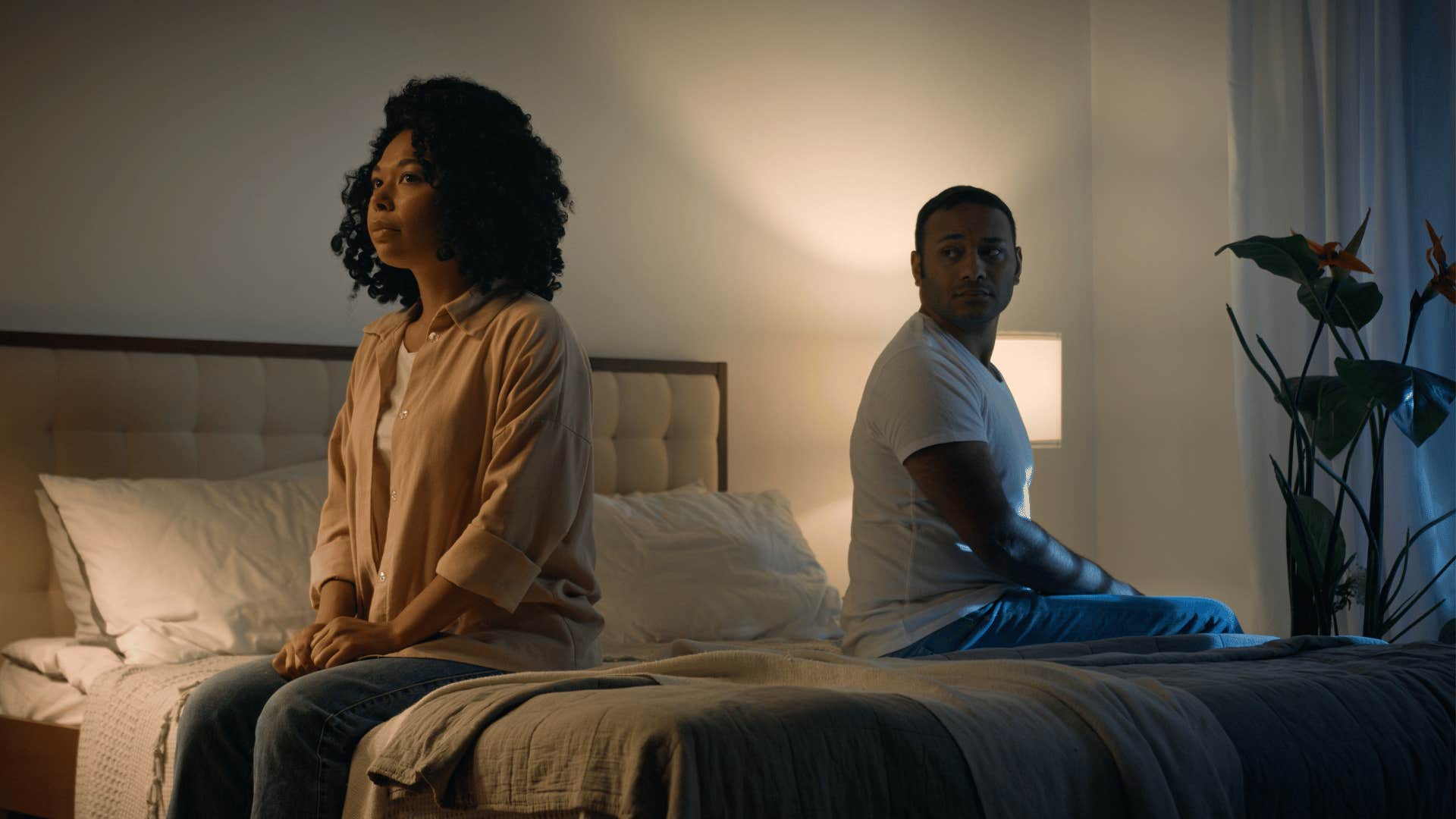
Reducing intimacy, whether that be emotionally or physically, is a sign that there's love lost in the relationship. When they no longer want to show a vulnerable side of themselves and feel distant and disconnected, they will be less likely to want that intimacy.
According to a 2024 study, when an individual feels rejected, which is typically how someone would feel when their partner abruptly avoids intimacy, they will experience a rush of negative emotions. If this person is exceptionally sensitive to rejection, it may take them a while to recover fully from the pain their partner has caused.
5. There's emotional distance
 DimaBerlin | Shutterstock
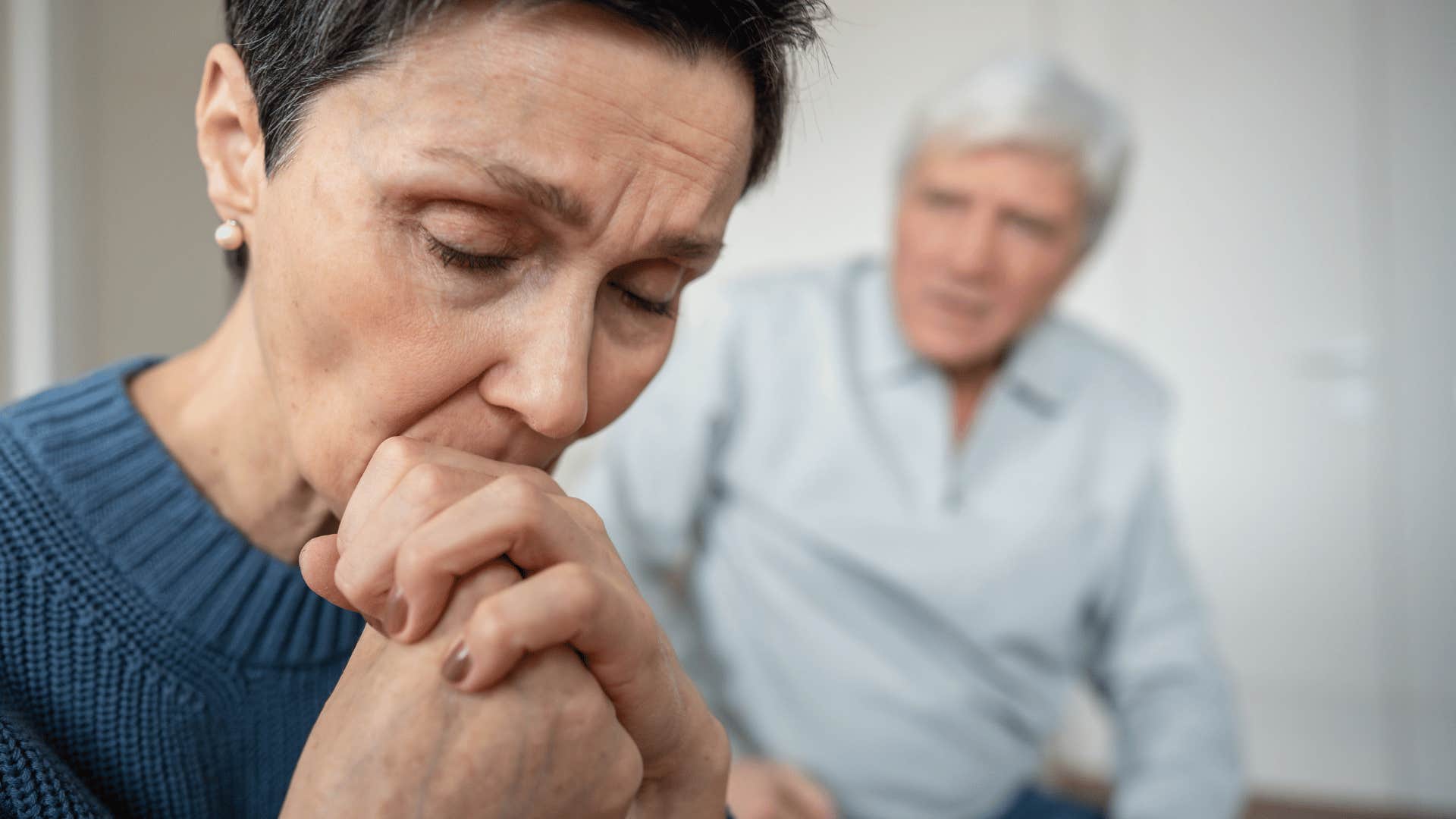
If your significant other is falling out of love, they likely will become emotionally distant over time. This may cause them to communicate less effectively with you, seek others' support instead of yours, or become avoidant and more easily irritated when around you.
A study published in the Journal of Personality found that a person's well-being is highly influenced by their relational partners. When a person feels attached to their partner, but their partner is becoming avoidant and distant, this behavior takes a serious psychological toll on their overall well-being.
6. They ignore future plans
 wavebreakmedia | Shutterstock
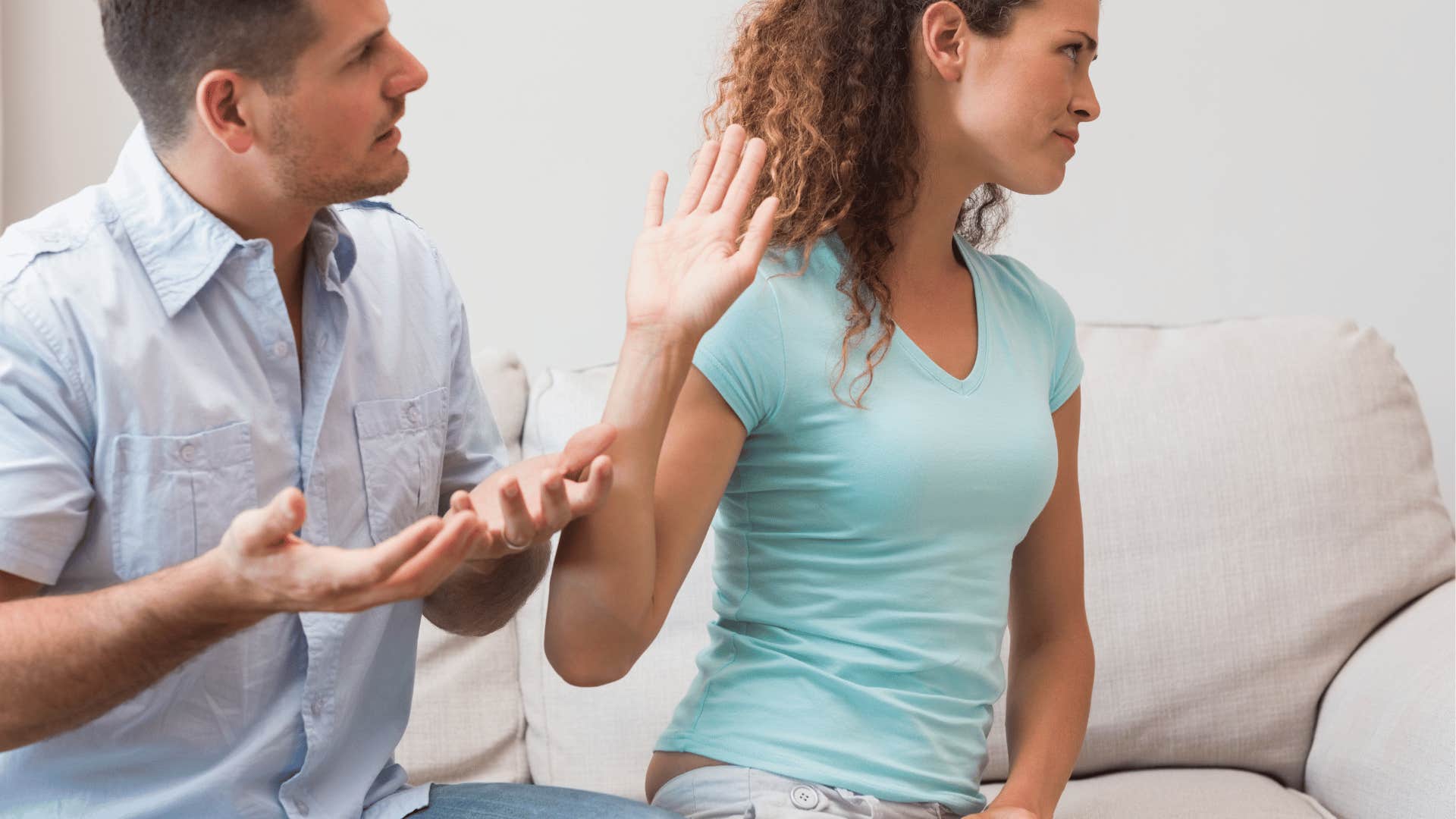
You can tell someone is falling out of love if they slowly ignore making plans for the future. It might start out as making excuses to not be together, and eventually turn into not making any plans at all. When a partner acts this way, they start to withdraw themselves from the relationship due to feelings of uncertainty.
As psychologist Jeffrey Bernstein explained, "This lack of future planning might show up in various ways. Perhaps they're non-committal about upcoming events, hesitant to make plans, or indifferent about goals you once shared... When a partner withdraws from future planning, it's often because they're unsure about the relationship's viability or feelings toward it"
7. There's a loss of respect
 Dikushin Dmitry | Shutterstock
If respect no longer exists within a romantic relationship, it indicates a loss of love. When there is a loss of respect, it is usually due to trust, admiration, and emotional safety no longer being a priority in a relationship.
Respect is an essential component in healthy relationships. When you notice that someone is no longer showing you the respect that you deserve, it can make it feel like your partner wants to control you and does not appreciate the fact that you are your own person, not an extension of them.
8. Communication breaks down
 Pormezz | Shutterstock
You can tell someone is falling out of love if communication breaks down slowly. They want to avoid complicated conversations that could potentially lead to conflict. They also want to avoid sharing their emotions and hearing the emotions of their significant other.
Unfortunately, relationships with negative communication are typically linked to less satisfaction within a relationship. As communication changes through the length of a relationship, partner satisfaction also changes.
9. There are fewer shared activities
 Prostock-studio | Shutterstock
If a romantic relationship sees a decline in shared activities, it may be due to a loss of love from one partner to the other. When partners never engage in activities together, they lack the quality time and intimacy that build healthy romantic relationships.
Many times, these key aspects of a relationship will be replaced by emotional distance, avoidance, and indifference when a couple never wants to do what the other person considers entertaining. And this typically leads to romantic disengagement, which negatively impacts relationships and contributes to their decline.
10. Excitement is lacking
 Prostock-studio | Shutterstock
If you notice your partner no longer harnessing any excitement toward your relationship or being with you, they are likely falling out of love. When there used to be a positive energy but now your partner seems less engaged and uninterested, they are slowly becoming less invested.
When your partner is around you and they seem low on energy and excitement, it is a sign that emotional indifference is taking over the relationship. This disengaging behavior makes them less involved in your life and can make you feel like you're alone even when they are right beside you.
11. They're indifferent
 fizkes | Shutterstock
A partner feeling emotionally indifferent toward the relationship is a key sign they are falling out of love. When a person starts to act this way, they lack all the positive traits they would usually have in the relationship. Perhaps they greet you with one-word answers, put themselves first, or even ignore your presence.
"One key sign a marriage has run its course is when one or both partners are indifferent to each other. A couple who have a noticeable lack of care, connection, or desire to be together from one or both partners often is a sign that the relationship is done. In contrast to conflict, indifference is concerning because it signifies that the drive to stay close, make an effort to bond, and work together is gone," clinical psychologist Dr. Cortney Warren revealed.
Kamryn Idol is a writer with a bachelor's degree in media and journalism who covers lifestyle, relationship, family, and wellness topics.
