
So Many Married Men Deal With 11 Hard Things They Don't Really Talk About
 Just Life | Shutterstock
 Men face a lot of stigma and isolation when it comes to expressing vulnerability. Whether it’s a lack of openness in their male friendships or feeling like they can’t ask for help, as well as the misleading masculinity expectations that society places on them, they’re often turned away from shedding light on how they’re feeling and what they’re experiencing.
Even in romantic relationships, so many married men deal with hard things they don’t really talk about because of these pressures to provide and protect without seeking support. And unfortunately, hiding their feelings and troubles can lead to increased anxiety and loneliness, in addition to difficulty in their relationships.
So many married men deal with 11 hard things they don’t really talk about
1. Their own mental health
 Trzykropy | Shutterstock
Whether it’s influenced by the state of the marriage or not at all, many married men still struggle with asking for help and being open about their mental health. Especially for men who grew up in households where asking for help was framed as a character weakness, in relationships where they’ve tried to be the stereotypical “strong one,” they’re turned off from vulnerability.
Especially under traditional norms in relationships, even admitting that something hurts their feelings can be a sign of weakness in their minds. They don’t want to admit that someone else’s actions hold power over them, because they’re operating from a place of misguided control themselves.
2. Passing frustrations and inconveniences
 AstroStar | Shutterstock
According to psychologist Harriet Lerner, many men find themselves avoiding conflict and adopting the “it’s not worth a fight” mentality at home with partners, even if that builds resentment over time. The more passing frustrations people tolerate without communicating, the more of an argument or issue they’ll have down the road when all those things cumulatively grow internally.
That’s why men who struggle with openly communicating their struggles are burdened with them internally. As a study from the Journal of Personality and Social Psychology explains, when you suppress emotions, you’re only causing more stress and turmoil for yourself internally, whether that’s mentally, emotionally, or physically.
3. A desire for alone time
 Studio Romantic | Shutterstock
In so many respects, balance is the key to a healthy marriage, including quality time together and intentional alone time apart. However, it’s not always easy for partners to ask for alone time when they’ve spent a lot of time enmeshed with a partner or without it. Either it comes off the wrong way or they end up sacrificing it anyway for quality time on a daily basis.
It’s something men may struggle with secretly in their relationships because they worry about hurting their partner's feelings. However, if everyone has more time to feed into their individuality and personal well-being, the entire relationship gets better.
4. Trusting a partner’s words
 Nenad Cavoski | Shutterstock
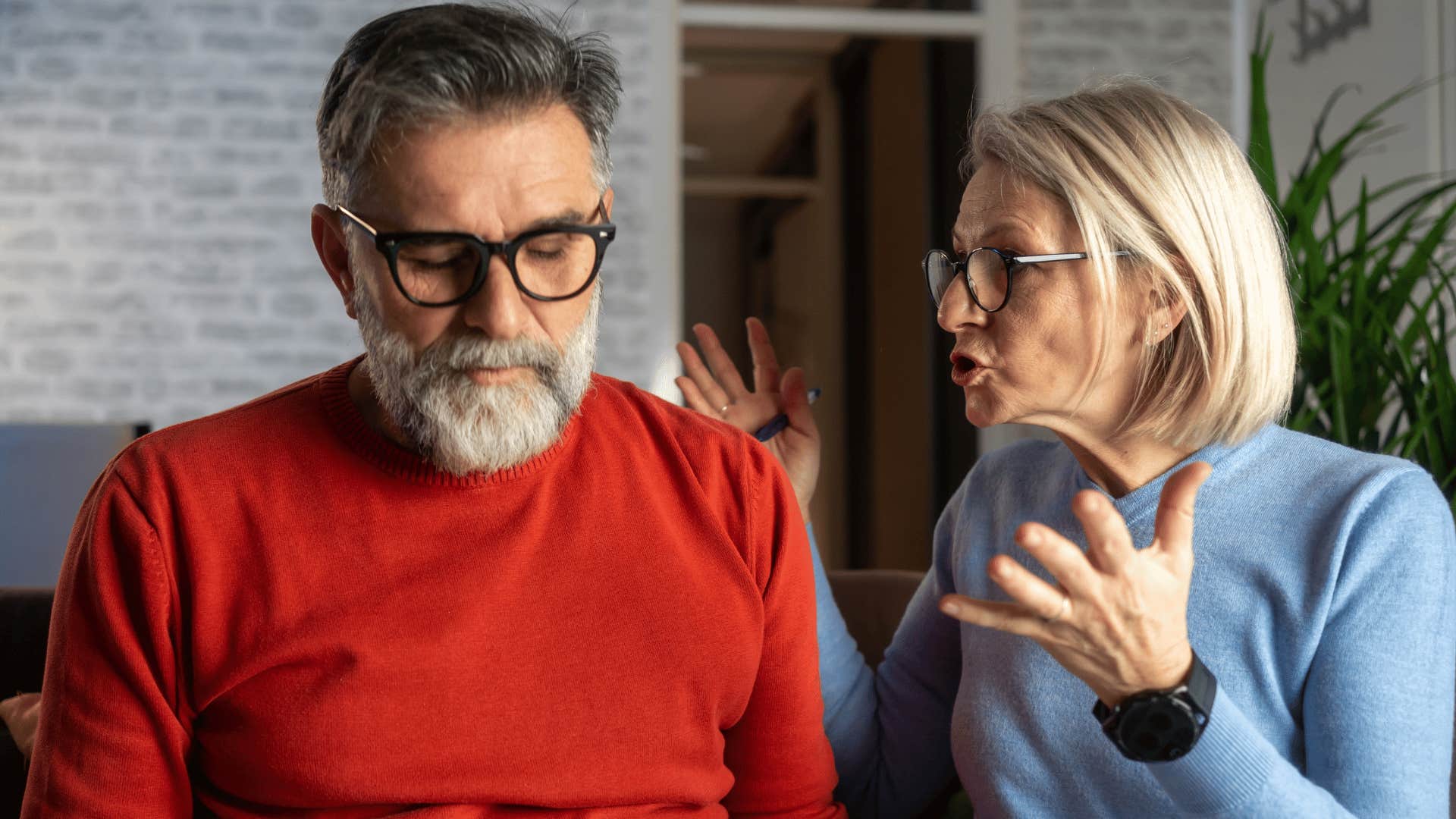
Whether it’s promises in a vulnerable conversation or commitments, many men, and really, many romantic partners, find it difficult to simply trust the words of someone they love without any action. Especially with a pattern of inconsistency in the relationship, it can be hard to tolerate and feel supported by fluffy language and warm promises when they aren’t sure if they’ll actually happen or not.
While positive communication is said to boost relationship well-being and lower the intensity of negative interactions, if a partner is constantly grappling with mistrust and second-guessing their partner, it can drive a wedge between them over time.
5. A fear of being replaced
 Kmpzzz | Shutterstock
Feeling replaceable often negatively affects trust, especially for partners who already struggle with low self-esteem, according to a study from the Journal of Experimental Social Psychology. So, for men who often experience this more frequently in romantic relationships, it’s an underlying struggle in everything they do.
For some, it might be an entirely internal struggle that prompts worry and stress. For others, it might be the fuel behind the certain envy-driven or controlling behaviors, even if they don’t have the words to verbalize their inner turmoil.
6. A lack of physical touch and affection
 Prostock-studio | Shutterstock
Everyone needs some level of physical touch and intimacy to cultivate a healthy romantic relationship. However, in most cases, women often prioritize emotional intimacy and vulnerability as a means to physical intimacy, while men are the opposite, needing affection first.
So, if there’s an emotional disconnection keeping their partners from wanting to be physically close, they’re also going to struggle with opening up. Everyone ends up with unmet needs that sabotage their well-being.
7. Being held to an unexpected image
 Mladen Mitrinovic | Shutterstock
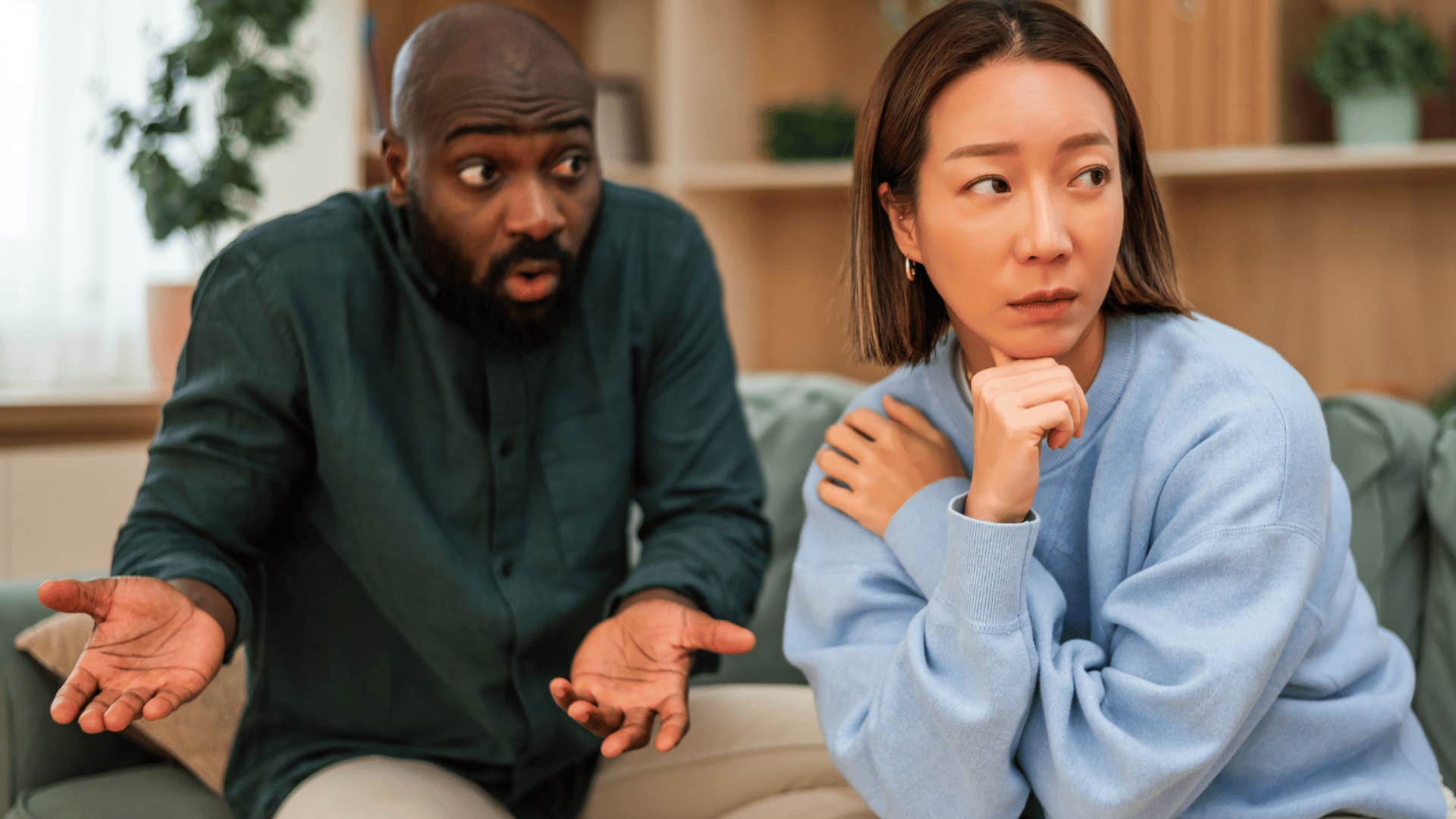
Whether it’s misleading forms of masculinity or a partner’s past struggles and relationships, even their image of a perfect partner that they’ve curated from highlight reels on social media, men may take on a lot of stress and anxiety about meeting unrealistic standards.
Not only does the element of comparison harm relationships and strain people’s self-esteem, but couples grow to resent each other, despite having entirely unrealistic expectations for each other. Even if men don’t talk about it openly and even try to reach that standard, it causes more tension than most realize.
8. A pressure to compete
 PeopleImages | Shutterstock
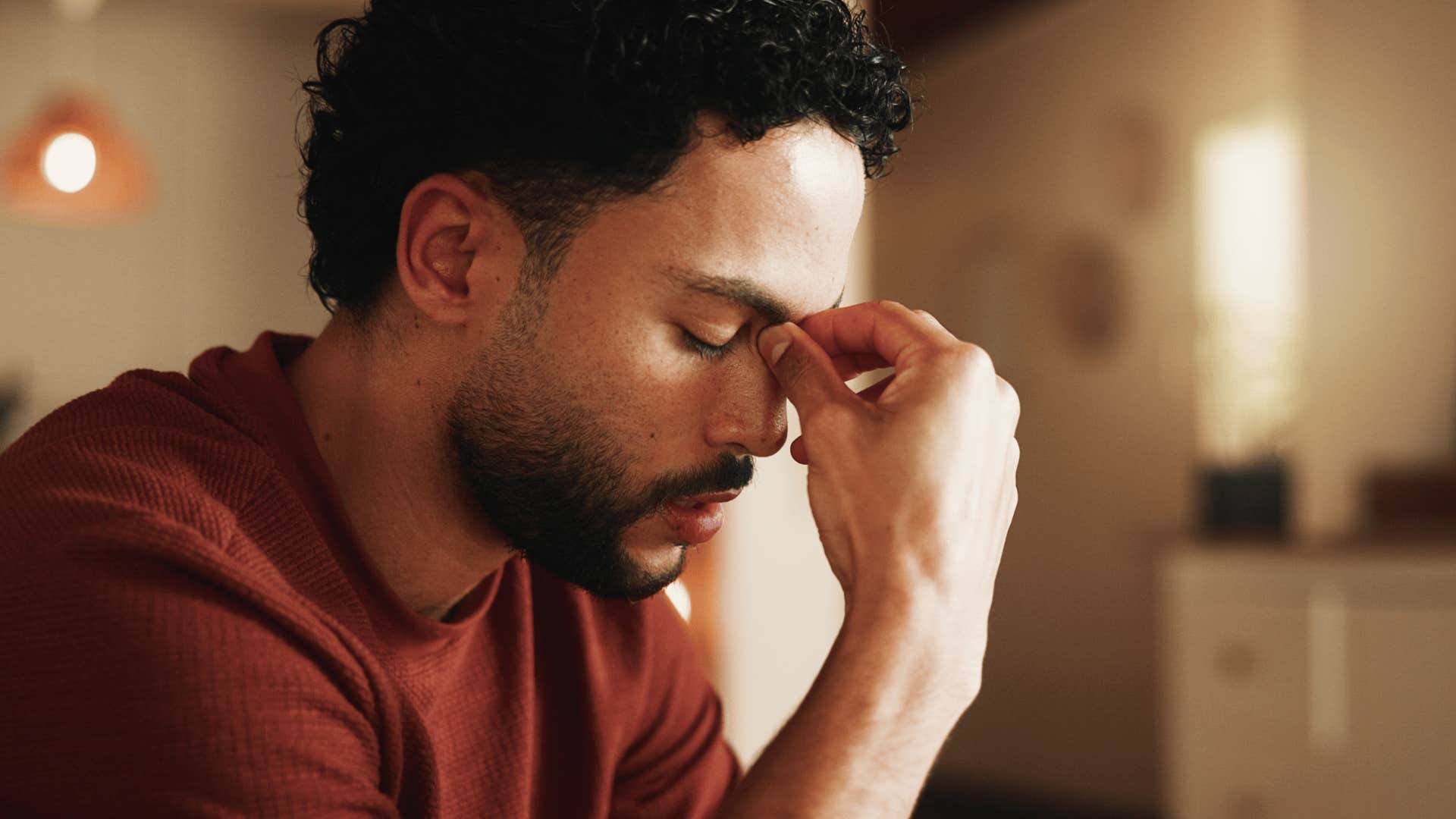
While competition has become a natural part of our culture, causing all kinds of inner turmoil and relationship strain, many men feel an even greater pressure to compete with others.
While winning alone may be one of the less harmful masculine norms, as a study from the American Journal of Men’s Health suggests, it can still cause strain between partners when it prompts jealousy or transactional behaviors at home. So, even when their partners aren’t comparing them to unrealistic standards and people, these men may still be grappling with their own desires to compete, sometimes even in subconscious ways.
9. A pressure to provide
 Nenad Cavoski | Shutterstock
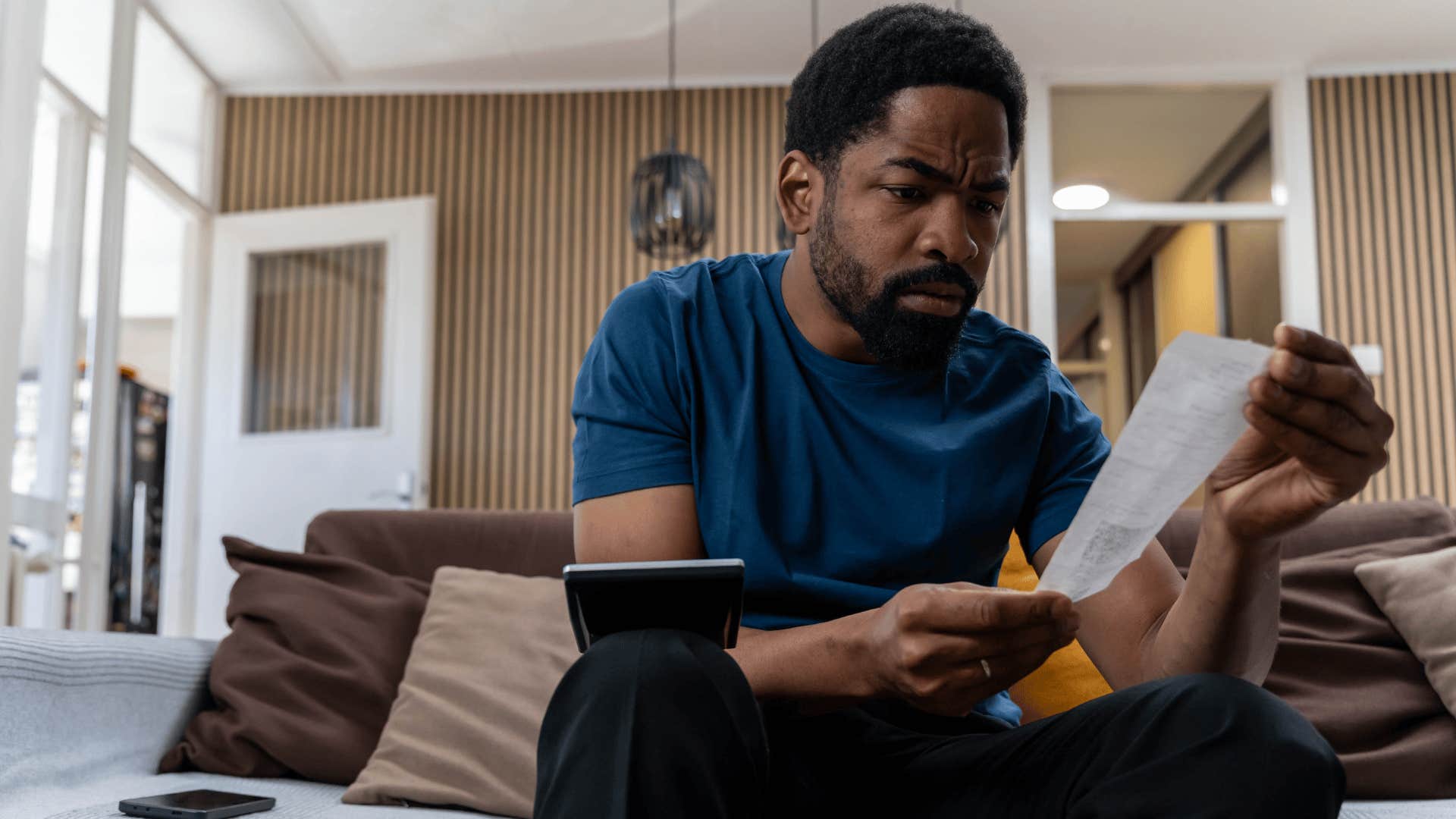
Financial issues and money stress often play seriously influential roles in relationships of all kinds. While the symptoms are unique depending on the couple, many often find that their communication worsens when financial strain is present, according to a study from the Journal of Consumer Behavior.
So, for men who are pressured with the “provider” identity, facing financial strain may burden them, on top of a lack of openness and communication with a partner. They end up struggling both with internal feelings of inadequacy and also being isolated from their partner at a time when they need support and reassurance most.
10. Holding in emotions
 Perfect Wave | Shutterstock
On top of avoiding conflicts, so many men are faced with unrealistic masculinity norms like avoiding vulnerability and holding in their emotions. They’re told that being strong is about never crying and shoving down complex emotions internally, usually to be replaced by anger, at the expense of everyone around them.
They suppress all these emotions and feelings, so when they’re on their own, they’re managing the symptoms of trying to keep them under wraps. It becomes a routine in the relationship for them to avoid vulnerability, only to put more energy into hiding motives that it would take to speak them out loud.
11. Built-up tension
 PeopleImages | Shutterstock
Resentment and tension in a relationship, which usually grow when partners are hiding and suppressing their feelings, are often managed in incredibly unhealthy ways by men trying to uphold a toxic version of strength. Humor and cracking jokes become their main vehicles for releasing tension, even when they overlook the main issues that need to be addressed.
It becomes something they don’t really talk about, and they use superficial means to avoid and push away.
Zayda Slabbekoorn is a senior editorial strategist with a bachelor’s degree in social relations & policy and gender studies who focuses on psychology, relationships, self-help, and human interest stories.
