
Couples Who Know How To Find Productive Alone Time Have These 13 Rare Habits
 GalacticDreamer | Shutterstock
 Trying to find alone time while living with a partner can sometimes feel impossible. Your home can start to feel a lot smaller when you live and sometimes even work in the same space. But couples who maintain strong, healthy relationships understand that carving out productive alone time is actually a good thing. Having space allows both partners to recharge, think clearly, and maintain a sense of individuality.
Couples who know how to find productive alone time don't see it as rejection or distance. Instead, they treat it as a normal and necessary part of sharing a life together. Whether it's setting boundaries, creating routines, or simply giving each other room to breathe, these couples tend to develop a handful of habits that help them balance independence with connection.
Couples who know how to find productive alone time have these 13 rare habits:
1. They communicate when they need space
 adriaticfoto | Shutterstock
No matter how in sync you are, your partner is not a mind reader. The only way they’ll know you need space is if you tell them.
You may have unintentionally created a codependent routine that’s hard to get out of, but a simple conversation will let your partner know that you’re looking to mix more alone time into your day. Research by the University of Georgia shows that couples who openly share their needs and expectations often enjoy much higher satisfaction in their relationships.
State that you’re going to journal alone in the bedroom for 30 minutes, or you want to use the living room to read in silence for an hour. Emphasize that you’re doing an activity solo in a calm, casual way so they don’t feel left out.
2. They respect each other's need for solitude
 PeopleImages | Shutterstock
While some space will do both of you the world of good, you can’t expect your partner to bend to your need for independence without respecting theirs. Research by psychologists Richard Ryan and Edward Deci found that supporting a partner's autonomy, including their need for personal space, leads to healthier, happier relationships.
If they’re working in at the kitchen table, now is not the time to decide you want to blast music while cooking up a storm. If they’re taking time to play on their phone, but you’re done with solo time, try to avoid cutting their solitude short prematurely. Be perceptive of their needs while taking care of your own.
3. They physically separate when they need to focus
 Aiman Dairabaeva | Shutterstock
Even if you’re working in the same room in total silence, trying to be productive with an ever-present partner can feel claustrophobic. Research from the University of California, Irvine, found that environmental distractions and nearby interruptions significantly increase stress and make it harder to stay focused on tasks.
Whether you live in an 8-bedroom mansion or a tiny condo, make the most of your divisions by separating into different rooms during your workday, or at least for work calls. This can help you grab some alone time between hectic Zoom meetings.
4. They take advantage of quiet early mornings
 we.bond.creations | Shutterstock
There is nothing quite as soothing as a silent, sleeping household. Set your alarm a little earlier and make sure to be quiet when getting up so you don't disturb your partner. Drink a cup of coffee by the window or read the news in solitude.
Research by psychologist Christoph Randler has found that people who wake up earlier tend to be more proactive and better at planning their day, which can make quiet morning hours especially valuable for reflection and focus. This is also a great time to set positive intentions for the day and to order your thoughts before the morning hustle and bustle takes hold.
5. They intentionally schedule personal time
 PLCNSK | Shutterstock
Sticking to a routine is a great way to make your alone time count. Laying out what you need to do each day, when you can take downtime, and when you can spend time with your partner, will help you prioritize your needs.
It’s also important to use this plan to have intentional alone time.
Instead of just defaulting to scrolling on your phone or lying on the couch when you’re bored, set aside time for relaxing activities so you’re aware of and enjoy time alone when it happens.
6. They get out of the house alone sometimes
 everst | Shutterstock
Taking a walk in the fresh air boosts your mood, as shown by a 2006 study. It helps detach your mind and body from your stressful home situation and brightens your outlook.
This is a good time to listen to your favorite music, video call a friend, listen to a podcast, or just enjoy the sounds of the great outdoors. It also gives your partner time to have the house to themselves, which will help them get space and alone time, too.
7. They divide errands when possible
 Ekateryna Zubal | Shutterstock
The same goes for trips to the grocery store or for drives to pick up your takeout. Taking turns running errands is not only more efficient than the two of you spending hours in queues when you could be doing something else, but it also means you can have time apart in organic ways rather than always having to ask to be left alone.
Research published in the Journal of Marriage and Family shows that couples who share daily responsibilities more equally tend to report higher relationship satisfaction and experience less conflict.
8. They create routines that include personal space
 Lomb | Shutterstock
When you’re frustrated about your lack of alone time, resentment starts to build in other aspects of your home life. You might be finding it difficult to tidy because your partner is occupying the whole living room, or it may be frustrating when they try to vacuum while you’re focusing on work.
Collaborate on writing up a fair and equal cleaning list that factors in work schedules. This is a good time to chill out in your room while your partner cleans the kitchen or to plug in your headphones while you fold laundry. This also means you keep your home organized and don’t let physical clutter add to your stress.
9. They maintain friendships outside the relationship
 Gorgev | Shutterstock
Sure, it's fun to have your partner and best friends all in one interlinked group like an episode of Friends, but this removes another opportunity to find alone time.
Make sure to balance socializing as a couple with socializing as an individual so you can let loose and spend time apart. Whether it’s calling your loved ones from a different room or going out for dinner with your closest pals, it’s important to have space to maintain your personal friendships.
Research by Karen L. Blair, Chelsea Hudson, and Diane Holmberg found that people who feel supported by their friends and family tend to report stronger commitment and overall relationship well-being; a phenomenon researchers call the "social network effect". This also gives you time to have a healthy amount of discussion about your relationship and get outside advice from loved ones when necessary.
10. They turn small moments into personal recharge time
 silverkblackstock | Shutterstock
If you've ever wanted to have a 20-step skincare routine, use three bath bombs in one bath, or take an hour-long shower, now’s your chance.
The bathroom is often one of the few places you can be fully alone, so you might as well make the most of it. Light candles, sip a glass of wine, and slather on a face mask or two.
This spa time will leave you feeling physically and mentally cleansed and refreshed.
11. They use exercise as personal reset time
 BGStock72 | Shutterstock
An intense cardio workout or a sweaty weights session is an awesome way to work through pent-up frustrations and should definitely be factored into your week. But this kind of exercise can leave you feeling drained and lethargic.
If you want to relax and recharge, it can be helpful to incorporate simple movements that prioritize both mental well-being and physical fitness. Try something like yoga or Pilates that incorporates controlled breathing, positive thoughts, and physical challenges. A large study published in The Lancet Psychiatry found that people who exercise regularly report 43% fewer days of poor mental health than those who don’t, which proves that regular physical activity can help reset your mood.
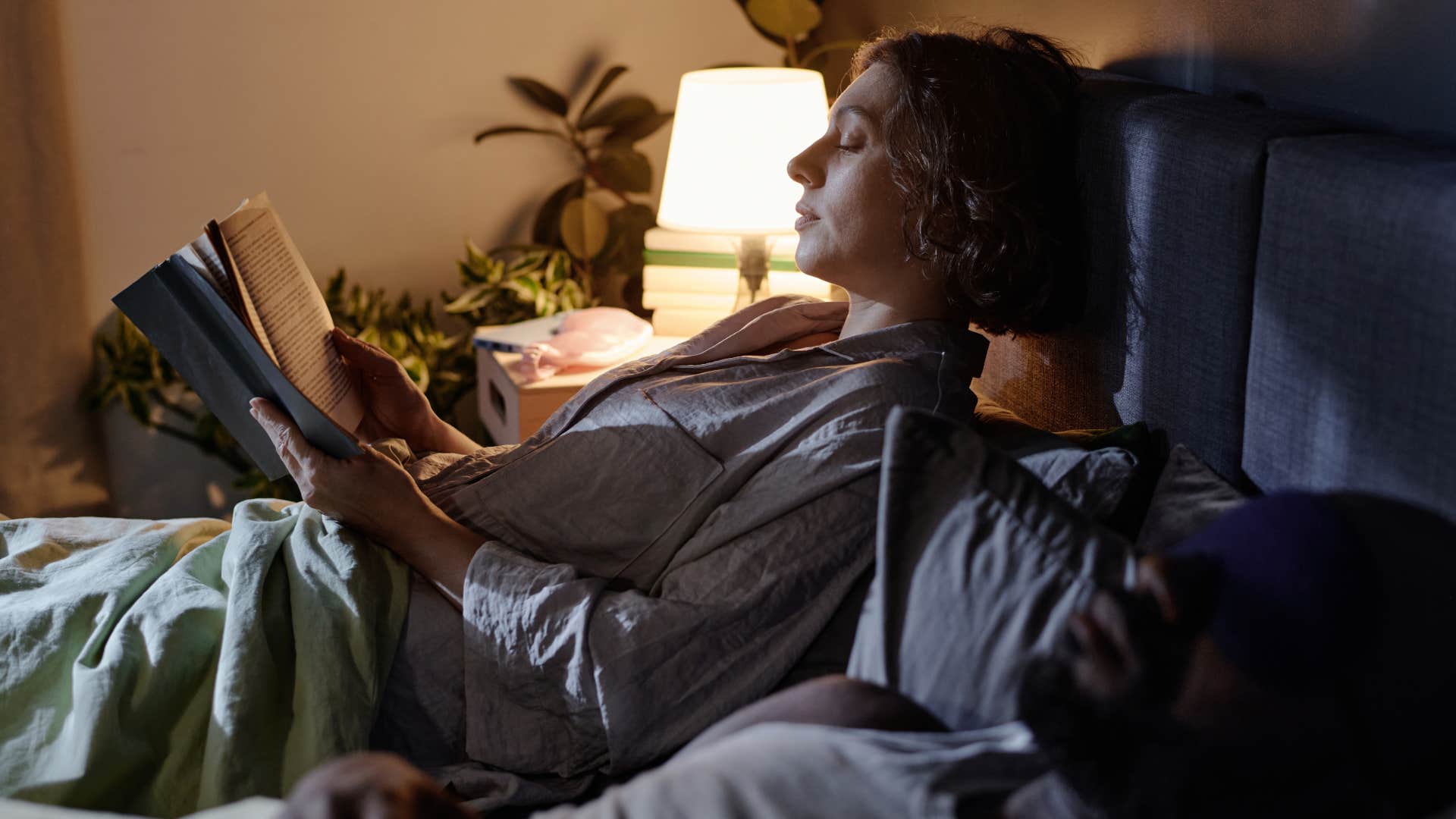
12. They allow each other solo downtime at night
 AnnaStills | Shutterstock
If you intend on waking up earlier, you’ll need to do this anyway, so you might as well make it enjoyable.
Leave your partner to watch their favorite show alone in the living room, and you take over the bedroom. Dim the lights and journal, read a book, or watch a movie on your own. Research by Sabine Sonnentag and Charlotte Fritz has found that relaxing leisure activities during personal downtime help people mentally detach from stress and recharge, which can improve overall mood and well-being.
13. They balance alone time with intentional time together
 GalacticDreamer | Shutterstock
Often in relationships, we mistake being frustrated with the time we’re spending with one another for being frustrated with one another. It’s not that we’re sick of being around each other; we’re just sick of being in each other’s space in a non-meaningful way.
When living with a partner, it’s essential to still have date nights or do couples activities in order to really enjoy each other's company, rather than just living like roommates. This also ensures that no one feels hurt or neglected when the other looks for alone time.
Alice Kelly is a writer based in Brooklyn, New York, whose work covers social justice, pop culture, and human interest stories.
