
11 Things Parents Did In The 70s And 80s That Accidentally Taught Kids Independence
 Elizabeth Rajchart / Shutterstock
 Parents in the 1970s and 1980s weren’t necessarily trying to raise hyper-independent children. In many cases, they were simply navigating busy schedules, fewer safety resources, and cultural expectations that kids would learn by doing. The result was a childhood that involved more freedom, more responsibility, and often far less supervision than what many children experience today.
Looking back, some of those experiences might seem surprising by modern standards. Yet developmental research shows that autonomy and real-world responsibility play a major role in building confidence and problem-solving ability. Many kids from that era developed independence not because their parents were intentionally teaching it, but because everyday life required it.
These are 11 things parents did in the 70s and 80s that accidentally taught kids independence
1. Letting kids roam the neighborhood for hours
 FamVeld / Shutterstock
For many families in the ’70s and ’80s, once kids finished their homework or chores, they headed outside and stayed there until dinner or sunset. Bikes, sidewalks, empty lots, and nearby parks became the setting for entire afternoons of exploration.
Parents usually had a general idea of where their kids might be, but constant check-ins weren’t part of the routine. Developmental psychologists often point out that unstructured outdoor play builds both confidence and social skills. Kids had to negotiate rules, solve disputes, and navigate small risks without adult intervention. Over time, those experiences helped them trust their own judgment. The freedom felt normal then, but it quietly built independence.
2. Expecting kids to solve their own minor conflicts
 New Africa / Shutterstock
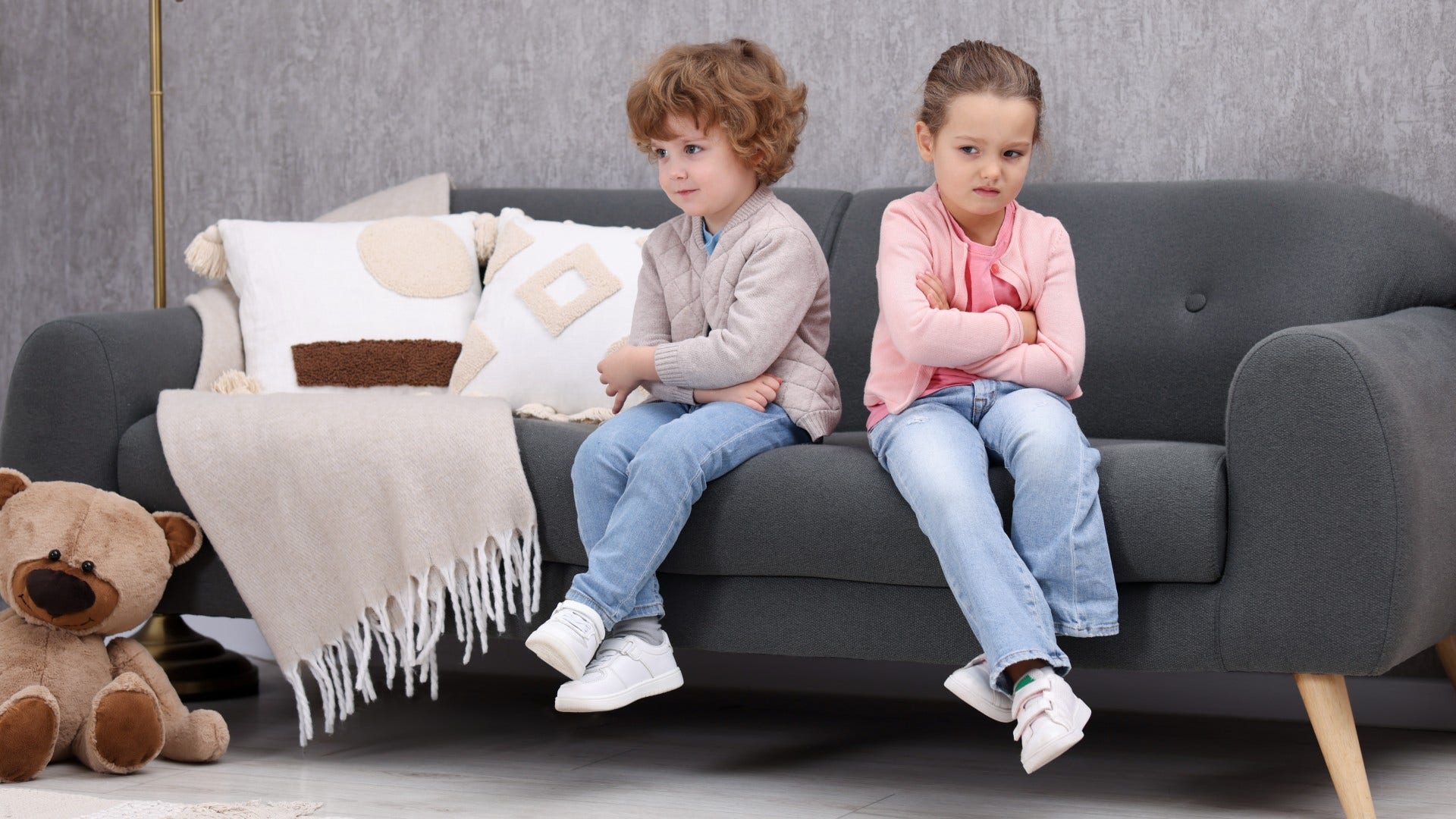
If two kids argued over a game, a bike, or whose turn it was, adults often stayed out of it unless things escalated dramatically. Parents typically encouraged kids to work it out rather than stepping in immediately. Learning to negotiate disagreements early helps children build stronger communication skills later.
Without an adult referee, kids had to figure out a compromise on their own. They experimented with fairness, persuasion, and sometimes trial and error. While those moments could be messy, they also taught resilience. By adulthood, many people who grew up that way felt comfortable handling interpersonal tension without panic.
3. Assigning real household responsibilities early
 Evgeny Atamanenko / Shutterstock
Many kids from that era had regular chores that genuinely mattered to the household. They weren’t symbolic tasks meant only to teach discipline. Cooking simple meals, watching younger siblings, mowing the lawn, or helping with errands were common expectations.
Meaningful contribution strengthens a child’s sense of capability. When kids know their effort actually helps the family function, they take the role more seriously. Those responsibilities gradually build confidence in handling everyday tasks. By the time they reach adulthood, many of those skills feel second nature.
4. Allowing kids to walk or bike places alone
 Volodymyr TVERDOKHLIB / Shutterstock
Walking to school, biking to a friend’s house, or running small errands independently used to be normal parts of childhood. Parents often expected kids to navigate their neighborhood safely without constant supervision.
Early experiences with navigation and independence strengthen spatial awareness and decision-making. Kids had to pay attention to their surroundings and manage their own timing.
If they took a wrong turn, they figured out how to correct it. Those small journeys created a sense of ownership over their environment. The confidence that came from getting somewhere on their own often carried into adulthood.
5. Expecting kids to entertain themselves
 StockImageFactory.com / Shutterstock
Boredom wasn’t treated as an emergency. When kids complained that they had nothing to do, parents frequently responded with a version of “You’ll figure something out.” That simple expectation often led to imaginative play, backyard experiments, or creative projects.
Unstructured time can stimulate creativity and independent thinking. Without constant entertainment, kids had to invent their own activities. That process built resourcefulness. Over time, they learned that boredom was temporary and solvable.
6. Leaving kids in charge for short periods
 AnaLysiSStudiO / Shutterstock
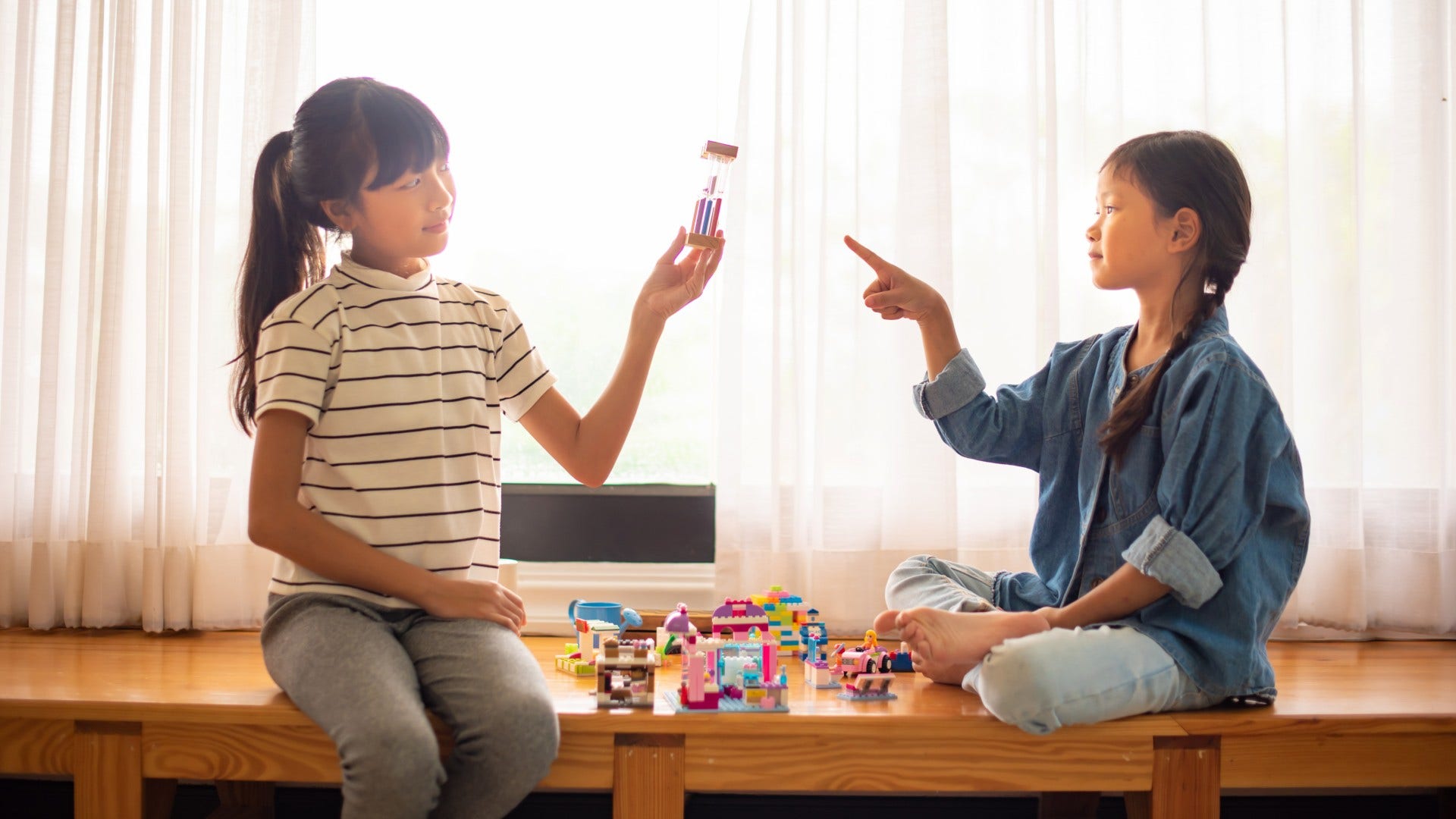
Older siblings often found themselves responsible for younger ones while parents ran errands or worked late. Even short stretches of being in charge required awareness and decision-making.
Moderate responsibility can strengthen maturity and confidence when expectations are clear. Kids learned how to handle small emergencies, make simple meals, or enforce basic rules. Those moments weren’t always easy, but they provided early leadership experience. By adulthood, many of those children felt comfortable stepping into responsibility quickly.
7. Letting kids make small mistakes without rescuing them
 Inside Creative House / Shutterstock
If a child forgot homework or spent allowance money too quickly, the consequences often played out naturally. Parents were less likely to intervene immediately to smooth things over.
Learning from mistakes can be one of the most powerful forms of instruction. Kids experienced the direct results of their decisions. While frustrating in the moment, those experiences taught accountability. Over time, they developed stronger decision-making skills.
8. Expecting kids to communicate directly with adults
 fizkes / Shutterstock
Calling a friend meant dialing the house phone and speaking with their parent first. Ordering food at a restaurant or asking a teacher for help was often the child’s responsibility.
Early practice speaking with adults helps build confidence and social competence. Kids learned how to introduce themselves, ask questions politely, and navigate small interactions independently. Those skills became increasingly valuable later in life. They also reduced social anxiety in unfamiliar situations.
9. Giving kids freedom to explore hobbies on their own
 New Africa / Shutterstock
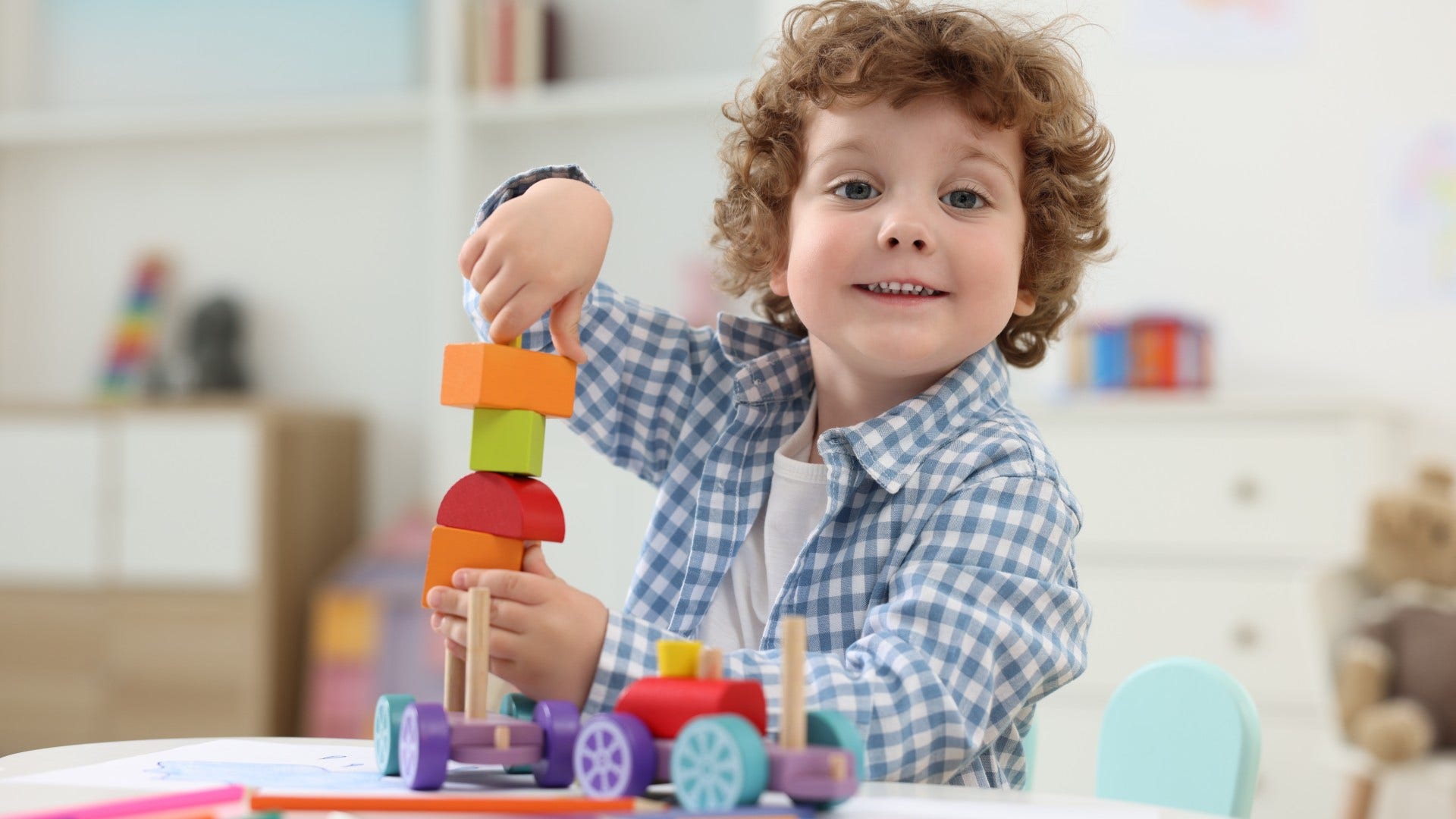
Instead of highly structured extracurricular schedules, many kids experimented with interests informally. They tried building things, learning instruments, or starting small projects simply because they were curious.
Self-directed exploration strengthens intrinsic motivation. Without constant supervision, kids followed their interests naturally. Some of those hobbies faded quickly, while others developed into lasting passions. The important lesson was that curiosity belonged to them.
10. Trusting kids to handle small responsibilities outside the home
 In Green / Shutterstock
Running to the corner store with a few dollars, picking up groceries, or delivering a message for a neighbor were common errands. Parents trusted kids with tasks that required basic judgment and accountability.
Studies on autonomy development suggest that early trust strengthens self-confidence. When adults demonstrate belief in a child’s ability to handle responsibility, the child often rises to meet it. Those errands might seem minor, but they reinforced capability. Over time, kids saw themselves as capable contributors rather than passive dependents.
11. Treating independence as normal rather than exceptional
 Prostock-studio / Shutterstock
Perhaps the most important difference was cultural expectation. Independence was simply part of growing up. Kids were expected to learn gradually how to manage themselves and their environment.
Developmental psychology consistently shows that expectations shape behavior. When children are trusted with responsibility, they often become more capable. The independence many adults remember from that era wasn’t always planned. It simply grew out of everyday life.
Sloane Bradshaw is a writer and essayist who frequently contributes to YourTango.
