
People Raised In The 60s, 70s & 80s Regularly Used 11 Phrases That Would Horrify Today's Parents
 yellow sarah | Canva
 From gentle parenting to helicopter habits from today's modern parents, things in the parenting realm have changed significantly; households have shifted, and there are several phrases people raised in the 60s, 70s, and 70s said often that would horrify today's Moms and Dads. Whether the rare use of these phrases is good or bad is an entirely different discussion, but for now, it’s simply reflective of these transitional times.
Parents raised in the 60s, 70s, and 80s regularly used these now-rare phrases:
1. ‘Make yourself dinner’
 fizkes / Shutterstock
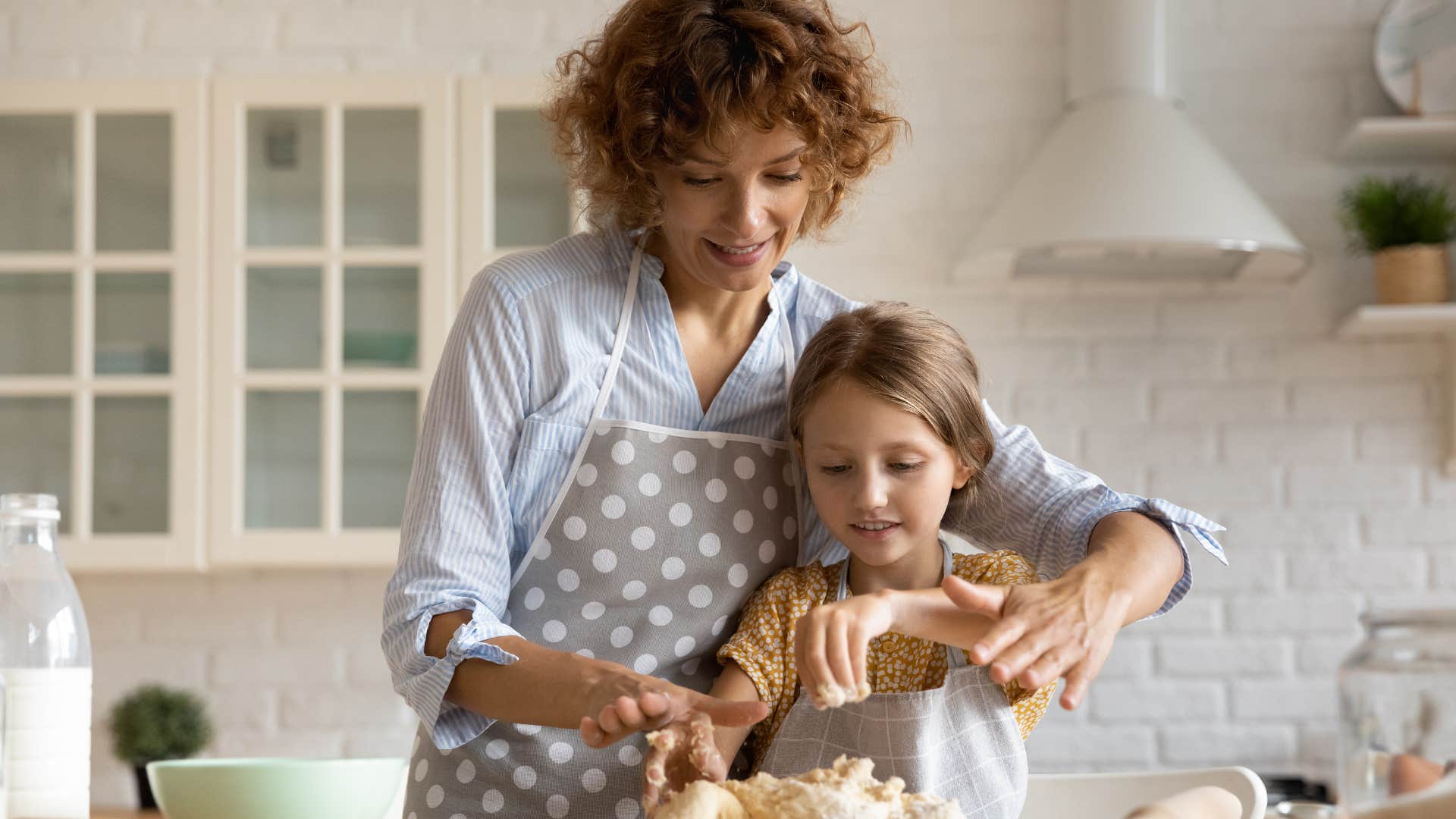
Margaret Nelson’s book Parenting Out of Control: Anxious Parents in Uncertain Times argues that modern parents are far more overprotective of their children than they were just a few decades ago. From rising technological safety risks to an over-saturation of scary headlines online, parents are grasping onto whatever control they have to protect their kids — even if that means forbidding sleepovers or taking on the burden of always making dinner.
Younger parents, specifically Gen-Z and Millennials, also report they’re more cognizant of health and wellness risks than their parents were, and therefore more likely to take protective steps — from prioritizing nutritional organic foods to taking a slew of vitamins to combat the lack of nutrition in fast food and other convenient options. If they can protect their kids simply by making dinner, they’ll spend the extra time doing just that.
2. ‘Rub some dirt on it’
 DimaBerlin / Shutterstock
In a similarly protective fashion, many parents today are more cognizant of protecting both their children’s emotional and physical health. While kids might not have been literally “rubbing dirt” on their wounds in the 60s, 70s, and 80s, their pain was largely dismissed by phrases like this one.
“Toughness” is no longer defined, at least in many modern parenting styles, by ignoring pain and wearing a mask, but rather by openly communicating your emotions and working through them. Not only does this shift help to craft a healthier family dynamic, but it simultaneously promotes better connections and emotional stability in kids for the long-term.
3. ‘Finish what's on your plate’
 Wutzkophoto / Shutterstock
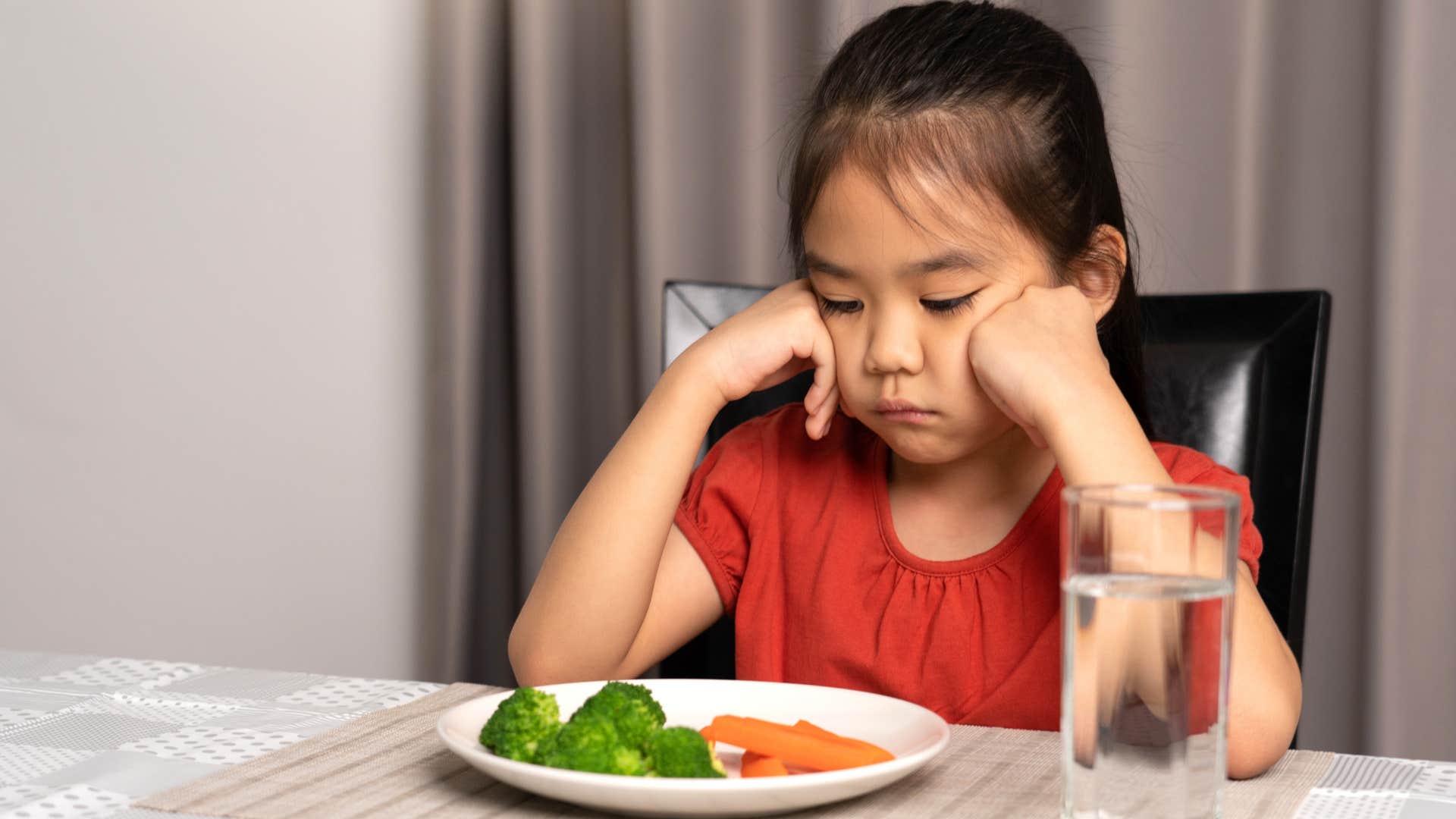
As dietician Katherine Metzelaar argues, old-school phrases from the 60s, 70s, and 80s that urged children to clear their plates and finish all of their food promoted toxic, guilt-ridden, and anxiety-inducing food habits and mentalities that followed many kids into adulthood. Sparking long-term eating disorders and other maladaptive eating behaviors, these old parenting phrases have now been swapped with mindful practices like “listening to your body.”
Promoting healthy eating habits in kids starts with being a role model, according to dietician Grace Fjeldberg, which includes making them feel empowered to make their own food choices, eat in a safe environment, and openly talk about food without feeling shame or judgment.
4. ‘Get home before the streetlights turn on’
 ORION PRODUCTION / Shutterstock
While the book Balanced and Barefoot argues that the kind of outdoor, unrestricted play many older generations of children experienced in the 60s, 70s, and 80s is extremely helpful for developing autonomy, it’s not nearly as accessible for kids today.
Outside of infrastructure changes that make safety a concern in rural neighborhoods and low-income communities, many kids are now too invested in their extracurricular activities and technology to go outside. Especially for younger kids post-pandemic, their social skills are often struggling, making it difficult to make new friends, find spaces for connection, and invest in unrestricted play.
5. ‘You can ride in the back of the truck’
 Prostock-studio / Shutterstock
While it may be self-explanatory, this phrase from the 60s, 70s, and 80s still illuminates a major generational gap between modern-day kids and their counterparts from just a few decades ago: nobody is letting their kids ride around in the back of a truck or station wagon anymore. Not only is this a clear safety hazard that younger parents aren’t willing to risk, but it’s also illegal in many states.
6. ‘I’ll give you something to cry about’
 wavebreakmedia / Shutterstock
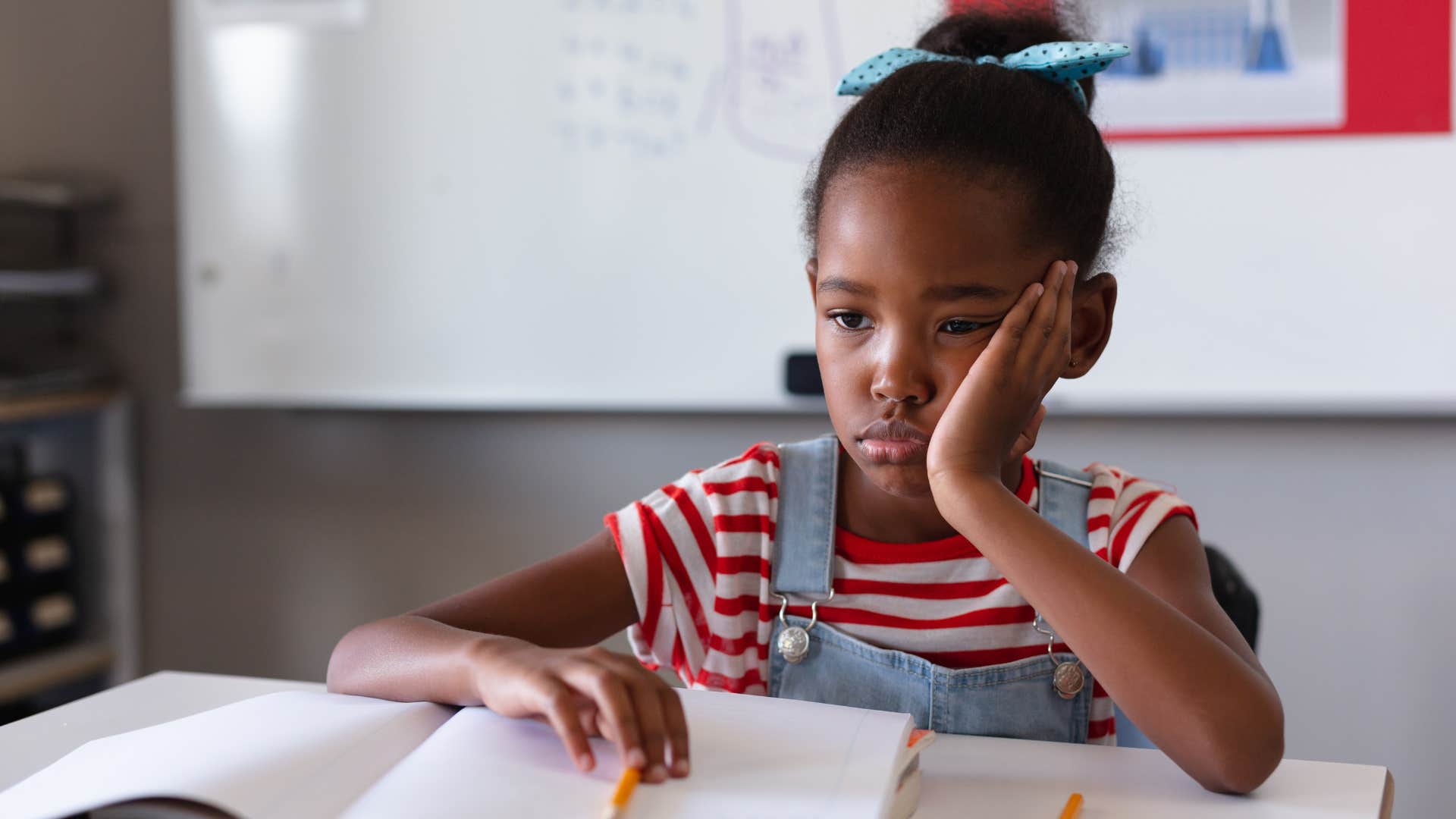
Psychologist Dr. Stuart Ablon argues that “fear-based” approaches to parenting not only jeopardize the health and longevity of parent-child relationships, but instill a sense of anxiety into their kids that often follows them into adulthood.
While the passivity of an old-school phrase from the 60s, 70s, and 80s like this wasn’t always intentionally malicious in practice, the nature of the threat always served as a means to reassert a parent’s control — taking away children’s autonomy as humans and making them inherently inferior. Modern-day parenting is largely focused on acknowledging and celebrating, sometimes to a fault, their children’s emotions, rather than dismissing them.
7. ‘Don’t call unless the house is on fire’
 Prostock-studio / Shutterstock
Space between parents and their children is important, not just for sparking individuality, but also for allowing people to protect their own mental health by having time to recharge alone. For parents, this might look like hiring a babysitter for date night, a situation that would’ve been accompanied by the use of this old-school phrase from the 60s, 70s, and 80s just a few decades ago.
U.S. Census surveys reveal that the infrastructure of homes has shifted to accommodate more space for families, so why wouldn’t asserting that boundary still be used, with a phrase like this, in a time so devoted to protecting individual identity? Many people argue this phrase dismisses children’s needs, urging them to only bother their parents when there’s a physical danger rather than a more emotional one. The subtext of a phrase like this was always, “Don’t call us if you miss us. Don’t call us if you’re sad; only if you're in immediate danger.”
8. ‘Here’s a dollar to get a treat’
 FamVeld / Shutterstock
Convenience store prices rose by nearly 15% in 2023 alone. The infrastructure of many cities often doesn’t encourage walkable routes, especially for children to venture out of the house safely. Wages have been relatively stagnant and insufficient for many parents, especially over the last decade, accounting for a great deal of financial insecurity in households across the country. Having a spare dollar no longer means you have the luxury of sending your kids out for a treat — it's not enough to buy anything!
9. ‘You can walk home by yourself’
 Zivica Kerkez / Shutterstock
While research suggests kids are ready to walk to school alone when they're around 10 years old, the majority of parents today are too concerned with safety to allow them to do that. In 2009, only 13% of children walked to school alone in the United States, and that percentage has continued to dwindle in recent years. There's still a great deal of debate over the true risks for children venturing out of the house alone, given that many believe the trend towards being overly protective is simply a consequence of parents seeing scary, often exaggerated stories in the media.
10. ‘Kids should be seen, not heard’
 Prostock-studio / Shutterstock
While there were surely other ways parents emotionally supported their children back in the 60s, 70s, and 80s, this is one of the phrases parents said that is basically obsolete. An active dismissal of open communication skills and emotional support that defines a healthy family dynamic, this old-school phrase only does more harm than good.
11. ‘You brought this on yourself’
 Dikushin Dmitry / Shutterstock
It’s important to always grant children their autonomy, especially in a family environment where they’re not actively venturing out on their own or engaging in unrestricted play, but a phrase like this is usually only blame-shifting. Parents who fail to take accountability for their children’s struggles negatively affect their self-esteem. Support your kids' emotions, give them space to communicate, and take accountability when you can — you’re not just helping the health of your household, but the future of your children’s relationships, too.
Zayda Slabbekoorn is a senior editorial strategist with a bachelor's degree in social relations & policy and gender studies who focuses on psychology, relationships, self-help, and human interest stories.
