
Parents Who Say 10 Phrases Often Usually Raise Pretty Spoiled & Entitled Kids
 antoniodiaz | Shutterstock
 The words a parent uses around their child has a direct impact on how they form their personality, and create values for how they treat others. After all, engaging with young children is so important for their brain development. Parents are explicitly told that the more they talk to their children, the better it is, which is why certain language has the power to raise a compassionate child, the same way it can create a spoiled one.
Parents who say specific phrases often usually raise pretty spoiled and entitled kids. Even the most well-meaning parents can end up saying things that start to affect how a child thinks about responsibility and resilience. There are always other influences that can end up making kids think that things should just be handed to them, but it's the environment their parents are cultivating for them.
Parents who say 10 phrases often usually raise pretty spoiled and entitled kids
1. 'You deserve it just because you want it'
 pics five | Shutterstock
The most important thing kids can be taught from their parents is the power of being patient. Patience is the tool that kids need in order to know they shouldn't just give up on something just because it's hard, and also how to better interact with their peers.
But when parents are telling their children they can have something just because they want it, they quickly learn that being patient is irrelevant. Instead, things should just fall into their lap without them having to wait around for it, and this can create a spoiled, entitled child as a result.
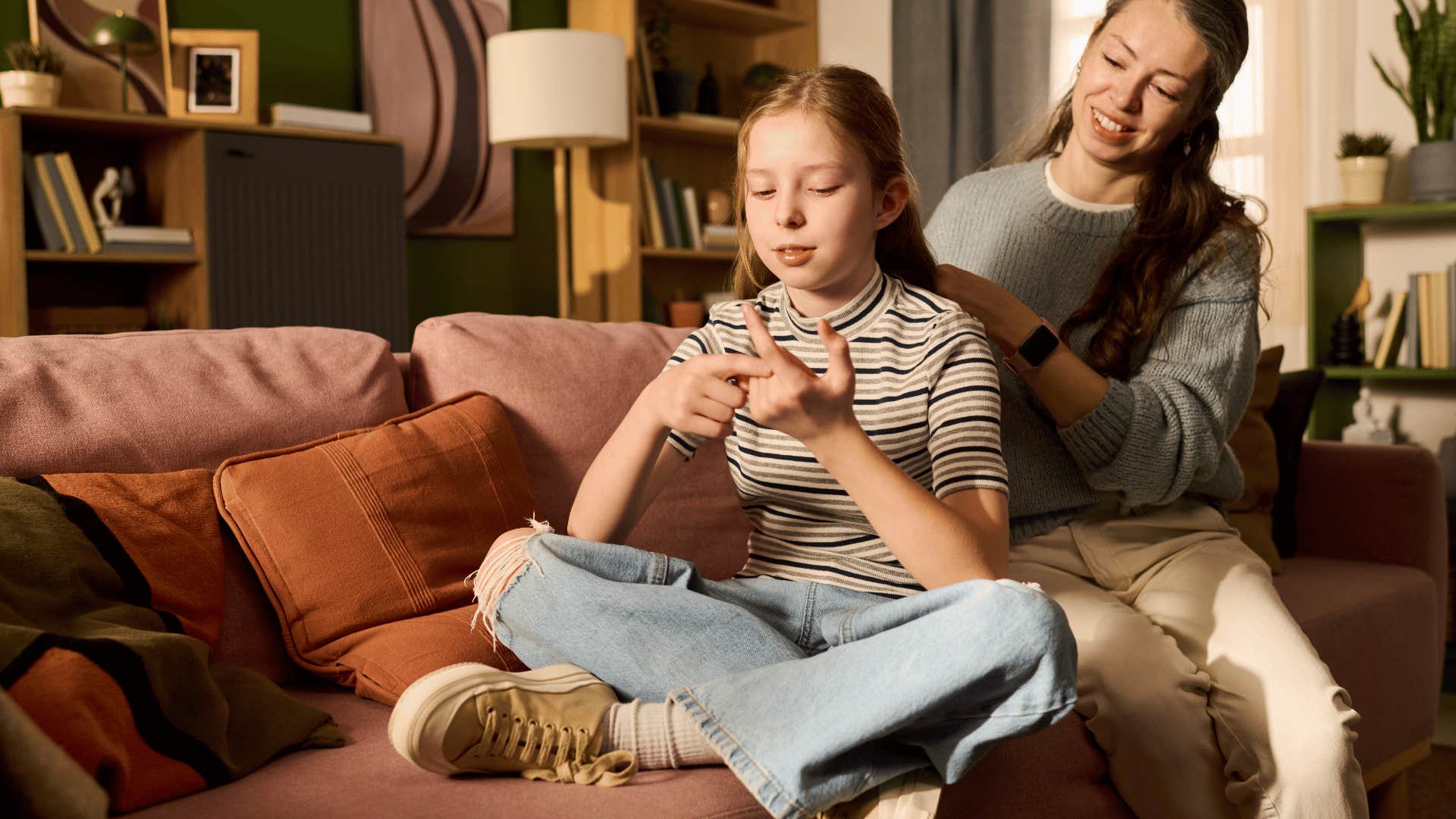
2. 'Don't worry about the rules, just do what makes you happy'
 Media_Photos | Shutterstock
Rules exist for every single person, so when kids are being told they can just ignore them altogether and do whatever they want, that's doing them a major disservice. They will eventually get older and realize they can't just do whatever they want all of the time.
Kids need to learn valuable social skills, like empathy and the power of collaborating. But that can't happen if they're told that rules don't exist for them. Every parent wants their kids to do what makes them happy, but there's a limit between preaching that and also letting them know they can be happy while following the rules.
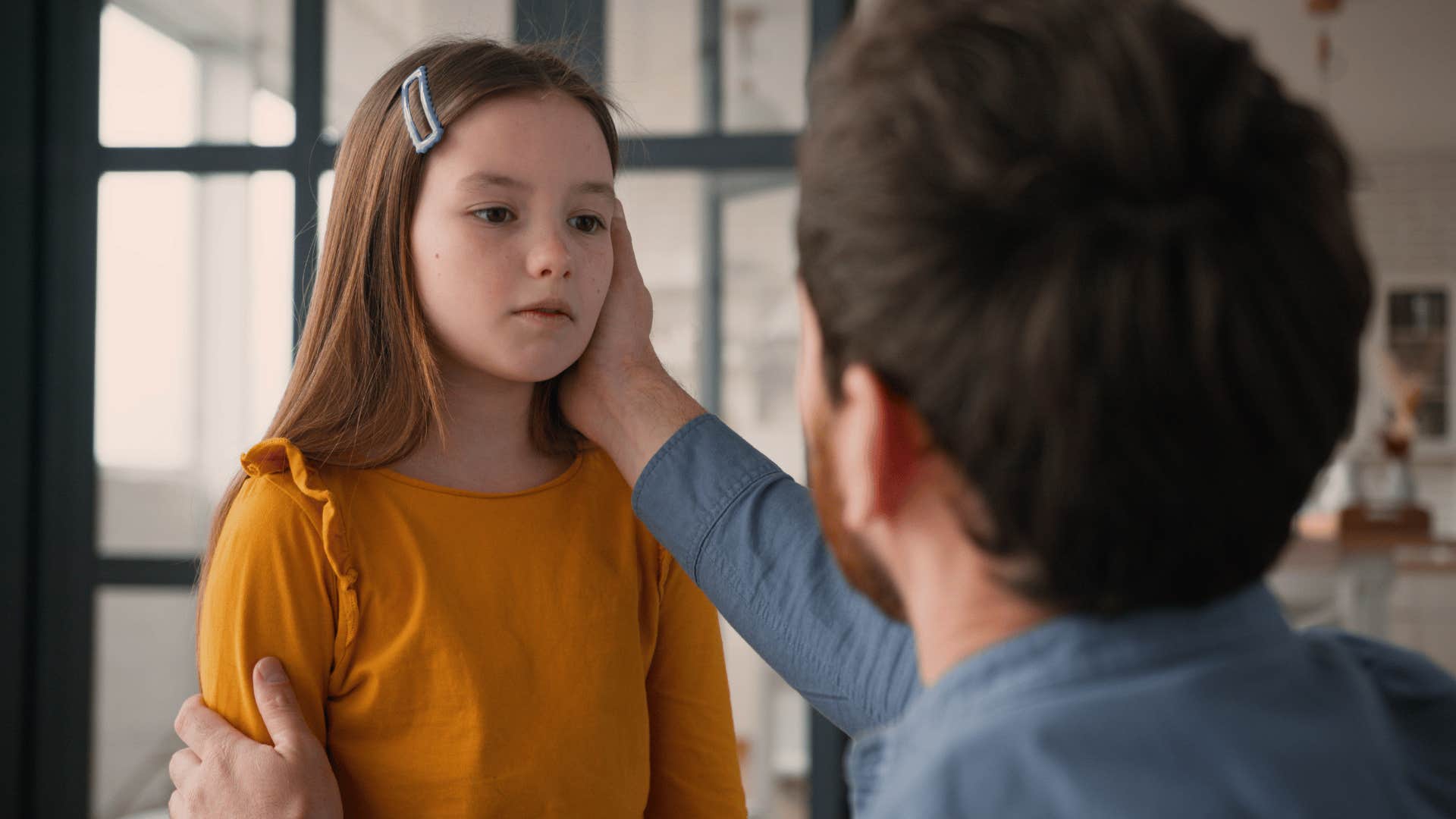
3. 'You don't have to apologize if you didn't mean it'
 MAYA LAB | Shutterstock
Children should be learning that it's healthy to repair relationships, even if they don't really think they did anything wrong. The second that someone's feelings are hurt, kids should know that the right thing to do is apologize.
Even if their intention was never to hurt someone, the result was still the same. Not only is it something they need to know in order to have connections with people, but it will also help them receive forgiveness from others.
4. 'I'll just fix it for you, don't worry about trying'
 Liderina | Shutterstock
While there are some instances where kids need help fixing a mistake they've made, parents shouldn't just delegate themselves that task every single time. Telling kids they don't need to worry about trying completely misses the point that they should learn the importance of fixing a failed attempt at something.
It means kids become capable of not only being able to problem-solve, but will also learn the importance of resilience. They become self-sufficient as they get older the more times they're allowed to actually get in there and mend a mistake. But when their parents are just telling them they don't need to, it defeats the whole purpose of learning independence.
5. 'You're better than everyone else'
 DimaBerlin | Shutterstock
There's a difference between building up a child's confidence and raising them to believe they are so much better than anyone else they encounter. When they're being told by their parents that they're just superior in all areas, it not only makes them think they exist on this pedestal, it also makes it harder for them to learn from others.
It makes them afraid of failing because they've heard their whole life how "special" they are. That means they turn into adults who become perfectionists who have meltdowns the second something doesn't reflect this superiority they've been told all their lives.
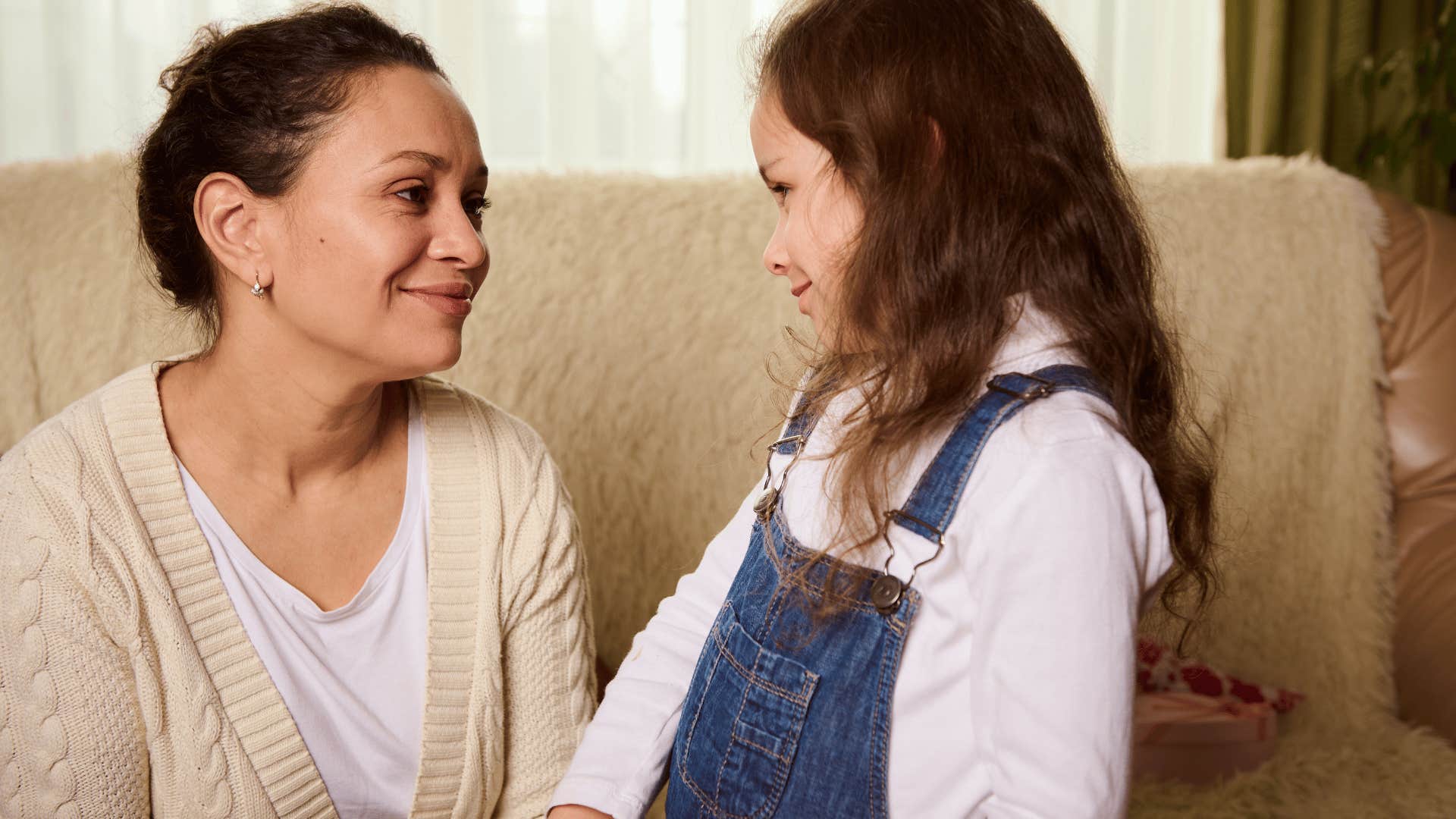
6. 'Don't worry about saying thank you'
 Taras Grebinets | Shutterstock
The basic etiquette skills that kids should be learning from their parents is the power of gratitude and being able to acknowledge when someone does a good deed for them. It also gives them the skills to approach situations with empathy and reduces feelings of entitlement.
But when they're told that saying "thank you" isn't a requirement at all, they miss out on being able to appreciate receiving help from others. They become ungrateful and can come across as spoiled because they aren't willing to have any sense of compassion for things being done for them.
7. 'You don't have to try if it's hard'
 DimaBerlin | Shutterstock
In life, there will be so many moments where things are challenging, but the only way to actually get to the other side is going through it. The second things get hard, giving up may not be the actual solution to the problem. In fact, it can sometimes make things worse.
While pushing kids too hard can cause them to retreat inward and become resentful, teaching them resilience is essential. Because when kids hear that they don't have to try something if it's hard, they quickly learn that giving up is much better than actually being able to hold themselves accountable when the going gets tough.
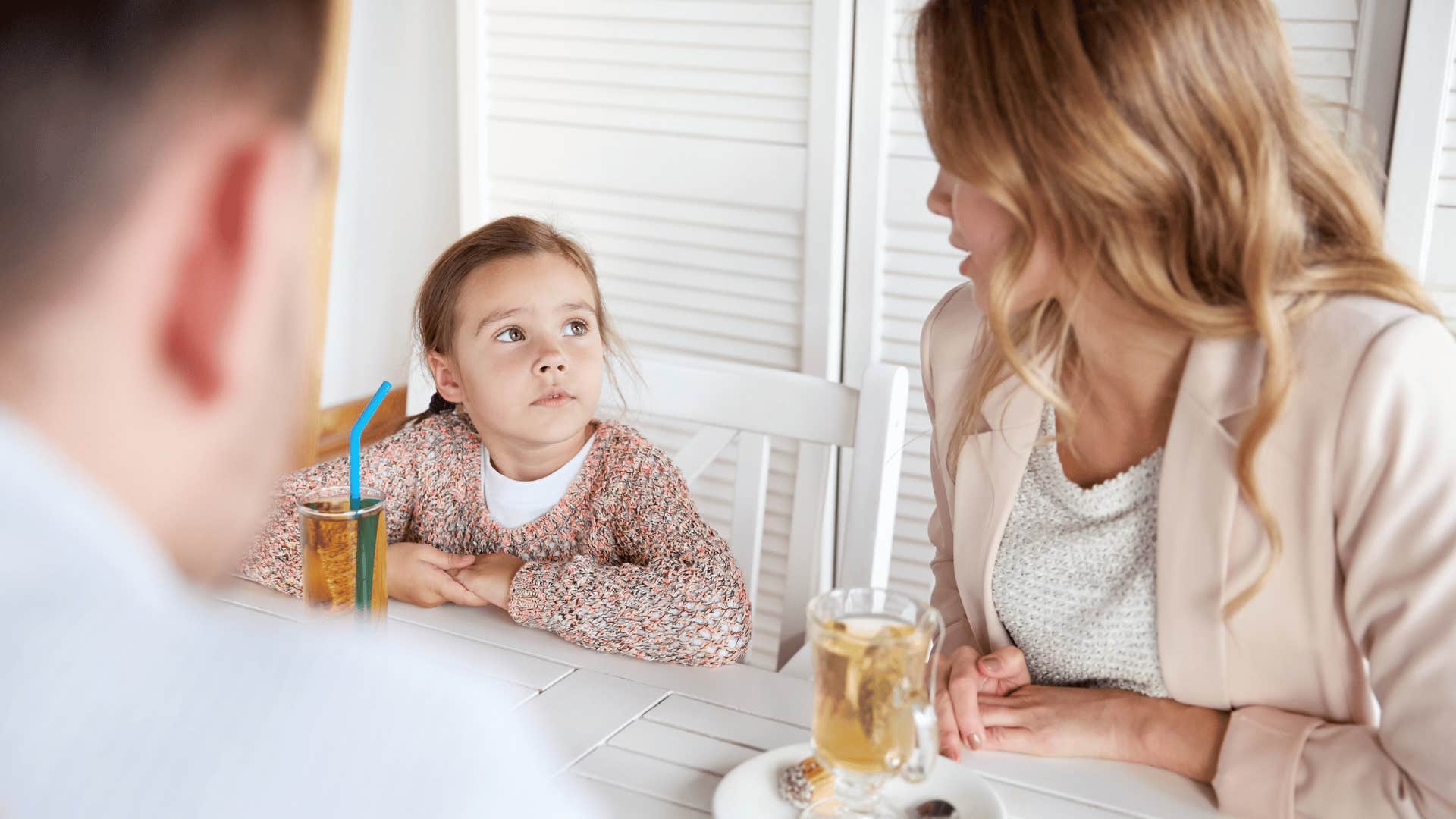
8. 'Don't listen to anyone who disagrees with you'
 Ground Picture | Shutterstock
When kids are being told they don't need to listen or be around anyone who doesn't agree with them, it means they start believing that disagreement is always disrespectful. They aren't being given the tools to actually appreciate a healthy discussion.
As adults, they may start shutting down the second things start to turn into a debate and they only want to surround themselves with people who don't ask questions. But that does them such a disservice because they miss out on actually learning new things and having an open-minded personality.
9. 'Don't worry about what it costs'
 Miridda | Shutterstock
The issue with this phrase is that kids who aren't taught about money and the value of it end up feeling like they should have everything and anything no matter the cost. It makes it harder for them to understand that sometimes you need to wait for something.
At the same time, if they grow up without ever having to think about how much something costs, they end up struggling with their needs versus their wants. They have a hard time saving money because, in their mind, it's unlimited. It makes it difficult for them to actually appreciate things that took effort to be provided for them.
10. 'You don't have to share if you don't want to'
 VStock_A | Shutterstock
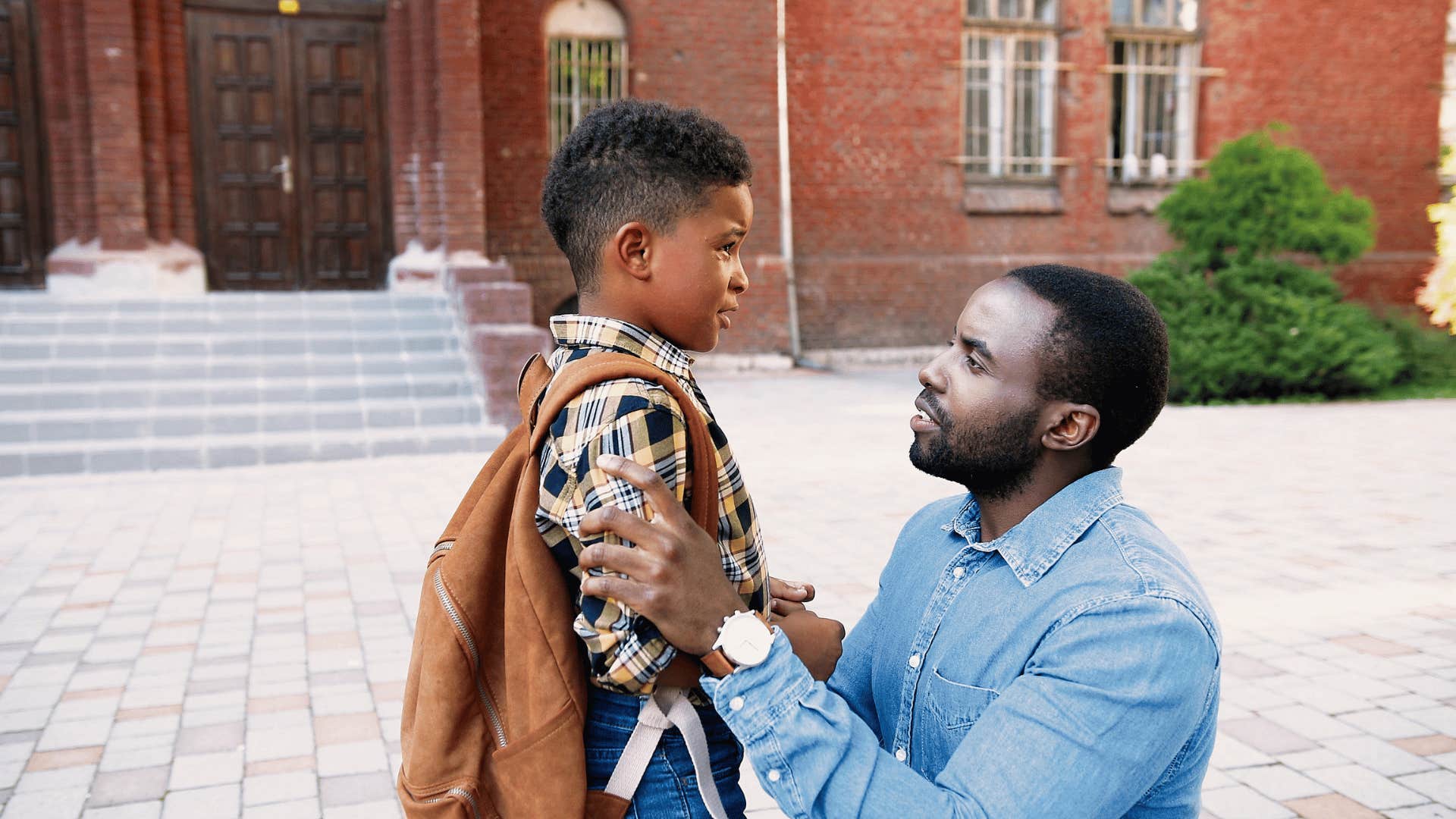
For young children especially, learning how to share isn't just about being generous. It's also about being able to learn how social situations work. If they're consistently told that sharing is optional, they start to treat it as something they rarely need to do.
It will eventually cause friction in the friendships they're trying to form with other kids, as well as the connections they make in adulthood. They never learn the importance of being able to compromise and take turns leading when the situation requires it. They end up struggling with how to exist in group settings, which can harm their social skills greatly.
Nia Tipton is a staff writer with a bachelor's degree in creative writing and journalism who covers news and lifestyle topics that focus on psychology, relationships, and the human experience.
