
Experts Say Kids Raised In The 60s And 70s Learned A Form Of Resilience Many Kids Today Don’t Naturally Develop
 Masson | Canva Pro
 Kids in the 60s and 70s had more time and space, and they ended up leveraging them to build mental resilience. As emerging adults, they helped craft a changing world.
An entire generation watched a sociopolitical movement question the course of history. Whether events were interpreted as good or bad depended on input from the society immediately around the kids to decide for themselves.
Most either chose to resist, picked up their parents' torches, or quietly stayed out of the way. Being under their own guidance left doors of opportunity open.
Limited by socially maintained constraints or privileged by entitled pedigrees, the kids of the 60s and 70s had the time and space to explore different options — and according to experts, that combination built a type of resilience that wasn't taught in workshops or rewarded with gold stars. It was earned through learning how to navigate discomfort without an adult stepping in.
Experts say kids who grew up in the 60s and 70s learned a version of mental resilience that children today don't naturally develop:
1. Kids in the 60s and 70s were bored long enough to know themselves
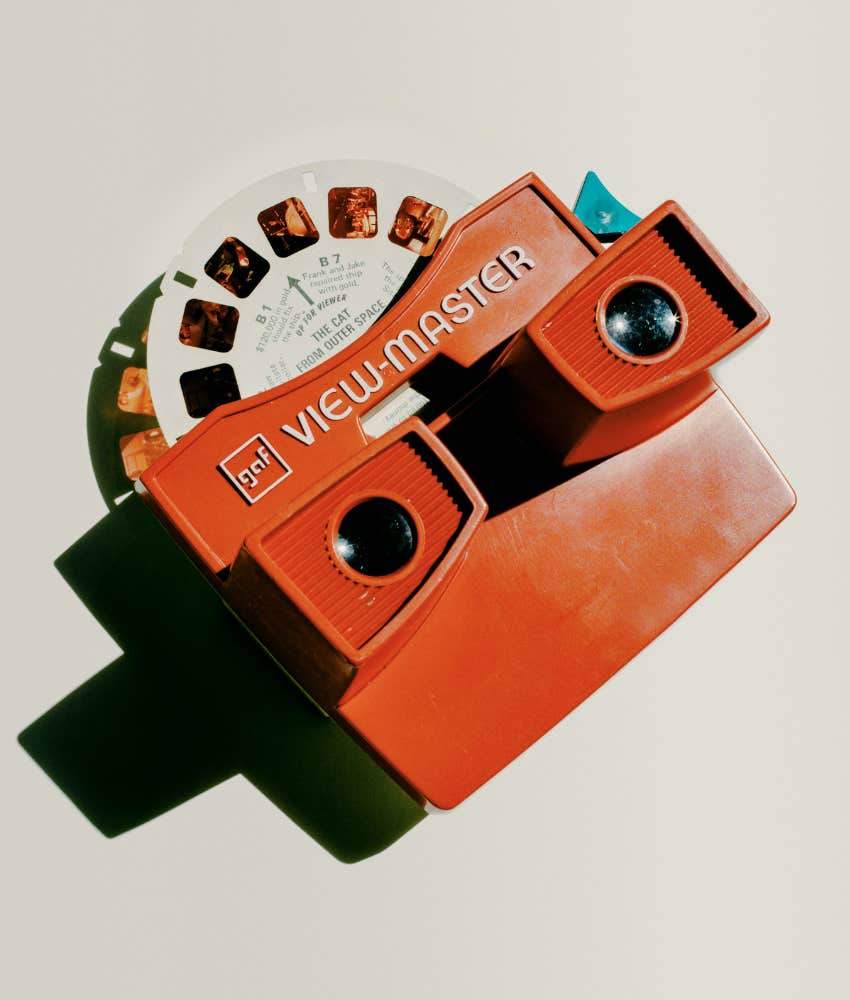 Photo by Girl with red hat on Unsplash
Boredom was a feature of life for kids in the 60s and 70s, who had nothing to do for hours at a stretch, recalls therapist Dr. Gloria Brame, Ph.D. No iPhones, no computers, and no parents hovering while trying to fix every problem for you. We usually had no supervision and no money unless we babysat or took part-time jobs.
I learned how boredom was still better than school. It was an invitation to find stuff that pleased me, not a group of stuffy elders. I could get lost in a book or wander to the school ball field to see if any friends were there. Boredom opened the door to hobbies, needlepoint, and learning chords on the guitar. I tried everything to find what I was best at, and, apparently, it was counseling my friends!
Walking in nature, exploring new places, and learning skills with your hands were how people made their way through life in the past. It still feels more organic, authentic, and deliberate than doom-scrolling and bed-rotting. A more natural life is a better life. And it starts with being willing to be bored long enough to discover what you actually love.
2. Kids in the 60s and 70s made choices with a sense of agency and independence
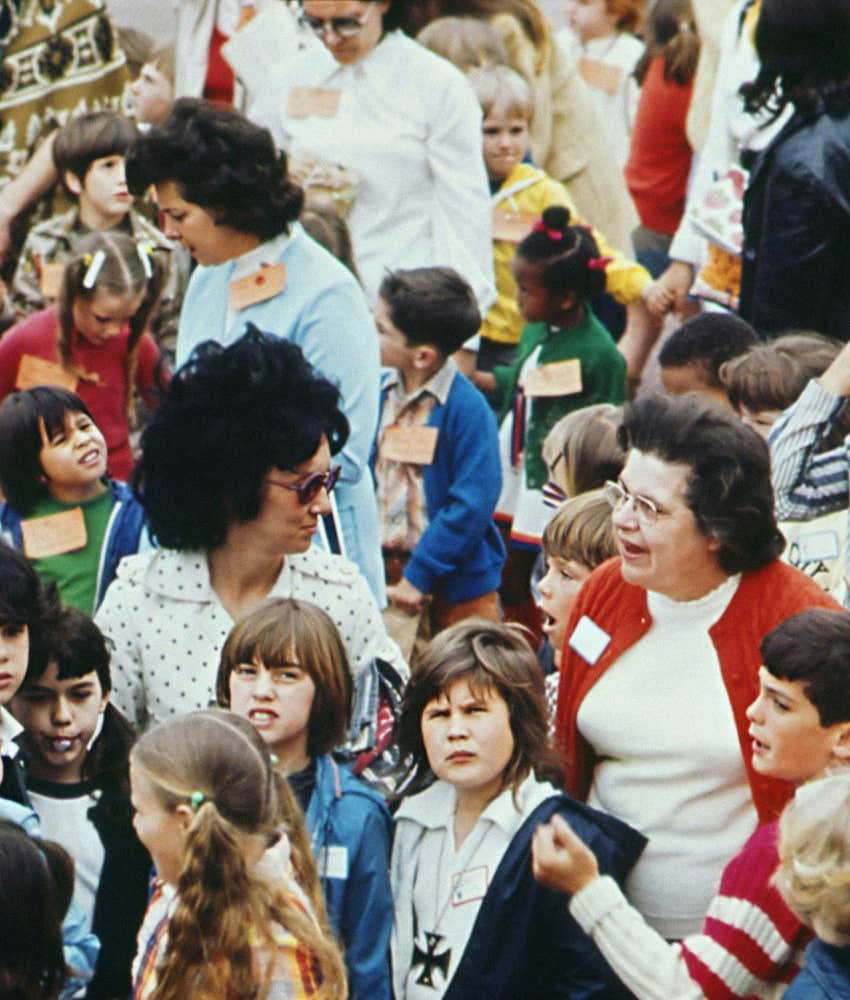 Photo by Documerica on Unsplash
Psychologist Dr. Aline P. Zoldbrod, Ph.D., remembers how parents in the 60s and 70s were way more likely to tell their children, “It’s your life, go live it. Whatever you do, it’s your decision. You make the choices. You can deal with the consequences.”
In essence, unless the parents were so neglectful that the child did not feel important at all, the freeing and optimistic message was, “Whatever you do, it’ll turn out all right.“ So kids felt more like the architects of their own lives, and they developed a sense of agency and independence.
Of course, it was still common for kids of the 60s and 70s to make decisions with their parents. But it was the kids' choice. Life wasn't as constricted. Parents had their own lives and weren’t joined at the hip to their kids.
Kids were growing up in an era where they hung out in groups that would meet in real life. The groups did some wild things, sometimes transgressive things. Being disobedient together in real life created an embodied sense of connection, freedom, and exuberance.
The overt control exerted today astounds many of us who grew up in a different era. But there is a price paid in the young person’s anxiety about making their own decisions going forward. This, in combination with so much of life being lived online, may be one of the reasons younger generations feel they lead such pallid lives by comparison.
Will Curtis is YourTango's expert editor. Will has over 14 years of experience as an editor covering relationships, spirituality, and human interest topics.
