
Kids Who Are Deeply Loved By Their Parents Usually Carry 11 Memories For Life
 PeopleImages | Shutterstock
 Many adult children already model the best lessons they learned from their parents and tend to accentuate the traits their parents praised them for. When kids are deeply loved by their parents, the depth of that love stays with them for life.
11 memories kids who were deeply loved by their parents usually carry the rest of their lives:
1. How you showed up for them
 PeopleImages | Shutterstock.com
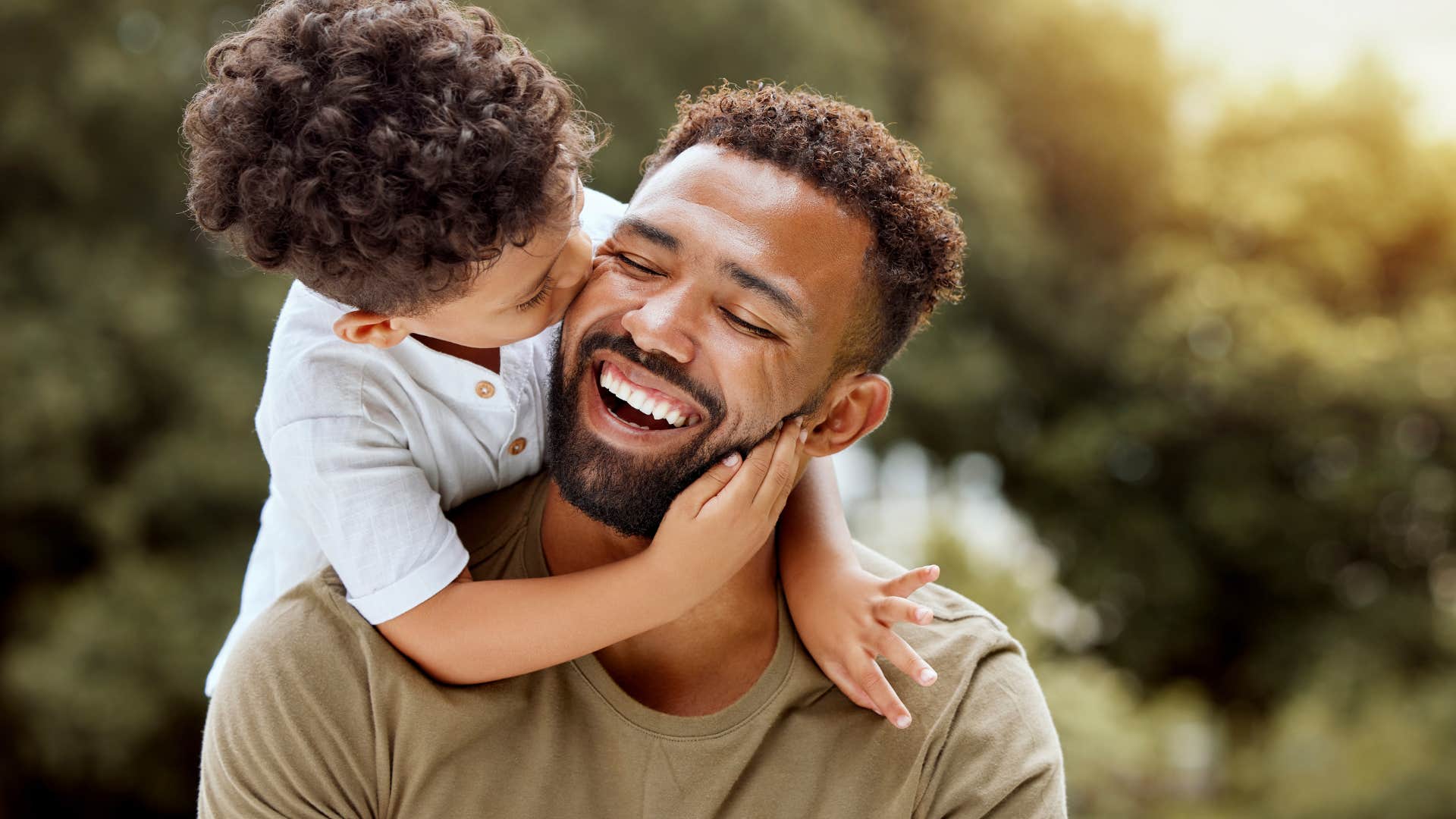
According to family psychology expert Dona Matthews, the quantity and quality of time spent between families are equally important to nourishing a healthy relationship, even into adulthood. Adult children remember how (and when) their parents showed up for them, helping them to feel more secure, loved, and valued in various aspects of their lives.
This kind of security plays into the attachment styles they adopt in their adult relationships as well. If you're a supportive and loving parent, chances are they're going to be constantly reminded of you in the health and well-being of their own adult relationships, even after you're gone.
2. Your laugh
 Fizkes | Shutterstock.com
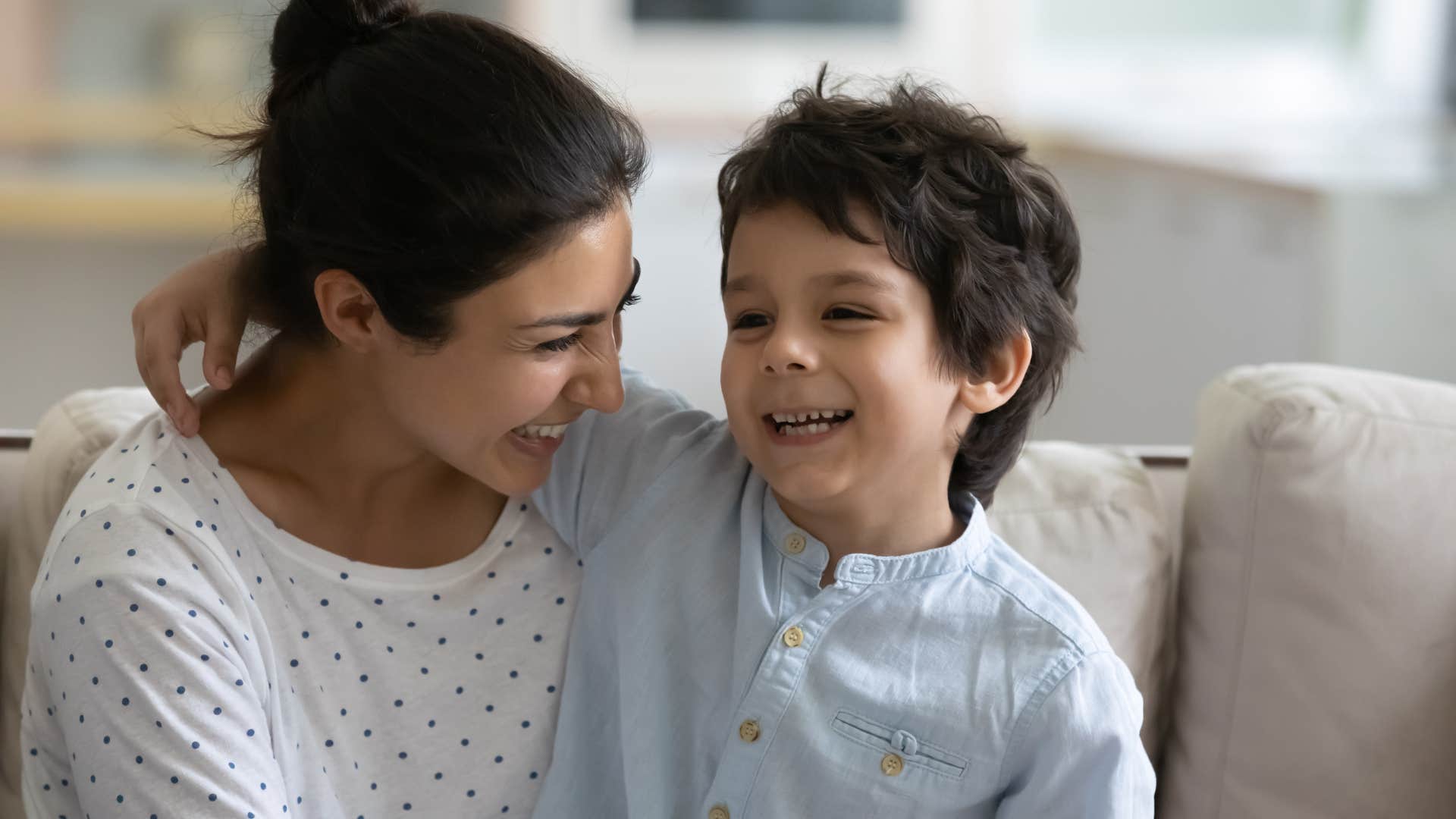
Carl Zimmer, author of She Has Her Mother's Laugh: The Power, Perversions, and Potential of Heredity, argues that while there's no definite research on the genetic nature of laughter, many people tend to inherit similar sounds and gestures of joy from their parents, especially when they grow up in the same environment.
Carrying that same manifestation of joy into their own adult lives, they're not only able to mirror a similar laugh as their parents, but even after they're gone, others can recognize and find solace in it.
Often, remembering the sound of someone's laugh is nearly impossible, but kids remember how they felt when their moms laughed, and it's a uniquely warm, joyful memory. Laughing together with your kids has to be one of life's greatest gifts to them.
3. The moments you protected them
 NDAB Creativity | Shutterstock.com
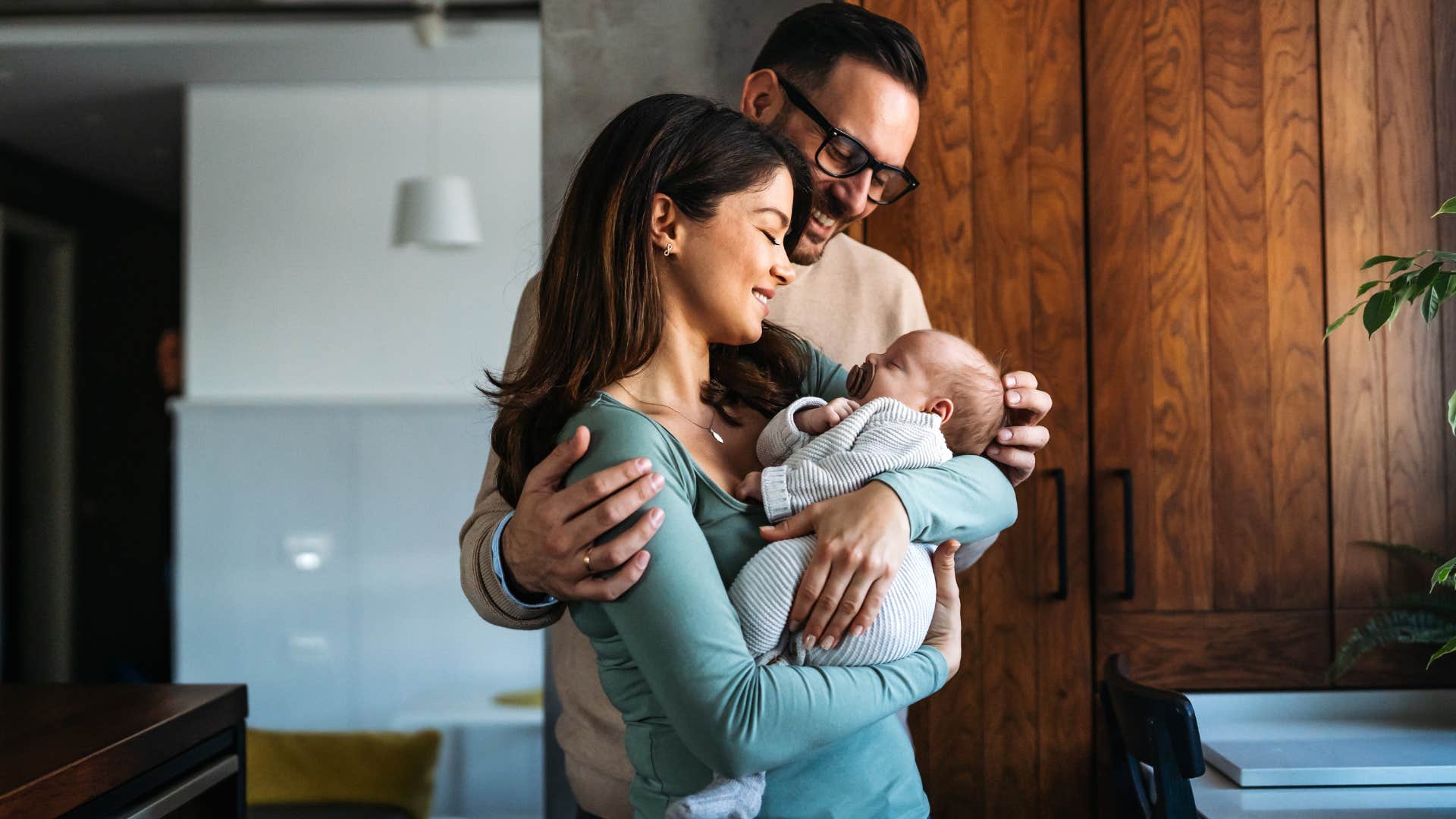
While there's certainly a healthy balance parents should find between protecting their children and shielding them from all of life's challenges, adult children tend to remember the aura of safety their parents cultivated growing up.
Setting healthy boundaries, even if they weren't well received at the time, showed your commitment to protecting them, not just from others but also from themselves. They didn't always like it, but as they grew and felt safe at home, they knew you had their back.
4. The way you listened to them
 Ground Picture | Shutterstock.com
It's easy for parents to fall into a toxic habit of assuming a one-sided relationship with their children, believing they should be entitled to their time, energy, and devotion to listening without returning the favor. A truly engaged parent finds a balance by genuinely listening to, supporting, and advocating for their kids without expecting a transactional return.
However, luckily for parents of adult children, family relationships tend to flourish in adulthood when healthy boundaries like these are preserved early in life.
Not only do adult children tend to carry those generational habits into their own families, remembering their parents' willingness to have open and honest conversations, they reap the benefits of having a loving parent through their daily habits, mindset, and with a comfortable self-esteem.
5. Your kind words and encouragement
 Pics Five | Shutterstock.com
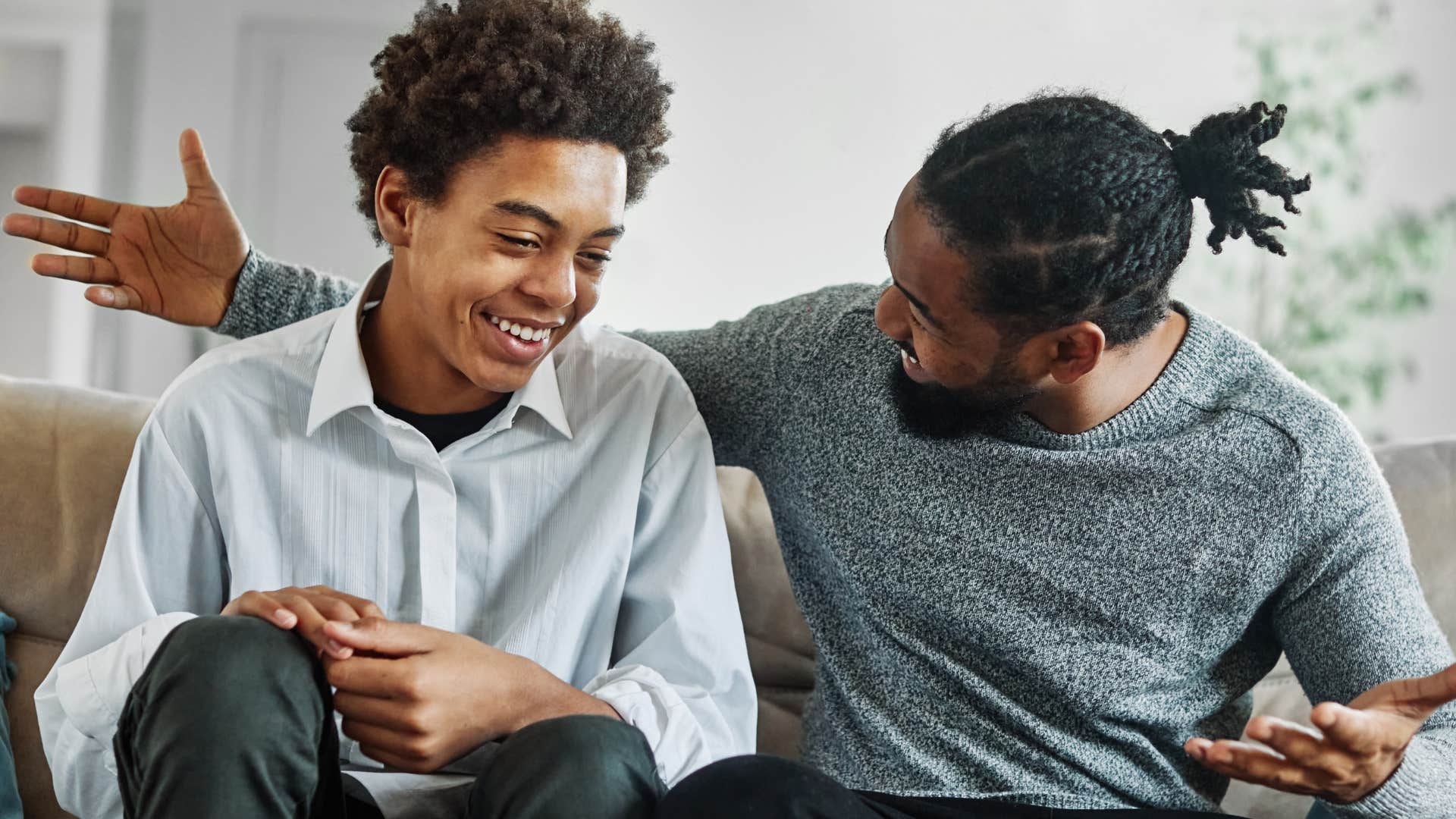
Experts from the Fairfax Department of Family Services argue that parents who commit to motivating their children with words of encouragement and praise, even amid small wins and successes, tend to cultivate a growth mindset in their kids. Into adulthood, these same adult children embody that growth mindset through their goals, daily habits, and general mindsets, that help to dismiss anxiety associated with change.
Even amid losing a parent, these adult children are influenced by this growth mindset. They commit to spending time grieving, but also moving forward, fueled by their parents' old words of encouragement and comfort.
6. The way you interacted with their partner and friends
 Fast-stock | Shutterstock.com
The way that parents accept and interact with their children's friends and parents is foundation to the way they connect with others. When their parents are open-minded and welcoming, they feel safe to interact with their own friends, express affection, and speak openly with their close relationships, even in the presence of their parents.
Similarly, like a study published in the journal Child Development suggests, a parent's personal friendships and relationships are equally important to crafting this comfort.
When a child sees healthy relationships and friendships in action amongst their close relatives, they're more likely to raise their standards to embody a similar kind of connection. This carries on even into adulthood, when those friendships or their parents are gone.
7. Your hobbies, interests, and favorite things
 Miljan Zivkovic | Shutterstock.com
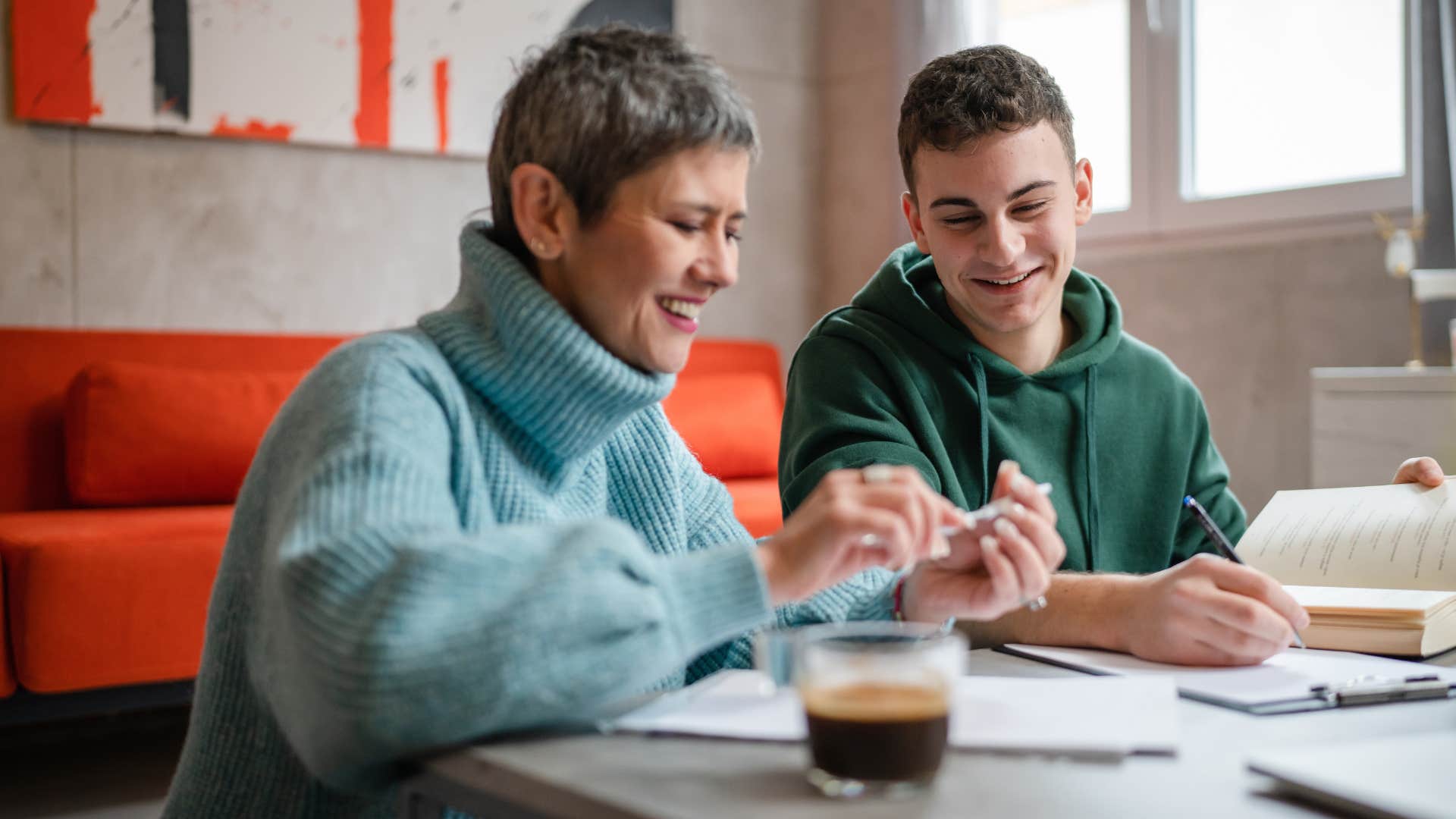
Investing in hobbies outside of work and family time is not only incredibly important for a parent's general well-being, it's also foundational for their children's health and well-being. By watching their parents invest into their own unique interests and hobbies, they'll find ways to craft their own, sometimes alongside their parents.
At the very least, when adult children start their own careers or families, they'll remember the way their parents carved out specific time for themselves, removing the stigma of taking alone time and advocating for your own needs, even when there's other people looking to you for comfort and support.
8. Your family traditions
 Fizkes | Shutterstock.com
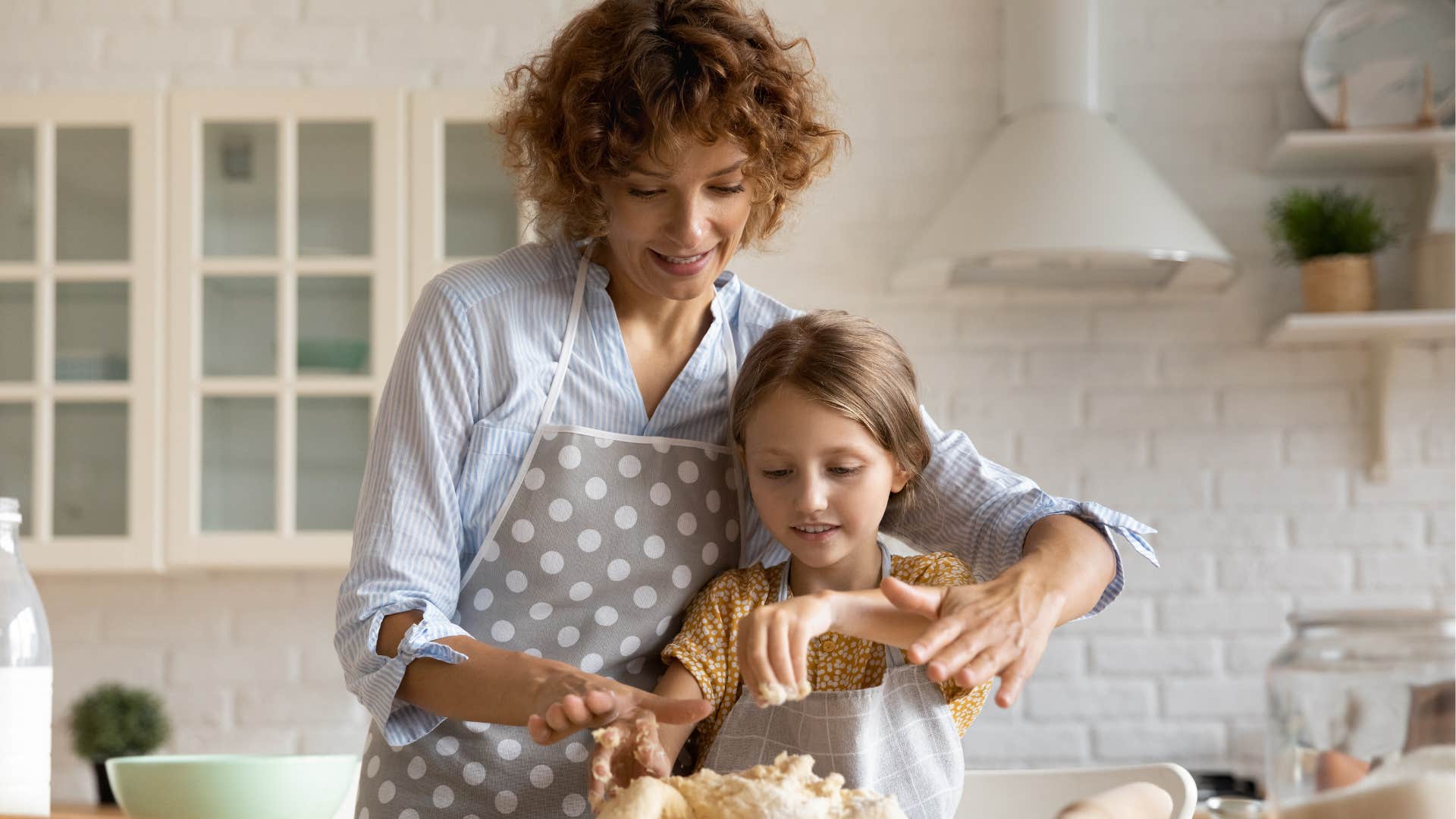
According to childhood development experts, family traditions don't just have the power to bond families and parents early in life, they also support a sense of genuine belonging. This helps kids learn their value in systems like friendships and families.
While they might seem insignificant at the time, something as simple as a Sunday family dinner or Friday taco night can have lasting impacts on adult children, even when their parents are gone. They may take over the tradition, evolving it to fit their own families or, at the very least, look back on the memories grateful for the quality time you spent together.
9. Surprises and celebrations you planned
 Chay_Tee | Shutterstock.com
Children tend to remember unique experiences and core memories from their life, alongside smaller and more intimate parts of their relationships with their parents, even after they're gone.
It's the moments where kids feel truly special that they remember into adulthood, even if it was just reading a favorite bedtime story with their parents or celebrating a birthday.
10. Your humor
 Yuganov Konstantin | Shutterstock.com
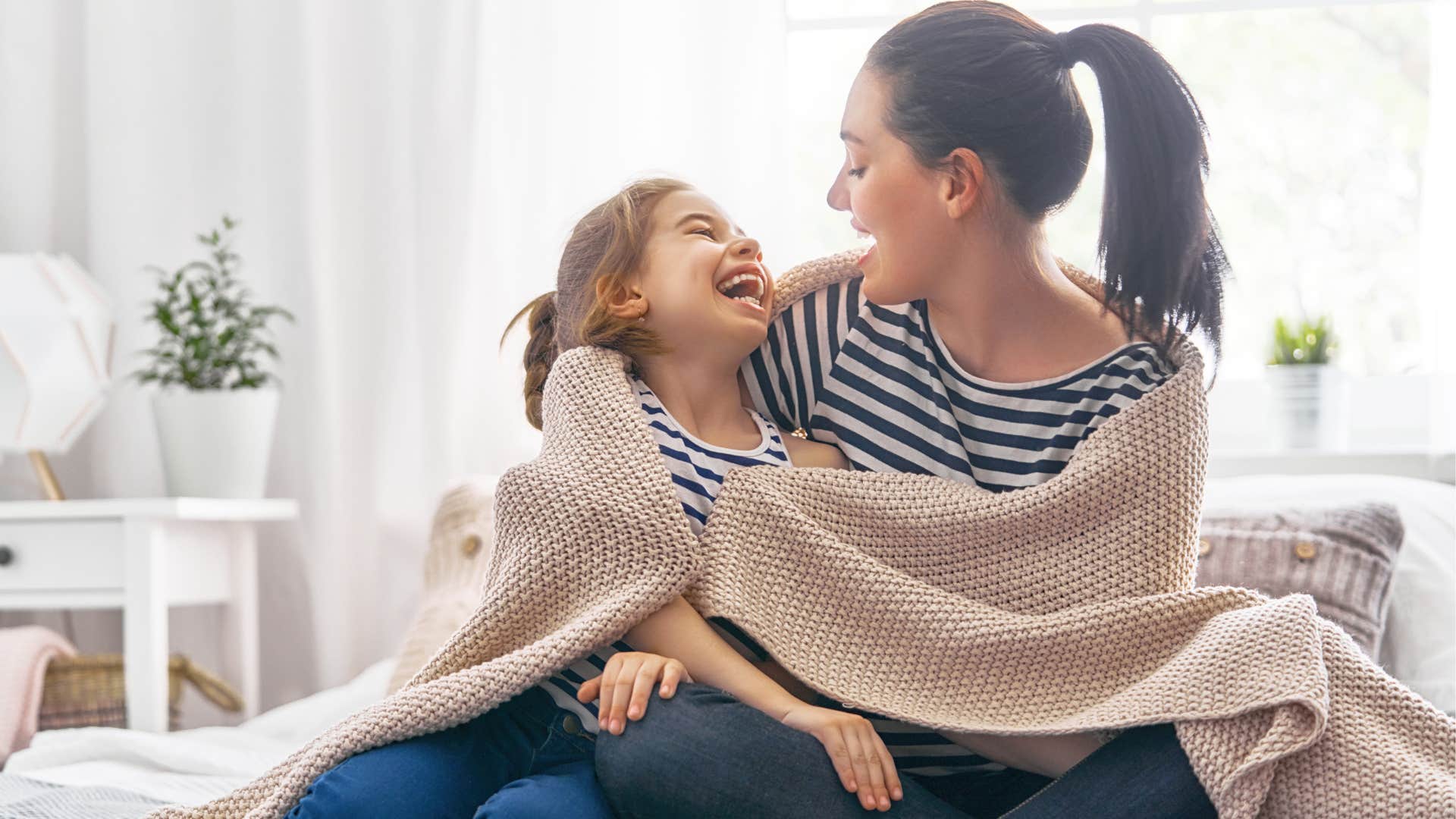
According to a study published in the journal PLOS One, kids who grow up with funny parents have better relationships, even if they're adverse to your bad jokes or rolling their eyes at your funny body language occasionally. You don't even have to be truly funny for this to count. Little kids love any sort of silliness, and inside jokes within familes help kids stay close.
The study revealed that children who grew up with parents who utilized their humor tended to have a better perspective of their parents than others. Many also noted they'd be more likely to use similar parenting techniques in their own families, acknowledging the power of humor, their unique praise, and unconditional support.
11. How you expressed your love
 Kleber Cordeiro | Shutterstock.com
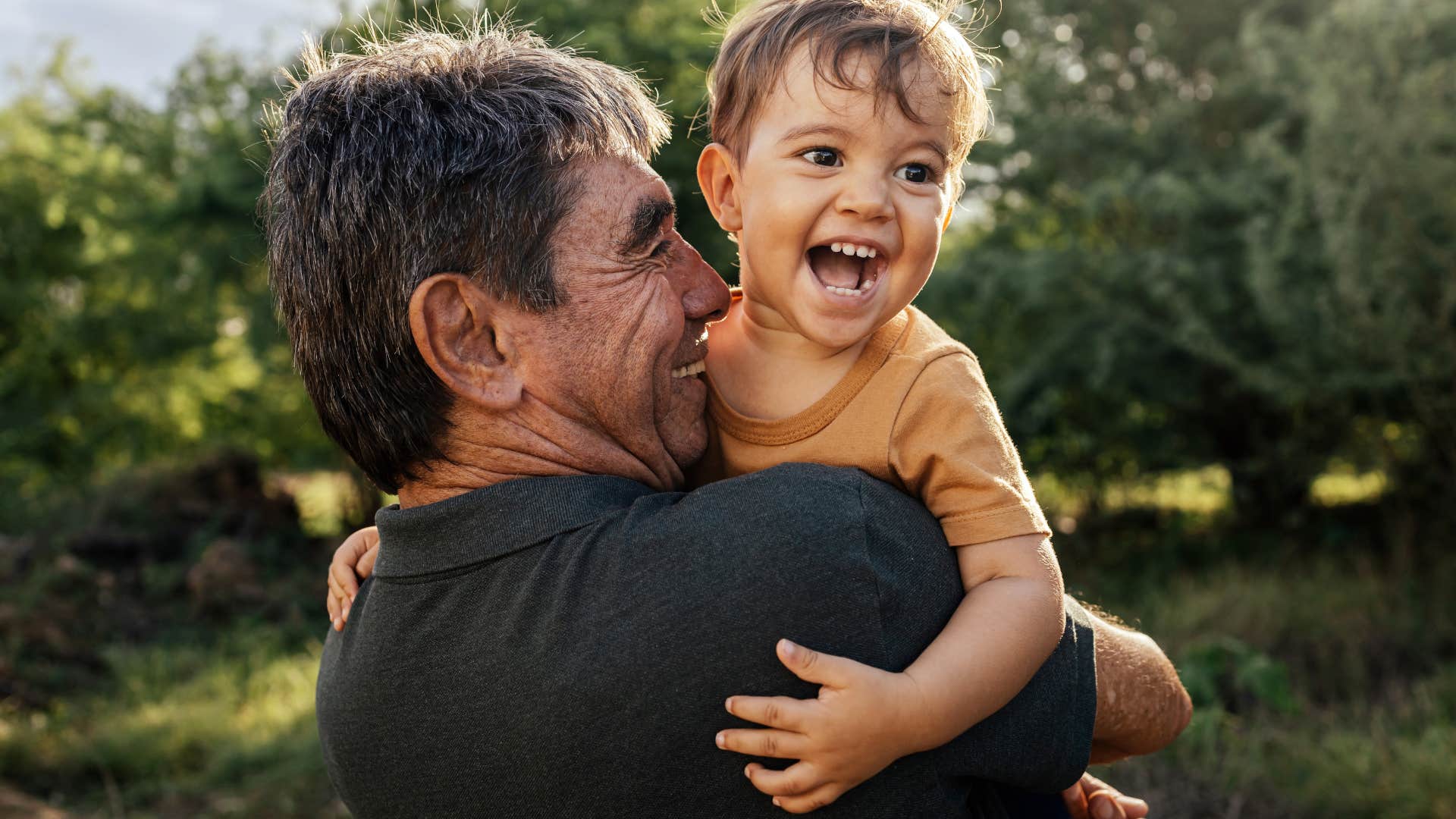
Not only does parental warmth and love tend to cultivate better physical health outcomes in children, according to a study from PNAS, it also ensures children grow into their own emotional intelligence. Kids, even into adulthood, remember how they were supported and loved by their parents, whether it was positive or negative.
One of the largest fuelers for no-contact orders between adult children and their parents is the resentment cultivated by negative expressions of love and attention in childhood — they will remember how you showed it.
Zayda Slabbekoorn is a staff writer with a bachelor's degree in social relations & policy and gender studies who focuses on psychology, relationships, self-help, and human interest stories.
