
Kids Raised By Gentle Parents Often Develop 11 Habits That Harm Them As Adults
 OPOLJA | Shutterstock
For new parents who were raised with shouting and harsh punishment, gentle parenting can be appealing. The idea of parental emotional regulation and connecting with kids instead of punishing them sounds great. Unfortunately, it's not that simple.
While the AAP agrees physical punishment and shouting are bad for kids, Dr. Emily Edlynn insists kids need connection and consequences, not just one or the other. Otherwise, they may have behavior issues down the line.
Kids raised by gentle parents often develop these habits that harm them as adults:
1. Questioning authority without thinking first
 MAYA LAB | Shutterstock
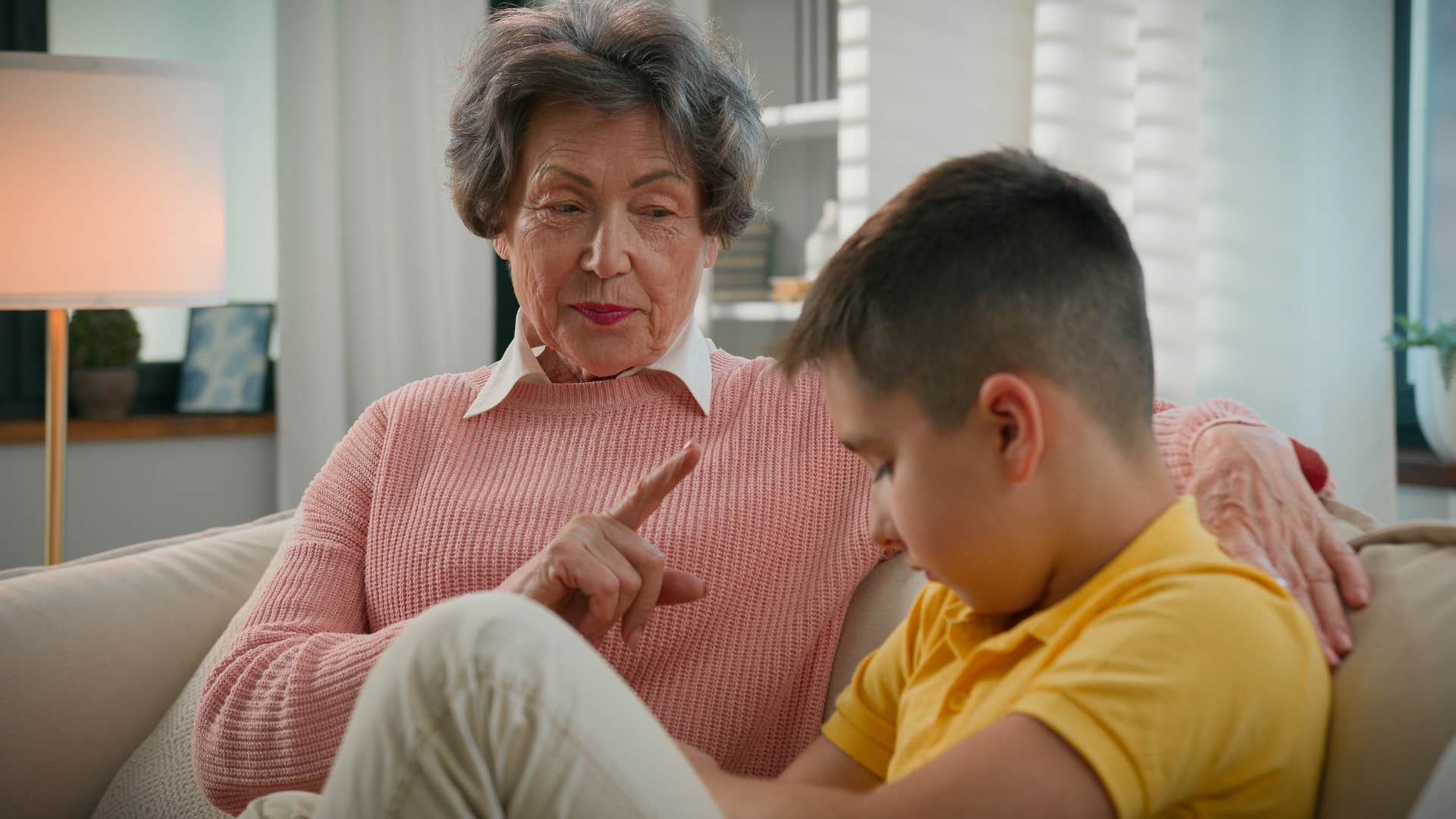
It's great to raise a child that questions authority sometimes. If they see injustice or someone being harmed, you want them to speak up. But sometimes gentle parents that lean too far in the damaging permissive style of parenting end up raising kids who push back on basically everything, without thinking first.
Rather than pushing beliefs about respecting elders and seeing parents as bosses of their children, many gentle parenting experts encourage teaching kids to look inward for guidance. Some experts even suggest that gentle parents stress reliance on emotions instead of authority, trying to craft a balanced relationship outside of power hierarchies with their kids, instead of acting like their parents.
As they get older, many of these kids might question things because their parents, who encouraged them to think critically, celebrated their curiosity. Unfortunately, some might use it to belittle people or to become difficult to be in relationships with due to their combative conversational style.
2. Throwing tantrums long after it's considered normal
 PR Image Factory | Shutterstock
When parents punish their kids for expressing emotions, they teach them to view vulnerability and expression as inherently bad things, research by Arizona State University found. That’s why gentle parents tend to allow their children to feel things in whatever way they want, even if they diverge from societal norms or their own personal emotional techniques, like throwing a tantrum in the grocery store.
Of course, when left unrestricted, this gentle parenting behavior can also be unhelpful for children as they get older, as they may not understand how to regulate their complex emotions depending on the situation or environment they’re in. No matter what, discipline is still important, but some gentle parents forget or avoid acknowledging that.
No parent should demonize their children’s emotions. But kids still need to learn how to regulate those big feelings, so as adults they’re not overflowing with things like anger or frustration in uncomfortable settings.
3. Saying no reflexively in order to control situations
 fizkes | Shutterstock
Many parents, especially those with authoritarian styles with their children, expect kids to blindly follow their rules, be agreeable, and suppress their own needs in favor of their demands. However, gentle parents aim to do the opposite. Just like I mentioned above, sometimes gentle-parented kids push back for no reason other than to control situations.
They not only remove themselves from authority identities at home, but they also empower their kids to set boundaries, express their needs, and say no. But saying no to everything without thought can hurt their professional and personal relationships as adults.
4. Refusing to make eye contact
 fizkes | Shutterstock
There are kids, especially those on the Autism spectrum, who may struggle to make eye contact. Kids who are naturally shy or slow to warm up to new people may take longer to talk directly to others the way grown-ups think they should, and that is OK!
But some kids raised by gentle parents may avoid eye contact or even entire conversations because they feel uncomfortable. Their parents have empowered them to set boundaries (a good thing), but sometimes this can go too far.
Gentle parents have the best intentions in empowering their kids to set healthy boundaries, but they should also bear in mind that kids will need to learn to make eye contact and it often takes practice. If they don't want their kids to struggle socially, they should encourage them to try just a moment of eye contact while saying no. This way, as they grow up, they'll be able to make eye contact in the moments it's really important, like job interviews or meeting someone for a date.
5. Putting their own needs first, always
 MAYA LAB | Shutterstock
Parents have a responsibility to teach their kids the difference between two distinct experiences. According to psychologist Becky Kennedy, the message should be that "you are the center of my world, but not the center of the world."
It’s important to advocate for yourself, but many gentle parents overindulge this idea in their children, pushing them to put their needs before anyone else’s. They lean so heavily into empathy in the parent-child relationship that they sometimes forget to teach their kids the importance of offering it to others.
As clinical psychologist Emily Edlynn argues, you can have connection and consequences at home and still be a great, healthy, and productive parent. Just because you’re adopting the great values associated with gentle parenting doesn’t mean you have to overlook the benefits of parental boundaries, discipline, and perspective.
6. Sniping and being snide
 fizkes | Shutterstock
According to a study led by researchers at Xiamen Medical College, children who grow up with warm yet firm parents, often boast higher levels of empathy and fewer aggressive behaviors. Kids raised without those limits might talk back more freely.
They’re blunt, express their emotions at any time or place, and tend to expect other people to treat them with the same permissiveness or attention that their parents do. They believe that the world will conform to them when in reality, most people are more focused on their own business.
As a result, kids who were raised by gentle parents without limits often end up being snippy and rude.
7. Not saying ‘please’ and ‘thank you’
 Irina WS | Shutterstock
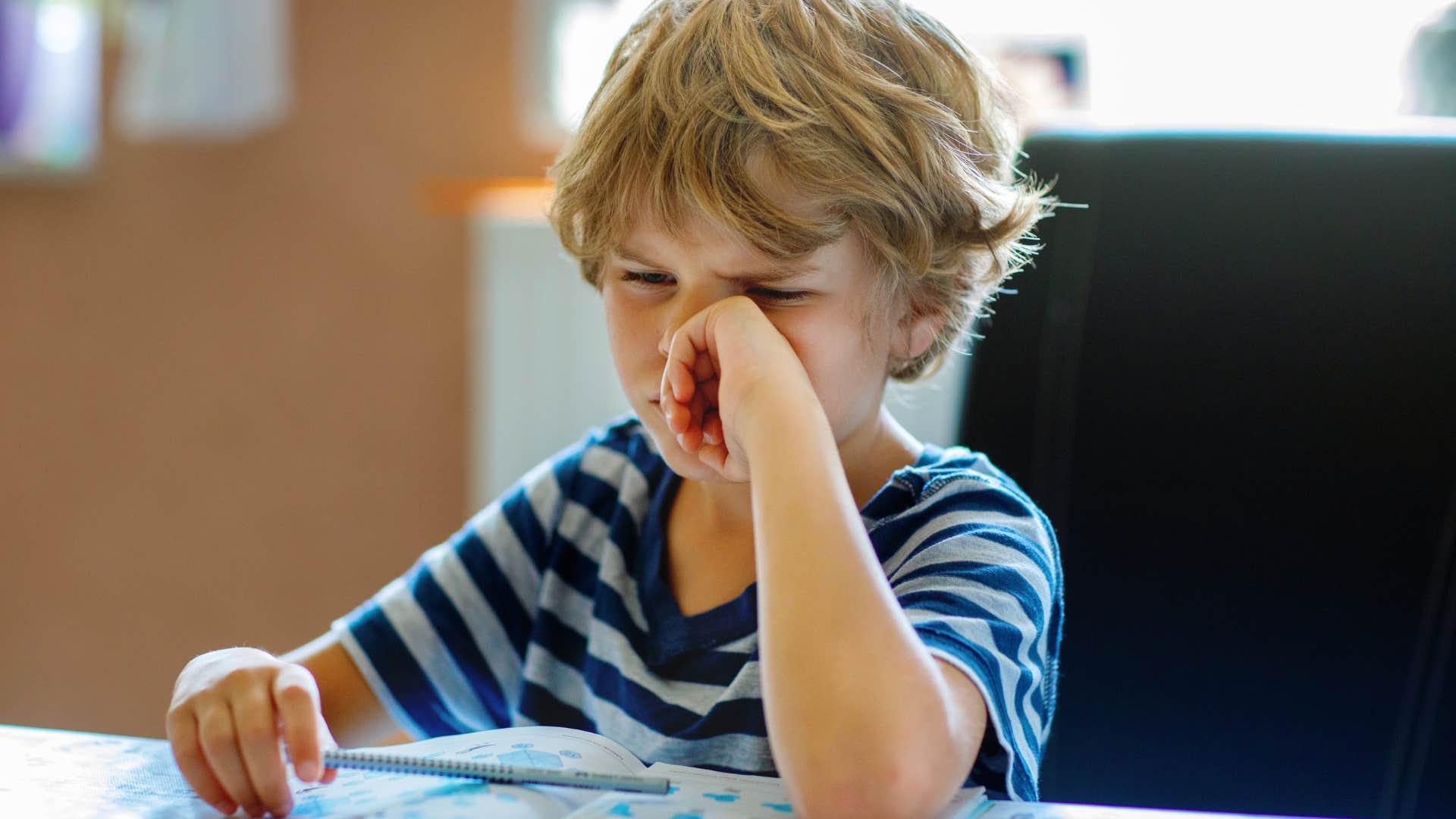
Considering many parents are hyper-focused on teaching emotional regulation and expression, often to the point of burnout and exhaustion themselves, they sometimes miss the importance of basic social norms like manners. While internal self-regulation is incredibly important, a parent plays just as much of a role in their children’s adoption of societal norms and behaviors.
As adults, they may come off as cold or entitled at work and in relationships when they skip those courtesies. Parents probably didn't want to force their kids to say "please" to get what they want (they likely thought it was manipulative), but the result is a child who doesn't know how to be polite on a basic level, which will harm them as adults.
8. Refusing to take no as an answer
 AstroStar | Shutterstock
Despite learning to set their own boundaries and constantly having conversations about the importance of self-advocacy from their gentle parents, many children from these households may struggle with accepting no as an answer from others. This can become dangerous to their own safety and freedom later in life.
They may overstep boundaries with others and prioritize their own needs, as they’ve either experienced gentle boundaries with their parents or struggled to regulate in response to strict refusals at home. While non-coercive and gentle parenting may offer an element of independence to kids, it may simultaneously set them up to struggle with external limits and constraints.
9. Interrupting others
 DC Studio | Shutterstock
A study by researchers at Florida State University found that parents with indulgent styles at home tend to promote less self-control and self-efficacy in their kids. So, it’s not surprising that their kids might interrupt others in conversations or refuse to follow directions, both signs of low self-control.
Of course, teaching kids self-control strategies and mentalities isn’t just helpful for following social norms and making better connections early in life. It can also significantly reduce their chances of misbehavior, unhealthy vices, and isolation later in life.
10. Shouting or demanding things
 Brian A Jackson | Shutterstock
When gentle parenting tips into permissiveness, it can leave kids lacking self-control. They may shout and demand things from others, a habit that other people, especially those in older generations, find incredibly disrespectful in public and shared spaces.
While most gentle parents don't intend to raise kids who are demanding or rude, they often burn out at the end of the day or after a few years.
Unfortunately, gentle parents often start giving in more than they should in order to keep the peace. In addition, a study published in PLoS One found that parents who try it often find the process exhausting and end up totally drained, which often further weakens their resolve.
Zayda Slabbekoorn is a staff writer with a bachelor’s degree in social relations & policy and gender studies who focuses on psychology, relationships, self-help, and human interest stories.
