
If Your Kids Still Do These 11 Things, Your Parenting Paid Off
 Lucigerma / Shutterstock
 Parents rarely get clear report cards. There’s no final exam that confirms you did it right. Most of the time, you’re adjusting in real time, hoping the values you’re modeling will stick long after your kids stop rolling their eyes at you. The payoff doesn’t usually show up in perfect grades or polished resumes. It shows up in quiet behaviors that reveal character.
Child development research consistently shows that long-term outcomes are shaped more by modeling, emotional climate, and consistent expectations than by any single rule. When certain habits carry into adolescence or adulthood, it’s often because they were reinforced early and repeatedly. If your kids still do these things even when you’re not around to remind them, it’s a strong sign your parenting had a lasting impact.
Here are 11 clear signs your parenting paid off
1. They say 'thank you' without being prompted
 Inside Creative House / Shutterstock
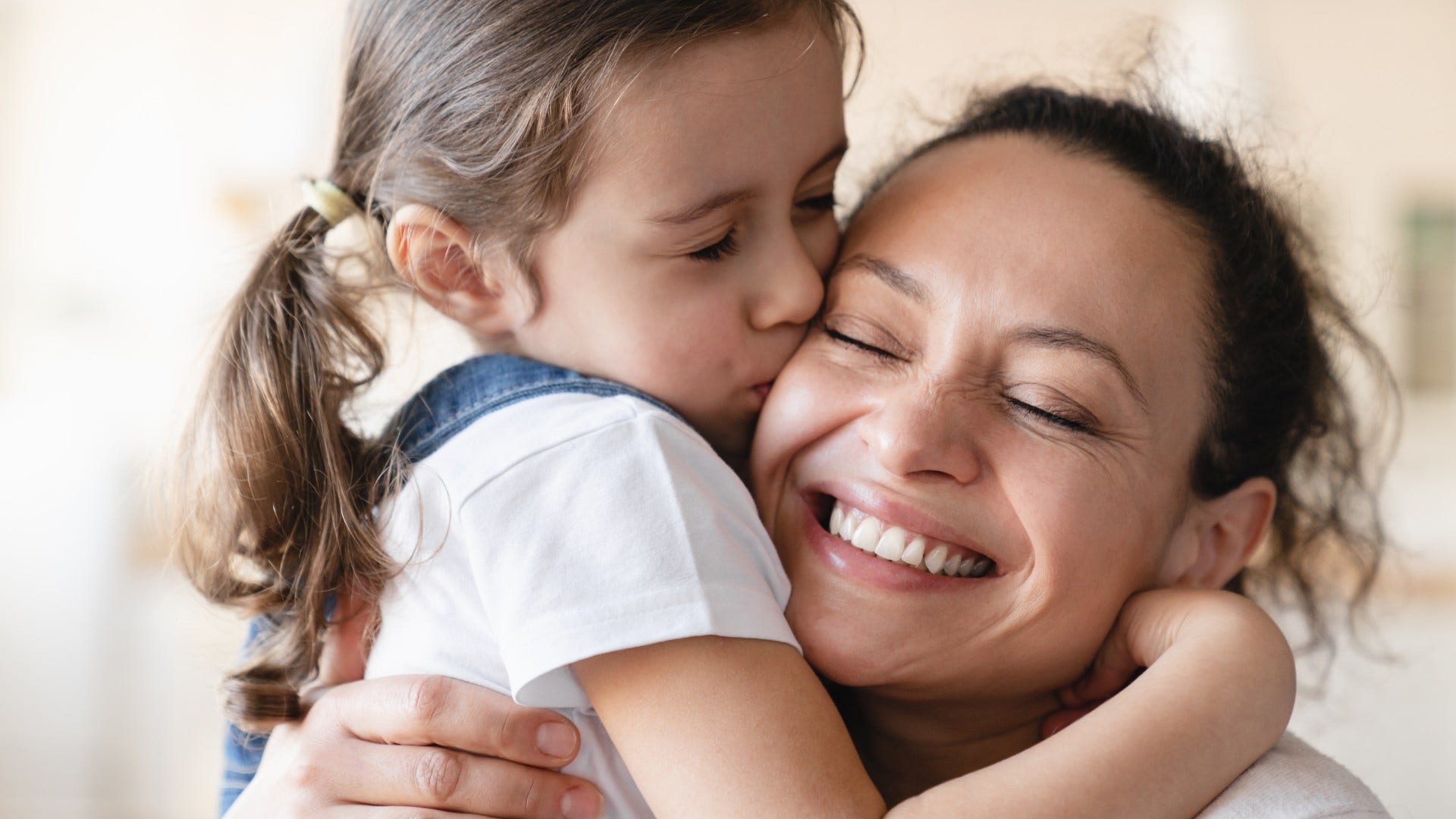
Gratitude that shows up naturally is rarely accidental. When a child thanks a server, a teacher, or a friend without being nudged, it signals internalized respect. Modeled gratitude increases prosocial behavior over time. Kids absorb what they see consistently.
If appreciation was normal in your home, it likely became automatic for them. This kind of politeness reflects awareness of others’ effort. It also signals humility. Gratitude strengthens relationships well into adulthood. If they carry it with them, that foundation stuck.
2. They admit when they’re wrong
 fizkes / Shutterstock
Accountability is hard, even for adults. When your child can say, “That was my fault,” without spiraling into shame or defensiveness, it suggests emotional security.
Children raised in environments where mistakes were treated as learning opportunities develop healthier self-regulation. They see failure as a form of feedback. That perspective builds resilience. Owning mistakes strengthens trust. If your child can apologize sincerely, you likely modeled accountability yourself. That lesson lasts.
3. They include others who seem left out
 India Picture / Shutterstock
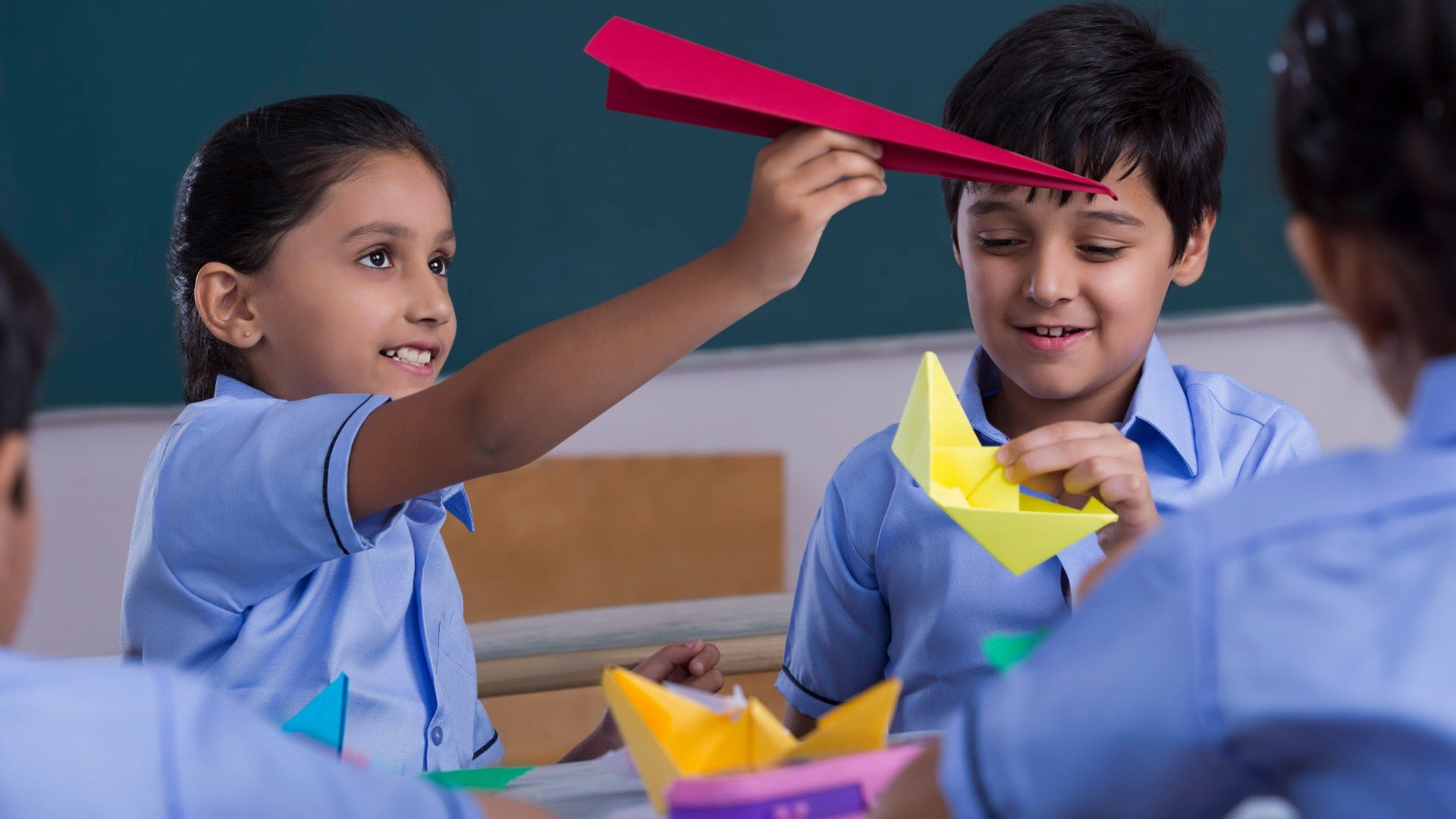
Empathy often reveals itself in small social choices. When your child notices someone sitting alone and invites them in, it reflects perspective-taking.
Children exposed to emotionally responsive parenting are more likely to engage in inclusive behaviors. They’ve learned to scan for how others feel. Inclusion requires confidence and kindness. If they extend that instinct beyond your supervision, it means compassion became part of their wiring. That’s long-term character in action.
4. They manage disappointment without collapsing
 MAYA LAB / Shutterstock
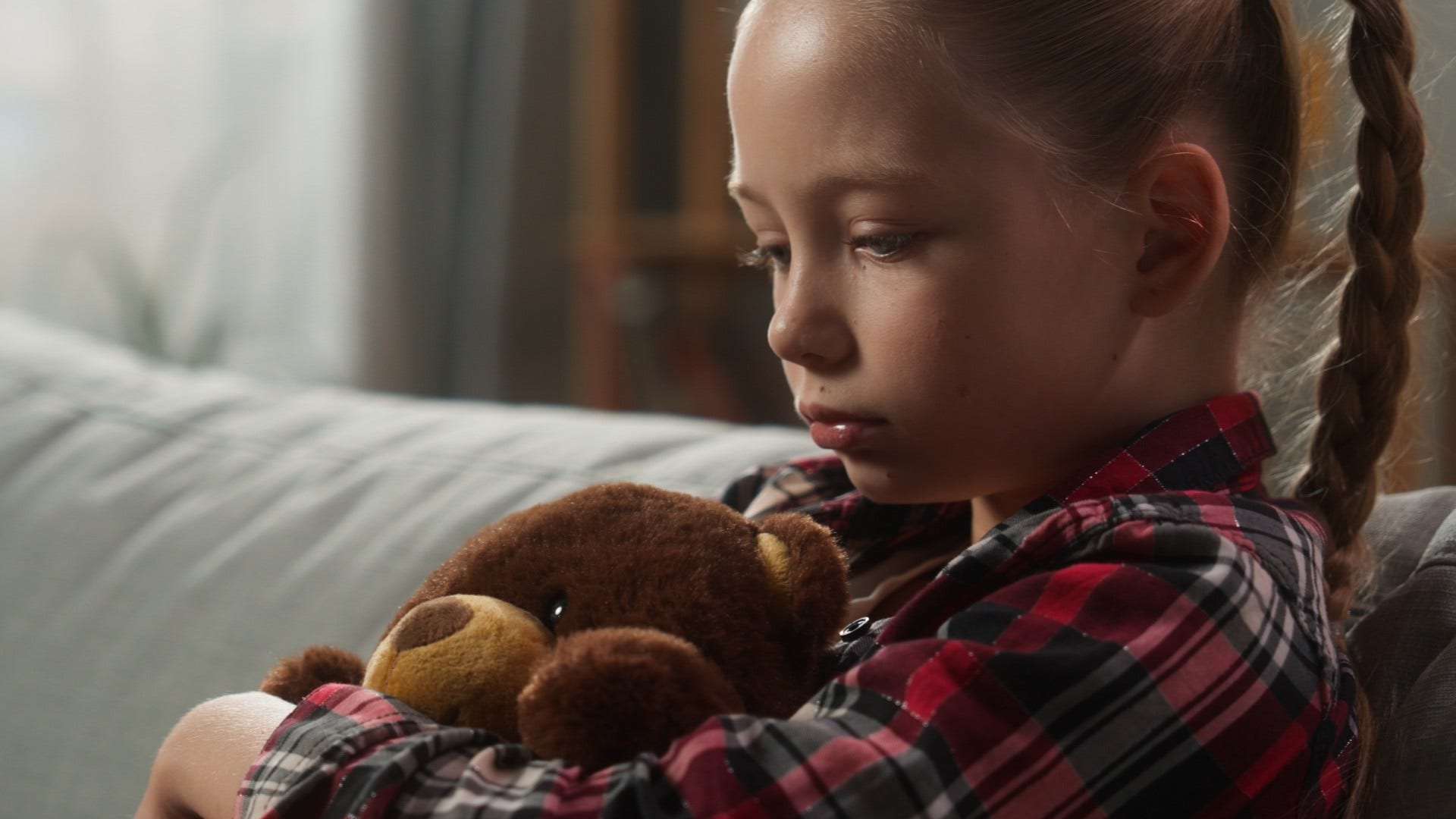
Life guarantees setbacks. When your child loses, fails, or doesn’t get chosen and still regains composure, it signals emotional regulation. Research consistently links consistent boundaries and warm support with stronger coping skills. They learned early that frustration doesn’t equal catastrophe. They understand that emotions pass.
That stability doesn’t mean they don’t feel deeply. It means they’ve developed tools. If they recover rather than implode, your steady guidance is likely to have helped shape that strength. Emotional stamina is one of parenting’s biggest long-term wins.
5. They respect people in positions of service
 Halfpoint / Shutterstock
How someone treats waitstaff, janitors, drivers, or retail workers says a lot about their upbringing. When your child speaks kindly and maintains eye contact with people whose roles are often overlooked, it reflects values modeled at home.
Children internalize attitudes they repeatedly observe. If you treated everyone with dignity, they noticed. Respect that isn’t selective indicates maturity. It suggests they see people, not status. That worldview carries into adulthood. It rarely forms by accident.
6. They can entertain themselves
 Volodymyr TVERDOKHLIB / Shutterstock
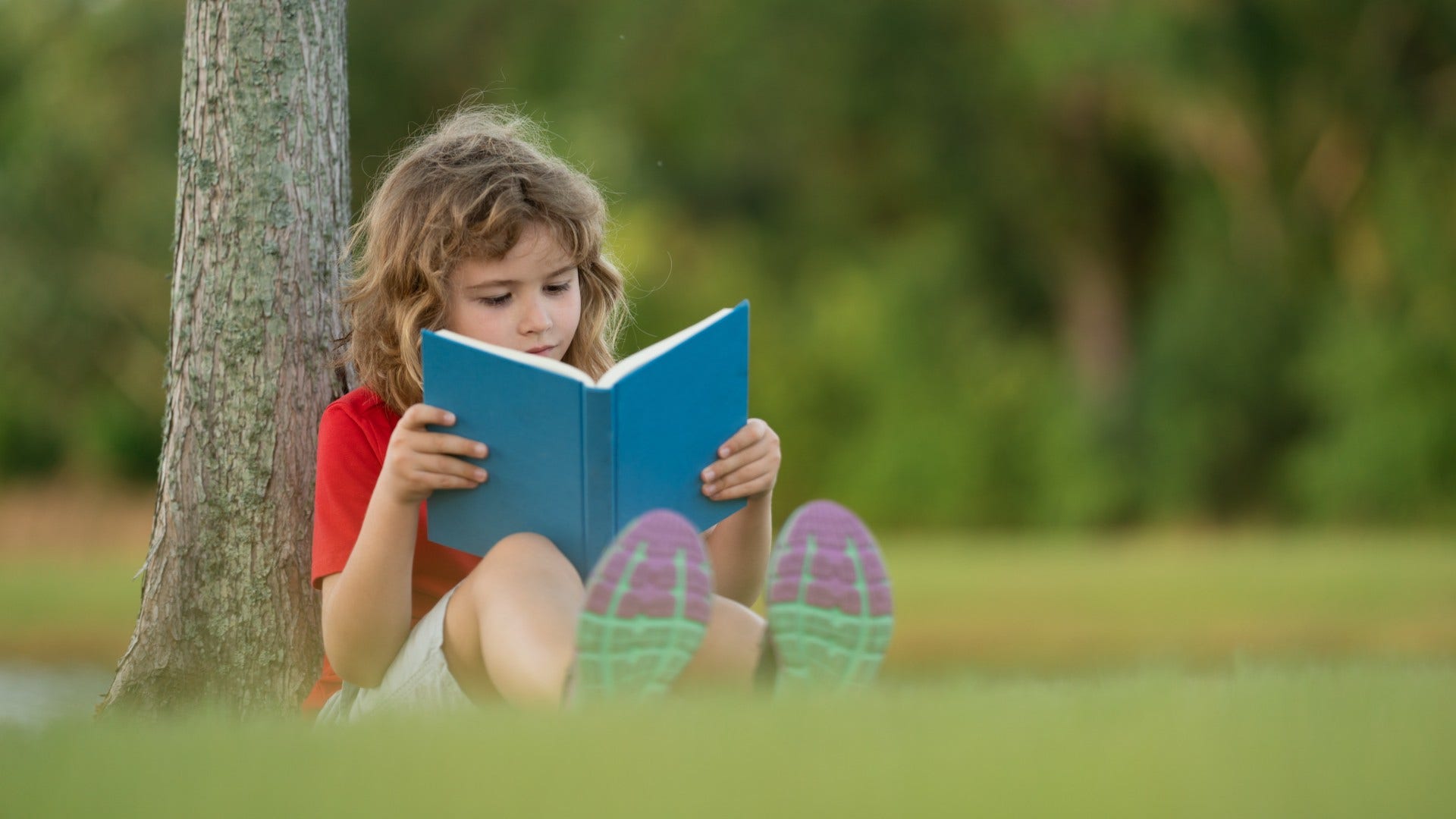
The ability to tolerate boredom is underrated. When your child doesn’t panic without constant stimulation, it shows internal resourcefulness. Research on unstructured play links it to creativity and problem-solving.
Kids who are allowed to sit with boredom often learn to generate their own engagement. That skill translates into adulthood. They don’t require constant distraction. Independence grows from those quiet stretches. If they can be alone without unraveling, your boundaries around screen time or over-scheduling likely mattered. Self-sufficiency is long-term resilience.
7. They speak up respectfully
 fizkes / Shutterstock
Healthy assertiveness is learned. If your child can disagree without being disrespectful, it reflects emotional coaching. Research on authoritative, warm but firm parenting consistently shows better communication outcomes.
They learned that their voice matters, but so does tone. Speaking up respectfully requires both confidence and regulation. It suggests they were heard growing up. When kids feel listened to, they learn how to listen back. That balance signals strong relational modeling. It’s a powerful lifelong skill.
8. They follow through on commitments
 Julhabiby / Shutterstock
Reliability isn’t flashy, but it’s foundational. If your child keeps promises, shows up on time, and completes responsibilities, that reflects internalized structure.
Studies on conscientiousness link early household expectations with long-term dependability. Chores, routines, and accountability shape executive functioning. Follow-through builds trust in adult life. It strengthens work and relationships alike. When responsibility feels normal rather than oppressive, it usually started early. Consistency compounds over time.
9. They show compassion during conflict
 fizkes / Shutterstock
Disagreement is inevitable. If your child can argue without dehumanizing the other person, it reflects emotional maturity. Kids exposed to calm, modeled disagreement learn regulation strategies. They don’t default to cruelty. They’ve seen that conflict doesn’t equal chaos.
Compassion during tension signals secure attachment. It means love wasn’t conditional. If they can hold both boundaries and empathy, your example likely shaped that balance. That’s a long-term relationship skill.
10. They ask thoughtful questions
 Branislav Nenin / Shutterstock
Curiosity reflects confidence. When your child engages others with genuine questions, it signals openness. Studies connect curiosity with intellectual humility and social intelligence. They aren’t just waiting to speak. They’re interested.
That interest builds deeper connections. If your home encouraged conversation rather than shutdown, that likely contributed. Curiosity doesn’t flourish in fear-based environments. It thrives in psychological safety. If they remain inquisitive, the environment you created supported their growth.
11. They still come to you for advice
 antoniodiaz / Shutterstock
Independence doesn’t eliminate connection. When your child still calls for perspective, even as they grow older, it reflects trust. Secure bonds remain consultative rather than dependent.
They don’t need you to decide for them. They value your input. That difference is powerful. It suggests your relationship evolved instead of fractured. Advice-seeking signals respect. If they still want your voice in their life, your parenting built trust.
Sloane Bradshaw is a writer and essayist who frequently contributes to YourTango.
