
Kids In The 1970s Learned 10 Life Skills That Modern Parenting Has Pretty Much Wiped Out Of Children Today
 Elzbieta Sekowska / Shutterstock
 Our childhood experiences and behaviors shape how we behave in our adult lives. From practicing self-control as kids that boosts adult IQ to engaging in warmth and affection with parents to promote healthier, more secure attachment styles in our adult relationships, everything is interconnected. So, while it’s not always great to look at the past for inspiration, in the realm of parenting, crafting Gen X adults as an example is a perfect way to shift how you parent and teach your kids.
There are so many kids in the 1970s who learned life skills that modern parenting has pretty much wiped out in children today, from engaging in unstructured play to learning to embrace discomfort. While kids today learn dependent behaviors and to prioritize convenience, parenting ideals and styles in the ‘70s were wildly different.
Kids in the 1970s learned 10 life skills that modern parenting has pretty much wiped out of children today
1. They cared for themselves without supervision
 Gorodenkoff | Shutterstock.com
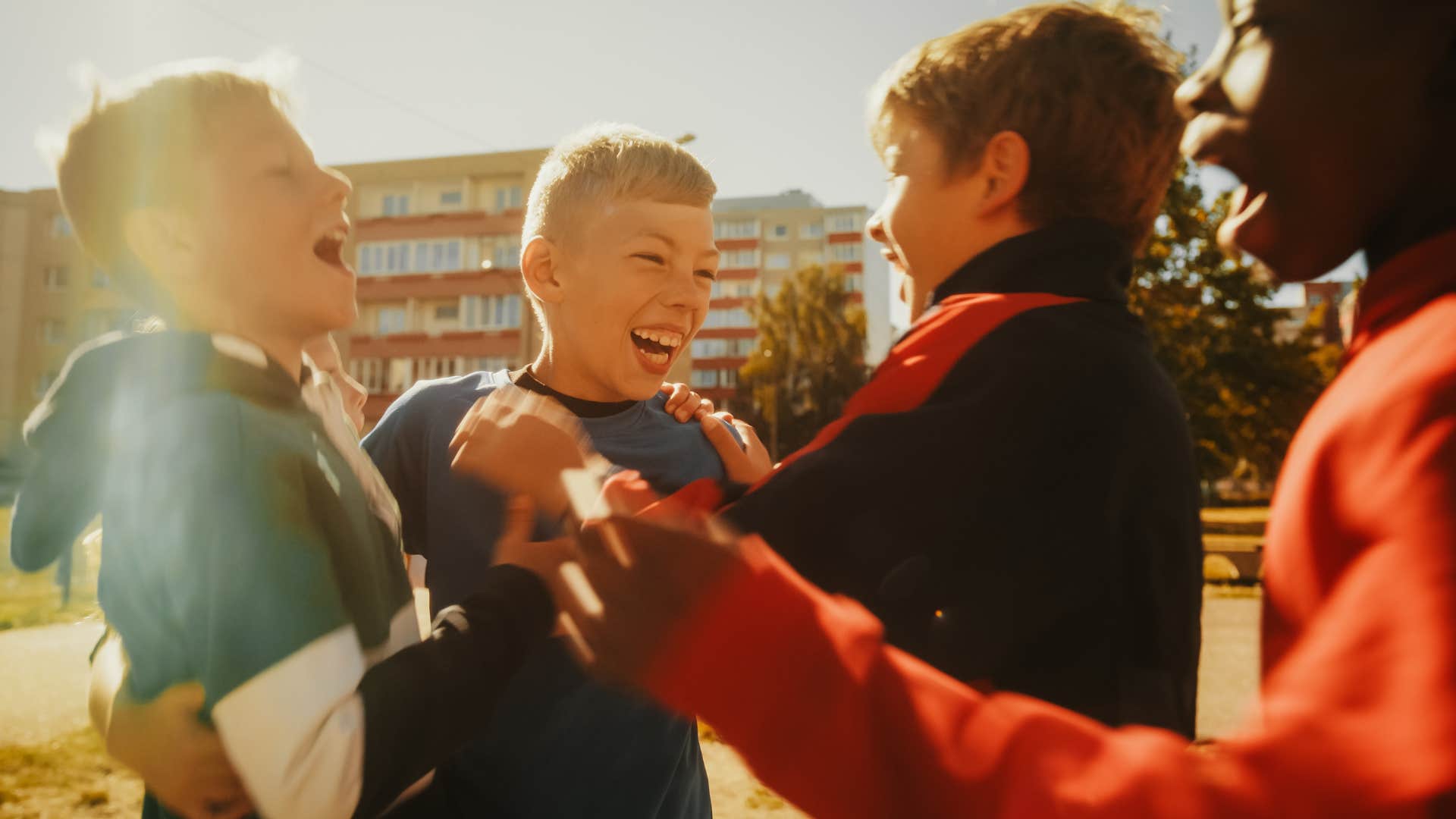
While unsupervised play amongst kids today is largely deteriorating, with parents worrying about the safety of their kids more often because of technological accessibility and societal shifts, playing outside and filling their time alone was a life lesson in itself for kids from the ‘70s. They made friends, playing outdoors, and interacting with strangers in their neighborhoods for hours during the day, practicing the art of being alone.
Even running errands and babysitting their siblings were opportunities for them to practice caring for themselves without parental supervision. With it might be scary in the modern world for parents to adopt, alone time for kids and unstructured play is essential to their later independence and emotional development.
2. They decided ‘right’ and ‘wrong’ for themselves
 Volodymyr TVERDOKHLIB | Shutterstock.com
Without overbearing parents and constant supervision, today's parenting styles prioritize kids from the 1970s had to make choices on their own. They decided what was right and what was wrong, practicing their integrity, self-reliance, and autonomy from a young age.
Even small choices allowed kids to practice integrity, like choosing what to watch on TV when their parents weren’t home. Without modern parental controls to alter their decision-making, they were forced to rely on the lessons their parents taught them and their own spectrums of right and wrong on their own.
3. They traveled on their own
 Jayakri | Shutterstock.com
Whether it was riding public transportation to run errands alone or walking to school without a parent, kids in the 1970s had to learn the life lesson of travel and transportation without much help. While a parenting report from Littlebird suggests that nearly 90% of parents today worry significantly about their kids' safety and well-being, making it harder to allow them the chance to cultivate independence, these old-school parents had hope that maturity came from alone time.
Authoritarian parents, who are overbearing and overprotective, usually cope with their own control needs, which only takes away their kids' ability to mature. They encourage them to become dependent on an adult or immature when they’re alone, all to cope with their own worries.
4. They entertained themselves without screens
 Gorodenkoff | Shutterstock.com
According to a study published in Cureus, the screen time that many kids are subjected to today, not only in classrooms, but also at home to fill their free time and entertain them through boredom, seriously impacts their development. From negatively affecting social skills to deteriorating cognitive processes like focus, modern kids are seriously missing the life skill of entertainment without screens.
However, kids from the 1970s were always expected to embrace their boredom and entertain themselves without technology, largely because they didn’t grow up with cellphones or computers that could follow them around. They had to play outside, run around the neighborhood, and leave the house to entertain themselves, and they’re better off for it.
5. They cooked for themselves
 Cavan-Images | Shutterstock.com
Many parents today order in or cook for their kids, and expect that watching will be enough to equip them with skills. However, kids often learn from doing, not watching, which is how kids from the 1970s learned the life lesson of cooking for themselves.
Whether it was being expected to feed their siblings while babysitting at home or cooking meals for themselves after school while both their parents worked, these are the life skills that modern parents are slowly wiping out of their children today by being too overprotective and overbearing.
6. They regulated themselves
 DimaBerlin | Shutterstock.com
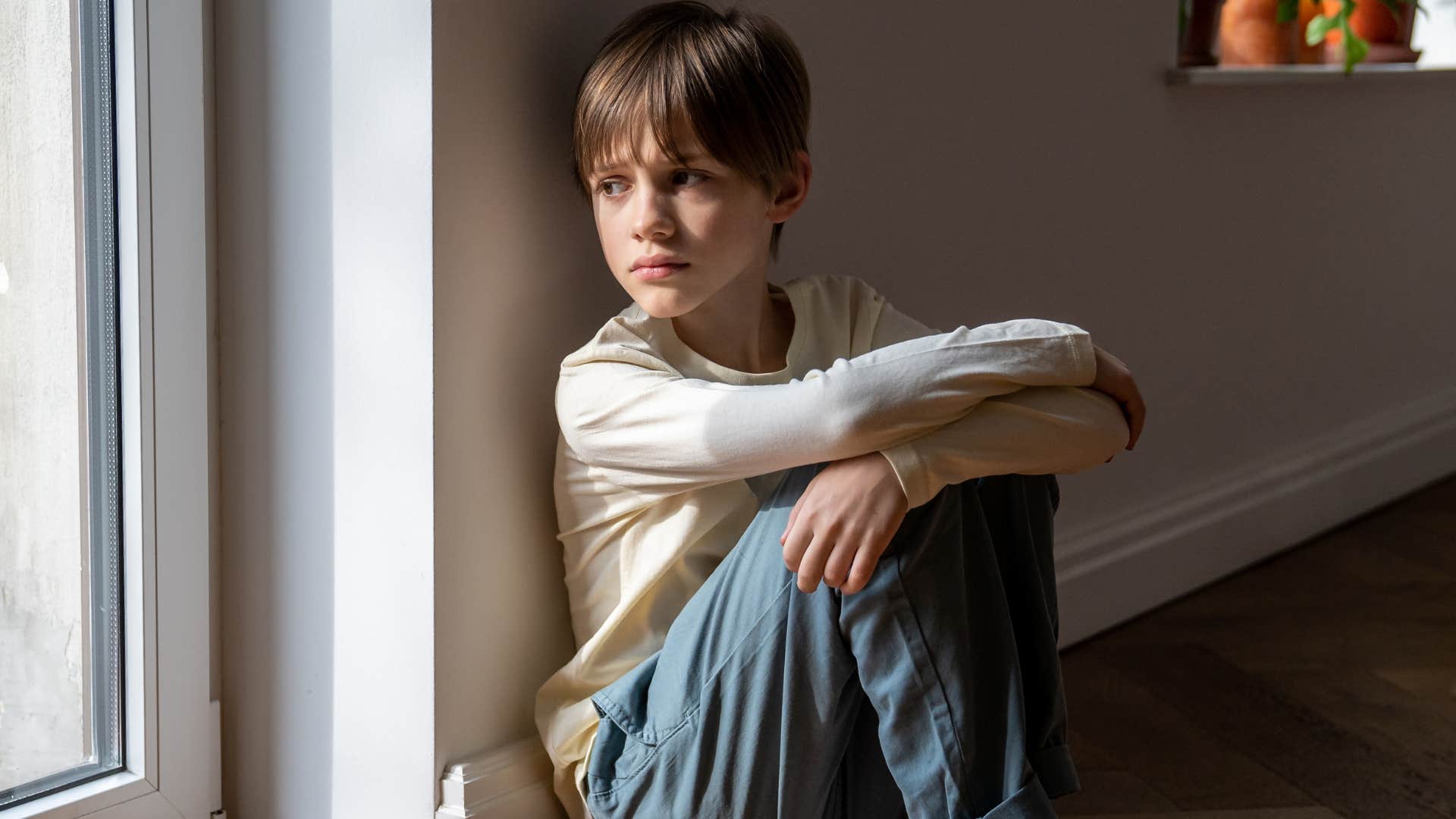
While gentle parenting styles today intend to make children’s emotions the “center” of interactions and conversations, kids from the 1970s often had to manage and regulate their emotions on their own. Especially in the face of disciplinary styles at home and in schools that are shifting in the modern world, as a 2020 study explains, they didn’t have coddling parents to reassure and protect them from discomfort.
From playing outside and managing getting hurt to regulating their emotions in time out at home, they were expected to learn the life lesson of emotional regulation incredibly early in life, rather than relying on their parents for comfort.
7. They learned the value of strength
 Erickson Stock | Shutterstock.com
While Gen Xers' strength is written in their workplace skills and work ethics at home, it’s also true that they were expected to hide away and suppress their feelings to fit a misguided stereotype of strength. Especially for men, they’ve been socialized into this misleading kind of strength for their entire lives.
Of course, today we know that vulnerability and emotional openness are truly the foundation for building strength, but for Gen Xers, their strength came from managing discomfort and leading into adversity with resilience. Each of these life lessons has strengths, but modern parents should focus on balancing the best of “gentle” parenting with lessons that encourage their kids to embrace discomfort and hard work.
8. They talked to strangers
 PeopleImages | Shutterstock.com
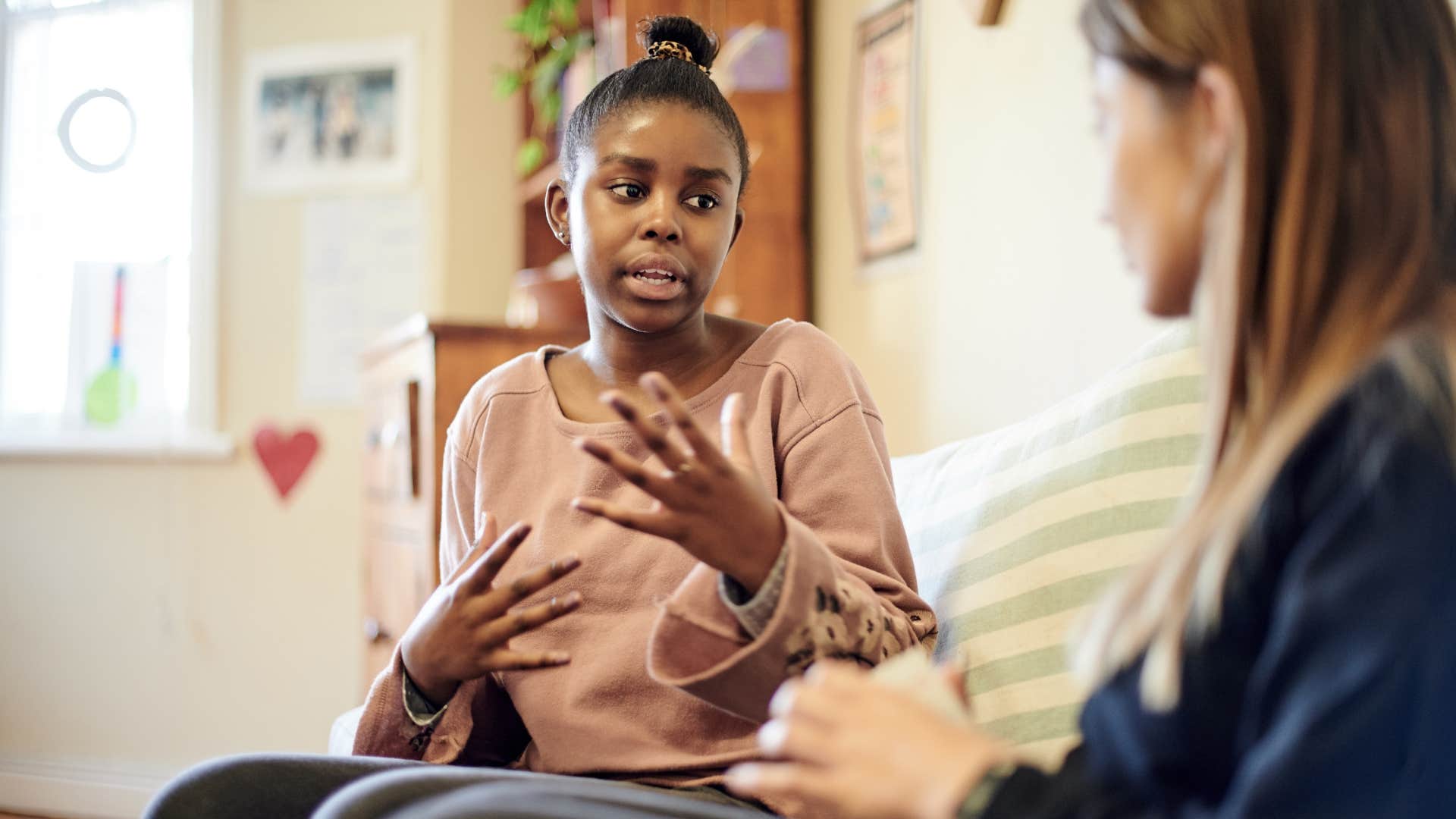
Talking to strangers was an inevitable part of life for children in the ‘70s. Especially for kids who were talking to school, running errands, and riding public transportation on their own, they couldn’t exist without asking questions and having conversations with people they didn’t know.
While this reality is a horror for overprotective parents in our “stranger danger” world today, it’s a life lesson that offers them many benefits. Of course, they practiced overcoming the social anxiety that’s being amplified with technology and dependency for kids today. But they also benefited their mental health and connection from speaking with strangers in their daily lives.
9. They learned to assess risk
 MAYA LAB | Shutterstock.com
By playing outside alone and often navigating the world without a parent around to guide them, kids in the ‘70s were required to practice assessing risk in real time. Whether it was a fear of discipline from parents and teachers or a safety risk in public, they didn’t have a parent with them at all times to remind them what was right and wrong.
While it might feel scary for modern parents to allow their children to practice these fundamental skills on their own, a study published in the International Journal of Behavioral Development found that optimism is the driver behind constructive risk-taking in children.
The more risks a kid takes, the more optimistic they are likely to be. With optimism also come essential traits, such as resilience, independence, and persistence.
10. They practiced the art of waiting
 1st Footage | Shutterstock.com
Without the pressures of instant gratification and immediate comfort that many kids experience and learn in our convenience society today, kids from the 1970s practiced the art of waiting out of necessity. Whether it was saving their money to buy something on their wishlist, sitting in a time-out and regulating emotions, or embracing boredom without a screen to entertain themselves, they learned to wait.
Not only does this life lesson ensure kids practice emotional regulation skills from an early age, but it also teaches them resilience, strong character, and most importantly, patience.
Zayda Slabbekoorn is a senior editorial strategist with a bachelor’s degree in social relations & policy and gender studies who focuses on psychology, relationships, self-help, and human interest stories.
