
Kids Raised In The 60s, 70s & 80s Could Handle 10 Basic Things Without A Parent's Help
 Viktoria Shaparenko | Shutterstock
 Kids raised in the 60s, 70s, and 80s learned independence the hard way. I recently babysat for a friend who had to leave her daughter with me during a work event, and I was surprised by how much help she needed with basic things.
She had clearly been raised to rely on her parents in ways kids from earlier generations often weren't. Kids raised in the 1960s, 1970s and 1980s usually had more room to figure things out on their own. It doesn't mean kids today are incapable, but it does show how much childhood has changed.
Kids raised in the 60s, 70s & 80s could handle these things without needing a parent to help:
1. Coming up with something fun to do
Kids raised in the 60s, 70s, and 80s would often meet up with their friends in person to do something. They might have to think of a fun activity to get their friends to join them. Creating new ideas for fun activities can help people bolster their creativity.
If they were bored with doing the same thing with their friends over and over again, they'd have to think of new ideas that everyone would enjoy. Today, kids can look up things to do for fun. They might not feel inspired to think up new ideas that would be enjoyable.
Kids today tend to have their own devices. They can play video games and entertain themselves for hours. It can make it easier for kids to pass the time without having to invent a whole game from scratch. With prewritten scripts, they don't have to think of how to keep the activity entertaining.
2. Finding their way around their city
 Lyudmila2509 | Shutterstock
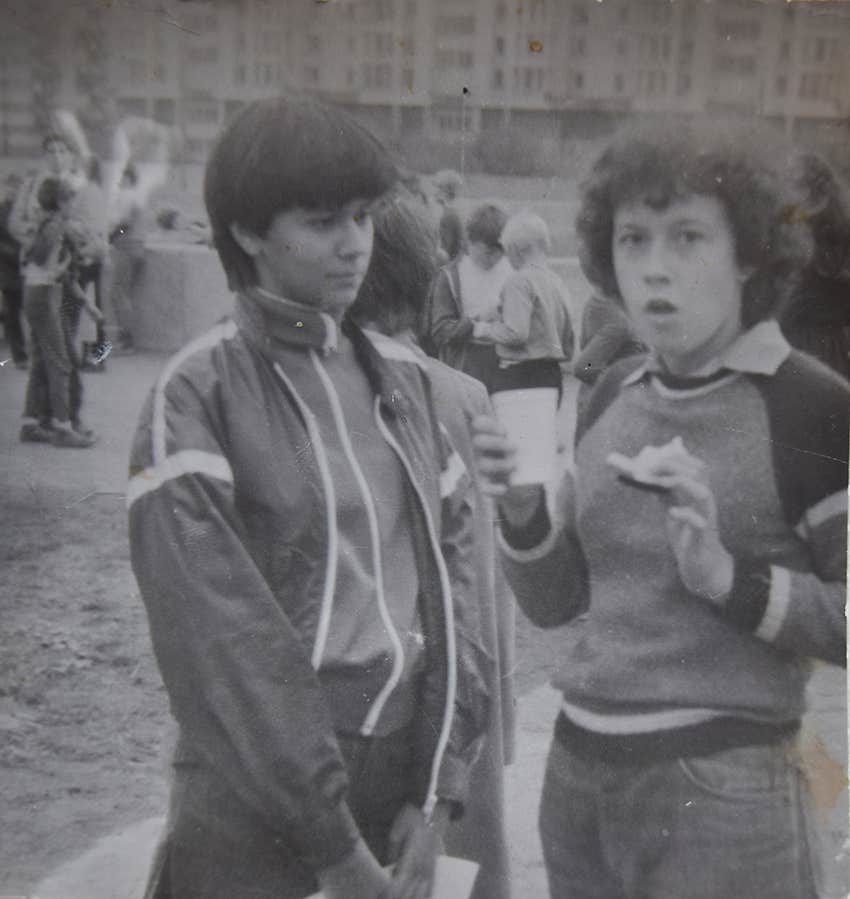
Navigating your city can be a stressful experience for kids. They don't have much experience in the world. They might not know the safest routes or where everything is. Kids raised in the 60s, 70s, and 80s could learn the skill while riding their bikes. They could use their mistakes to help them find the best route the next time they took their bike out.
Kids today seem to have fewer chances to get around on their own, and research has shown a major drop in kids walking or biking to school over time. Without bikes, walking, or other safe ways to get around, kids have fewer chances to learn their area on their own. Many parents today are more cautious about letting their kids ride bikes on their own, especially in areas with heavy traffic or fewer safe places to ride. Because of that, some kids have fewer chances to learn their neighborhood from the seat of a bike.
3. Doing homework without AI
The invention of AI has changed how kids learn. Some kids rely on ChatGPT to write essays for English class or summarize the books they are reading. They can also use it to solve the problems on their math homework.
People in previous generations had to learn this information themselves. Without it, they wouldn't be able to complete their homework and could end up with bad final grades. Kids in the 60s, 70s, and 80s might have to go to a library for information. They would probably have to spend hours reading and practicing the material.
These kids still might have asked their parents for help, but they also had to spend more time reading, practicing, and working through the material themselves. They probably wanted to learn the information to help them later in life. Kids now know they have ChatGPT to rely on and might not feel the same pressure to learn core concepts.
4. Meeting up with friends without texting first
 Joseph Sohm | Shutterstock
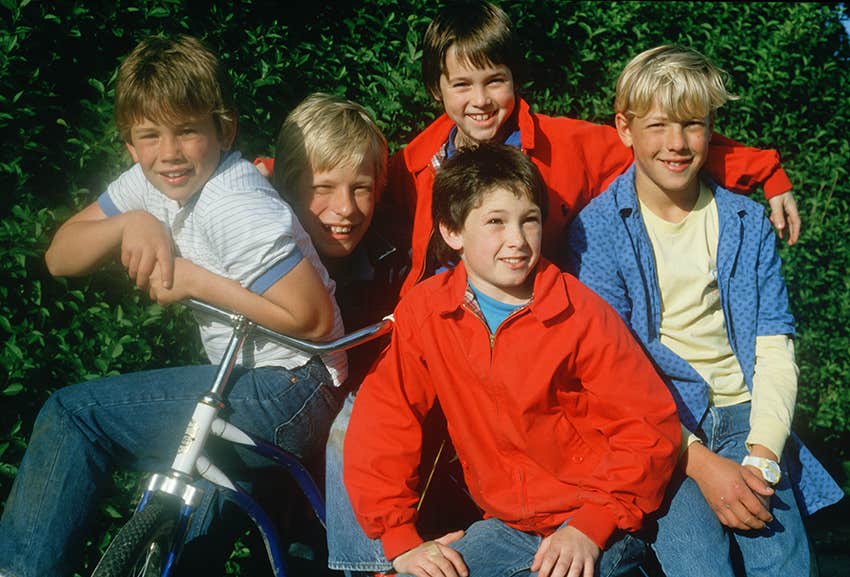
Kids growing up in the 60s, 70s, and 80s often had access to a family landline, but many homes only had one phone. If their parents were using the phone, they might not be able to use it. They might not have had a chance to contact their friends at home. These kids would probably have to find ways to connect with their friends so they'd hang out.
They might have had to go out and find their friends. They could go to their houses and knock on their friends' front doors. This could help them see if their friends were free. Now, kids don't always have to do this. It's less common to just show up at a neighbor’s house. They might have to rely on their parents to contact their friends to know if they can hang out.
5. Making plans for their own future
The world is changing rapidly, and no one knows for sure how it will look in the coming decades. Certain jobs might be replaced by AI. The way communities connect could become even more digitally focused. This makes some kids worry about planning their futures. They might have to ask their parents for help understanding college, jobs, money, and what kind of future is realistic now. They can draw on their parents' experience to guide them as they plan for a digitally focused future.
It's not just that the job market is changing. Things have gotten more expensive. Many young adults need their parents to help support them financially. Their entry-level jobs might not pay them enough to support themselves. When this happens, people in the younger generation might have to rely on their parents to pay for basic needs. They could ask their parents for help as they take steps to build the future they want.
6. Making their own food
 Elzbieta Sekowska | Shutterstock
You don’t need to go out to get food anymore. Numerous apps can let you order food from home. With so many options, many people end up relying on those services for their meals.
This can stop people from relying on themselves for food. Kids who grew up with these services might not learn to cook. They might have to ask their parents to order something for them online. People raised in the 60s, 70s, and 80s didn't have that option.
Instead, they might have to learn how to cook or bake their own snacks. These skills help children learn how to take care of themselves without depending on others for every meal. It can make them feel confident in their ability to support themselves.
7. Reading books from the library
Kids raised in the 60s, 70s, and 80s would often go to the library. While there, they might look around at the books available to them. This helped them find books that they found interesting. They could entertain themselves through stories that pulled their attention.
Kids today aren't going to libraries as often. Many libraries have seen fewer in-person visits than before. Without being able to browse bookshelves, kids might not find the kinds of books that interest them. They might have to ask their parents to recommend some books they enjoyed.
If they have books they're reading for school, they'd also probably have to rely on their parents. Without going to the library, they wouldn’t be able to check out their school books. This can make some kids go to their parents to order the books online for them.
8. Applying for jobs on their own
Applying for jobs used to look a little different. Many people would walk into stores and hand out their resumes. They could also find jobs in their local newspaper.
Teen work looks different now, and fewer teens work than they did in the late 1970s. With more applicants than job openings, employers can be really picky with their selection. They might only choose the top students to work for them.
This makes some kids need to ask their parents for help while applying for jobs. They might ask them which websites are the best for finding jobs. They might also ask them for help in crafting their application to make them look like the best candidate around.
9. Playing sports without joining a formal team
 Lyudmila2509 | Shutterstock
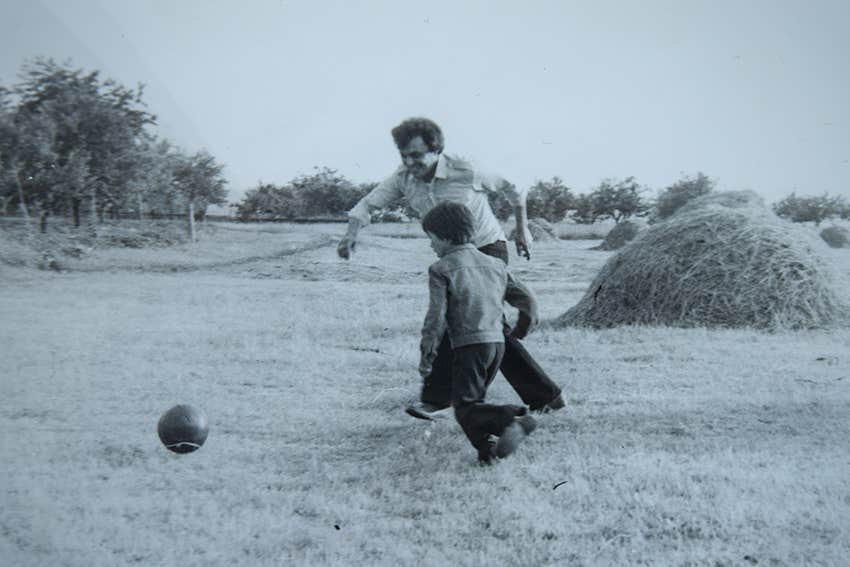
Parks used to be a place kids could go to play with their friends. Kids raised in the 60s, 70s, and 80s could meet up with friends nearby and play a casual game of baseball or soccer. These games weren't always planned out. Without a structured game for a school team, kids wouldn't have to rely on their parents to make sure they could play sports.
Today, kids aren't going to parks as much. They might not experience playing sports unless a game is already planned. These kids might still want to play a sport, though. If it's a team activity like football, they might not be able to find a group of kids willing to play. This causes some kids to ask their parents to find them a team to join. Some communities have local sports teams for young kids to join.
Kids today who want to play sports will probably need their parents to sign them up for these teams. They might also have to ask their parents for help to buy the uniform their community team wears.
10. Figuring out the tech they had at home
Technology has changed rapidly in recent times. There's constantly new tech that older generations are trying to navigate. While kids from the 60s, 70s, and 80s grew up with technology, it wasn't always changing as fast as it does today. Most of them knew how to operate the wired phones their parents put in the house. Now, kids use tech for everything.
It's used both at school and during their playtime. Many teachers rely on e-books to help students learn. Many kids also stay on their devices while at home to play with their friends online. Because tech is tied to school accounts, apps, passwords, payments, and parental controls, kids often need adults' help to use devices the right way.
Lily Bell is a college student studying English and Publications who covers relationships, mental health, and personal narratives surrounding the human experience.
