
Women Who Never Seem To Know What They Want To Eat Are Usually Secretly Struggling With These 10 Things
 Krakenimages.com | Shutterstock
 While there are stereotypes about women never knowing what they want to eat and using phrases like “You choose” to pass off the responsibility, there’s often more nuance to this kind of behavior. From feeling pressure to accommodate everyone else’s wishes to being exhausted from making much bigger decisions all week, women who never seem to know what they want to eat are often secretly struggling with things the men in their lives might never consider.
Of course, making a decision about where to eat may seem simple and harmless, but the choice may also be tied to body image issues, trust, and overwhelm, all of which can be deeply complex. Of course, just because someone struggles to make decisions about what to eat doesn’t mean that they're for sure struggling with a huge emotional trauma or pressure, but it could be a response to inner turmoil they haven't recognized or acknowledged to themselves or anyone else.
Women who never seem to know what they want to eat are usually secretly struggling with these 10 things
1. Decision fatigue
 Pheelings media | Shutterstock.com
When there are a million options and pressure to make a decision, many people experience decision fatigue or paralysis that often leads to avoidance of making any choice at all. When there’s an abundance of potential choices, food options, and restaurants, it often requires more effort to hone in on one.
Especially for women who already have a lot of obligations, stress, or inner turmoil on their plates, even small things like choosing a meal can feel impossible.
2. Overusing distractions and avoidance
 MAYA LAB | Shutterstock.com
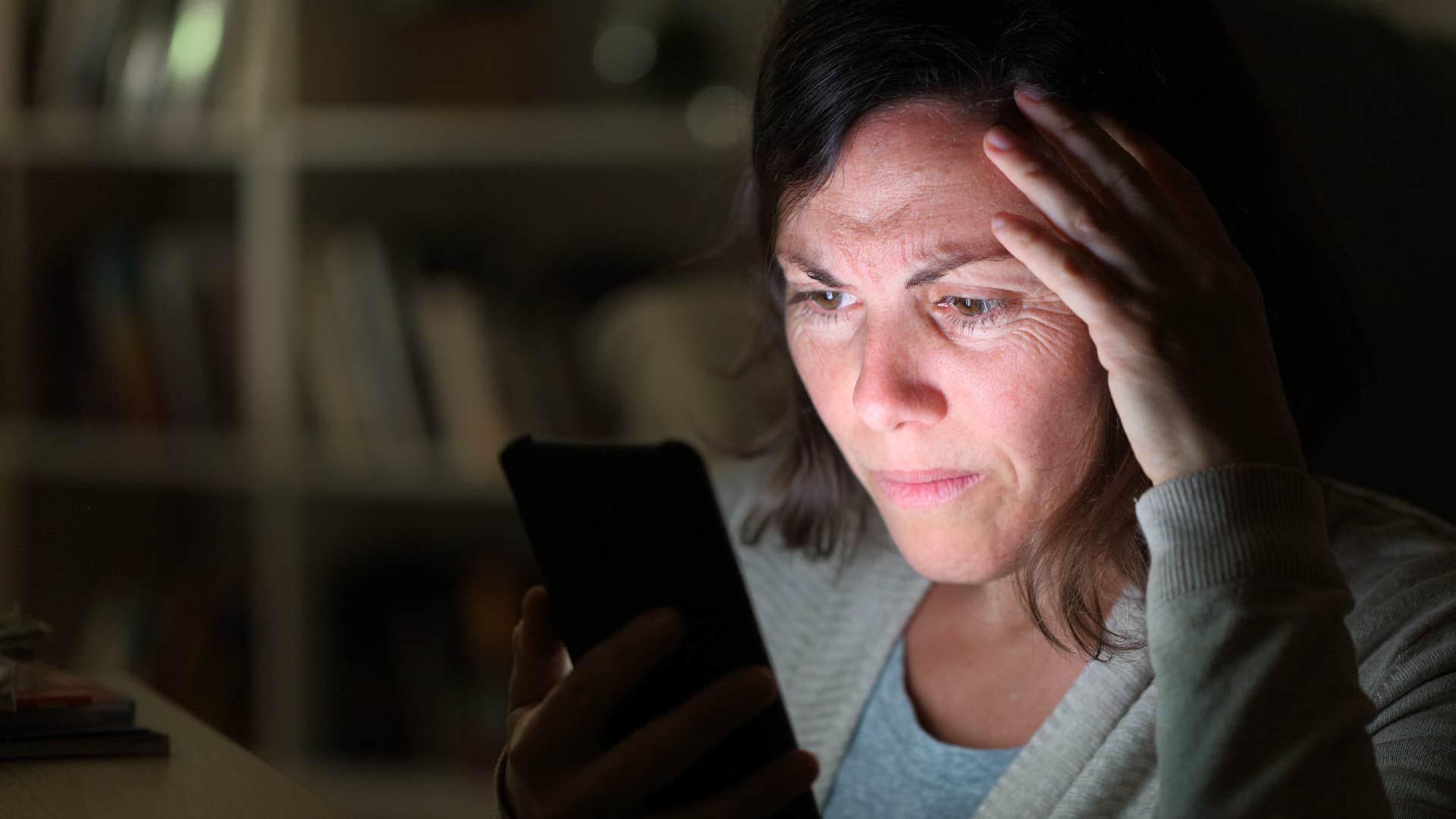
If someone struggles with mindfulness, chances are they’re also struggling with some kind of inner turmoil, overstimulation, or avoidant tendencies. They struggle to sit in silence, connect with their bodies and minds, or turn off distractions to live in the moment. Even when deciding what to eat, slowing down and noticing feelings or cravings in their bodies can make it that much more difficult to choose.
Tapping into their own bodies without stimulation from a phone or distractions from busyness feels like something they need to run from. There’s an element of fear or distrust in their bodies, even if it’s vague and subconscious, that makes it hard for them to make even the smallest decisions to meet their own needs.
3. Boredom
 Franci Leoncio | Shutterstock.com
Oftentimes, when people are bored, they resort to eating as an escape, according to a study published in Frontiers in Psychology. Especially when they struggle to sit with their own thoughts, engage in healthy habits during their alone time, or accept quietness in a grounding way, eating becomes a distraction to fill their time, rather than actively responding to the feeling of hunger.
Women who never seem to know what they want to eat may secretly be struggling with spending time in their own company or amongst their own thoughts. They resort to eating, even when they’re not hungry, which makes following cravings or crafting a meal feel much harder than it would be if they were meeting that fundamental need.
4. Putting everyone else’s needs first
 Markus Photo and video | Shutterstock.com
Many women are socialized from a young age to put their own needs last and to be agreeable in the face of others’ demands, needs, and desires. Especially for mothers, who are urged into this people-pleasing identity from day one and hold the weight of most cognitive, emotional, and household responsibilities, these seemingly small decisions are never a conversation centered around “What do I want?”
Putting everyone else’s needs first isn’t just a lifestyle commitment, but a driver behind small choices like deciding what to have for dinner.
5. Mental overwhelm and anxiety
 PeopleImages | Shutterstock.com
When a woman’s body is stuck in “fight or flight” mode, it can often cause a state of inner turmoil that makes even the smallest daily habits, like deciding what to eat for a meal, feel impossible. Especially considering women often experience higher cortisol levels in the face of stress and turmoil, even small parts of daily life can feel overwhelming and anxiety-inducing when they already have a lot on their plate.
Women who never seem to know what they want may be passive about dinner options or relatively flexible people, but there’s also a chance that making a decision feels difficult because they have so many anxious thoughts.
6. Pressure to make the right choices
 DimaBerlin | Shutterstock.com
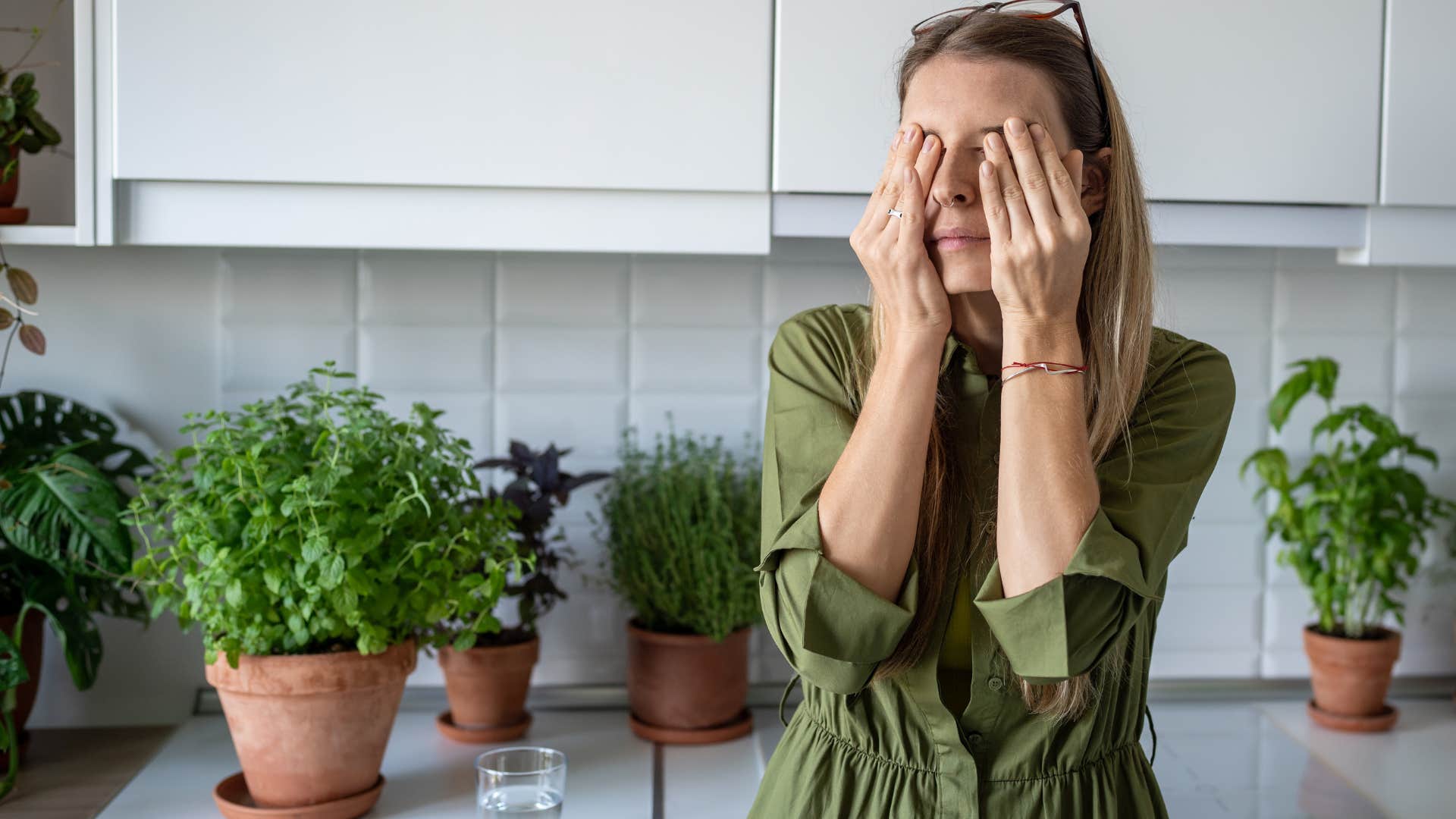
Especially in our culture that’s growing hyper-focused on wellness, eating, and general lifestyle expectations, especially for women, struggling to make choices around meals and food can come from pressure to make the right choice.
For women whose eating habits are intrinsically tied to their sense of beauty or self-worth, struggling to know what to eat can feel like an internal battle. They may want to fit certain lifestyle expectations or lean into healthier habits, but struggle to actually make the daily decisions about what the “right choice” might be, whether it’s actually healthy or not.
7. Chronic stress and burnout
 Inside Creative House | Shutterstock.com
According to a study published in the Communications Psychology journal, facing chronic stress and being at risk for burnout can often cause struggles with decision-making. Whether it’s making poor decisions or struggling to make any at all, being under a lot of pressure, having an unsustainable workload, or using busyness as a distraction for addressing internal turmoil can make even the smallest daily decisions difficult.
Women who consistently overwork themselves, whether it’s by taking on an unbalanced burden of responsibilities at home or saying “yes” too often at work, may be the same ones who never seem to know what they want to eat when they finally have a moment to themselves.
8. Unresolved trauma
 PeopleImages | Shutterstock.com
Conversations about the connection between childhood experiences and adult lifestyles are incredibly nuanced, but in most people, they’re directly connected. Whether due to a struggle with eating as a child or not feeling like their preferences were ever taken into consideration by parents, women who never seem to know what they want to eat may be secretly struggling with unresolved trauma around childhood needs, food, or eating habits.
They may not feel empowered to make their own choices without reassurance. They may struggle with eating in general if they’ve experienced disordered eating patterns in the past.
Regardless of where their indecision and turmoil around choices and food stems from, it’s possible that they’re affected not by present stress and simulation, but by innate beliefs and experiences they haven’t acknowledged or addressed.
9. Financial constraints
 DimaBerlin | Shutterstock.com
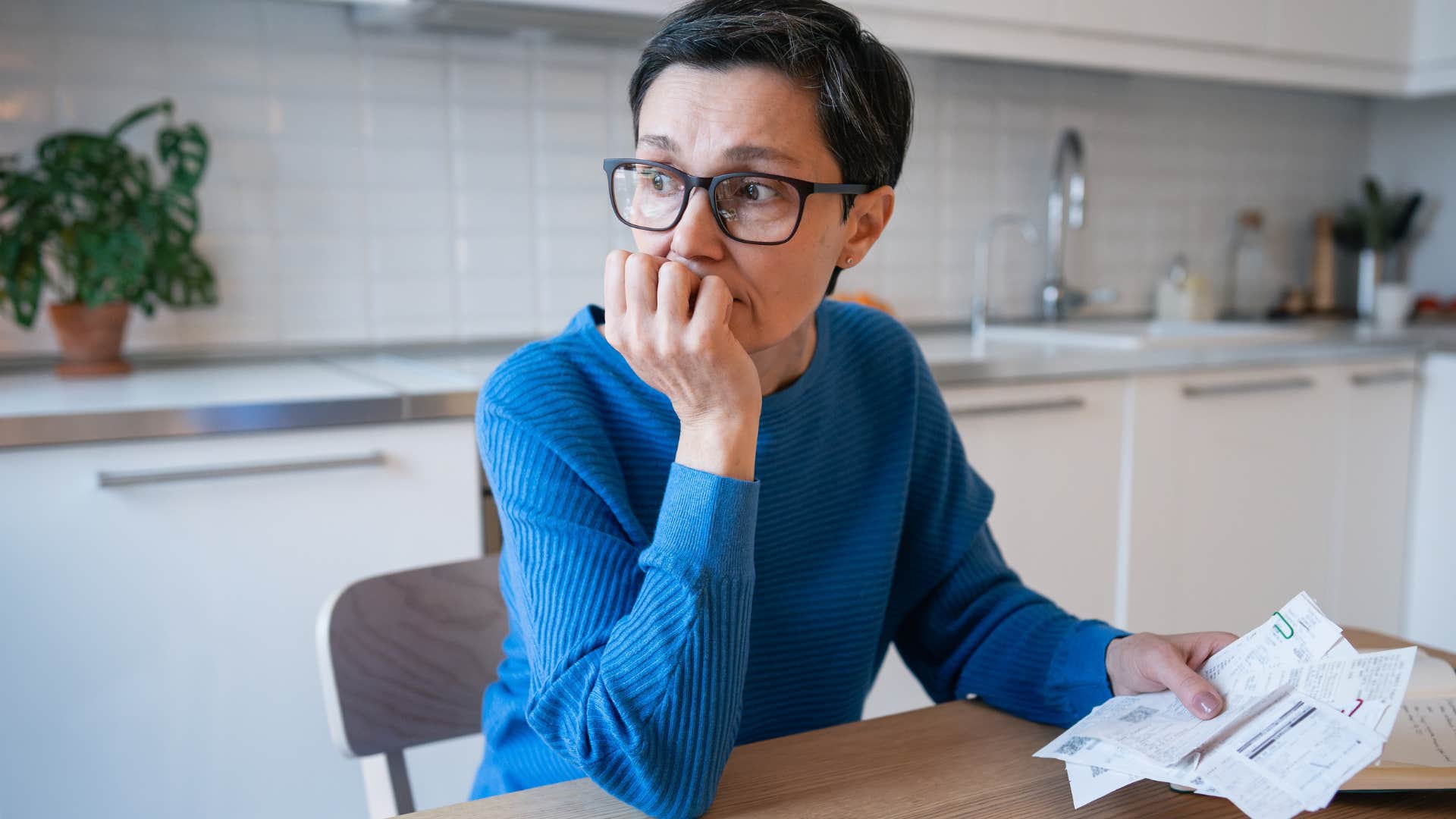
Modern economic turmoil, struggles with money, and financial stress are things many people today experience, yet for some, it still feels taboo to address or verbalize. However, that doesn’t mean it’s not still inherently affecting someone’s life, whether it’s on a large scale, like struggling to afford basic necessities like rent, or smaller choices like planning meals daily.
Women who never seem to know what they want to eat may be tired of eating the same budget-friendly meal. They may struggle to choose without the money to spend on what they actually want. They might be grappling with shame about struggling to feed their families, and pushing their own hunger aside to help others.
Especially in today’s world, where many people struggling financially are also struggling to buy groceries and put food on the table, it’s not a stretch to assume that money stress impacts this seemingly subtle, unsuspecting daily choice.
10. Embarrassment or shame
 Inside Creative House | Shutterstock.com
If someone struggles to eat around others or think about food without bringing up internalized shame, there’s a chance they’re relatively passive about conversations about meal choices as a defense mechanism. If they’re embarrassed about changing their mind or taking too long to decide, they might run from these kinds of conversations or immediately appease others’ opinions.
Shame is a powerful emotion, and for many women it’s directly tied to food, eating, and self-worth.
Zayda Slabbekoorn is a senior editorial strategist with a bachelor’s degree in social relations & policy and gender studies who focuses on psychology, relationships, self-help, and human interest stories.
