
11 Things Many Women Think Are Normal, But Are Actually Signs Of 'Daddy Issues'
 Stayman | Shutterstock
 A father's relationship with his daughter is one of the most important that she'll have in her life, and if he doesn't show up with warmth, care, and intention, it can spiral her adult relationships and self-worth. Even though it's relatively common for women to work through these childhood wounds — wounds that often cause jealousy, anxious attachments, and a lack of trust later in life — there's still a lot of stigma.
While behaviors look different for everyone and manifest in subtle ways, there are still some things many women think are normal, but are actually signs of "daddy issues." They've been taught to take accountability for these struggles and often suffer at their hands in their relationships, even if it's rooted in their father's treatment of them in their most vulnerable state as a child.
Here are 11 things many women think are normal, but are actually signs of 'daddy issues'
1. Over-explaining themselves constantly
 Mladen Mitrinovic | Shutterstock
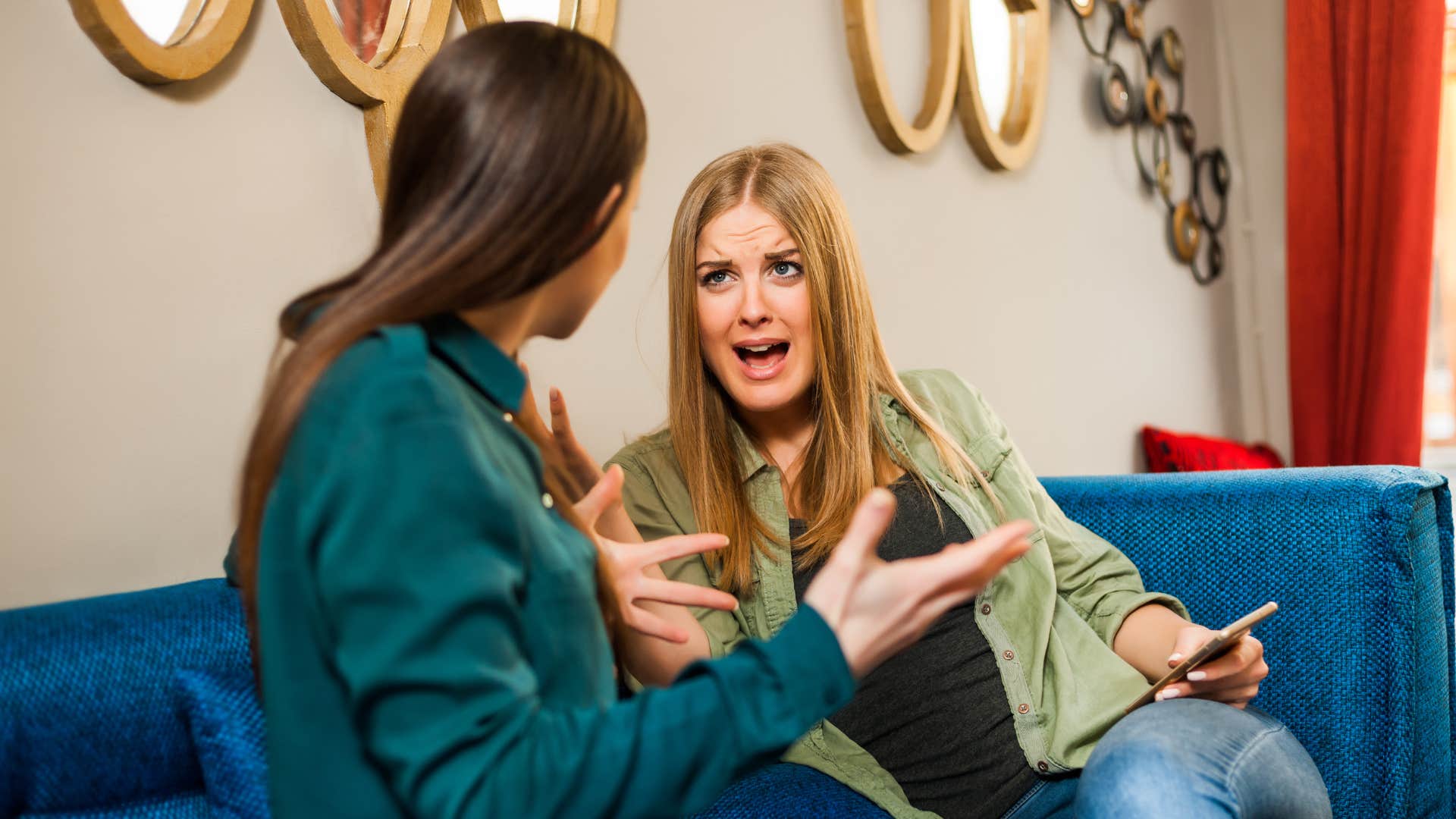
According to psychotherapist Kaytee Gillis, feeling a need to over-explain yourself in your adult life often stems from childhood experiences where you felt a need to explain yourself to avoid being "in trouble" or missing out on conditional love. If you were held to unrealistic expectations by a father figure or made to fit a mold that you found uncomfortable, this habit of over-explaining became second nature.
It's a stress response and defense mechanism, and one of the things many women think is normal, but is actually a sign of "daddy issues." You were afraid that if you didn't explain why you said or did something, you wouldn't feel accepted, loved, or heard by your parents at home.
2. Craving male approval without realizing it
 Inside Creative House | Shutterstock
Even with men whose advice you don't care to seek out or who you don't admire, seeking validation from them can come with the territory if you spent your entire childhood without that kind of attention or acceptance from your own male father figure. Amid feminist discourse and a general "decentering" movement for women around men in our society, this kind of behavior pattern can feel shameful for many women, but it doesn't have to be.
Seeking validation when you didn't receive any as a kid doesn't have to be a "bad" thing, but rather a reminder that you're deserving of and still need acceptance as an adult. It's a reminder that you still care to build connections and feel community with the people around you. The trick is being able to distinguish who deserves that attention from you and who's worthy of providing that kind of care in your life today.
3. Tolerating bad partners and misbehavior
 Tirachard Kumtanom | Shutterstock
We often choose similar partners to our parents as adults because of their attachment styles. We take on the styles of our parents or adopt ones in response to the lack of our parents' love styles, and bring them into our future relationships with friends, family, and partners. Because of that, women who struggled to receive the unconditional love they needed from their fathers may find themselves tolerating similar behavior in their male partners.
They set poor boundaries or struggle to stand up for themselves, even if people-pleasing only leads to a cycle of misbehavior. But that doesn't mean it's forever. When you find the space to address and heal from unresolved trauma, you open yourselves up to better relationships and more secure attachment styles.
4. Dealing with an anxious attachment style
 DimaBerlin | Shutterstock
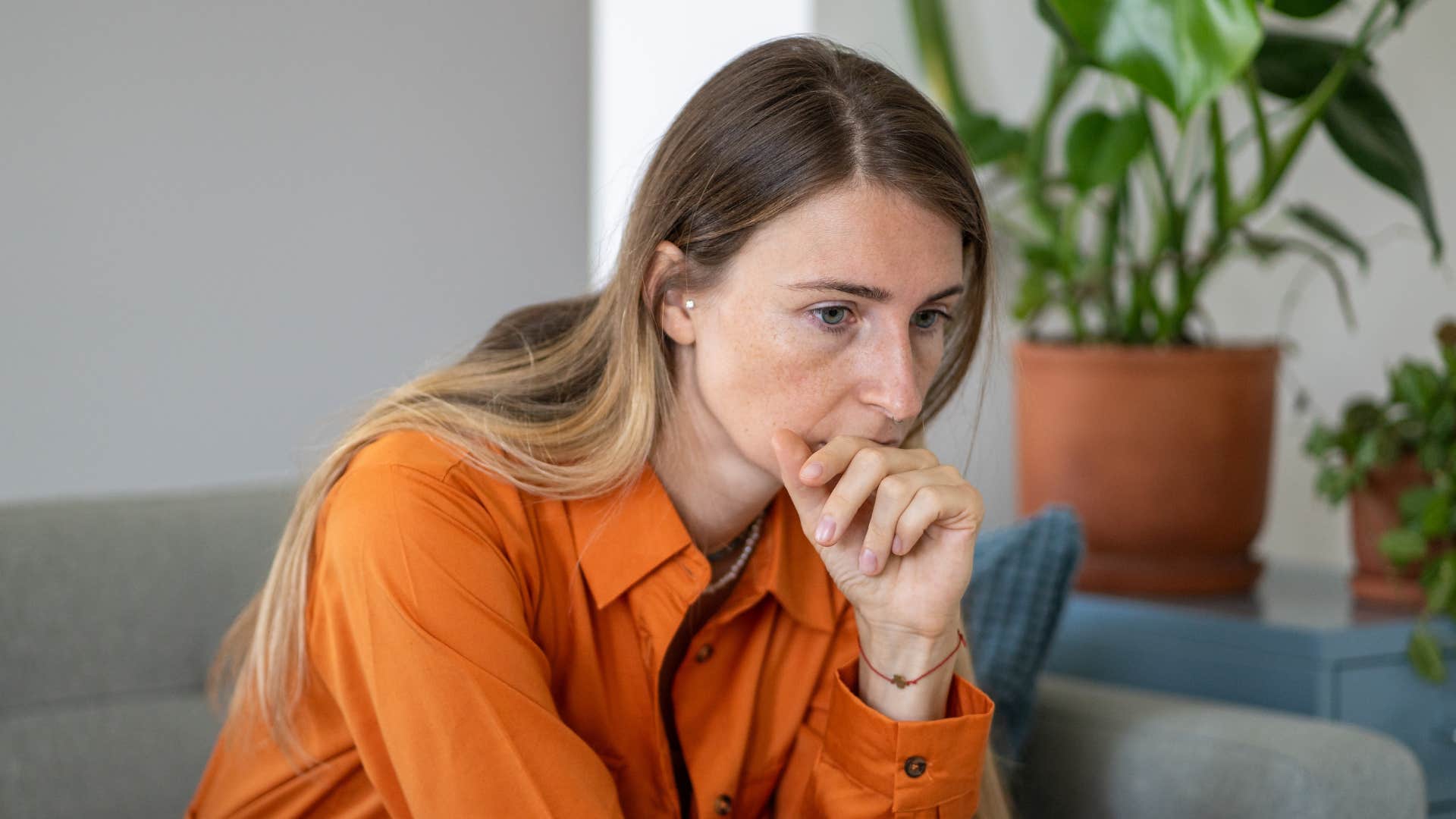
If you struggled with conditional love or begging for love from parents as a kid, chances are a fear of rejection or abandonment lingers in your relationships today. You feel overly clingy with male partners or even codependent in your relationships, sometimes without realizing it, because love was something you had to "prove" or work for as a child.
Often, anxious attachments stem from low self-esteem — a kind of insecurity that comes from childhood trauma. Your parents' love was tied to your self-worth, and when you had to work for it, being avoided or dismissed felt like a personal attack.
5. Downplaying their own needs
 Hananeko_Studio | Shutterstock
If your needs were the last thing on your parents' minds and you felt pressured to "prove yourself" worthy of love from a parent, chances are, people-pleasing became second nature. You wanted to protect the peace and feel "lovable," even if it meant putting your needs on the back burner.
That's part of the reason why childhood mistreatment leads to loneliness and isolation later in life. You've taught yourself — rather, your parents taught you — that your needs aren't worthy of being met, so balance struggles in relationships are sabotaged from the beginning.
6. Feeling anxious all the time
 simona pilolla 2 | Shutterstock
The "fight or flight" mode often stems from a survival mechanism. If you've lived your life constantly begging for attention and love, chances are your nervous system has come to expect this kind of uncertainty — your unresolved trauma is causing you to live in some form of "survival mode."
If you feel anxious all the time, struggle to unwind at night, and find yourself overlooking breaks during the chaos of the day, these could be signs of emotional suppression and turmoil you've struggled to address. It's one of the things many women think is normal, especially in the face of a million responsibilities and an unrealistic expectation to handle them all with grace, that could actually be signs of lingering childhood trauma.
7. Struggling to trust people
 Aloha Hawaii | Shutterstock
When the people you're supposed to rely on and trust the most don't give you the tenderness, care, and basic needs you expect, it can spiral into a mistrust of the world as an adult. Whether that manifests as an avoidant attachment in romantic relationships or an inability to commit, this mistrust is one of the things many women think is normal, but is actually a sign of "daddy issues."
Especially for women, the relationship they share with their fathers is one of the most important they have in their lives. It teaches them what love is supposed to look like, but if they don't show up in warm, caring, and intentional ways, it can spiral them into toxic patterns. If you're struggling with trust, it's not because you're "broken," it's because you haven't given the right person the chance to prove to you that it's possible.
8. Being overly independent
 GaudiLab | Shutterstock
According to relationship therapist Annie Tanasugarn, parentification as a kid — being forced to "grow up" too quickly — can often spark over-independence in adulthood. You don't expect anyone to show up to help, support, or love you, because you had to do it all for yourself and your family as a kid. You live in a constant state of survival because your self-reliance has become a strong burden.
It's one of the things many women think is normal, but is actually a sign of "daddy issues." Especially considering many women take on the majority of the responsibilities in their relationships and households as adults, it's not surprising that leaning into this independence feels easier than addressing its root cause.
9. Equating love to struggle or sacrifice
 Svitlana Hulko | Shutterstock
While relationships of any kind, whether they're intimate or family, require some kind of commitment and intention, they shouldn't always feel like "work." They shouldn't be constantly uncomfortable, and they certainly shouldn't feel like an obligation.
Even if you struggled with balance, warmth, and affection with your parents growing up, that doesn't mean that your relationships with people have to continue that cycle. Love doesn't have to be associated with struggle and sacrifice, and while you may be subconsciously searching out those cycles because they're familiar and you know how to navigate them, they're not what you truly deserve.
10. Feeling a constant desire to be 'needed'
 MDV Edwards | Shutterstock
If you're a parent, feeling "needed" might look like codependency. But that kind of urge to feel important to people is really rooted in wanting to be "indispensable."
Many people who have struggled with "daddy issues" or complicated relationships with their parents growing up fear being rejected or abandoned. They need to feel like they can't be replaced, even if it manifests subconsciously in behaviors like people-pleasing that they don't notice in their relationships.
11. Struggling to ask for help
 Prostock-studio | Shutterstock
If asking for help felt impossible growing up, especially with parents who expected you to be a third "parent" or the most responsible sibling, chances are you still struggle with it as an adult. While it might feel empowering in some spaces to be the most independent, self-reliant person in the room, it can also be lonely to suffer, struggle, and work alone.
Who did you turn to for help as a kid? How did they respond? These questions can guide you in addressing the root of your discomfort when it comes to asking for help. Just remember, the more you ask for help, the more you help other people to feel "needed," and the more stable, secure, and empowering your relationships become.
Zayda Slabbekoorn is a senior editorial strategist with a bachelor's degree in social relations & policy and gender studies who focuses on psychology, relationships, self-help, and human interest stories.
