
5 Small Things Scientists Say Can Make Life Feel Much Happier As You Age
 Olena Yakobchuk | Shutterstock
 The BIG JOY Project, a collaborative research initiative from the Greater Good Science Center at the University of California, Berkeley, and other institutions, has found that people who complete daily “micro-acts” of joy over the course of a week have a 25% increase in their emotional well-being and feel happier as they age.
The science director of the Greater Good Science Center and a BIG JOY project leader, Emiliana Simon-Thomas, stated in an NPR article that completing small, actionable measures to bring happiness helps people create “greater well-being, better coping, less stress, and more satisfaction with relationships."
Here are the five small things scientists say can make life feel much happier as you age:
1. People who feel happier as they age often jot down things they're grateful for
 Curated Lifestyle / Unsplash+
Keeping a list of small things you’re grateful for throughout the course of a day is a great way to take note of the brighter parts of what can be a challenging existence.
It’s easy to get caught up in the day-to-day grind of life, with work, appointments, errands, and meetings, and lose sight of what makes us feel good. Yet taking note of what brings us happiness is a valuable way to remind ourselves of what grounds us.
Whether you jot down your list of gratitudes while drinking your morning coffee or think of them while walking your pup, actively reflecting on what we’re grateful for helps expand our capacity to find those moments, in general.
UC Berkeley's Greater Good Science Center found that people who kept a gratitude journal weekly for 10 weeks reported greater optimism and better sleep than those who journaled about daily hassles. Writing down what you're grateful for actually trains your brain to notice the good more easily over time, which gradually shifts your emotional baseline in a real and measurable way.
2. People who feel happier as they age go out of their way to do small acts of kindness
 Getty Images / Unsplash+
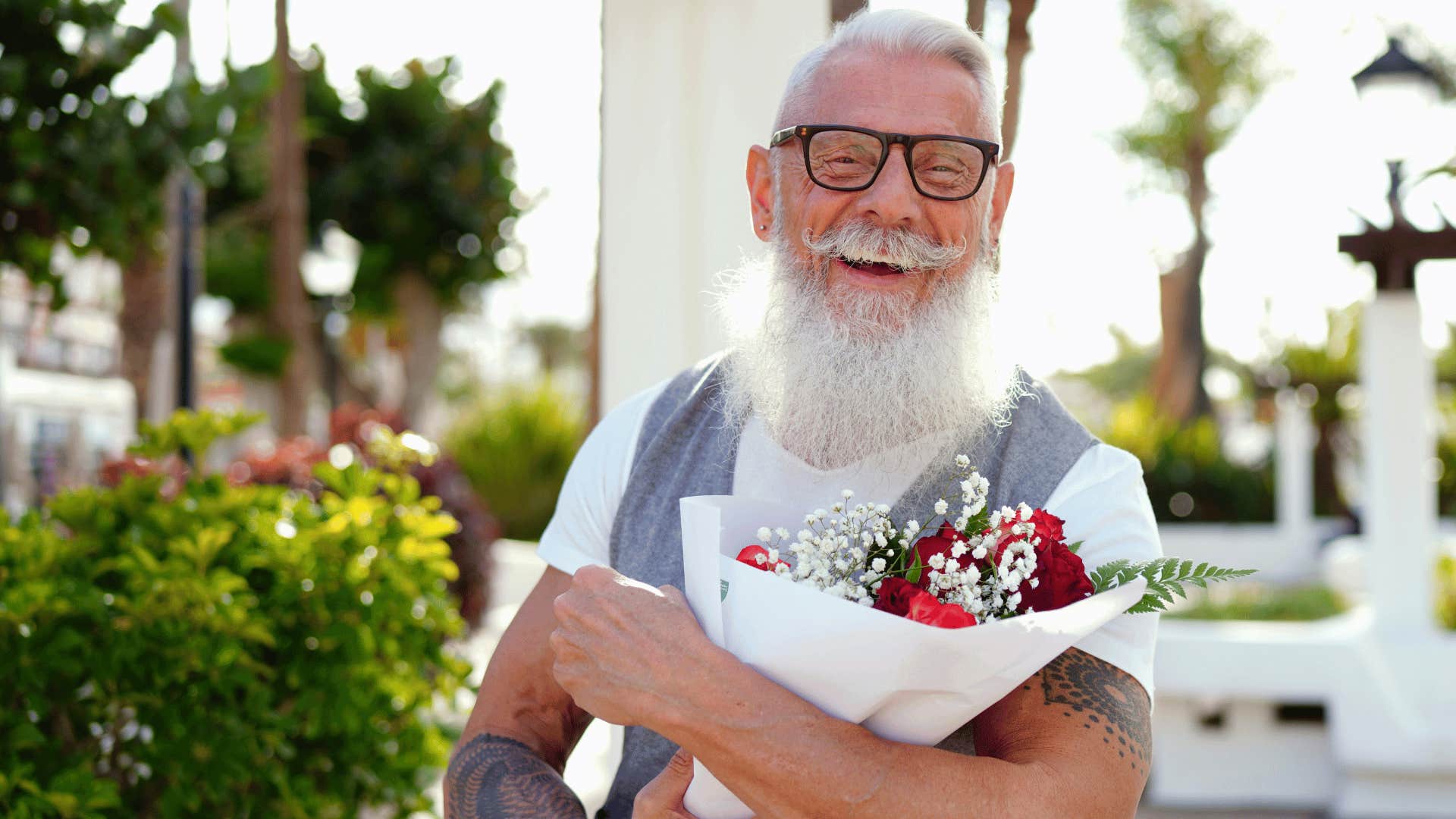
We all have tough days, where nothing seems to move in our favor. One way to shift our perspective in hard times is to open ourselves up to the people around us and offer them a small act of kindness.
It can be as simple as shooting a “thinking of you” text to a friend, or asking the clerk at the grocery store how they’re feeling. By reaching out to people in our community, we take ourselves out of our own busy minds, refreshing our sense of connection.
Being kind to others consistently predicts higher well-being, even when the gesture is small. Harvard researchers have also found that kindness is linked to lower anxiety and a stronger sense of connection, with benefits that tend to stick around well beyond the moment itself.
3. People who feel happier as they age share in other people's joy
 Eduardo Barrios / Unsplash
Another actionable way to soak up joy is to share in someone else’s happiness. By celebrating a loved one’s achievements, you’re not only showing kindness and generosity, but you’re also commemorating the sheer fact that good moments do, in fact, exist, even in times of trouble.
Psychologists actually have a word for the joy you feel when someone else succeeds: freudenfreude, and it turns out it does more for you than you might expect. The Greater Good Science Center at UC Berkeley connects sharing in other people's positive emotions to increased happiness, stronger relationships, and greater emotional resilience over time.
4. People who feel happier as they age take time to slow down and reflect
 Getty Images / Unsplash+
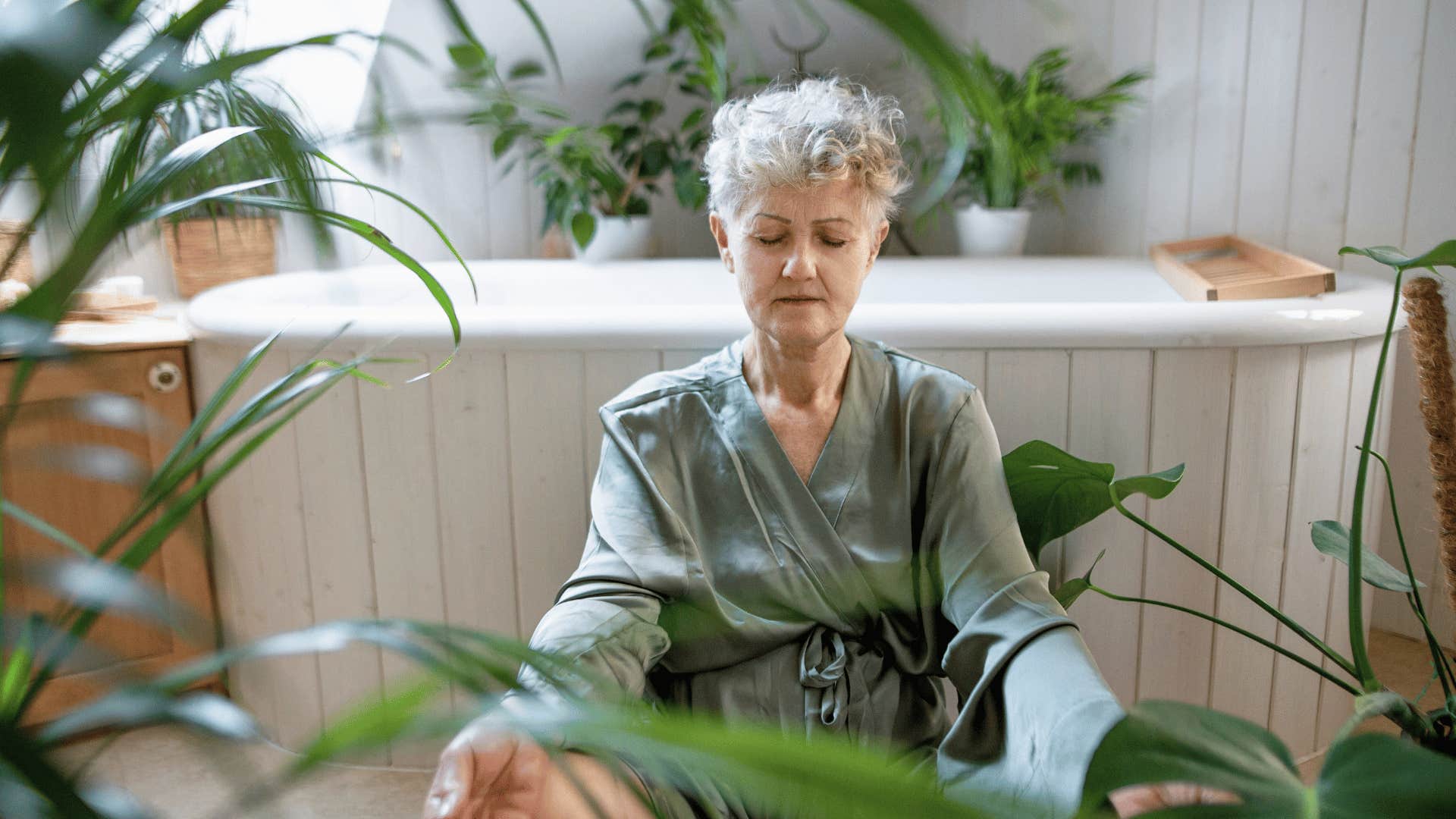
Centering ourselves through meditation or self-reflection is a small way to pause, breathe, and realign our intentions for the day. While meditating can seem difficult or inaccessible, there are simple techniques for meditating that make it more accessible.
You might find that practicing moments of self-reflection gets easier the more you try. Simon-Thomas equated maintaining our mental and emotional well-being to our physical health, saying, "If you want to stay physically fit, you have to keep exercising," inferring that practicing consistent mental hygiene is what keeps us feeling happy. "Part of this is intention setting," she continued.
A Harvard study found that mindfulness meditation can physically change the brain in ways that correlate with reduced stress and a more stable mood, with similar benefits showing up in memory and learning in older adults. People who practice consistently also score higher on measures of well-being than those who don't, which tracks with what Simon-Thomas describes.
5. People who feel happier as they age look for meaning in life's challneges
 Getty Images / Unsplash+
Even if we commit to practicing our micro-acts of joy, we’ll likely still experience bad moments on any given day or week. After all, nothing is entirely perfect at all times. Yet even low moments give us a chance to change our thinking for the better, by utilizing positive reframing techniques.
When something uncomfortable or unfortunate occurs, we can shift our perspective on the event by identifying the silver linings.
As psychiatry professor and BIG JOY researcher Elissa Epel explained, practicing micro-acts of joy allows us to maintain “this feeling of agency” over the parts of our lives we can’t otherwise control. She said, "These very short practices are clearly having a positive residue.”
While micro-acts of joy can’t overhaul major systems of inequity or ensure that someone’s basic needs get met, that doesn't mean they are insignificant. They are small, accessible ways to recognize the moments of goodness our lives hold, which we can all benefit from noticing.
Alexandra Blogier is a writer on YourTango's news and entertainment team. She covers mental health, pop culture analysis, and all things to do with the entertainment industry.
