
11 Signs A Woman Is Doing Too Much For People Who Wouldn't Do The Same For Her
 pedro7merino | Shutterstock
 Whether it’s rooted in societal expectations, cultural norms, internalized perfectionism, or unresolved trauma, women who overextend themselves regularly put themselves at risk for burnout and identity erosion, according to psychologist Melanie A. McNally. Even if she’s not entirely aware of her tendency to overwork herself, there are many external signs a woman is doing too much for people who wouldn’t do the same for her.
From the workplace to household labor in her living space, childcare, and even emotional expectations in a relationship, women are often expected to handle all of the work that men don’t want to do. They push themselves to take on unrealistic workloads, often without much recognition and appreciation. But that doesn’t have to be their reality, especially if they get comfortable reflecting on their exhaustion, building self-assuredness, and setting boundaries.
Here are 11 signs a woman is doing too much for people who wouldn’t do the same for her
1. She always reaches out first
 DimaBerlin | Shutterstock
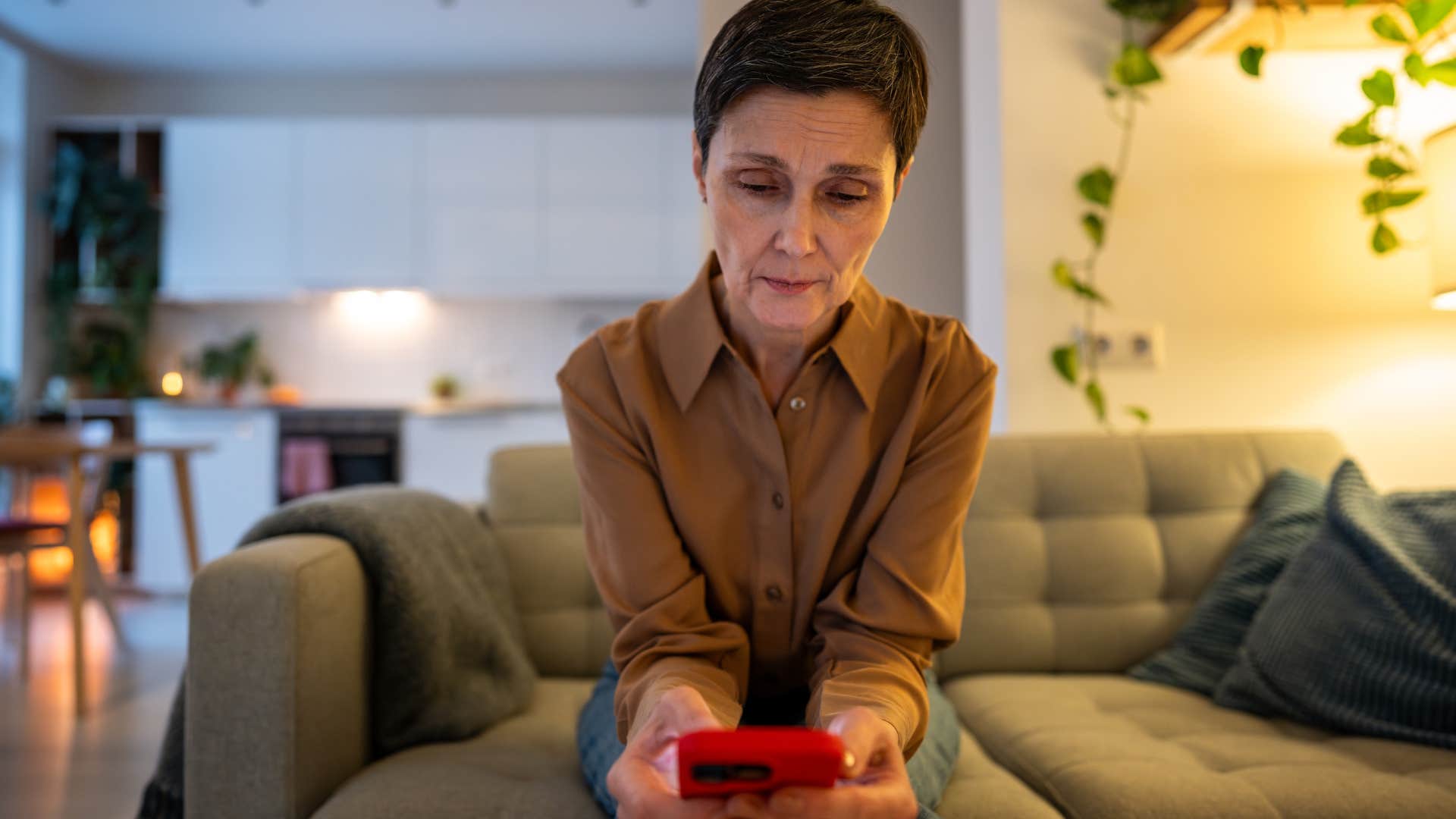
According to a study from Johns Hopkins University, communication strengthens our relationships and cultivates stronger bonds. From healthy conflict-resolution practices to bonding with passing compliments, it’s these small moments that make us feel heard, valued, and important.
However, if a woman is doing too much for people who wouldn’t do the same for her, she’s always the person reaching out first. She rarely feels heard or important when speaking to people, because if she didn’t text, call, or reach out first, there would be no conversation. When she doesn’t have the time to contact people, she feels incredibly alone and isolated.
2. If she doesn’t do it, it won’t get done
 Zivica Kerkez | Shutterstock
Whether it’s household chores, picking up the kids, or handling certain tasks in the workplace, women who give too much of themselves to others often feel an unrealistic burden to handle everything. If she doesn’t do it, it won’t get done — putting a ton of anxiety and emotional tension on her ability to show up every single day.
Even if it’s administrative work in the workplace that’s supposed to be shared by all co-workers, women tend to be responsible for these things. If they’re not at the top of their game every single day, the work everyone expects to be done won’t be, and that chips away at her externally validated self-worth.
3. She over-apologizes
 Krakenimages.com | Shutterstock
When a woman feels a burden to handle everything and manage unrealistic expectations in her life, she may over-apologize for basic necessities. From guilt about resting to apologies for asking for the bare minimum in her relationships, they do so much for other people without being offered the grace to take care of themselves.
The anxiety that comes from their perfectionist expectations and overbearing schedules manifests as a fear of being a burden, as many women experience, according to a study from Aging & Mental Health. They take on more and more, over-apologize for not being perfect, and accept misbehavior, all to cope with worries that they’re a burden.
4. She gives people chances they don’t deserve
 Fit Ztudio | Shutterstock
When you give someone third, fourth, and fifth chances when they treat you poorly, you’re telling yourself that you don’t deserve kindness and accountability. You’re essentially affirming self-doubt that you’re only deserving of poor relationships and bad people.
Setting boundaries isn’t easy, especially when you’ve already got a lot on your plate, but it’s the key to weeding out the people who make your life harder and drain your energy.
That’s why giving people multiple chances they don’t deserve is often a sign of a woman who’s doing too much for people who wouldn’t do the same for her. She continues to let them back into her life, even if they’re not willing to do the work to change anything.
5. She tolerates misbehavior
 Gorodenkoff | Shutterstock
A lack of boundaries and pouring into people that drain them are signs a woman is doing too much for people who wouldn’t do the same for her. She cares more about protecting the peace and making sure everyone else is “good” than setting her boundaries and carving out a space where she’s actually respected.
Women are known to offer more emotional support than men in their relationships and families, especially during hard times, but that doesn’t mean they have to tolerate people who take it for granted.
6. She equates loyalty to self-sacrifice
 Gladskikh Tatiana | Shutterstock
According to a study from Stanford University, self-sacrificing for the needs of others often encourages emotional suppression that harms partner well-being and general happiness. The more you suppress your own needs, concerns, and feelings, the more at risk relationships are for resentment and frustration.
Despite that, women who do too much for other people, even those who wouldn’t do the same for her, tend to equate loyalty with self-sacrifice. They give so much of themselves to others, believing that this altruism is what feeds their self-worth, even when it means putting their own identity, well-being, and health at risk.
7. She worries about being ‘too much’
 Perfect Wave | Shutterstock
Women are often socialized from a young age to be “smaller” and more agreeable, especially around men who stereotypically hold all the power and influence, so it’s no surprise that women today worry about being “too much.” They’re often celebrated for being supportive and quiet in the demands of men, whether it’s in a relationship or at work, even if it means harming personal well-being.
Even if she’s handling everything without recognition and putting her needs to the side for others, she worries about asking for the bare minimum.
8. She seeks validation from other people
 Branislav Nenin | Shutterstock
A need for external validation often comes from a desire to feel accepted and appreciated by others, which is why it’s not surprising that it’s a common thread for women who do too much for people who don’t do the same for her. She’s always looking for a moment of gratitude — to feel special for all the work and sacrifices she does — so turning to validation-seeking behaviors is common.
Whether it’s posting for attention on social media, fishing for compliments, or changing her appearance to be more attractive to certain people, she’s always yearning for the appreciation she’s missing in her relationships.
9. She changes her routine for others
 Julija Sulkovska | Shutterstock
Whether it’s going out on a night when she’s exhausted to satisfy a friend or staying up late to handle chores when her partner is “tired,” women who do too much for other people often change their routines for others. Even if it comes at the expense of their own personal well-being, self-esteem, and rest, they often put other people’s needs above their own.
While centering other people can occasionally boost relationships, connections, and empathetic behaviors, when someone’s own needs consistently go above a woman’s, their well-being is at risk. They’re tying their self-worth to showing up for others, even when it drains them from the core.
10. Nobody checks on her
 Rawpixel.com | Shutterstock
According to a study from the Journal of Social Psychology, reciprocal social support is inherently tied to personal well-being and life satisfaction. The more connections and support you cultivate, the more prepared you are the weather the stress, frustration, and adversity of life. You can’t control everything, but you can control who you surround yourself with.
Lacking that kind of support and struggling to find people who care about checking in are signs that a woman is doing too much for other people who wouldn’t do the same for her. She responds immediately, drops everything to help, and often puts her needs to the side to support her people, but they rarely do the same for her.
11. She makes excuses for people
 Gorgev | Shutterstock
When something hurts us and we make excuses for the behavior, instead of addressing and “fixing” it, we’re essentially invalidating ourselves on a deep level. We’re telling the emotions and inner self that’s hurting that they’re invalid in some way for feeling the things they do.
While it might protect the peace in a relationship or spark a fleeting sense of comfort, women who make excuses for people who hurt them are chipping away at their self-worth and well-being. They’re so used to putting other people first and making themselves smaller — largely because of socialization early in life — that doing anything empowering feels scary.
Zayda Slabbekoorn is a senior editorial strategist with a bachelor’s degree in social relations & policy and gender studies who focuses on psychology, relationships, self-help, and human interest stories.
