
People Who Are Mentally & Emotionally Advanced Usually Say 10 Phrases In Casual Conversation
 Krakenimages.com | Shutterstock
 We've all met people who are book smart and people who have high emotional intelligence, but the folks with both are exceptionally rare.
Mentally and emotionally advanced people don't just blurt out the first thing that comes to mind when chatting with friends. In fact, what they say in those casual moments can actually give them away.
Phrases mentally and emotionally advanced people say when they're shooting the breeze:
1. 'I could be wrong, but here's how I view it'
 Anatoliy Karlyuk | Shutterstock
Smart people don't pretend to know everything. Emotionally intelligent people don't approach others with the assumption that they're better or more knowledgeable. When you've got both, you'll offer an opinion while recognizing it might not be the right one, and you won't be threatened by it.
There's no insecurity in being unsure. They're simply allowing people to interject and give their own perspective. It's simple, but learning from other people's experiences and knowledge is one of the ways mentally and emotionally advanced people expand their own thinking.
2. 'Give me some time to think about that'
 PerfectWave | Shutterstock
Taking the time to mull things over has never hurt anyone. Unfortunately, many people think that having a quick answer is a sign of intelligence. That's not necessarily true.
In a world that rushes us, learning to slow down has become rare. Especially in a work or academic setting, learning to ask for a moment to think isn't easy. However, for advanced individuals who master it, saying "give me some time" shows forethought and emotional integrity.
3. 'I get where you're coming from'
 GaudiLab | Shutterstock
Most people might've heard a friend or family member say this phrase in passing. For many, it's often used as a form of comfort, but for people who understand emotions and have a high IQ, it's a sincere talking point.
As author Dr. Phil McGraw said, "One of the greatest limitations we face as human beings is that we look at the world from our own subjective perspective — especially in situations that directly involve us." Thankfully, advanced people have grown past this hiccup, which is why they aren't afraid to say, "I get where you're coming from," and mean it.
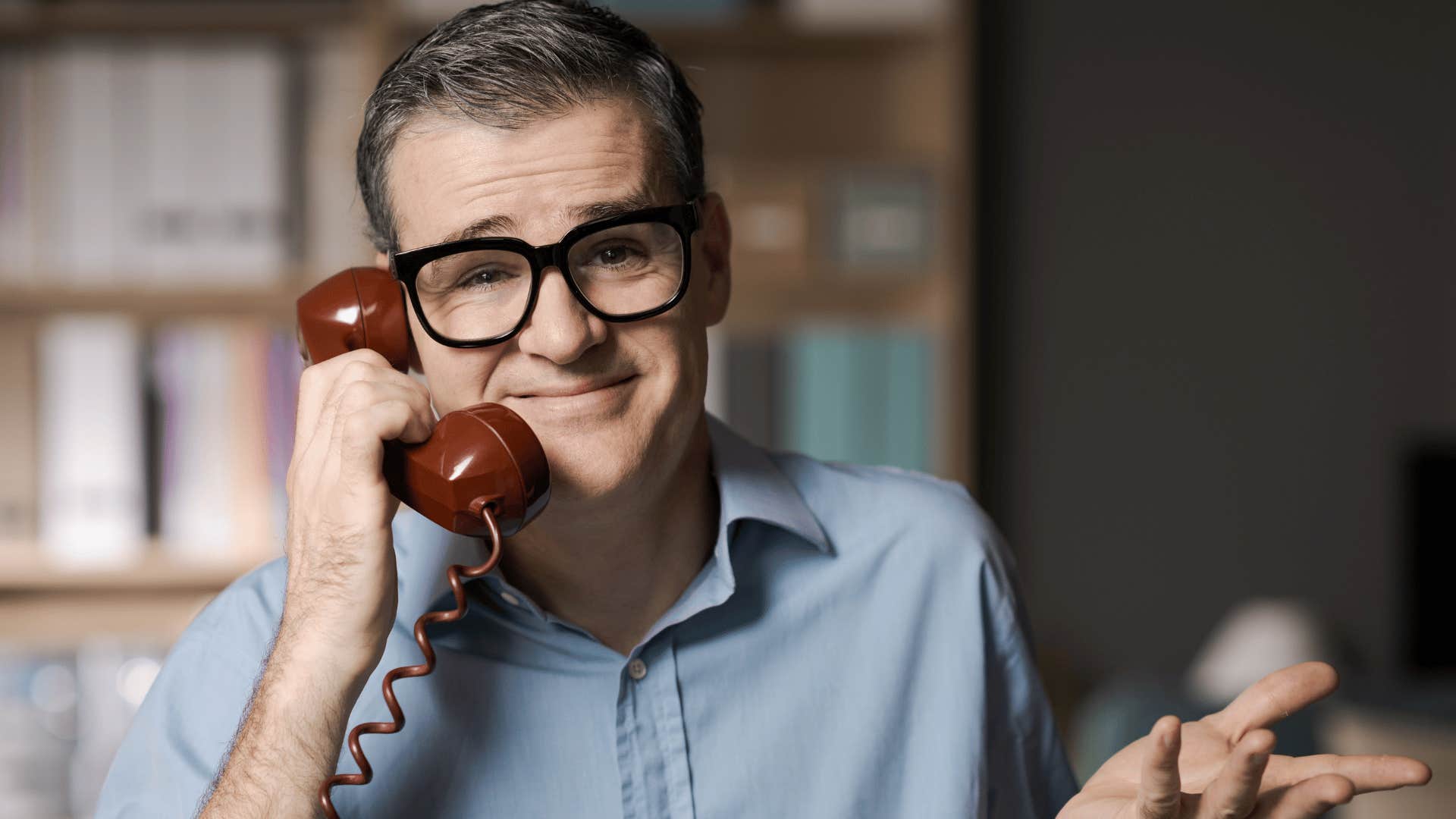
4. 'I've changed my mind'
 Stokkete | Shutterstock
Most people cling to what they think they know due to sheer stubbornness. They hate the idea of someone else being right.
However, people with advanced emotional intelligence aren't afraid to hear other opinions. They move past their previous conceptions and keep an open mind. Willing to hear others out, it's no wonder they're always evolving.
5. 'That's a good idea'
 fizkes | Shutterstock
Praise is a great motivator, but it's hard to come by. In fact, even in casual settings, giving someone else the spotlight isn't easy, especially if you're feeling a little insecure.
People who are mentally advanced have no problem celebrating the intelligence of others because they aren't insecure about their own abilities. They also have the empathy to understand that supporting the people they care about is good for the soul.
6. 'I might've misunderstood
 RossHelen | Shutterstock
People who are exceptionally bright aren't afraid to admit when they're wrong. Standing ten toes down on their mistakes, they'll casually say, "I might've misunderstood," without any fear of looking, for lack of a better term, stupid.
They also have the emotional fortitude to understand the importance of taking accountability. Psychotherapist F. Diane Barth, L.C.S.W., explained, "We humans are imperfect by definition, so we will always make mistakes. But taking responsibility for our actions, even when they are accidents, means that we can change our behavior going forward. And knowing that we can make changes gives us a sense of agency, a feeling of power over what we do and don’t do, and a sense of competence. And that sense of competence can increase self-esteem, improve our work, and mend our relationships."
7. 'I appreciate you telling me that'
 Jacob Lund | Shutterstock
Conversations aren't always pleasant. To have truly meaningful relationships, hard things have to be said sometimes.
When you're smart and you have the ability to put yourself in other people's shoes, you understand that someone sharing difficult emotions is a good thing, even if it doesn't feel like it in the moment.
8. 'I can agree to disagree'
 fizkes | Shutterstock
Not everyone sees eye-to-eye with others. It doesn't matter how commonsense an opinion may seem. Because people have their own worldview, they're bound to come to different conclusions. One of the surefire signs of high intelligence is understanding that two things can be true at the same time. That's where agreeing to disagree comes in.
Someone isn't necessarily wrong because you disagree with them and vice versa. People with advanced emotional intelligence and book smarts understand this concept and are comfortable with the diversity it provides.
9. 'I don't want to make assumptions'
 fizkes | Shutterstock
What's that saying about assumptions? Yeah, they make a donkey out of anyone who does it. People who are mentally and emotionally advanced don't want their predictions to be taken as assumptions.
Advanced people know that waiting to see how things play out is a far better strategy. As therapist Dr. Sheri Jacobson pointed out, "Assumptions damage our capacity to relate to others. If you are always assuming you know how others think and feel, you stop listening and communicating."
So, even if it's hard, it's always better to save the theorizing for fictional work, not reality.
10. 'There might be more to the story'
 DexonDee | Shutterstock
Most people only listen to one perspective and run with it. Especially when it comes to their loved ones, they never think to question if there's more to the story.
People who are mentally and emotionally advanced know just how damaging it is to jump to conclusions. Even if it means casting doubt on someone they know and trust. Unless they've heard both sides of the story, they'll almost always say, "There might be more to the story."
Marielisa Reyes is a writer with a bachelor's in psychology who covers self-help, relationships, career, family, and trending topics.
