
People Who Slowly Lose All Their Friends Over Time Almost Always Do These 11 Things
 PeopleImages | Shutterstock
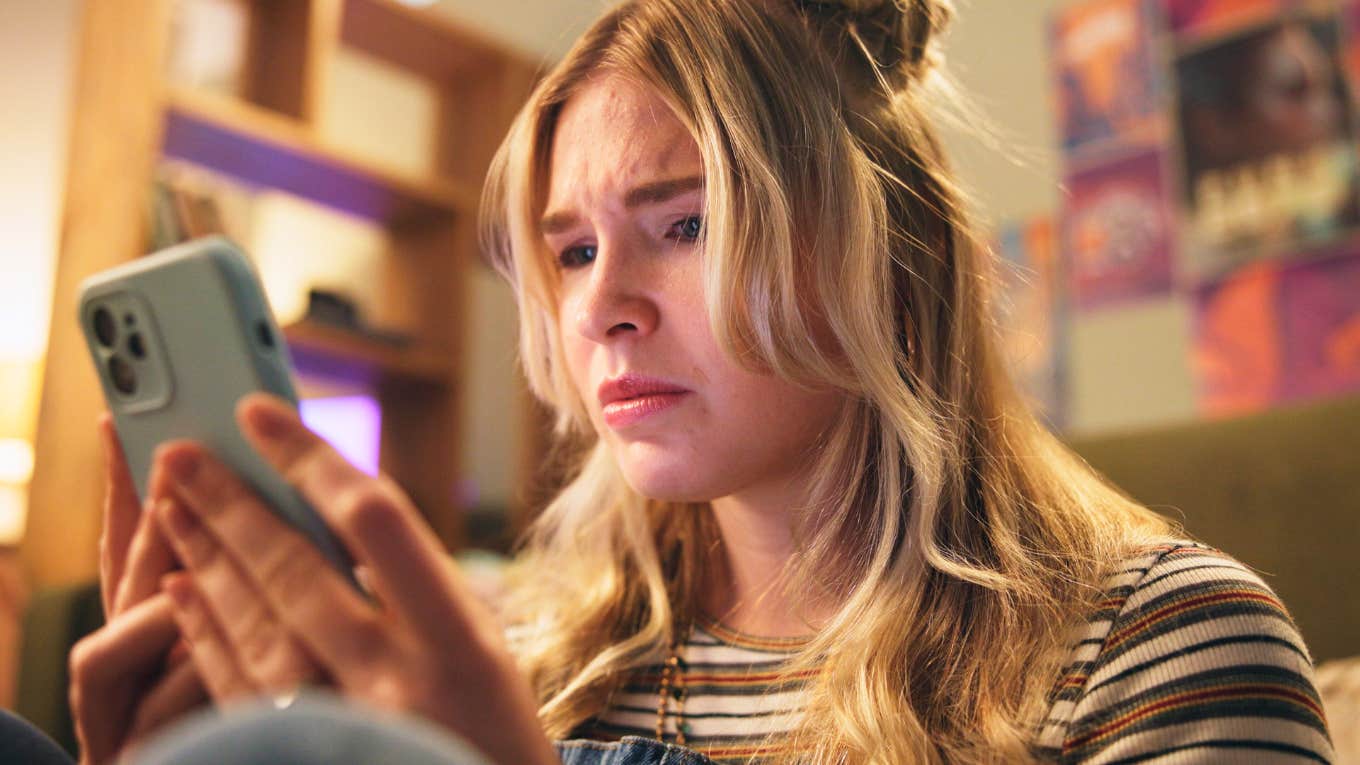
 When people really care about their closest friends, they go out of their way to show up, listen intently, keep promises, and openly communicate their needs. Unfortunately, people who slowly lose all their friends over time almost always do certain things that push those friends away, sometimes without even realizing it. It doesn't matter how long they've known each other — creating that distance can cause that connection to fade away.
While it's not always easy to maintain friendships, between distance or other big life changes, healthy, stable friendships are essential to our longevity and well-being, according to research presented by the American Psychological Association. But as friends grow older and take on more responsibility with each other, they may find their bond beginning to break, particularly when one or both friends start acting abnormally.
People who slowly lose all their friends over time almost always do these 11 things
1. They stop reaching out
 voronaman | Shutterstock
There's nothing wrong with texting a little less than usual, especially when life gets busy and you're not always glued to your phone. While it might be frustrating for those on the receiving end, real friends understand that life happens. Even so, never reaching out and expecting the other person to maintain their friendship with you is ridiculous.
Friendship is a two-way street, and refusing to put equal effort is exactly why some people don't have friends. As clinical psychologist Lise Deguire explained, "Friends require energy. Relationships don't last in a vacuum. If you want a meaningful, long-lasting relationship, you will have to put in effort, time, and commitment, and it won't always be fun."
2. They always say they're 'busy'
 PeopleImages | Shutterstock
People who slowly lose all their friends over time almost always say they're busy, even if they don't actually have any plans. While everyone has busy times in life, when someone truly cares for a friend, they make time. It doesn't matter how busy they get; letting someone know of schedule changes and sending messages are both crucial for maintaining a friendship.
Being busy is inevitable, but the effort someone puts in despite their hectic schedule says a lot about them. For their friends, it shows just how much they're valued. At the end of the day, even the busiest people find time to connect with those they love most.
3. They disappear during hard times
 Bilanol | Shutterstock
A true friend is always there, in good times and bad. From beautiful moments like a friend's wedding day to sad moments like a funeral, a good friend never abandons their best friend. It doesn't matter what their friends are going through, they make it a point to show up, even if it's just through a phone call.
Bad friends are self-centered and focused on their own needs, they refuse to see outside of themselves. Unfortunately, social rejection activates the same common regions of the brain associated with physical pain, according to a study published in PNAS. A selfish friend will make excuses, say how they're too overwhelmed to help, and may even classify their friend's problems as a hindrance to their own mental health.
4. They only show up when they need something
 Miljan Zivkovic | Shutterstock
There's always that one person who only shows up when they need something. Whether it's something small like a favor or it's a bigger request like borrowing money, fair-weather friends only come around when they can use you. So long as they're able to benefit from the relationship, it doesn't matter how their actions impact those around them.
In the beginning, they might think they're being sneaky. Depending on their friend's ignorance or kindness, they do their best to pretend they care, and when the moment is right, ask for something. But this won't work forever, because people catch on pretty quickly once they realize it's a one-sided friendship.
5. They never express appreciation
 New Africa | Shutterstock
Appreciation isn't just reserved for parents or romantic relationships; rather, it can be expressed to colleagues, new friends, or even acquaintances at the store. However, some people don't understand this, refusing to express gratitude for the simplest things.
In the beginning, they might not think much about this. Who cares if they don't acknowledge their friends? But not being acknowledged isn't a good look. And according to a study published in Emotion, thanking a new acquaintance makes them more likely to seek an ongoing friendship. So, if people want to keep their friendships alive, showing appreciation is a good place to start.
6. They avoid tough conversations
 Xavier Lorenzo | Shutterstock
People who slowly lose all their friends over time almost always avoid having tough conversations, usually as a way to make themselves feel better or evade confrontation. But these hard conversations are important in healthy friendships, and trying to not be vulnerable can damage that connection.
It's normal for grievances to come up in friendship. From misunderstandings to miscommunication, these negative feelings can impact a bond negatively. So, friends should always be honest, even if it's uncomfortable. Tough conversations help each person know where they stand with one another, leading to less stress and tension.
7. They hold silent grudges
 Ekateryna Zubal | Shutterstock
Friendship isn't always smooth sailing. As much as social media portrays a different story, the truth of the matter is that friendship is fairly complicated. When friends do things to make each other angry or sad, they may end up holding grudges, all without uttering a single word about it to their friend.
Due to their people-pleasing tendencies, many people hide how they're truly feeling. According to a YouGov survey, around 48% of people self-identify as people-pleasers. Due to this, they might struggle to say what's on their mind. But while they think they're doing a good job of hiding their emotions, true friends can feel that passive-aggressive energy and pull away.
8. They expect friends to read their mind
 Motortion Films | Shutterstock
Nobody in this world is a mind reader. No matter how obvious some people think their actions are, unless they put their foot down and verbally express what they want or need, they shouldn't expect anyone to understand them. The average person knows this and will be upfront about their needs. But people who slowly lose their friends over time don't quite get it.
It isn't fair to expect people to always know what someone is thinking. Even if a person feels like there's no room for misunderstanding, without proper communication, those around them are completely lost. If the goal isn't to lose any friends, just be direct and honest.
As physician and New York Times best-seller Lissa Rankin pointed out, "If you're not clear on what you want and need from those you love, it's not fair to expect them to meet those fuzzy, ungrounded, unclear expectations. In order to help people demonstrate their love to you, you have to start by clarifying what you want and need, in as much detail as possible."
9. They don't initiate plans
 DimaBerlin | Shutterstock
While life is unpredictable, it's crucial to make time for those you love most. It doesn't matter how busy life gets or how exhausted someone is — when push comes to shove, spending quality time together means the difference between making a friendship last and it collapsing altogether.
Unfortunately, people who slowly lose all their friends over time almost always find a way to have their loved ones make plans; they'll do everything in their power to avoid initiating any kind of activity. As licensed psychologist Mike Brooks revealed, "It is so important to spend quality time building friendships, because healthy relationships are one of the keys to happiness."
10. They don't adapt as life evolves
 Prostock-studio | Shutterstock
People change over time; there's no stopping that. As people get older, changing responsibilities force them to pivot. So, while they may have been more social when they were in their 20s, getting older causes the best of us to change, sometimes in ways that push friends or family away.
Overall, people don't want to hang around anyone who is immature. From making reckless decisions to not focusing on what's important, refusing to adapt to life has a way of deterring even the smartest person. But good friends change as life does, and those who can't keep up will likely fade away.
11. They become chronically negative
 Ekateryna Zubal | Shutterstock
A person might not notice their behavior change, but friends can spot it a mile away. From gossiping to being a pessimist about everything, true friends have a way of spotting bad behavior and either calling it out or slowly pulling away. It might be cruel, but people have to protect their own peace of mind.
If someone is a true friend, they'll let their closest loved ones know before they say goodbye. They may even give them a warning. However, in the end, it's up to the individual to change. While negativity is bound to come and go in waves, being chronically negative is a different story.
This not only impacts that person, but those around them. When someone is spewing negativity, it can become contagious. And nobody wants to be around a person who always brings the vibe down.
Marielisa Reyes is a writer with a bachelor's degree in psychology who covers self-help, relationships, career, family, and astrology topics.
