
People Who Prefer Doing Things Slowly Usually Share These 11 Rare Traits
 Ground Picture | Shutterstock
 In a world that rewards speed, people who move slowly are often misunderstood. They’re told to hurry up, multitask more, or just get it done, as if moving carefully is a flaw rather than a preference. But choosing a slower pace isn’t about laziness or lack of ambition. It’s usually a deliberate response to how their mind, body, and attention work best.
Research suggests that constantly rushing taxes cognitive resources and increases stress. People who prefer doing things slowly often sense this intuitively. They’ve learned that moving with intention helps them think more clearly, feel more grounded, and stay emotionally regulated.
People who prefer doing things slowly usually share these 11 rare traits
1. They notice details other people miss
 insta_photos / Shutterstock
People who move slowly tend to be observant by nature. Slower processing allows for deeper perception. They pick up on small shifts in tone, environment, or mood that others overlook.
This makes them thoughtful decision-makers and perceptive friends. Rushing blurs nuance, while slowness sharpens it. Their awareness often feels quiet rather than flashy. Over time, this depth of noticing becomes a defining strength.
2. They think things through before acting
 Tonuka Stock / Shutterstock
Preferring a slower pace often goes hand in hand with reflection. Cognitive research shows that deliberate thinkers make fewer impulsive errors. These individuals pause before committing, speaking, or reacting.
They consider consequences carefully. While this can frustrate faster-moving people, it often leads to wiser outcomes. They value clarity over speed. Acting with intention feels safer and more satisfying.
3. They get overstimulated easily
 Krakenimages.com / Shutterstock
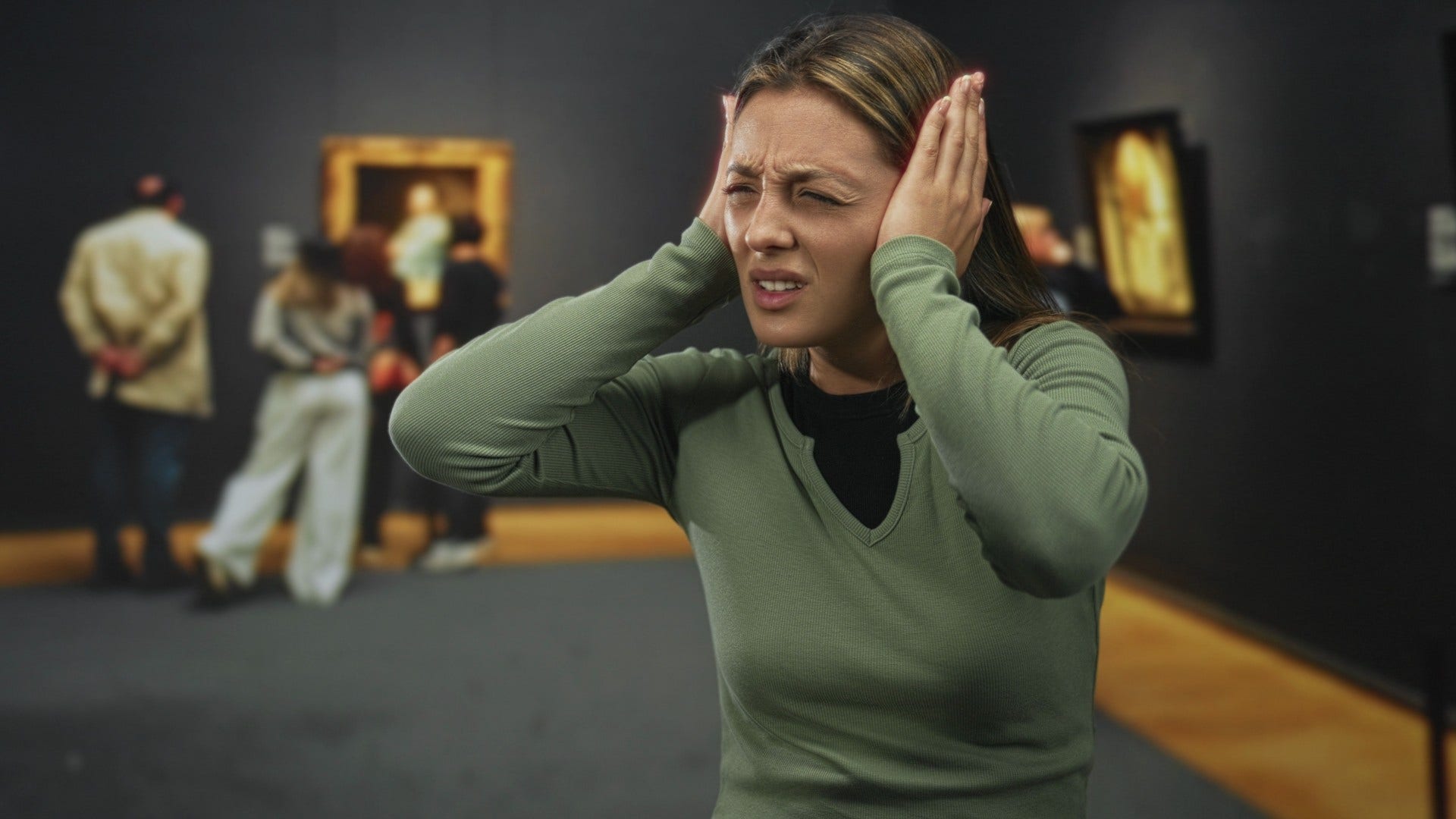
Many people who move slowly have nervous systems that register information intensely. Heightened sensitivity makes fast environments overwhelming. Slowing down helps them regulate and stay centered.
Loud, chaotic, or rushed settings can drain them quickly. A slower rhythm allows them to function at their best. This is true self-awareness. They adjust pace to match capacity.
4. They value quality over efficiency
 insta_photos / Shutterstock
Efficiency focuses on output, but these individuals care deeply about process. People who value quality are more satisfied with their work. They want things done well, not just done quickly.
Cutting corners feels uncomfortable to them. Taking time ensures care and accuracy. This mindset often leads to craftsmanship, thoughtfulness, and pride in results. Speed without substance holds little appeal.
5. They’re more present in what they’re doing
 Gorodenkoff / Shutterstock
Slowness encourages presence. A reduced pace increases awareness of the present moment. These individuals are less likely to multitask. They engage fully with one thing at a time.
This makes experiences feel richer and more grounded. Conversations go deeper when attention isn’t split. Being present feels natural at a slower speed.
6. They resist unnecessary pressure
 PeopleImages / Shutterstock
People who prefer doing things slowly often push back against artificial urgency. Perceived time pressure increases anxiety without improving outcomes. These individuals question whether something truly needs to be rushed.
They don’t respond well to panic-driven timelines. Creating space helps them think clearly. Their resistance is often quiet but firm. They protect their mental bandwidth carefully.
7. They learn best through repetition and absorption
 insta_photos / Shutterstock
Fast instruction doesn’t suit everyone. Educational research shows that deep learning often requires time and repetition. These individuals absorb information gradually.
They prefer understanding over memorization. Once they’ve learned something, it tends to stick. Their knowledge is integrated, not rushed. Slow learning often leads to long-term mastery.
8. They’re emotionally grounded
 Stock 4you / Shutterstock
A slower pace supports emotional regulation. Psychological studies link reduced speed with lower stress reactivity. These individuals tend to respond calmly rather than react impulsively.
They process emotions internally before expressing them. This makes them steady presences in tense situations. Others may find them soothing to be around. Emotional grounding develops naturally when life isn’t rushed.
9. They dislike being interrupted
 PeopleImages / Shutterstock
Interruptions break focus and rhythm. Task switching increases cognitive fatigue. People who move slowly value continuity. Being interrupted feels jarring and disruptive.
They prefer finishing one thing before starting another. This protects the quality of their attention. Their boundaries around focus are intentional, not inflexible.
10. They’re comfortable letting others rush
 Ground Picture / Shutterstock
Not everyone needs to move at the same speed. These individuals are usually comfortable letting others hurry without joining in. People secure in their preferences feel less pressure to conform.
They don’t compete on pace. Matching their own rhythm matters more. This confidence often grows with age. Slowness becomes an anchor rather than a liability.
11. They experience life as something to be savored
 fizkes / Shutterstock
At its core, a preference for slowness reflects how they relate to life itself. Savoring experiences increases life satisfaction. These individuals want to feel moments as they happen.
Meals, conversations, and routines are meant to be experienced, not rushed through. Life feels more meaningful when it’s allowed to unfold. Slowness gives them that space. It’s all about staying connected.
Sloane Bradshaw is a writer and essayist who frequently contributes to YourTango.
