
People Who've Lost Their Sense Of Purpose Usually Develop These 11 Habits As They Get Older
 Kyle Lee / Shutterstock
 Often, we say that age is just a number. However, when we actually experience aging first-hand, it can be overwhelming. Studies show that we experience the peak of our sense of purpose from our teenage years into young adulthood. Unfortunately, that purpose begins to decline from then forward. Researchers believe that this lower sense of purpose arises from the changing social roles.
As we age, so does our social circle. Once children move out of the home and become adults themselves, they may feel less important. If no one is relying on them, they believe their life has lost value. When we are teenagers and young adults, we feel we have an important place in the social structure. Then, we get married and take on parenthood, continuing that sense of purpose. From there, everything begins to decline. Occasionally, we lose our love for life. It’s common, and if you notice someone in your life adopting these habits, they may be struggling mentally.
People who've lost their sense of purpose usually develop these 11 habits as they get older
1. They live life on autopilot
 fizkes from Getty Images via Canva
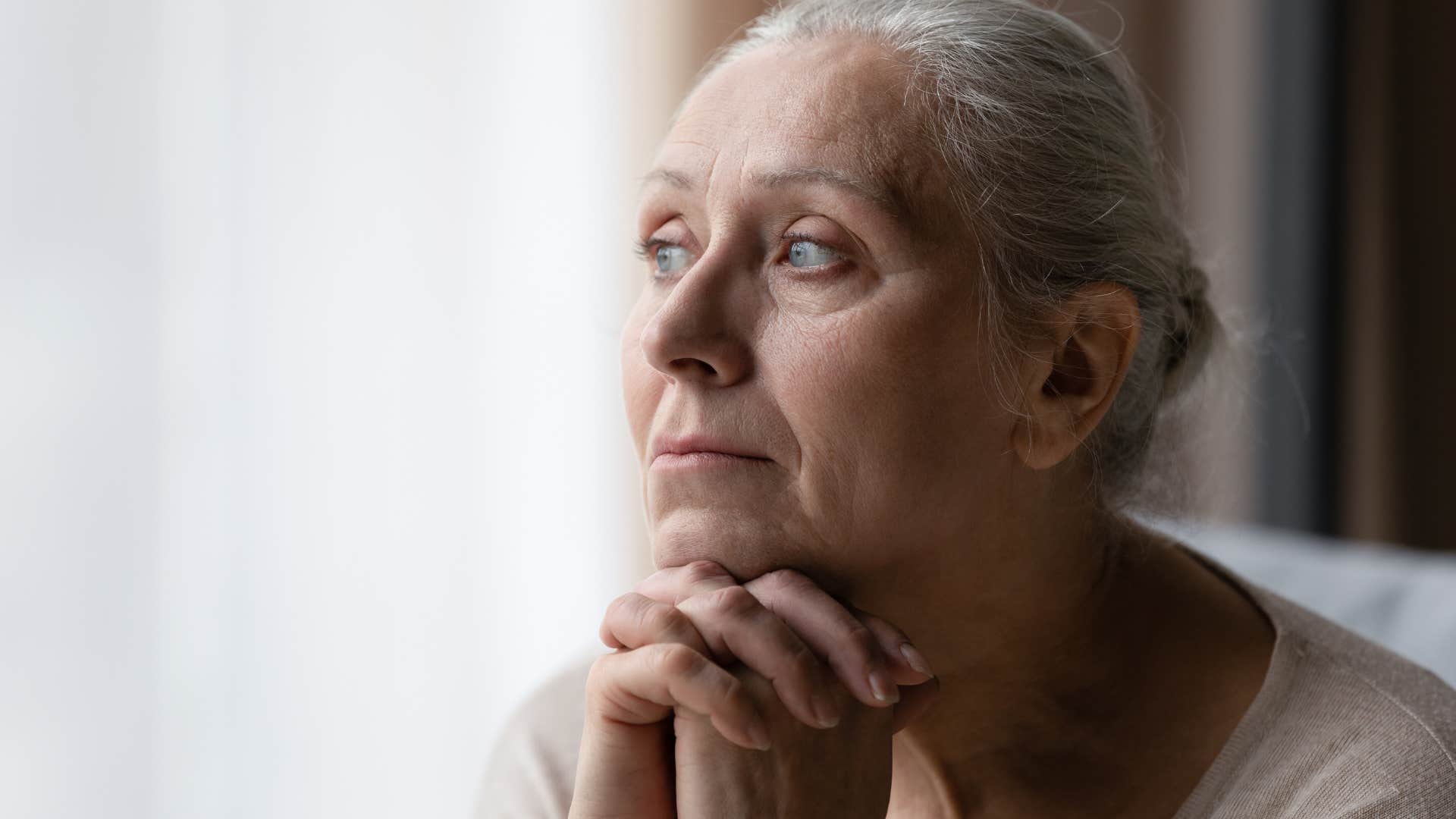
When someone gets older and begins to lose their sense of purpose, they may start living life on autopilot. They want to stay within their routine. Older people may feel they do not have anything important to contribute to society. Ageism is real, and the backlash they face may prevent them from putting themselves out there. Instead, they stay on the path they have.
As we age, our brains get stuck in default mode. Instead of giving our all to each task, we seem to put in little effort. Things like chores and daily tasks go into auto-effort. This means we only do the things we are comfortable performing from muscle memory. If you notice an older person isn’t straying from their routine, they may feel a loss of purpose.
2. They get lost in their thoughts
 Zinkevych from Getty Images via Canva
Do you find yourself looking back on the past with fondness? I know I do. It’s easy to see things differently after time has passed. Even things that felt painful in the moment can be looked back at with a smile. For people who have lost their purpose, they get lost in thoughts from the past that made them feel like they mattered. A time when they had a meaningful social life, and people depended on them.
One study found that life loses its meaning when we become locked out of a social life. Whether these people chose to walk away from their friends or feel excluded, they will use thoughts from the past to get lost in. Moments where they felt important and loved will be what they focus on. It brings them comfort, almost like having someone there for them in that moment.
3. They stop making plans
 Worawee Meepian's Images via Canva
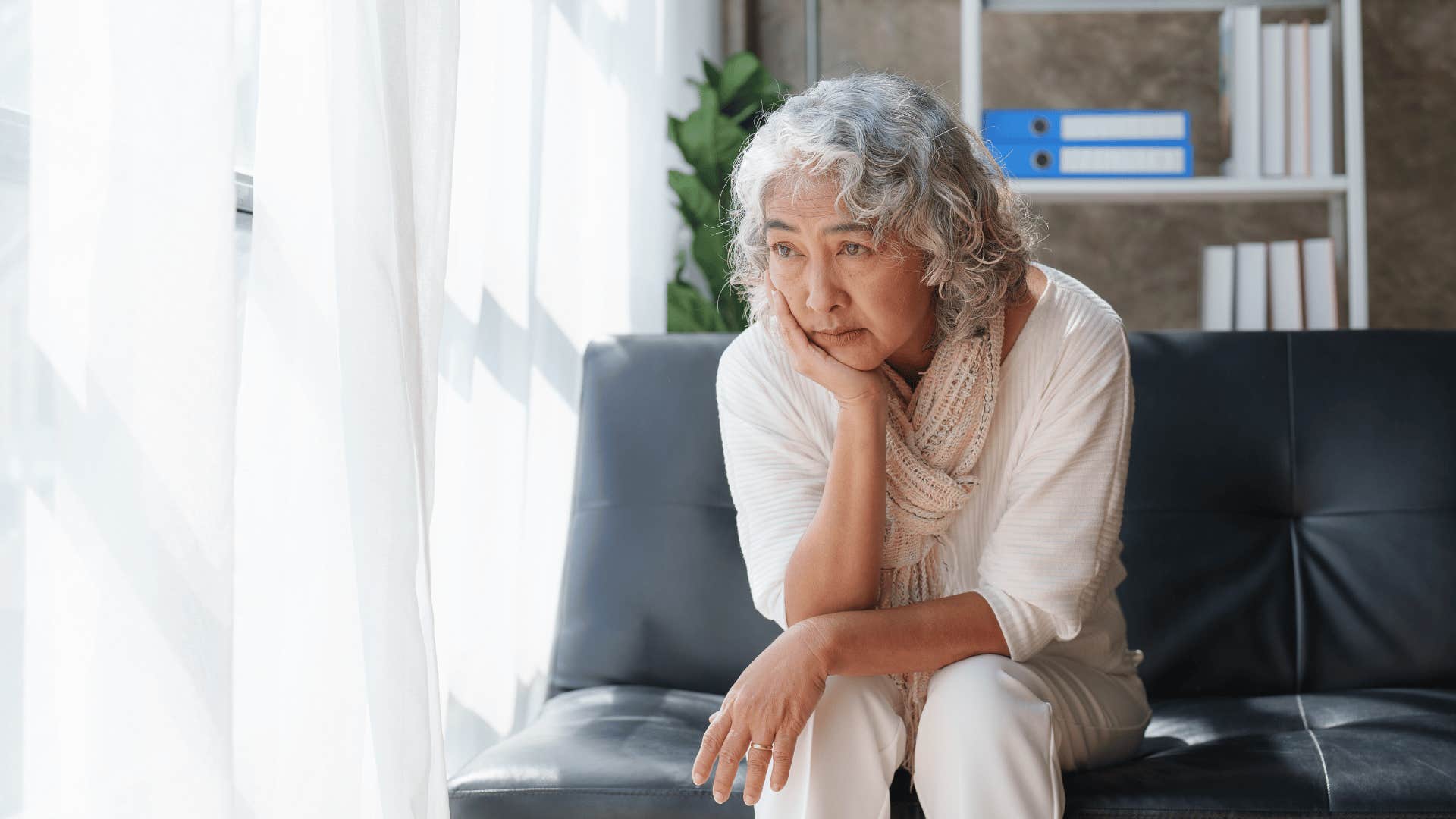
Losing purpose can disconnect you from your social life. People who develop these habits as they age will often distance themselves from others. They no longer feel they matter and convince themselves they are a burden. Even if those in their lives want to spend time with them, they will avoid them because they do not want to be a bother, causing them to grow lonely.
Another study found that older people stop making plans for the future. They do not feel they will be around long enough to put effort into building their lives. To them, it feels pointless. They have lost their purpose, and therefore, they have no desire to work towards the future.
4. They become detached emotionally
 aldomurillo from Getty Images Signature via Canva
A study published in the National Library of Medicine found that with age, our emotional capacity decreases. Things that feel really intense when we are teenagers will become easier to handle with time. The study also discovered that negative emotions become more prevalent with age. This means that when someone feels they have lost their purpose, they will become emotionally detached from those around them. Their negative thoughts, whether about themselves, their future, or others in their lives, will prevent them from forming emotional connections with people.
“The phenomenon of self-limiting behaviors to avoid social embarrassment and risks to health, combined with communities in which older people feel increasingly alienated, has left some older people with unmet social needs: feeling isolated and helpless,” the authors of another study noted. Older individuals who feel they have lost their sense of purpose will become increasingly isolated over time.
5. They try to keep themselves busy
 Aflo Images from アフロ(Aflo)via Canva
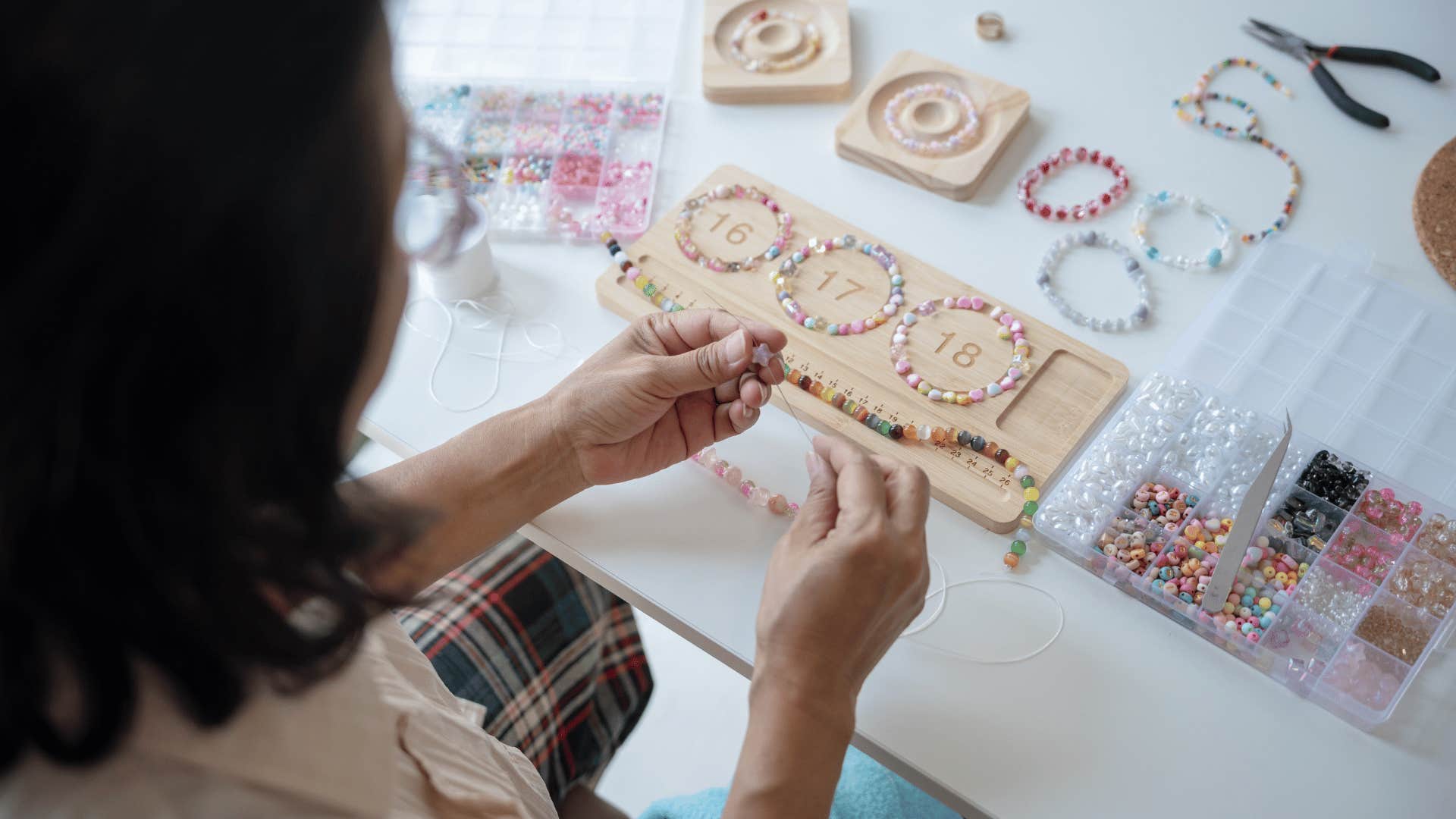
While some older people may choose to put less effort into their hobbies as they lose purpose, others may feel the need to focus more on these activities. Choosing to keep themselves busy allows them to take their mind off the loneliness and depression they may experience from a loss of purpose. As their social circle shrinks, the only things that may keep them going are their hobbies. Whether that’s knitting, reading, or doing puzzles, these moments of joy could be the only thing bringing them a sense of purpose.
“Our findings are in line with various cross-disciplinary international literature indicating that having a hobby may enhance mental wellbeing among adults aged 65+,” one study found. However, there were some differences in those studied. A complete focus on hobbies was associated with emotional decline in a few elderly individuals. When someone is losing their sense of purpose, they may find solace in hobby distractions, or it may make them feel even more alone.
6. They search for distractions
 charliepix from charliepix via Canva
When someone loses their sense of purpose with age, they may become more reliant on distractions. If they feel lonely, keeping the TV on at all times can make them feel as though people surround them. A study published in the Journal of Experimental Psychology found that watching a favorite TV show can bring a sense of belonging. When someone feels comfortable with a cast of characters, they may feel less alone. Almost as if they are hanging out with friends.
The TV and scrolling on their phone can be welcome distractions from the life changes that are bringing them down. If they have lost social support or feel like their purpose is fading, distractions can be the only thing keeping them from truly letting go of their lives. If they can experience any sense of joy or belonging, they will take it.
7. They have no interest in change
 digitalskillet from Getty Images Signature via Canva
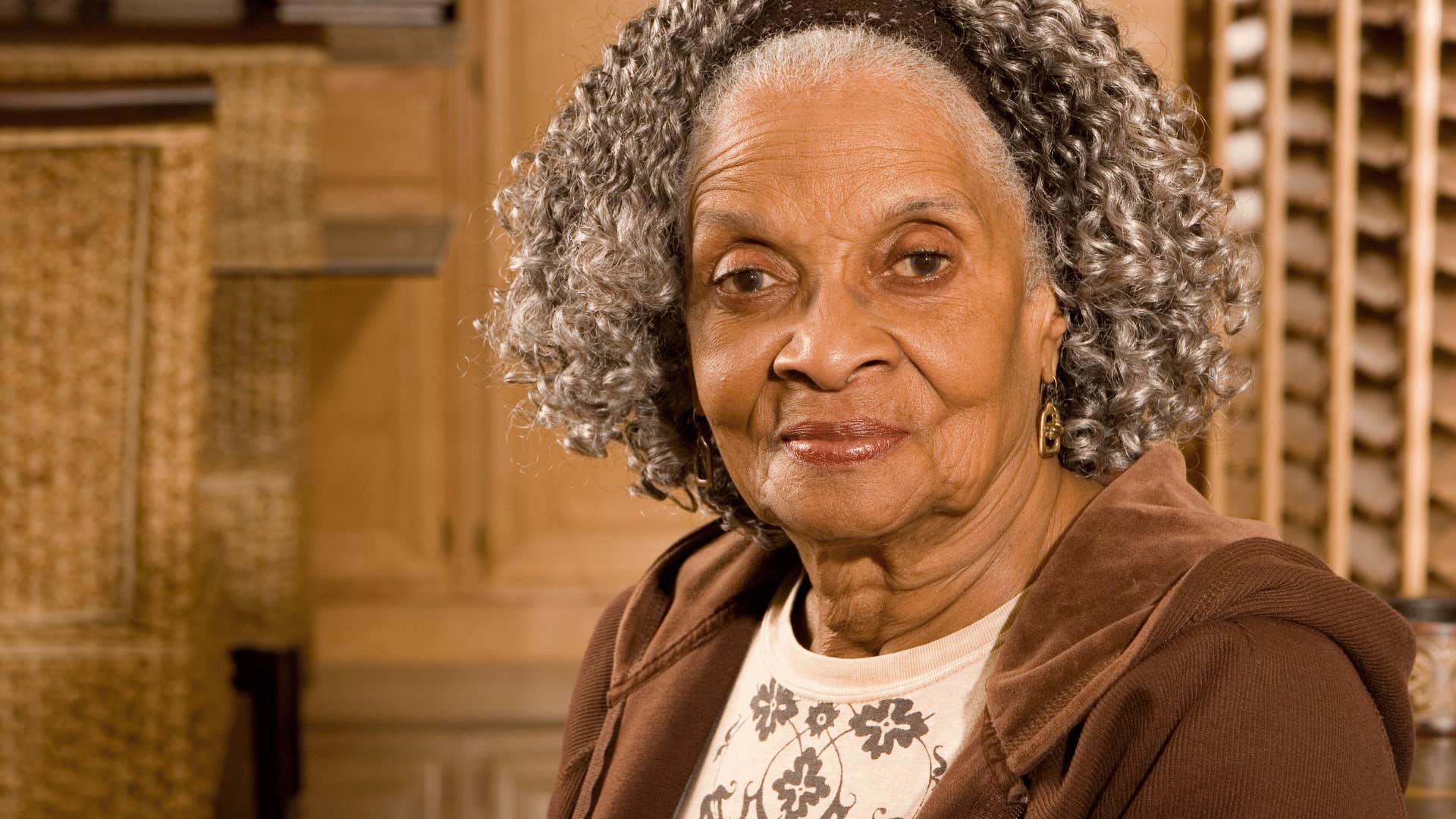
When we are young, we have a desire to embrace change. It’s exciting. We want to explore new opportunities that may arise. Whether that’s a move to a different city or experimenting with hobbies, change is not only welcome, it is encouraged. When we are trying to pave our way in life, we’ll give anything a chance at least once.
Older people who have lost their sense of purpose may develop a habit that keeps them from changing. Instead of stepping outside of their box, it’s safer and easier to stick to what they know. When purpose decreases in elders, so does their happiness and cognitive function. They may end up staying in the same cycle they are in rather than changing things to improve their situation.
8. They compare their lives to those of others
 KatarzynaBialasiewicz from Getty Images via Canva
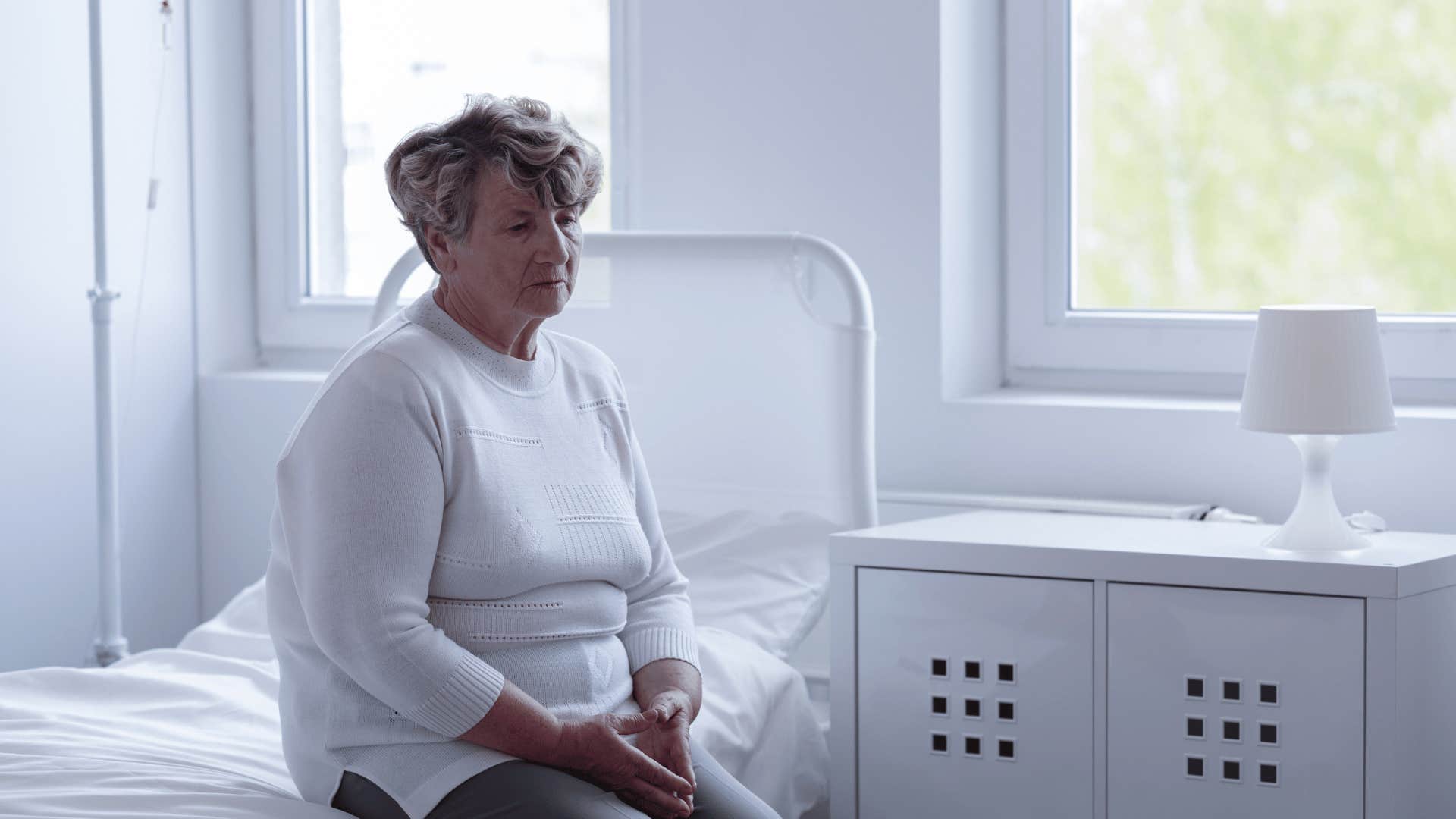
We’ve all heard the saying that comparison is the thief of joy. This is true. When an older person loses their purpose in life, they may look at the lives of others. If that person still has close friends and family, or they spend less time alone, they will become upset. They may wonder why that person still feels a sense of purpose.
Researchers have found that there are four reasons why elders compare themselves to others. The main motivations are self-assessment, self-verification, self-enhancement, and self-improvement. They will look to others to see what is ‘normal.’ It is considered an adaptive purpose. How others live their lives will either be looked to for confirmation of the aging process or long for what others have that they may have lost, along with their purpose.
9. They stay inside
 RDNE Stock project from Pexels via Canva
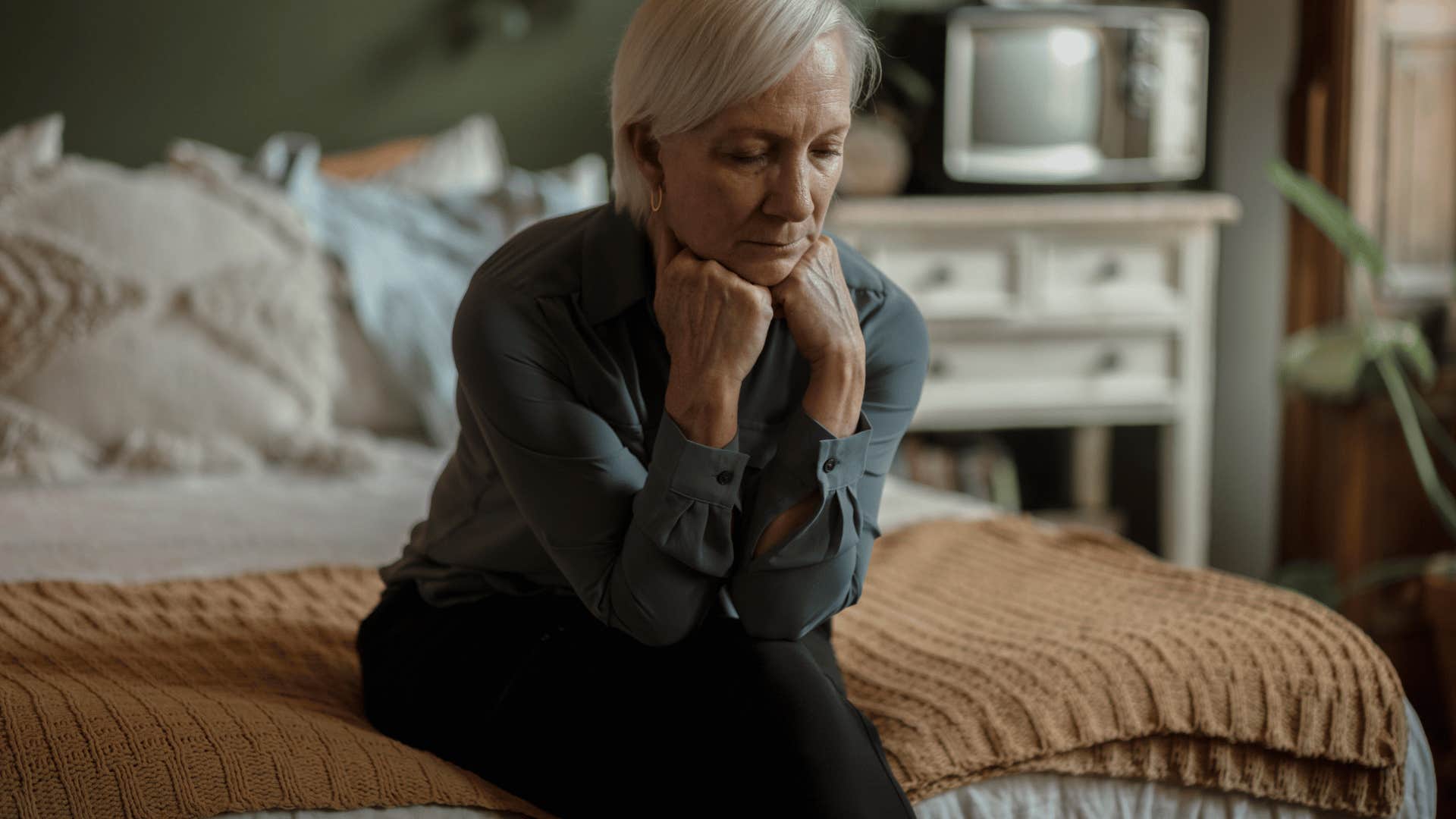
There’s a terrible stereotype of that cranky elderly person who lives on your street and never leaves their house. Sadly, this can become true for people who feel they have lost their sense of purpose with age. They may feel self-conscious about leaving. For some, aging is their worst fear. They want to cling to beauty standards, and when they lose them, they want to hide from the world. They will feel their sense of purpose is no longer there.
For others, they may feel they lost their sense of purpose within their aging body. When they are unable to do tasks or enjoy things they once did, they will feel useless.
“As much as we might acknowledge that growing older is a privilege, many people in the later chapters of life will tell you that aging isn’t for the faint of heart. Numerous physical changes occur in late life: reduced muscle mass and bone density, less cardiovascular efficiency, altered hormone levels, thinning of skin, and shifting circadian rhythms. These are only a subset of the normal physical changes that accompany aging,” says Julie Erickson, Ph.D. These ailments may keep them indoors with a loss of purpose.
10. They stop trying to better themselves
 KatarzynaBialasiewicz from Getty Images via Canva
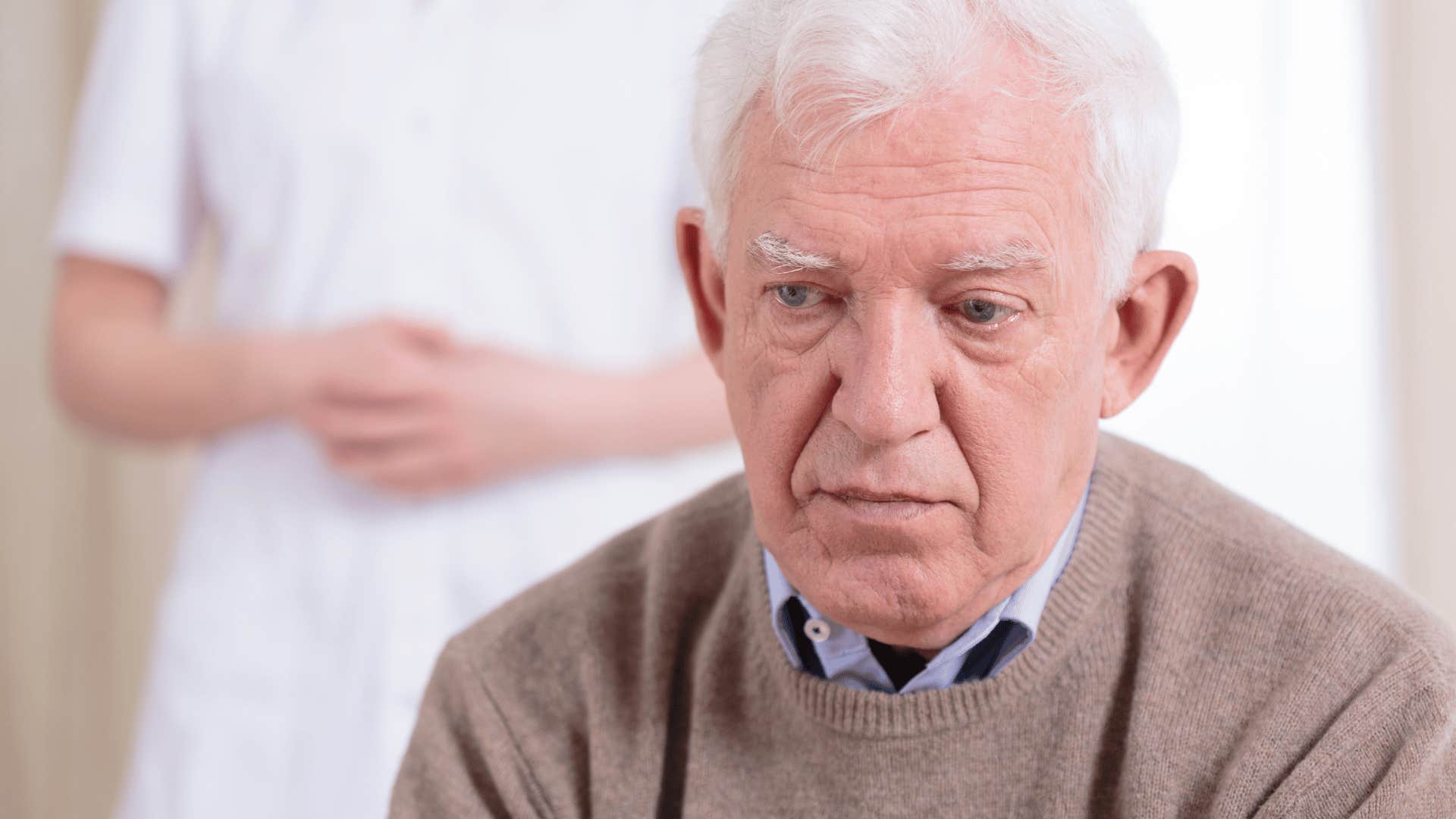
With a loss of purpose comes a lack of motivation. When we are younger, we have the time and energy to take care of ourselves. We’ll look into new diets, fitness routines, and other self-care hacks. For those who have lost purpose with age, they will no longer value these changes for their health. They may feel it is not worth putting effort into themselves, as the future looks bleak.
It can be difficult for older people to enact change, but that change is often more pressing for them than it is for younger people. With old age comes an increase in health issues. They may have to make dietary or other important changes to help themselves improve. If they do not have the energy or ability to do so because of their loss of purpose, they will resist change even when necessary.
11. They become hopeless
 MixMedia from Getty Images Signature via Canva
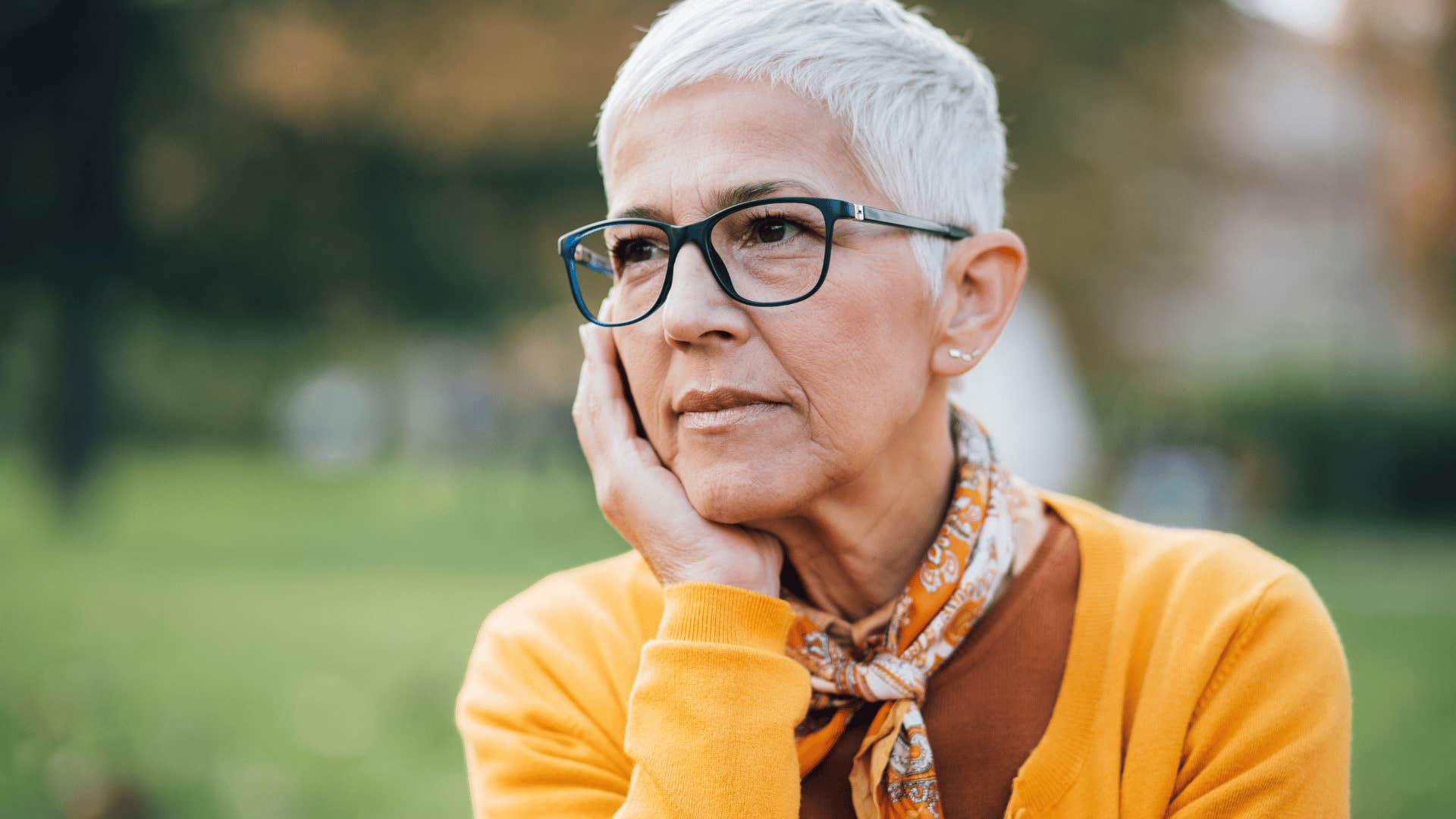
When someone ages, they may grow hopeless. This habit puts everything in a negative light for them. They will no longer find joy in things. It’s difficult to get older. With age comes loss and new stressors. It’s easy to slip into a depression and form negative habits.
“Getting old involves loss — loss of friends; loss of spouse; loss of siblings; loss of status; loss of hair; loss of physical mobility; loss of memory; loss of hearing; loss of eyesight; and sometimes loss of financial stability. So it is not surprising that aging and depression often go together,” says Roberta Satow, Ph.D.
Haley Van Horn is a freelance writer with a master’s degree in Humanities, living in Los Angeles. Her focus includes entertainment and lifestyle stories.
