
People Who Cry When Someone Else Starts Crying Usually Have These 7 Distinct Personality Traits
 Karola G | Canva
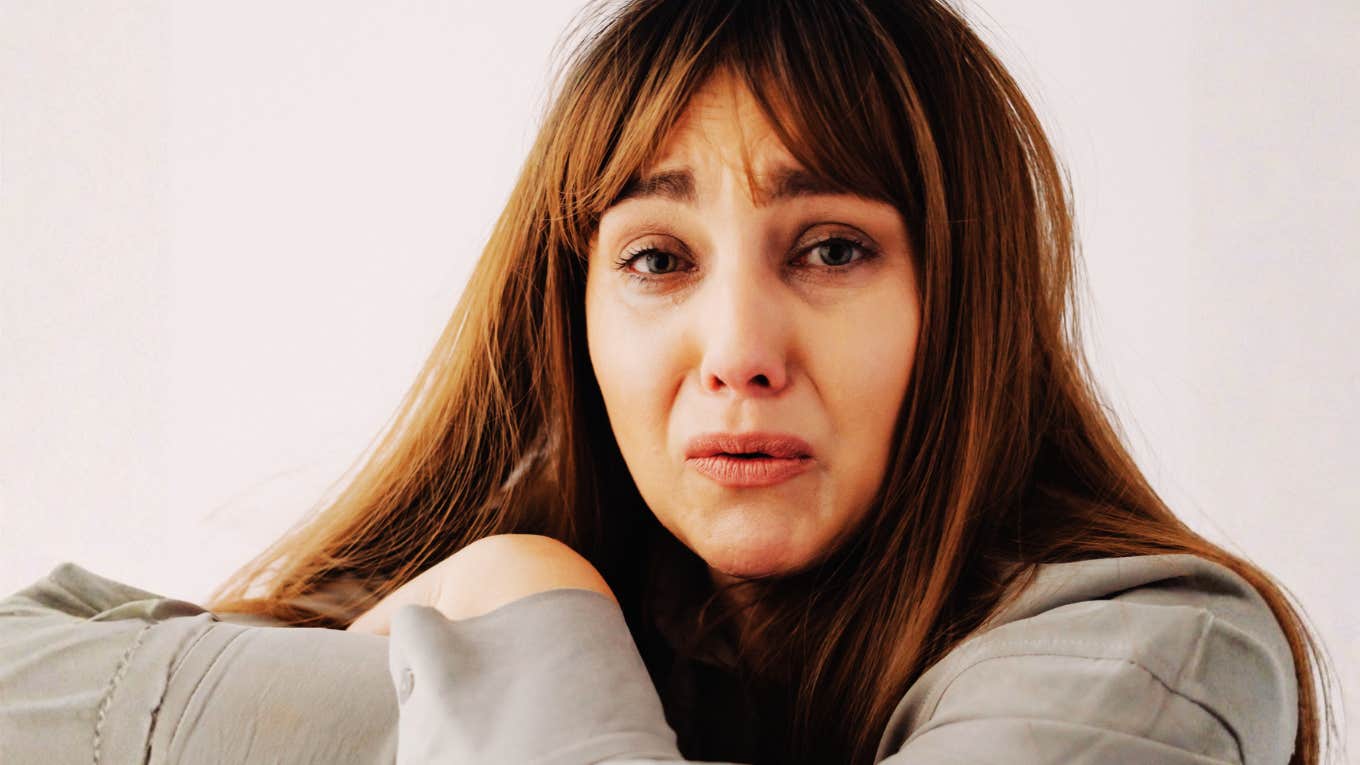
 Why do I cry when someone else starts crying? How can I get my emotions in check? Is there a reason I'm easily overwhelmed by my emotions? If you've ever asked yourself these questions and find yourself crying all the time at the drop of a hat, your personality might be geared toward being more emotional and letting yourself cry. After all, it's natural for people to cry in ways that have nothing to do with emotional intelligence or emotional neglect.
People cry for different reasons, especially if you lean toward being a "highly sensitive person." Some people are sad. Some are lonely. And some cry happy tears. Some people are better at holding it all in. If we are going to be honest, though, there is generally not a right or wrong amount to cry, but there are those who can tear up more often than others.
Frequent criers who pick up on other people's emotions may have a few distinct personality traits that cause their tears to flow faster and more unpredictably. Sometimes, it's due to unique or temporary circumstances. Other times, crying more easily is hardwired. But if you cry easily, you may be a highly sensitive person. Researchers from Harvard University believe that crying can make you feel better because it flushes away chemicals built up in the body during stress. These tears are a healthy reaction to a stimulus. You cry, it's over, and you feel better.
Unfortunately, crying might be difficult to understand if you're not the one doing it. There are actually several very legitimate reasons for crying "too much." Many have to do with our mental health and personalities. If you're a frequent crier, you don't have to feel alone with your red-rimmed-eyes, lump in the throat, and your box of Kleenex. Extend some compassion to yourself and others.
People who cry when someone else starts crying usually have these 7 distinct personality traits:
1. They're often emotionally exhausted
 Mehmet Turgut Kirkgoz / Pexels
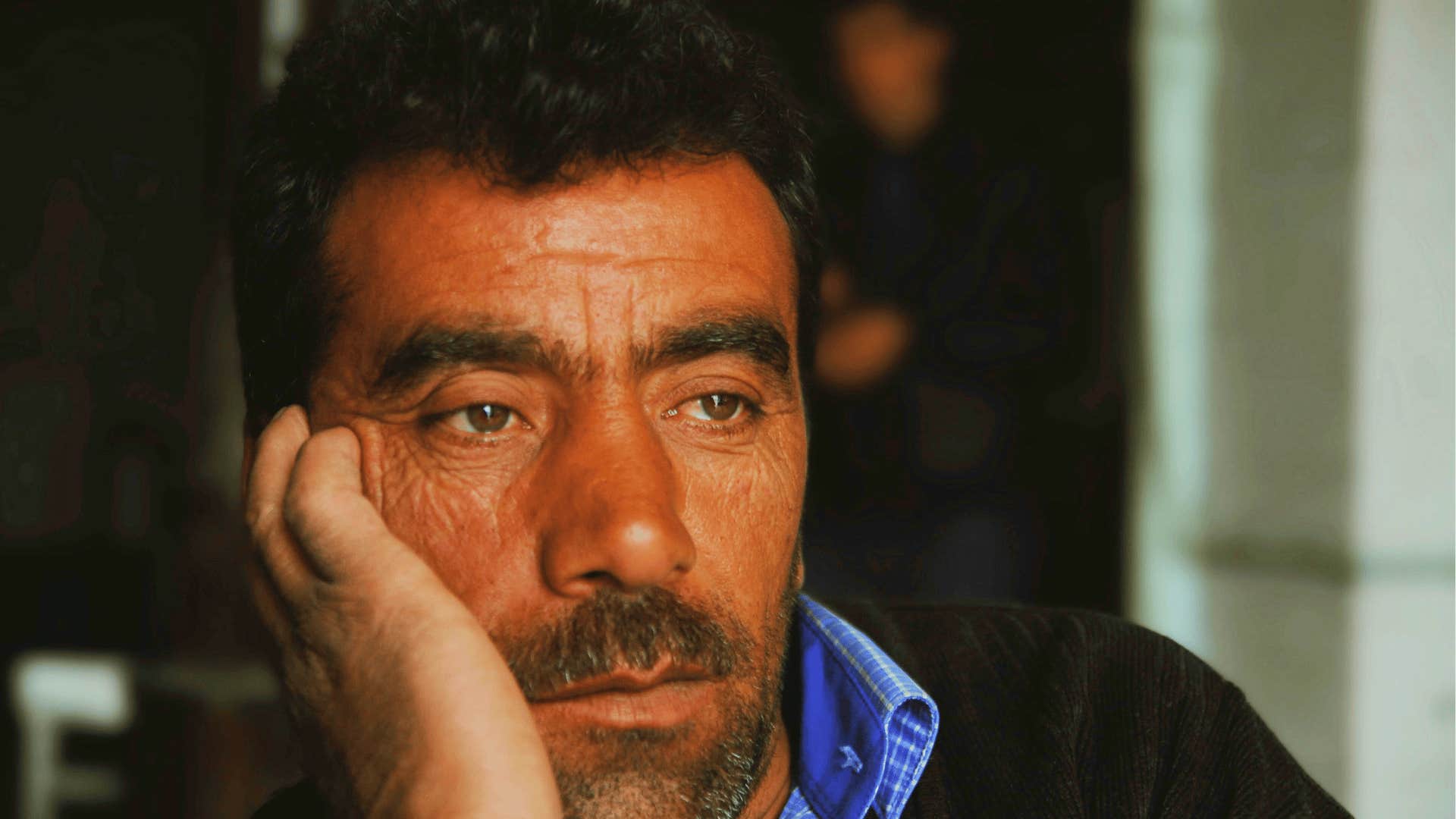
When you don't get enough sleep, your system just can't sustain itself. Your body is focusing on key processes, not your emotional stamina, and you're going to cry more readily than when you're alert and refreshed. Get the kids to bed an hour earlier and tuck yourself in, too. You'll be a little less emotional tomorrow.
When sleep is insufficient, emotional brain regions become 60% more reactive to negative stimuli, according to research. Sleep deprivation disrupts the brain's ability to regulate emotions effectively, making people more emotionally fragile and reactive to everyday stressors.
2. They may have thin emotional boundaries
 MART PRODUCTION / Pexels
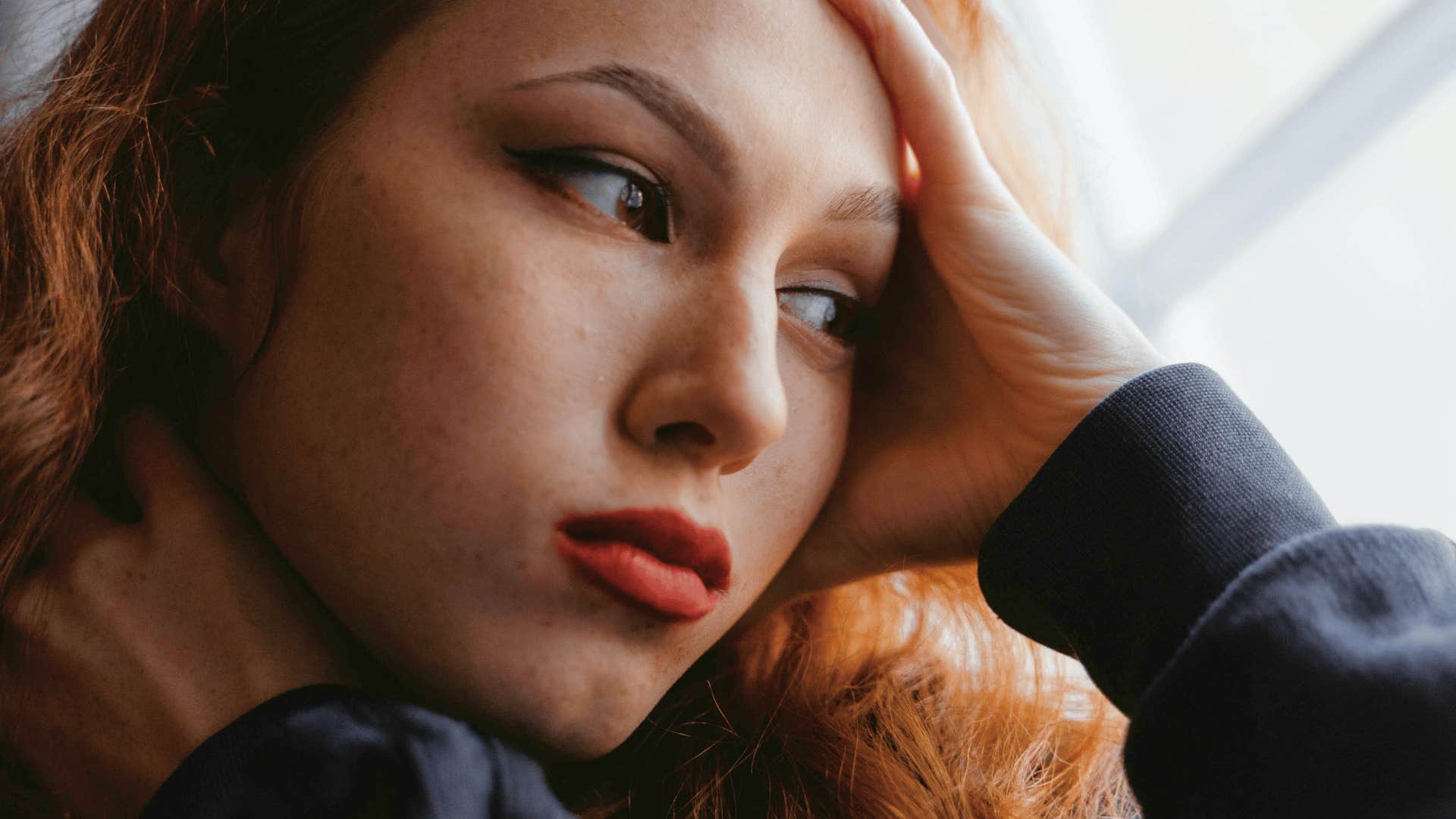
Stress can wreak havoc on your emotions. And when you've been under a lot of it for an extended period, your tolerance for any further stress goes down dramatically. You'll be much more likely to swear when you drop something, get discouraged when something goes wrong at work, or cry when you have the smallest tiff with your boyfriend (or cry during any of these situations).
Essentially, your body feels under attack. Start taking baby steps toward building your resilience. Know when things have gotten too big, and you need to reach out for help to sort through the overwhelm so that you can feel like yourself again.
3. They feel emotions deeply and intensely
 Toàn Vãn / Pexels
Sometimes, after a period of loss — death, the end of a relationship, or even a lost job — it's normal to feel a deep sadness and a loss of control. Usually, these feelings are temporary. This can also be true of anxiety. If you have anxiety, you also have constant worrying, irritability, difficulty concentrating, and tears. After a period of reflection and self-awareness, the fog will lift,t and the sun will shine again.
After a significant loss like death or the end of a relationship, people often experience a loss of emotional regulation with intense waves of sadness, anger, and anxiety. Research shows that those going through grief frequently describe feeling overwhelmed by emotions that feel difficult to control. If you're regularly crying or for no reason at all, it might be a sign of depression. You could even be recovering from a more profound trauma. Talk to a doctor or therapist to explore other possible symptoms and rule out a medical condition or mood disorder.
4. They tend to be highly sensitive
 Eren Li / Pexels
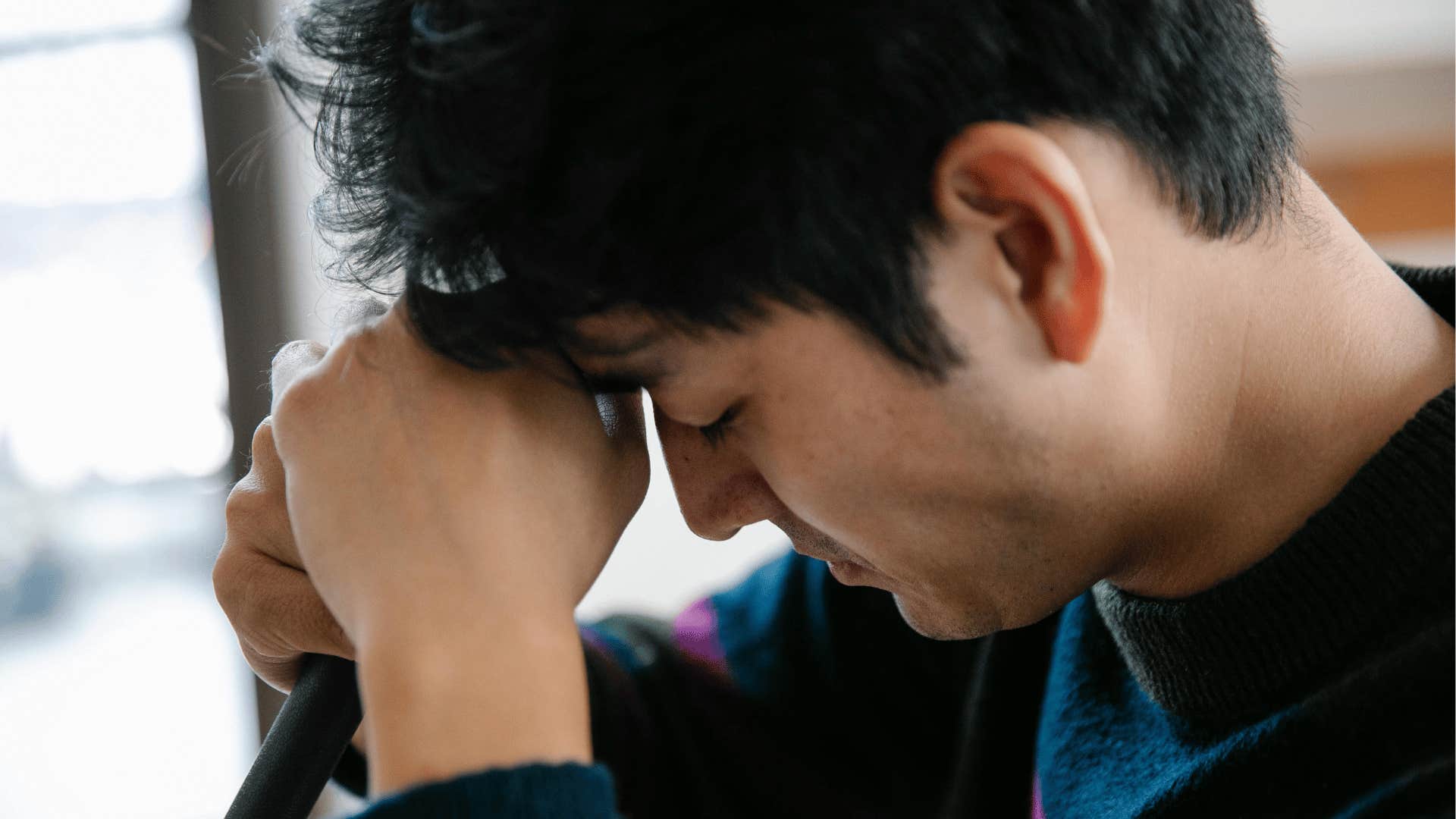
I used to wonder if I was weird for crying during TV movies or watching the news. It turns out, I was just highly sensitive. In fact, about 20% of the population are highly sensitive people, according to psychologist Dr. Elaine Aron, who specializes in highly sensitive people (HSPs). You might be, too.
Being a highly sensitive person means you have an innate temperament trait (not a disorder), in which you are acutely affected by your environment, and you have highly attuned senses. If you're an HSP, you feel very deeply. You experience other people's pain as if it were your own. So, if you tear up at the mere mention of somebody's loss or when coming across an old photo, don't sweat it. Think of it as your special gift.
5. They recognize pain because they've felt it
 Karolina Grabowska www.kaboompics.com / Pexels
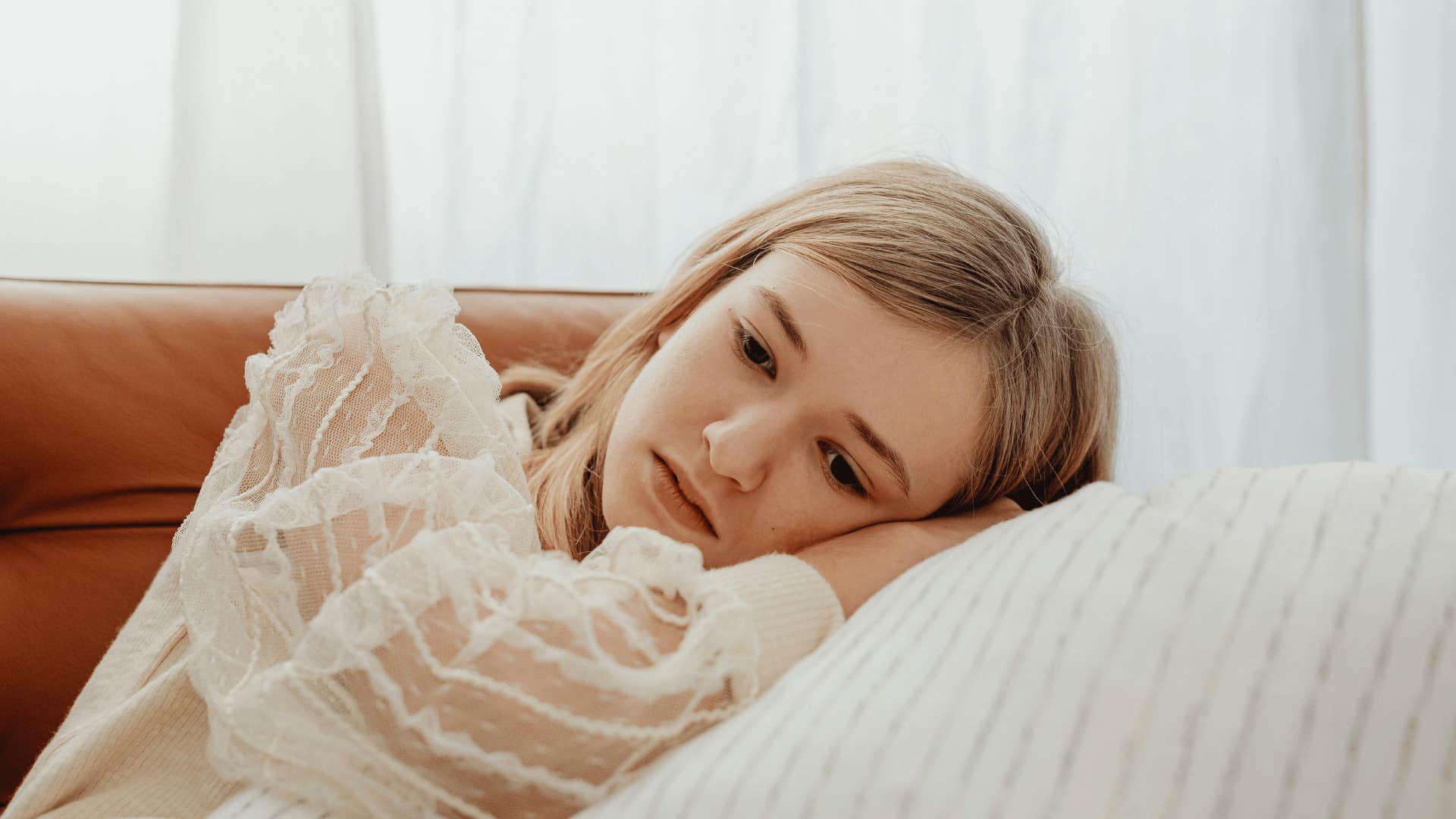
Trauma does a lot of things to the mind, especially when it happens at a young age. In particular, women who experienced a traumatic childhood, or even an extremely traumatic event at some point, will often cry more than what is considered a "normalized response."
That is, they will cry more often or are more prone to crying. This is because the sympathetic nervous system experiences trauma in the same somatic responsive way. Essentially, it means that your body is holding onto that trauma, no matter how big or small it may have been.
6. They're usually emotionally reactive by nature
 Kampus Production / Pexels
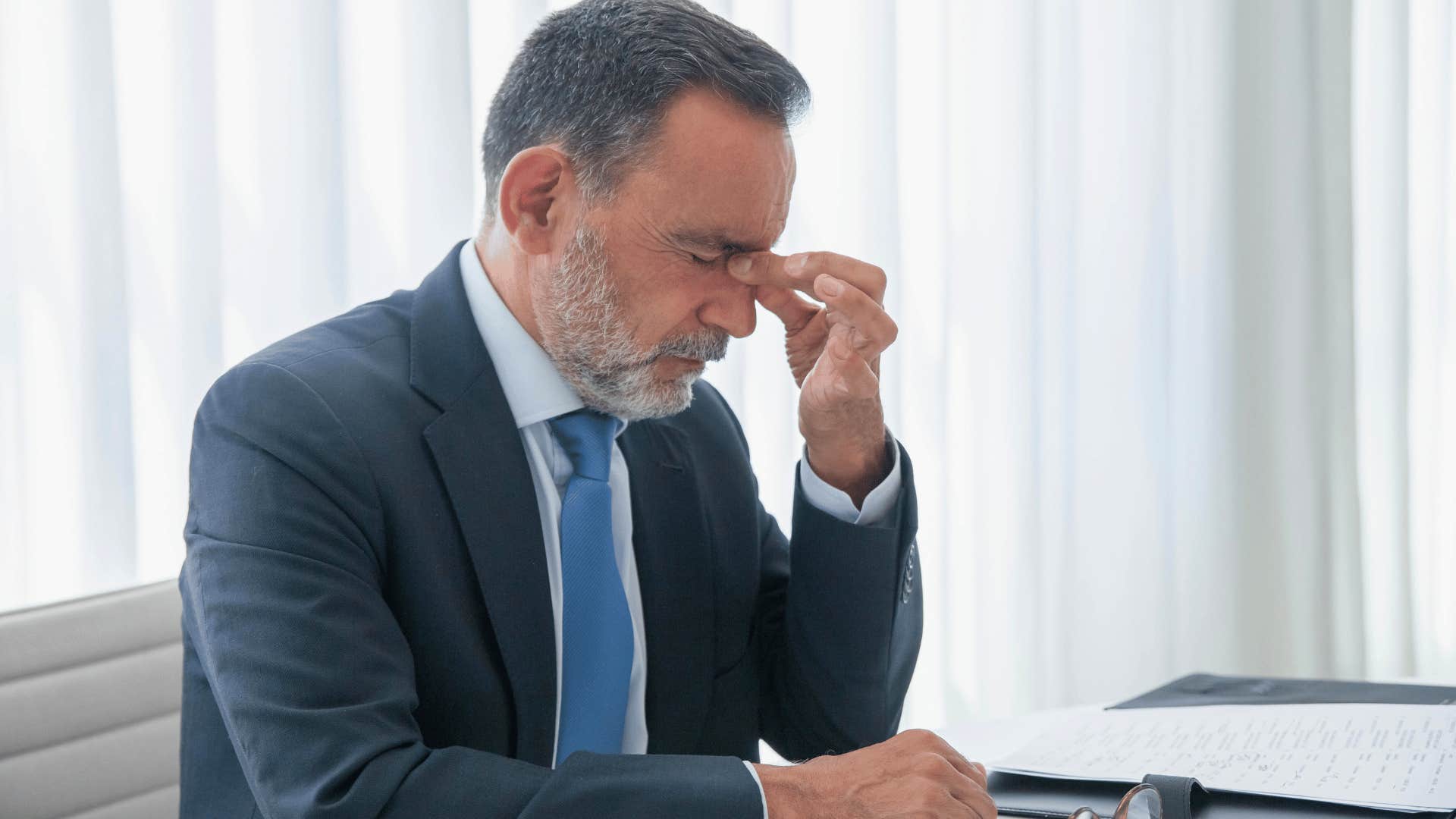
Neuroticism is a temperament factor that is associated with emotional disorders. It means that a person will experience core emotions (happiness, sadness, anger, disgust) more frequently, and they can be very intense. People who are neurotic can become aggressively angry in a split second, as well as flood a room with their tears due to minor setbacks
Studies show that people with higher neuroticism experience emotions like happiness, sadness, anger, and disgust more frequently and intensely than others. They don't just feel negative emotions more strongly on average but also react more intensely to adverse events when they happen.
7. They're comfortable expressing emotions openly
 Karolina Grabowska www.kaboompics.com / Pexels
It's no secret that women generally experience their feelings in a greater capacity than men. But do you know why? It has to do with socialization. Growing up, women and men are socialized to be different. Women are not only shown but encouraged to explore, talk about, and express their feelings fully from a young age, while men are told to "rub some dirt in it" and "bury it."
Feelings of sadness and openly crying are familiar things for women, but not for men. Because to men, thanks to the patriarchy, crying is a sign of weakness. No matter what your reason for crying, own it. You're not weak if you cry. You're human, and you're biologically built for a certain amount of tearing up.
Lisa Petsinis is an ICF-credentialed life and career transition coach. Her bylines have appeared on Psych Central, The Good Men Project, Parade, Prevention, The Minds Journal, PopSugar, and All4Women, as well as many others.
