
People Who Rarely Feel Lonely Usually Have 10 Comforting Things In Their Living Room
 Vitaly Gariev | Pexels
 Loneliness isn't something that develops overnight. Rather, it's rooted in all kinds of experiences. But for people who rarely feel lonely, their home truly reveals what, if anything, they're going through.
Individuals who enjoy being alone, yet don't feel lonely, have very specific lifestyles that protect their sense of connection and peace, down to the comforting things they keep in their living room. Even if they don't have a big network of friends or a full social schedule, they feel well-connected to themselves, sometimes through these material things.
Comforting things people have in their living room when they rarely feel lonely
1. A personal library
 Miljan Zivkovic | Shutterstock
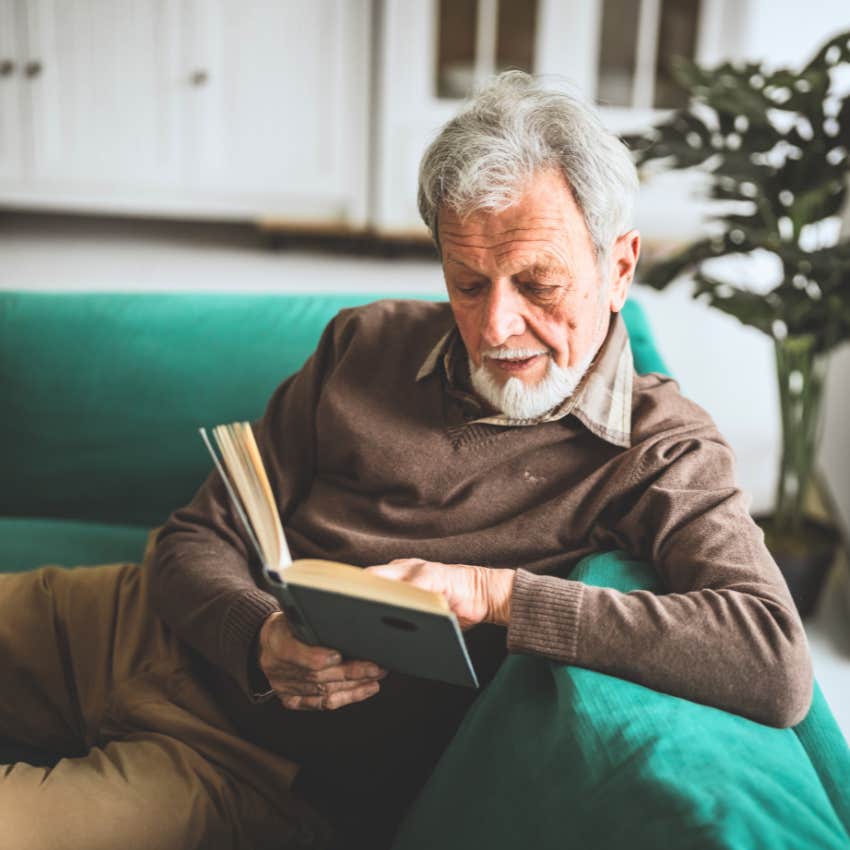
Even if it's just a few books with handwritten notes or dog-eared pages, someone who regularly comes back to the same stories and books feels content with themselves. There's a kind of belonging they receive from reading, especially with characters and storylines they know well.
While we often think about loneliness in the realm of social connection, it's more than possible for someone to feel alone despite having a big group of friends. So, it's these unsuspecting things, like books, that help us feel seen and understood, and actually play a strong role in shaping our loneliness.
2. Greenery and houseplants
On top of providing all kinds of general mental health benefits, having and taking care of houseplants often gives us an important sense of purpose. When we invest our time and energy into nurturing a living thing, we're actually nurturing ourselves in a way.
That's why so many people get attached to the plants in their home and adopt labels like "plant mom" that offer a sense of casual belonging. They feel a deep connection with these plants because it's a mutually beneficial relationship where everyone is taken care of.
3. Creative hobbies and artwork
Hobbies and artwork tend to surround the living rooms of people who don't really ever feel lonely. These items bring them a sense of comfort, and a break from the mundanity of everyday life.
Expressing creativity can also become a protective factor against isolation and loneliness. Creative projects make them feel seen and like they're a part of something bigger than themselves.
That's why we often feel so connected to artwork when we take the time to appreciate it. We see and connect with the artist, easing our feelings of loneliness in a world that tends to cultivate them from scratch.
4. A gratitude journal
The more gratitude someone makes space for in their lives, the less loneliness they are bound to experience, at least according to a 2015 study. Whether that's chatting with a friend to tell them how much you appreciate them or simply keeping a gratitude journal on hand, it's a powerful practice and tool.
It's so easy to feel alone when we're managing stress or responsibilities all on our own, but these tools remind us of the people and things we have to be grateful for. Even on our hardest days, they're a comfort.
5. Family heirlooms
 XiXinXing | Shutterstock
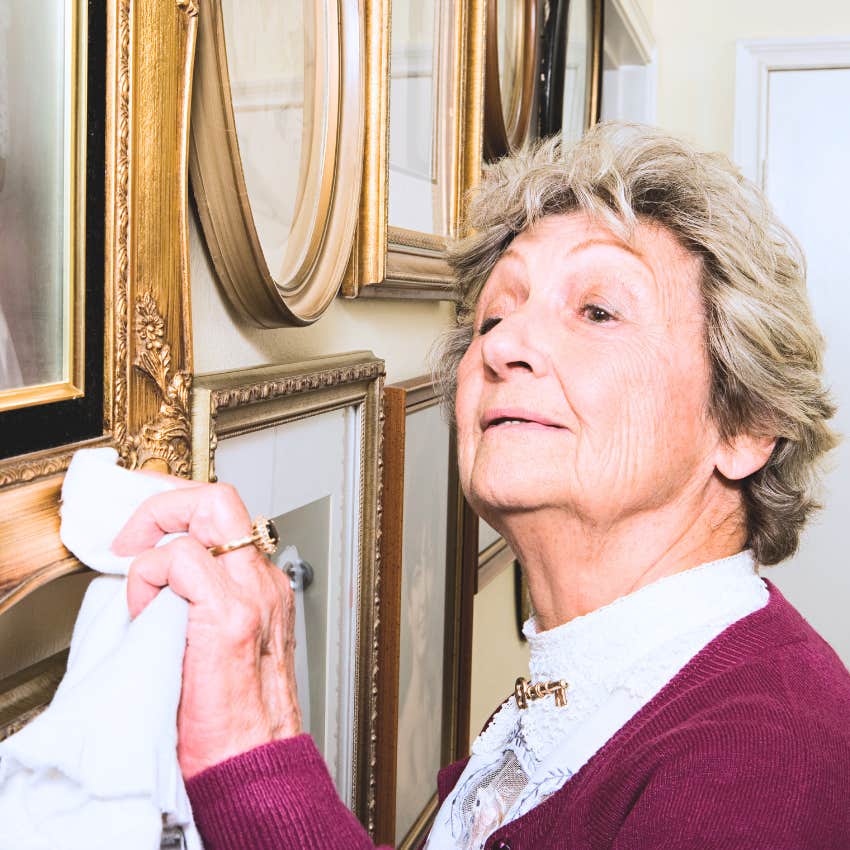
Anything that reminds you of home or family is the perfect decor for your living room, especially if you're prone to feeling isolated or alone. Life can get the best of us sometimes and we feel lonely despite having a strong support system. If you're lucky enough to have a good relationship with your family, or heirlooms that remind you of them when they're not around, that's a powerful thing.
That's why people who are rarely lonely are intentional about keeping those items on display, whether it's a full china cabinet or a piece of jewelry. No matter what happens, those things remind them of the love they still hold in their hearts.
6. Sentimental photos
On top of artwork that creates meaning and belonging, many people thrive when they're living in a space that reminds them of their loved ones. They don't have to be super intentional about expressing gratitude and appreciation because these photos spark it for them.
They're a reminder of all the people in their lives, past and present. And when they're having a bad day or feeling alone, a glance in any direction reminds them of those they hold dear.
7. Natural light and open windows
Being outside and doing things in natural environments reduces loneliness, but small connections with nature, like basking in light from the couch or sitting near an open window, are enough.
We underestimate the power of nature often, especially in our darkest moments when we feel alone or stuck in an overthinking spiral. However, opening a window or a curtain is how the most peaceful, well-connected people support their mental health every day.
8. A collection of letters and notes
People who keep "special boxes" at home are less lonely because they always have a reminder of love and connection at their fingertips, even when they're alone. Filled with handwritten letters and cards they've received from other people, they're a thoughtful reminder of love.
While it might take a little bit more effort in the moment to store these things and find a place for them, this kind of "clutter" is heartwarming.
9. Bird feeders
 pikselstock | Shutterstock
According to a study from the Journal of Environmental Psychology, birdwatching is associated with better psychological health and well-being. When we spend time connecting with nature and other living things, even animals, we feel less alone and more peaceful.
Subtle things like a bird feeder outside a living room window are essential for people who cope with loneliness in healthy ways. Even when they don't have a partner or friends at home, they're comforted by birds and other living things nearby.
10. A physical calendar
While a calendar with obligations we're dreading can bring our vibe down, having a physical, personal calendar with all the events and plans we're looking forward to relieves our loneliness. Whether it's drinks with friends or a concert in a month, being reminded of these social moments and events instantly boosts our energy.
Even if we're not with those people in that moment, they're an important reminder that life is always moving forward. We always have something to look forward to and people to connect with.
Zayda Slabbekoorn is a senior editorial strategist with a bachelor's degree in social relations & policy and gender studies who focuses on psychology, relationships, self-help, and human interest stories.
