
Kids Who Grew Up With Miserable Parents Usually Carry 8 Traits Into Adulthood
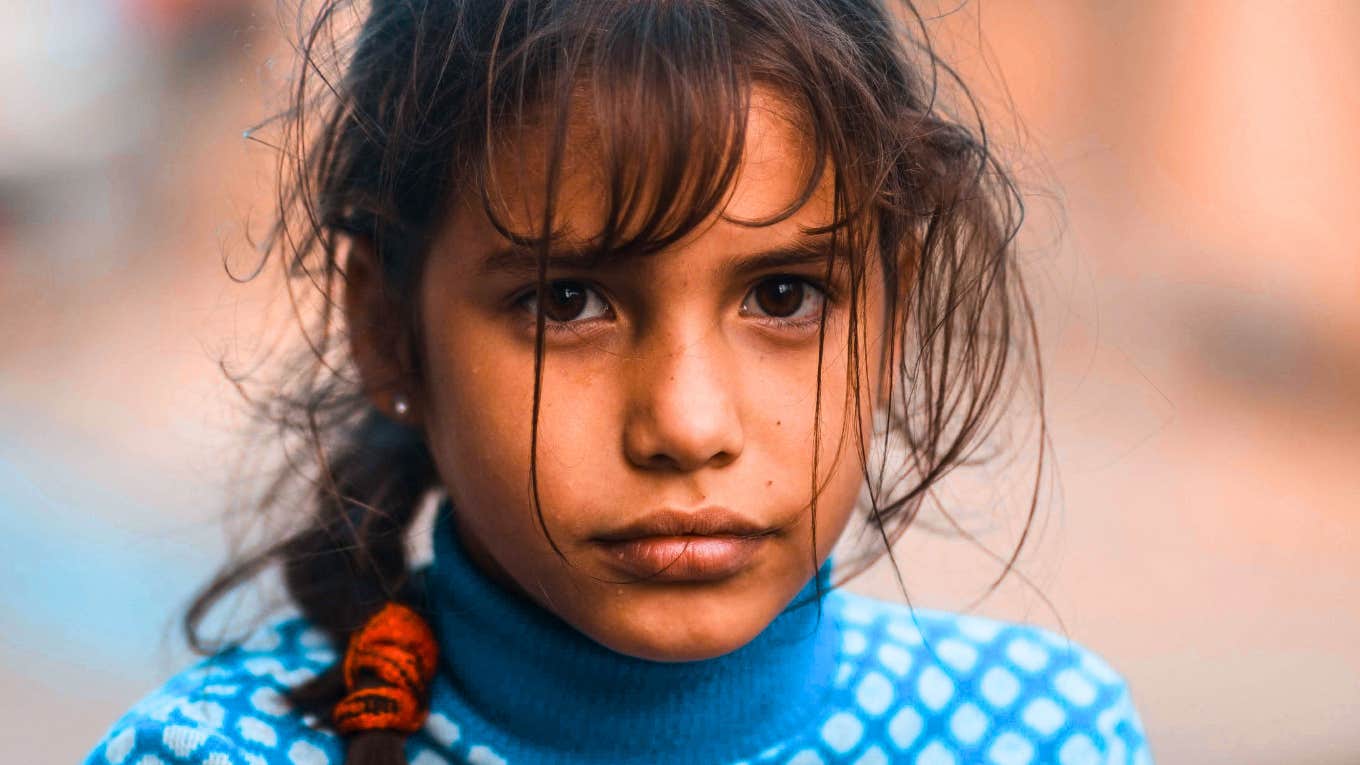 Mehmet Turgut Kirkgoz | Pexels
 Many parents are unhappy, but parental depression can leave severe, long-lasting wounds on a child's life.
From blaming their kids for their unhappiness to avoiding their emotional needs, it's no surprise that kids who grew up with miserable parents tend to carry unfortunate traits into adulthood. They're still dealing with the love they didn't receive as kids, and it's affecting them deeply to this day.
Traits kids carry into adulthood when they grew up with miserable parents
1. They censor their own feelings
 Dragana Gordic | Shutterstock
When you walk on eggshells at home growing up, not wanting to make your parents more unhappy than they already are, you learn to censor yourself. There's a fear of being a burden that naturally comes from children without space for emotional development, but there's also a feeling of self-blame and shame that their feelings aren't important enough to express out loud.
They're hypervigilant, anxious adults because they don't know how to express themselves without expecting an outburst or a fight.
2. They try to fix people's moods
People-pleasing behaviors are especially common in adult kids with childhood trauma, especially when their parents lacked maturity and stability. They were forced to create a misguided sense of control at home to handle their parents' dysregulation, even if it came at the expense of their own mental health.
These people go out of their way to fix others' emotions because they're easily scared by a bad mood or stress. Even if it ends up invalidating someone who just wants support, it's become a defense mechanism to fix complicated emotions.
3. They avoid asking for help
Kids with miserable parents were often forced to suppress their own needs and emotions. They over-apologized for no reason. They completely avoided asking for help. They learned to demonize their own feelings because their parents needed all the space to feel their own.
The anxiety that these parents instill in their kids transforms into a fear of being a burden to other people. Validating and seeking support for their own experience is key in unraveling childhood trauma, but as adults, they're often pressured to make themselves smaller out of fear.
4. They try to accept the bare minimum
When you're used to neglectful, detached parents as a child, it's familiar to seek out people in adulthood who feel similar. You know how to behave and you're familiar with how they respond, even if clinging to these people isn't always in your best interest.
Adult children who grew up with miserable parents have learned to accept the bare minimum in relationships. In many ways, they were probably forced to be overly gracious with their parents for simply putting food on the table or a roof over their heads, despite their emotional needs going unmet.
They had to tolerate a lot less than they were deserving of, and that pattern can quickly repeat itself in adulthood when that trauma is unresolved.
5. They take the blame
 Zamrznuti tonovi | Shutterstock
Miserable parents often project their own unhappiness onto their kids, whether it was intentional, with phrases like "if it weren't for you, I'd be happy," or subconsciously, with blame and guilt. Their children think they were responsible in some way for their parents' unhappiness, which is why they have a tendency to take the blame for things that aren't their fault as adults.
When someone doesn't respond or breaks up with them, it's because they're unworthy or unlovable. When they don't get the job, it's because they're dumb. They'll find any way to justify feeling bad and taking the blame because it's what they're comfortable with.
This not only sabotages someone's self-worth, but it often predicts anxiety and depression in adult children who grew up with emotionally dysregulated parents.
6. They suppress joy
When a parent's unhappiness took up most of the energy in a household, kids felt pressured to suppress their own joy. They were made to feel guilty for being happy and carefree, as children should be, but it became a feeling they learned to demonize.
While happy parents support emotional regulation skills and generally better cognitive outcomes in their kids, miserable parents make their kids feel guilty for finding and expressing joy.
7. They struggle to say 'no'
When boundaries are associated with fear and conflict, growing up with parents who couldn't regulate their emotions, adult children now struggle to say no and advocate for what they need. Their concernsalways go on the back burner because protecting peace and comfort with others is the only way they know how to operate in relationships.
They took on too big of an emotional role at home with parents who couldn't take care of their own mental health and emotional issues. And now, they haven't been able to unwind that internal feeling of responsibility over everyone else.
8. They doubt themselves
 New Africa | Shutterstock
Many children who grew up with miserable parents developed a belief that they were responsible for their parents' unhappiness. Much like other kids with neglectful or absent parents, they struggle with low self-worth and self-doubt in adulthood because they haven't fully unwound this truth about themselves.
Not only does it hold them back personally and professionally, but it can quickly sabotage their relationships. From anxious attachments to tying their self-worth to external praise or validation, they struggle to take care of themselves without a feeling of guilt or uncertainty.
Zayda Slabbekoorn is a senior editorial strategist with a bachelor's degree in social relations & policy and gender studies who focuses on psychology, relationships, self-help, and human interest stories.
