
9 Signs Of A Devoted Parent Who Accidentally Raised An Ungrateful Kid
 Kindel Media | Pexels
 Overindulgence is the most common predictor of ungrateful children. But sometimes, even the most devoted parents accidentally raise ungrateful children.
The signs aren't always obvious, especially in households where money isn't in excess or kids aren't offered everything they ask for, but they're there. Their parents showing up for them and making sure they have a good life could be the same reasons they stop appreciating the little things.
Signs a devoted parent has accidentally raised an ungrateful kid
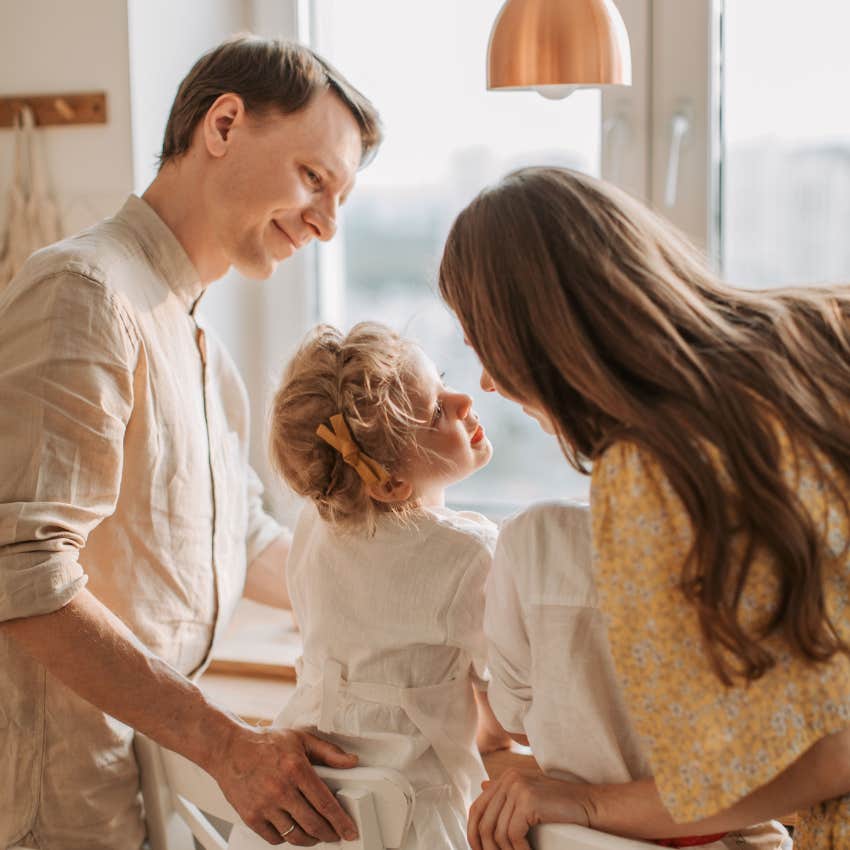
1. They tried to solve every problem
 Vlada Karpovich | Pexels
Even if their heart is in the right place and they just want to make their kids' lives comfortable, parents who try to solve every problem only take away their chance to grow up. Without being able to make mistakes or face challenges on their own, kids never find their resilience.
Yes, kids need to feel like they matter to grow up as secure, successful adults. But that doesn't mean coddling their emotions or protecting them completely from discomfort.
2. They made every occasion special
It sounds so counterintuitive that a parent who tried to make their kids' small moments special could occasionally raise an ungrateful kid by mistake, but it's true. When kids grow up with parents who would move heaven and earth to make daily life amazing, they begin to expect amazing in everything and everyone.
If they didn't have to work for this kind of special treatment and started to expect it all the time, there's a chance they stopped feeling the need to express gratitude and appreciation.
3. They cleaned up their kids' messes
In an emotional and literal way, if a child knows their parent is going to swoop in and clean up their messes, why try to be diligent and thorough? Whether it's a hard conversation with a teacher or a chore they don't want to do, they expect they'll be let off the hook for doing a bad job.
The most emotionally healthy, secure children learn how to tolerate discomfort by doing things they don't want to do and changing their behavior when their parents point out laziness. They're not the ones with parents who cater to them and make excuses for their apathy.
4. They never wanted their kid to be disappointed
Having a safe space at home to deal with complicated emotions is what creates the most emotionally regulated adults.
They didn't have parents who tried to take their emotions away or offer all kinds of negotiations to boost their mood. They had parents who let them feel their feelings and gave them space to practice processing them on their own.
It's not always comfortable for a parent who struggles seeing their child upset, but it's a lesson good children need in order to grow up as emotionally healthy people.
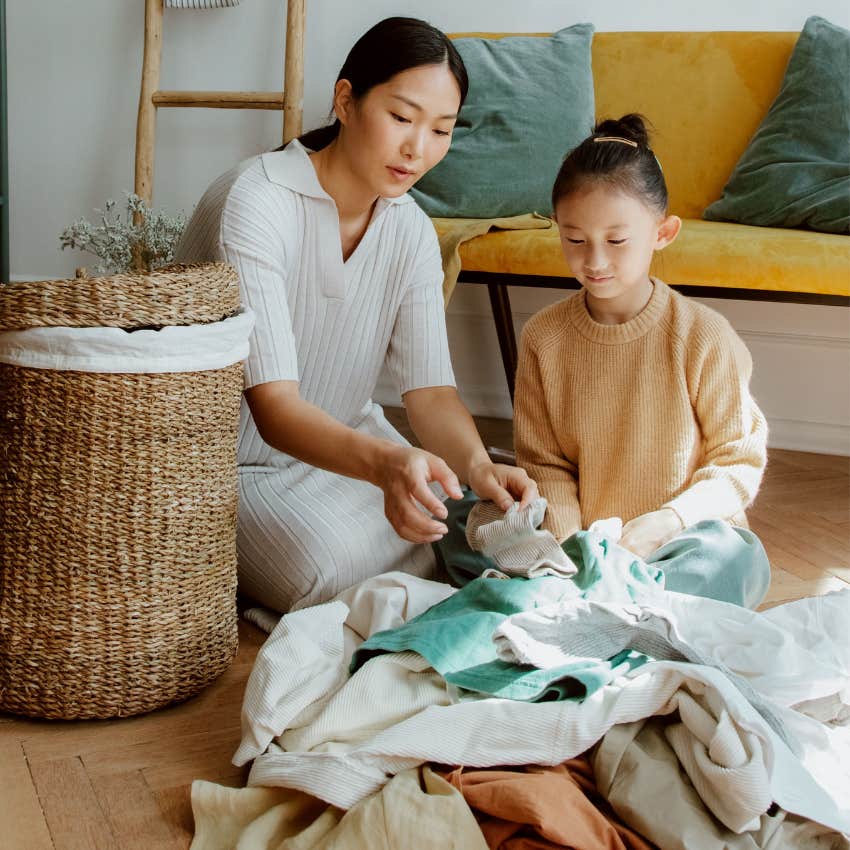
5. They handled all the chores and obligations
 Ron Lach | Pexels
Children who are offered responsibilities and chores to take care of at home tend to grow up as the most successful, secure adults. Not only do they learn how to manage their time and take accountability, but they also grow into more empathetic, confident people.
Yes, we want our kids to have the time and freedom to explore their own interests and do fun things, but sometimes, not creating a diligent routine for them to practice managing obligations can actually set them back.
6. They compensated for their own childhood
Parents who try too hard to compensate for their own childhood trauma aren't always healing anything. In fact, trying to make their kids' lives incredibly special and using "this is what parents do" as the justification only teaches their children to expect it without gratitude or appreciation.
Plenty of parents have turned their parenthood into a means of healing from past trauma, but it can also breed spoiled, ungrateful kids.
7. They didn't model gratitude at home
Kids don't learn how to be truly appreciative by hearing "just be grateful" from their parents. They learn by watching their parents express gratitude themselves.
If a devoted parent is too focused on fixing their children's problems and catering to their needs, so much so that they don't actually model gracious behavior in their personal lives, their kids will never learn.
8. They fought in private
Trying to shield kids from the reality of daily life and relationships only gives them unrealistic expectations. For example, parents who never talk about complicated topics in front of their kids and fight in private are only making their children afraid and uncertain when they inevitably face these situations later on.
The healthiest kids watch their parents model great conflict-resolution and communication skills. No, it's not always going to be easy for them to see their parents arguing, but they learn a lot from the respect their parents model in these moments.
They also learn to manage their own discomfort, without a parent around who's immediately changing their behavior to keep the peace.
9. They undervalued their own effort
 amber currin | Pexels
Children whose parents solve their issues and coddle their every emotion are used to associating love with obligation. Their parents showed love through service and making their lives easier, so they expect that from everyone else, without having to do anything themselves.
Being coddled as a kid feels great, but it's not empowering them to show up in their later relationships and social situations.
Zayda Slabbekoorn is a senior editorial strategist with a bachelor's degree in social relations & policy and gender studies who focuses on psychology, relationships, self-help, and human interest stories.
