
11 Things People Only Realize After They Move Away From Their Toxic Family
 Julian Nielsen | Pexels
 Creating space with a toxic family doesn't heal all the internal wounds. But it's often a crucial first step.
For adult children who need to unwind their inner programming and move forward without continuous manipulation, once they move away from the dysfunction, whether physically or by creating emotional distance, they come to realize things that help them live a much fuller, happier life.
Things people realize when they finally move away from their toxic family
1. People don't have to agree in order to support you
 Mizuno K | Pexels
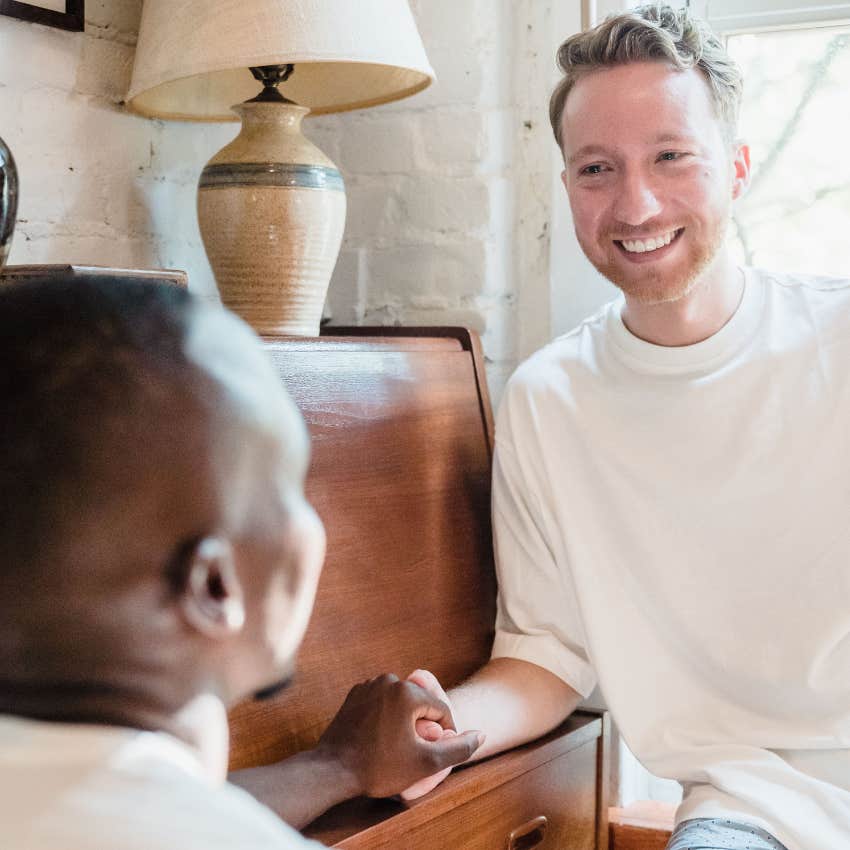
Many people are convinced by toxic parents that they have to be perfect to be loved. They had to prove themselves worthy of being heard or respected, and eventually started to believe that this was how every relationship works.
Even into adulthood, many adult children carry these toxic internal beliefs with them into their relationships. But when they finally set boundaries or cut off contact, it's easier to clear the noise their toxic families created.
The simple realization that someone can support and love you, even when they don't agree with you, is something they only realize once they're on their own.
2. Silence can truly heal
When we learn to appreciate silence instead of trying to distract ourselves from it, we can regulate our bodies from the inside out. We settle our nervous system and give our minds space to process emotions in a way that rewires us toward peace.
For someone who's used to fearing silence or always being in overly stimulating environments with a toxic family, finally leaving can feel scary. That silence they've always wanted but never gotten can feel intimidating. However, over time, the peace it brings is powerful.
3. The scariest boundaries can bring the most relief
Setting the kinds of boundaries that feel the scariest to confront can bring instant relief. In fact, people who finally set the boundaries they ignore for a long time often protect their physical and mental health.
Yes, it's easy to avoid hard conversations and to run from the boundaries you need to set the most, but sometimes, finally facing them head-on brings more peace than adult children realize. It's something you can only experience once you do it.
4. Feelings and memories never truly leave
Even when you're on your own, moved away from a toxic family or unwinding your trauma through a critical eye, the memories and hope you carried during the most impressionable years of your life still linger.
Healing is nonlinear for that exact reason, and so many others. It's not uncommon for people to simultaneously hold space for both their trauma, and their appreciation for the past and memories of good times.
5. Some people only care about themselves
 George Milton | Pexels
When you've spent your most impressionable years around a toxic family, it's easy to feel like you're at fault for how others treat you. Whether it's a transactional parent or a hyper-critical mom, childhood trauma can warp our self-worth.
But with the perspective that going no contact or moving away from a toxic family dynamic offers, we're reminded that some people only care about themselves. Even when you call them out or get really vulnerable about your pain with them, they'll still find a way to play the victim or shift blame.
6. It's possible to have a peaceful baseline
When you're constantly worried about an unexpected visit from a parent or a run-in at the grocery store with a toxic family member you've cut off contact with, it's easy to live in fight or flight mode. But when someone can create both emotional and physical distance, they can return to a calmer state of being.
Even if it's entirely subconscious, they're reminded of the possibility of a peaceful baseline. They don't have to be hypervigilant or constantly reminded of a toxic parent. They don't have to create fake excuses or pretend they're not home. They can just live, choosing to reach out on their own terms.
7. You can miss people who have wronged you
It's not uncommon for people to struggle with healing from family trauma and estrangement in adulthood because it's still somewhat stigmatized, despite being more popular today. It's nuanced to hold onto hope of the family they never had at the same time as their own personal trauma.
When you finally create space with toxic parents or family members, you also have to come to terms with missing the people who caused you the most pain. You've created boundaries and made a decision in your best interest, but that doesn't mean it's easy to walk away from the hope they'll change.
8. Disagreement isn't an instant argument
So many people learn from their parents that conflict is something to be afraid of. They watch parents scream at each other at home. They grow up feeling a pressure to hide their emotions or concerns. They end up as anxious adults who people-please to protect the peace or avoid disagreements entirely.
When separated from these defensive, angry family dynamics, they learn that not everyone who disagrees with them is interested in having an argument. In fact, there are plenty of emotionally intelligent people who want to understand where they're coming from, instead of proving that they're wrong.
9. Privacy is a human right
 kaboompics.com | Pexels
On top of personality differences and unsolicited advice, tensions in adult child-parent relationships later in life can also revolve around boundaries and communication. If a parent expects their child to be constantly available or even shows up unannounced at their door, that can create distrust and anxiety.
After moving away from their family, it might feel strange to watch people respect their privacy without a second thought or to feel in control over their boundaries. They may even feel slightly guilty for keeping certain things to themselves. But over time, they're reminded that their parents' entitlement wasn't the norm.
10. Love doesn't need to be taxing
When you grow up with transactional parents or in a household where love feels like a real chore, you never learn that love can be easy. You expect love to be something you must work for because that's the kind of dynamic your family modeled.
That's why childhood trauma is so insidious, because those lessons linger even after kids grow up and out of the house. But when they finally separate from their family, they finally realize how open and easy love can be.
Even if it's just noting how someone else's parents behave or how a healthy partner treats you, it's a groundbreaking realization for many adults.
11. Their inner child needs healing
Sometimes, leaving a toxic family and going no contact opens the door for adult children to build the most important relationship of all: the one they have with their inner child.
They can finally unwind the limiting beliefs they were taught by toxic parents or the hobbies they were shamed into doing at home. They can make that inner child feel safe again, without toxic coping strategies and avoidance.
No, it's not always easy to confront emotional triggers and get to that vulnerable space. But learning to make peace with your inner child is often a project for people who finally give themselves permission to step away from their family and set boundaries.
Zayda Slabbekoorn is a senior editorial strategist with a bachelor's degree in social relations & policy and gender studies who focuses on psychology, relationships, self-help, and human interest stories.
