
Kids Raised In The 60s, 70s & 80s Experienced 10 Basic Things Younger Generations Never Will
 fotoak | Shutterstock
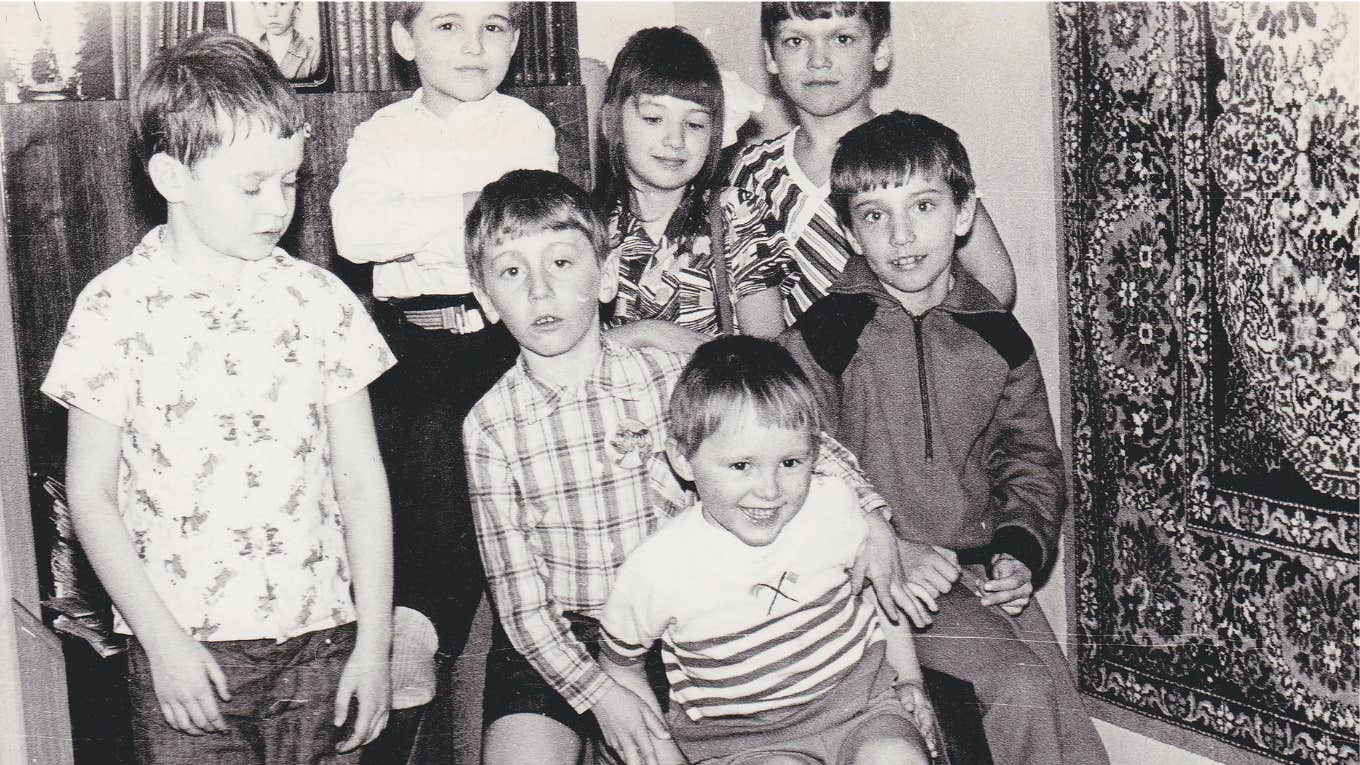
 For baby boomers and Gen Xers, their childhood looks much different than the lives of kids today. Not only was everything analog, but parents had more of a hands-off approach. They roamed free and made connections in-person, whereas children today do mostly everything on the internet or their iPad.
Kids raised in the 60s, 70s and 80s built self-reliance and responsibility all on their own. Unfortunately, younger generations will never experience the same level of unstructured play and a lack of adult supervision.
Basic things kids raised in the 60s, 70s and 80s experienced that younger generations never will
1. Not needing to check in after leaving the house
 Mary Taylor | Pexels
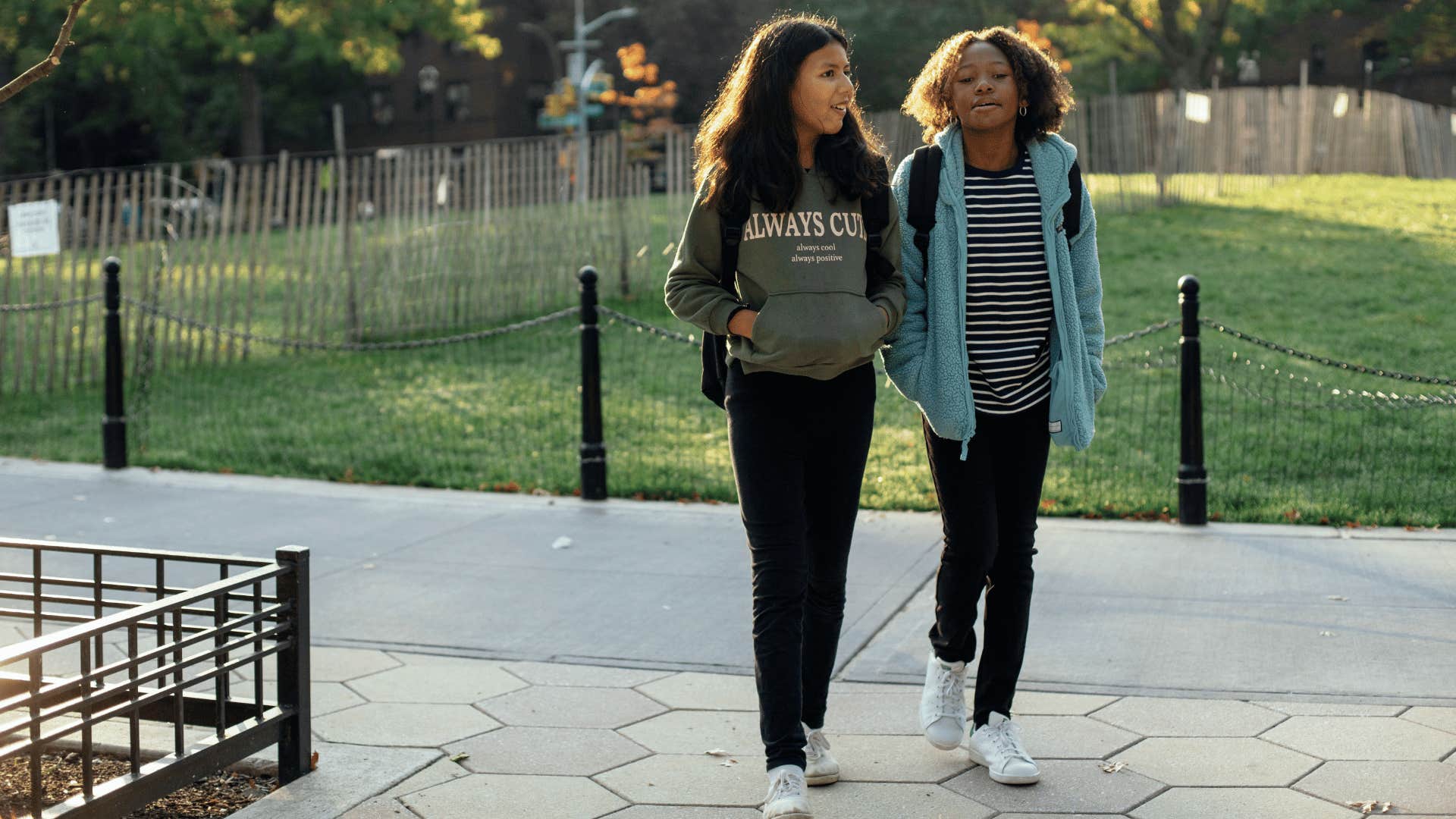
Whenever a child leaves the house these days, they have to send multiple messages updating their parents on where they are. Terrified for their children's safety, they're in constant communication with their child. But kids raised in the 60s, 70s and 80s didn't have to tell their parents anything.
It's likely that parents weren't giving their children proper attention, and would send them off to play or run errands. Safety standards and rules were quite lax back then, but kids didn't mind, because it meant they had no authority figure to answer to.
2. Knocking on a friend's door instead of calling first
 Samuel Peter | Pexels
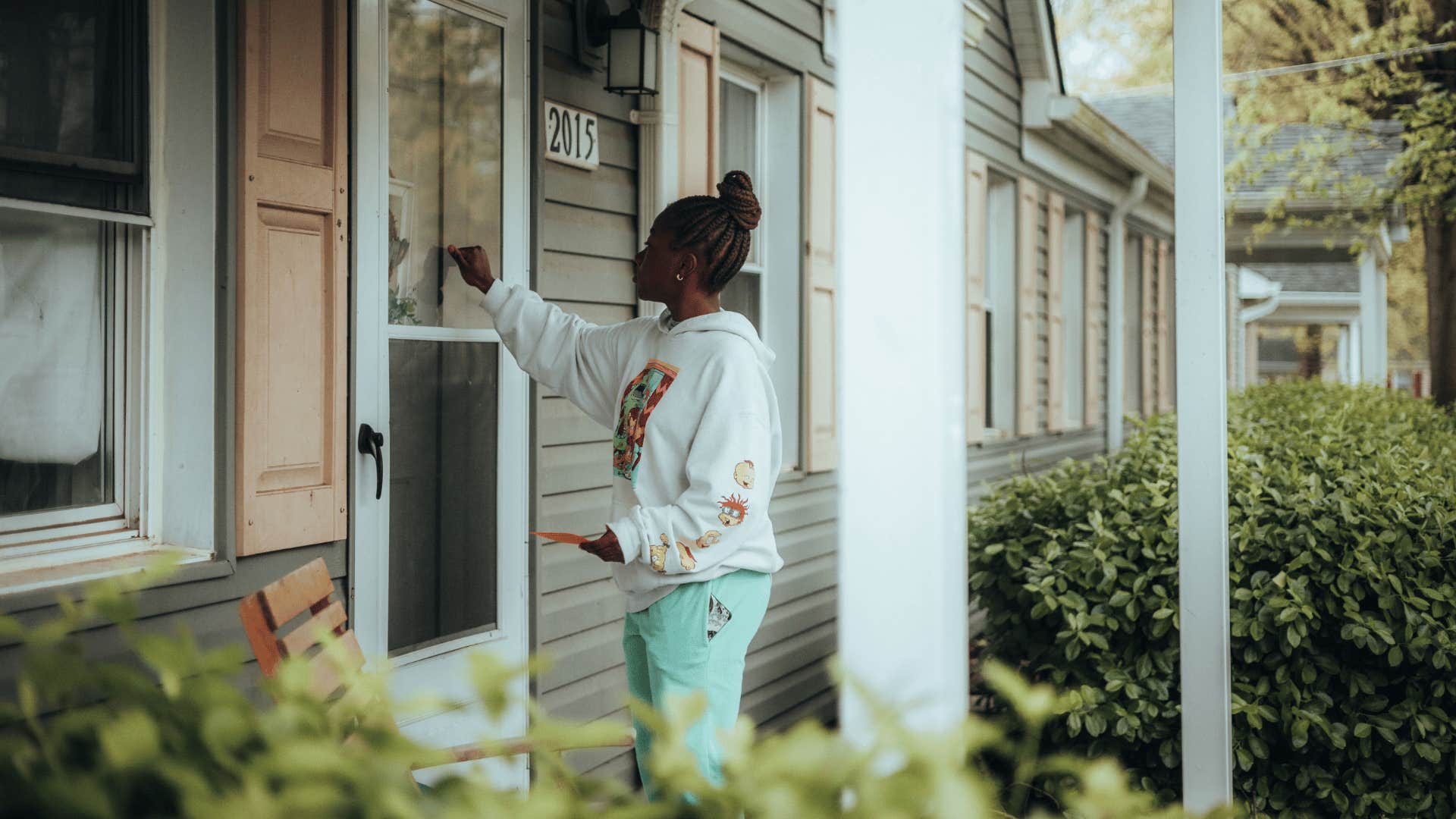
Before cell phones, people had to rely on landlines to get in contact with other people. But kids didn't have time for that. They just wanted to play. So, they'd knock on their friend's doors and ask them to come outside, not calling first or asking parents for permission.
With parents too busy and unconcerned about their children's safety, going to visit a friend out of the blue wasn't abnormal. They would show up uninvited, but nobody cared. It was a different time, when life felt simple. Kids weren't anxious about calling anyone, and they certainly weren't scared about showing up unannounced.
3. Waiting all week to watch their favorite TV show
 Mikhail Nilov | Shutterstock
Today, people don't have to wait an entire week to watch their favorite shows. Thanks to streaming platforms, they can watch media whenever they want. Younger generations will never experience what it's like to wait, as they have everything at their fingertips.
Kids in the 60s, 70s and 80s also didn't have many options of what to watch, so that one program they'd wait for meant a lot to them. Kids these days are all about convenience, so they certainly would never wait more than a few minutes to watch something.
4. Using paper maps instead of GPS
 cottonbro studio | Pexels
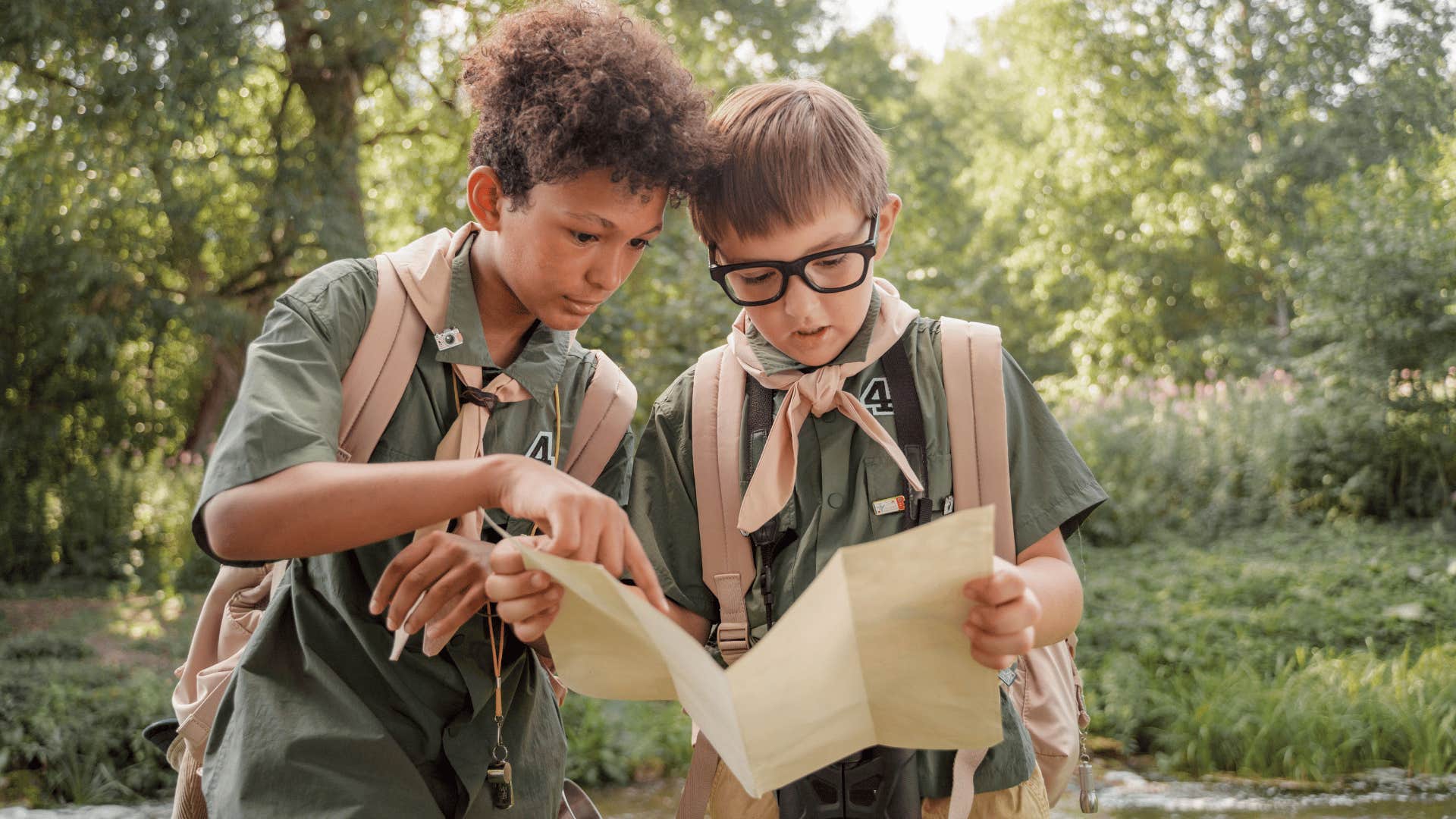
It isn't younger generations' fault that using maps is difficult. In a world that strictly uses GPS to get around, kids raised in the 60s, 70s and 80s didn't have that same luxury. Instead, they relied on paper maps to get around, and would have to manually look up roads and turns if they got lost.
Kids today won't ever have to struggle with this, nor do they need to rely on their memory to get to where they want to go. And while reading physical maps is a good skill for anyone to have, most young people won't use it in their daily lives.
5. Using film cameras
 Immo Wegmann | Unsplash
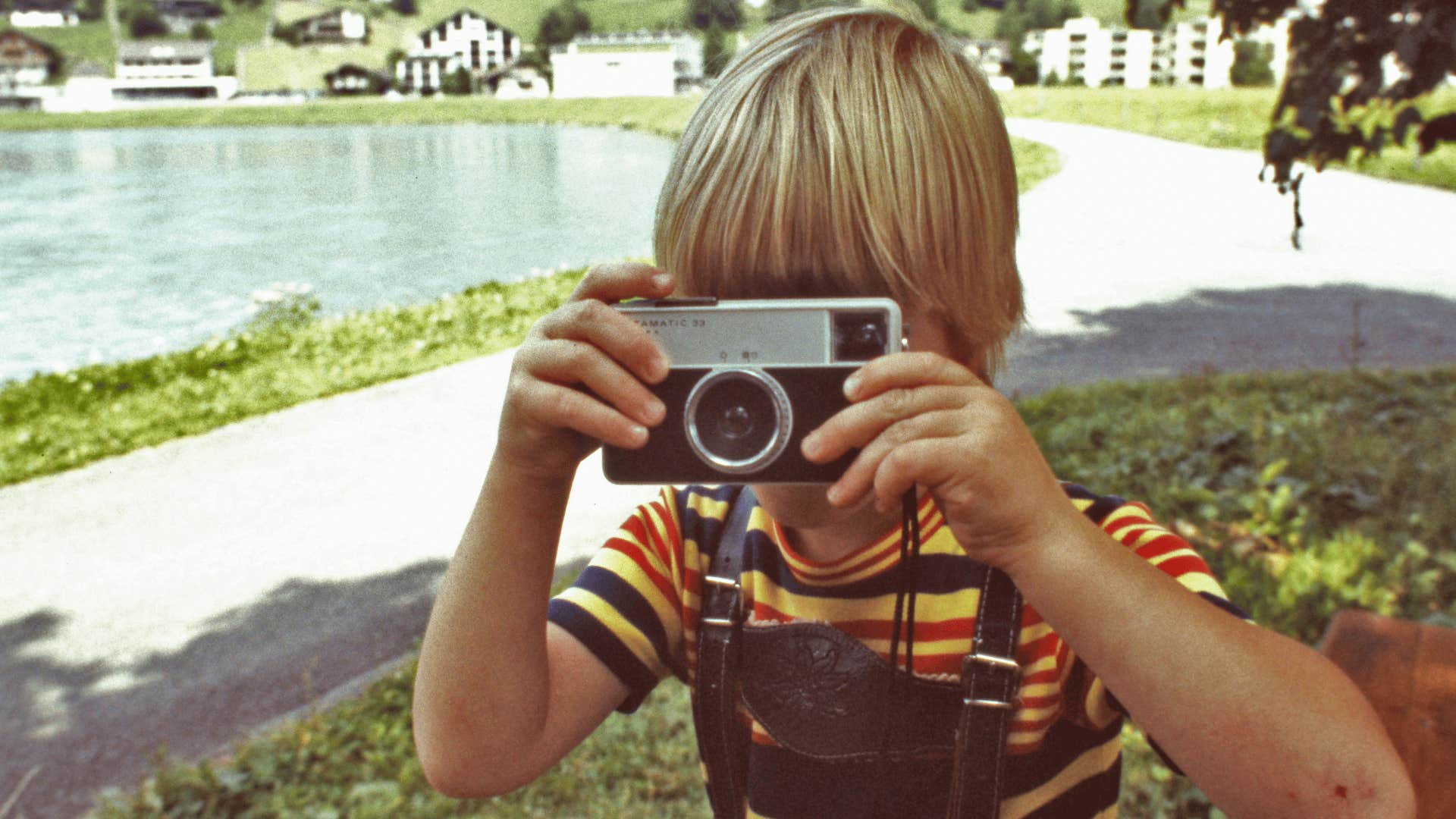
Younger generations are just as artistic and creative as baby boomers and Gen Xers. They're passionate and driven, using newly developed technology to design and capture the world around them. But for kids back in the day, film cameras were the only way to take photos. And then, they'd have to be developed, which required more waiting.
Photography was much different from how we know it today. Kids didn't have the luxury of digital cameras, which came out in the 1990s. Every photo was taken with care as a result.
6. Leaving the front door unlocked
 Yan Krukau | Pexels
People didn't seem to worry about safety that much just a few decades ago. They may have been aware of unrest around the world, driven by social justice efforts, but predators and serial killers just weren't a thing. Families would leave their front doors unlocked, which is something younger generations will absolutely never experience.
This was simply the norm. Regardless of how reckless it was, adults and kids had more faith and trust in their environment. They left the door unlocked for their friends and neighbors, where anyone could come over unannounced.
7. Drinking from the garden hose
 Jonathan Borba | Pexels
Kids raised in the 60s, 70s and 80s did a lot of questionable things. Whether it was rolling in the mud or drinking from the garden hose, germs weren't ever talked about. Today, it's considered unsanitary, but kids had a carefree mindset.
They spent countless hours running around and exploring. Unfortunately, younger generations are spending less time outside than ever before, so a garden hose water break is simply unheard of now.
8. Looking up phone numbers in the Yellow Pages
 Tienda de Fotos | Shutterstock
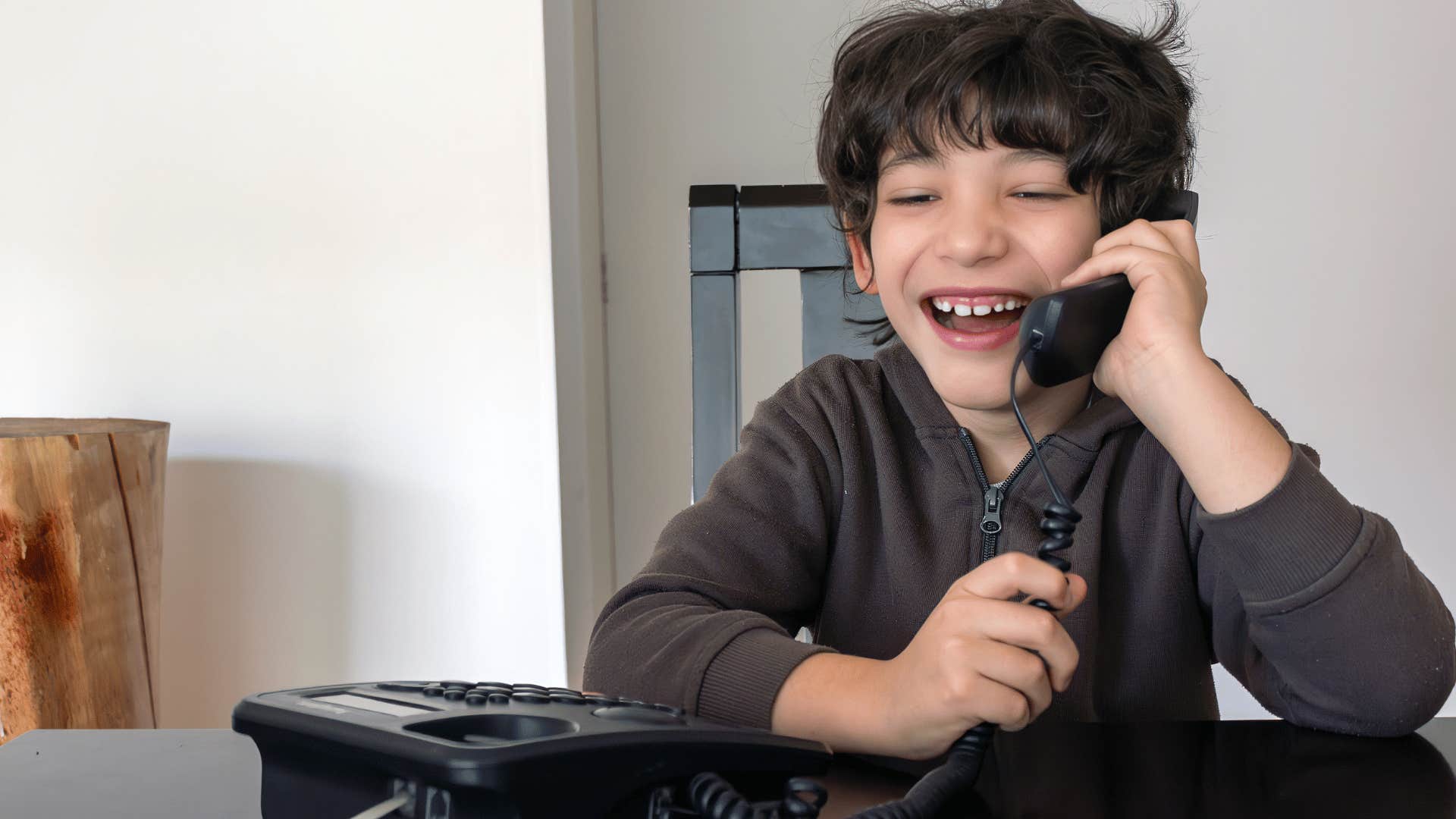
Getting people's phone numbers in the 60s, 70s and 80s meant carrying around an address book and writing it all down. Without cell phones to Google numbers for their friends or neighbors, kids used the Yellow Pages phone book to find it.
Younger generations today don't need to worry about any of that, nor will they ever experience it. Their cell phones keep every number saved automatically, so they don't need to waste space writing everything down by hand.
9. Riding bikes everywhere
 Evgeny Atamanenko | Shutterstock
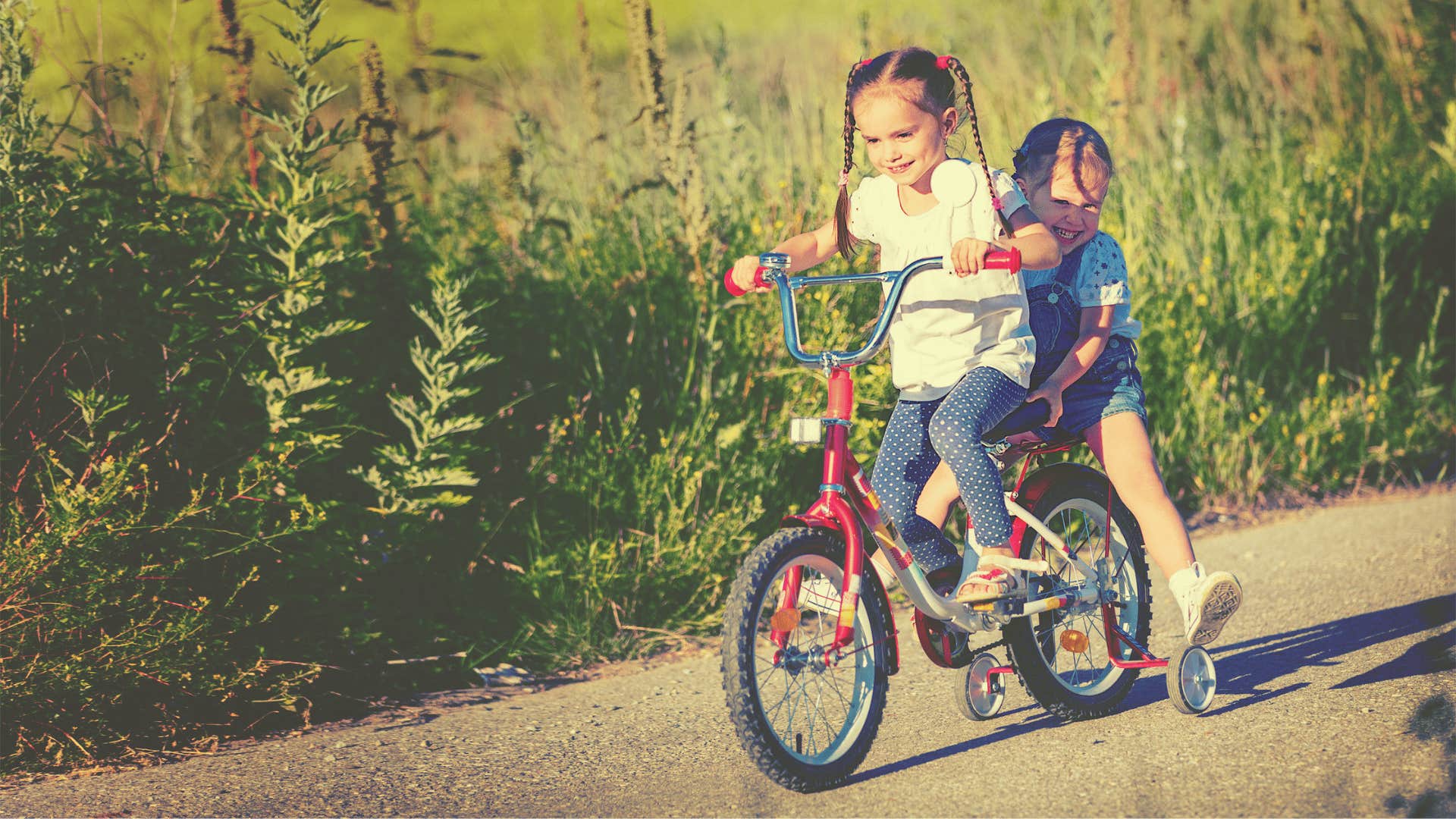
Instead of relying on their parents to get around, kids would ride their bikes everywhere together. Since their parents were likely working and not even home, they took it upon themselves to find a solution. Whether it was to school or to their neighbor who lived down the road, a bike was a form of freedom.
Unfortunately, there's been a sharp decline in kids riding their bikes, which has cost them their independence. They're reliant on parents to drive them somewhere, and with helicopter parenting on the rise, it's no wonder they're lacking simple skills like this.
10. Waiting in line for concert tickets
 Ian Sanderson | Unsplash
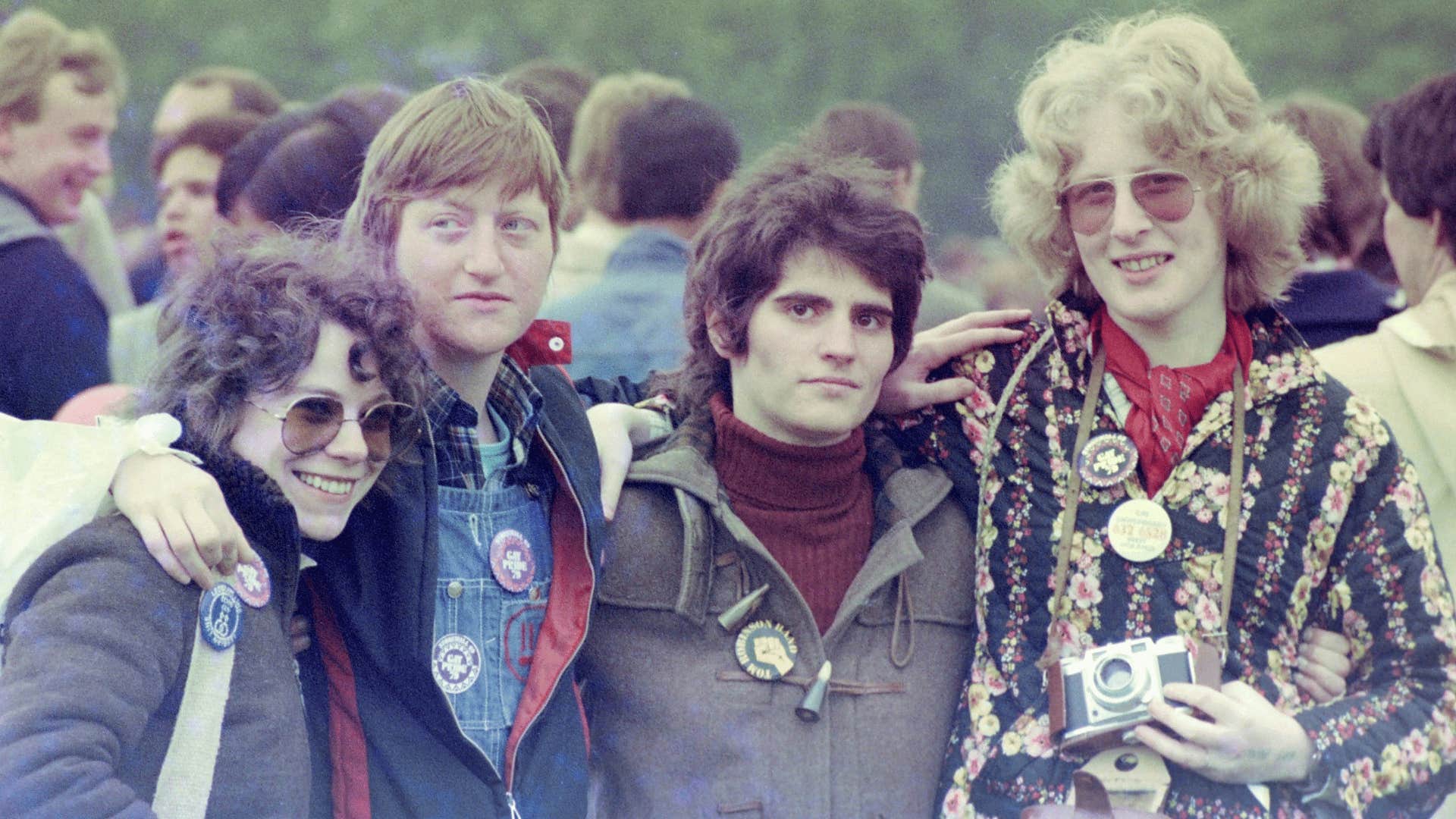
In the 60s through the 80s, people waited in line to get tickets to concerts to see their favorite band or musician. They would get there hours before the ticket booth opened to secure their spot, and if there weren't enough left, they were out of luck.
This stressful event is something kids today will never have to go through. Nearly all concert tickets are bought online, where prices are sky-high and, depending on the artist, almost impossible to secure. People have the convenience of waiting in online queues, rather than spending hours on end in a physical line.
Marielisa Reyes is a writer with a bachelor's in psychology who covers self-help, relationships, career, family, and trending topics.
