
Kids Raised In The 60s, 70s & 80s Didn't Need To Ask For Permission To Do 10 Things
 Florida Memory | Unsplash
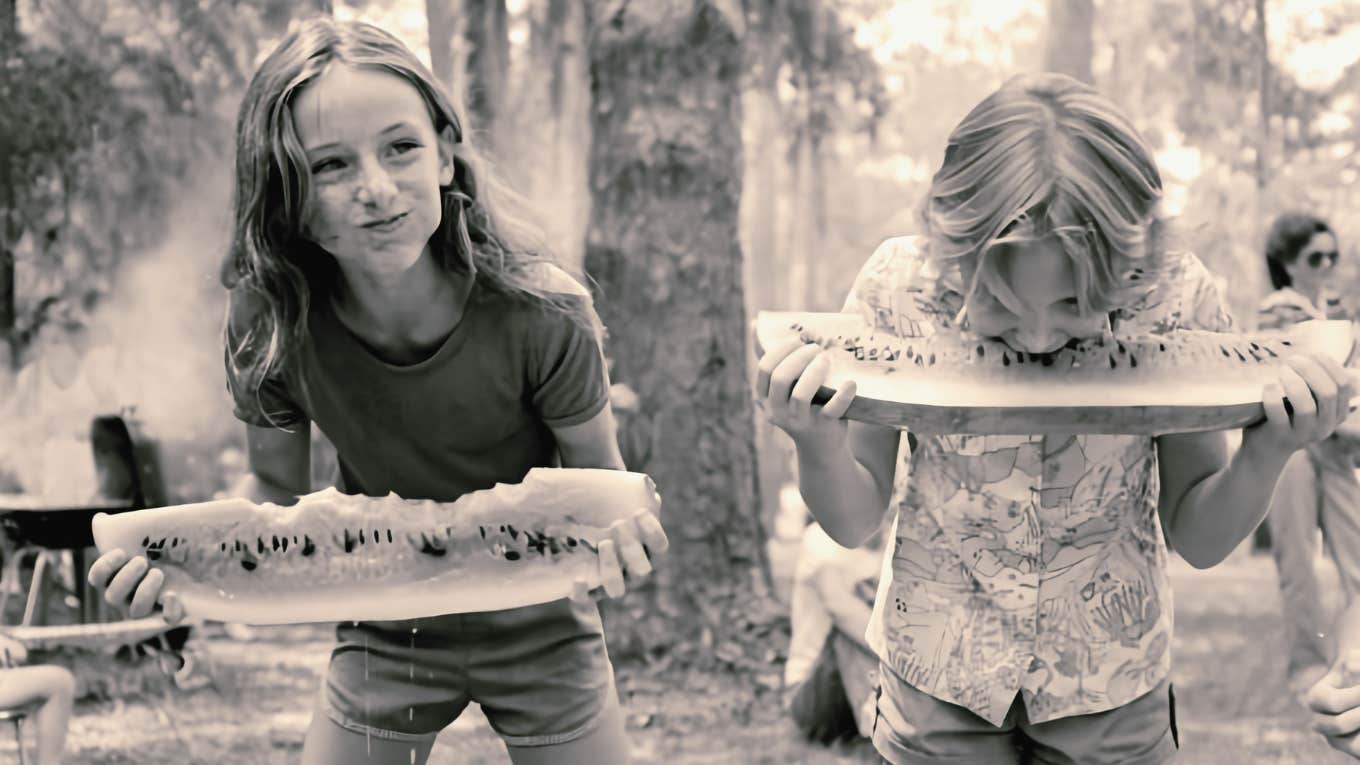
 Kids raised in the 60s, 70s and 80s range in age, but are either Gen Xers or baby boomers. Though they're incredibly different due to changes that occurred throughout these decades, they had very similar experiences growing up.
They didn't need to ask permission from their parents to do certain things, as they were often on their own. Growing up in these decades gave them the freedom to explore and eventually become resilient adults.
Kids raised in the 60s, 70s and 80s didn't need to ask for permission to do these things
1. Use the phone
 Sergei Kolesnikov | Shutterstock
Most people today have a cell phone, but back in the day, there were only landlines. They could only be moved as far as their curly cord would allow. If someone wasn't using the phone, a kid could use it without having to ask permission. They could just pick up the receiver and call someone until their parents needed to use it.
Today, kids have to ask their parents to borrow their phone. Since their parents are likely using a cell phone rather than a landline, they're much more protective over the use of it.
2. Show up at a neighbor's house
Showing up at your neighbor's house unannounced feels like something that's not quite normal today. But in the 60s, 70s and 80s, kids would roam the neighborhood freely and go to each other's houses, usually unannounced.
For kids today, if they showed up at a neighbor's house, their friend's parents would get annoyed. They might feel responsible for looking after that child and wonder why their parents didn't ask before coming over.
When it was more common to show up unannounced, people didn't see kids who did this as a nuisance. In fact, they likely expected it. Some parents wanted their child's friends to show up so they didn't have to entertain them themselves.
3. Listen to music
Boomers and Gen Xers grew up listening to records and the radio. The music would be heard by the whole house. If their parents needed to focus, they might get frustrated with their kids.
But cassette players were invented in the 1960s, allowing people to listen to music on their own. Their headphones made it so that nobody else could hear their music, and they didn't need to ask their parents for permission because it wouldn't interfere with the household.
4. Get a job
For kids who grew up in the 60s, 70s and 80s, getting a job was just something you did once you turned a certain age. Not working wasn't an option, especially if they lived in a middle class family who had to work hard to make ends meet.
Today's kids, however, may have jobs, but they're more focused on hanging out with their friends or volunteering to beef up their college credentials. Their household may also not be struggling financially, so there's less pressure for them to become employed. They don't feel like they have to choose between school and making money.
5. Ride their bikes
 Darcy Lawrey | Pexels
People who grew up in the 60s, 70s, and 80s rode their bikes constantly. It allowed them to meet up with their friends or go to the store without needing their parents' help. Because it was so common, they didn't have to ask their parents for permission to leave the house.
Unfortunately, many parents find bike riding too dangerous for today's kids. They worry their kid will get hit by a car or will get lost. Younger generations tend to have helicopter parents, so riding around on a bike, especially without permission, just doesn't happen anymore.
6. Spend money
If a kid had a job back in the 60s, 70s, or 80s, they had their own money to spend. Their parents clothed and fed them, but any other activities they wanted to do were on them. Kids used their disposable income to have fun with friends or buy toys they wanted but that their parents couldn't afford.
Since the money they made at their job was their own, they didn't have to ask their parents for permission to spend it. But fewer kids today have jobs, so they don't have that same freedom. Still, some parents are teaching their kids financial responsibility by watching how they spend.
7. Explore their communities
Without kids riding bikes as much today, they don't have the same options to explore their communities. When kids in the 60s, 70s, and 80s rode bikes or walked around, they didn't have adult supervision, so they could navigate new areas and explore different parts of their community.
Kids today have less independence. Tracking apps are popular with parents so they can keep an eye on their kids and make sure they're safe. So, even if kids are exploring their community, they can't just go anywhere. They're also aware that their parents are watching.
8. Play sports
In the 60s, 70s, and 80s, it was common to meet up with your friends at the park. Sometimes, kids would play a game of baseball or soccer, but it allowed them to hone their skills while getting some exercise.
Today, younger generations of children play sports that are a lot more structured, which has led to quitting due to burnout. A lot of kids don't experience those unplanned games in the park, and if they go somewhere, they might not even find other kids in their age group to play with.
9. Date people
 cottonbro studio | Pexels
Dating culture has changed a lot from how it looked in the 60s, 70s, and 80s. Younger generations who are of dating age often say that it's hard to navigate the dating world as a whole. Some young people don't even prioritize dating because it doesn't seem like a pressing concern.
Back in the day, getting serious was a common thing among teenagers. They likely had a high school sweetheart and maybe even ended up married down the line. That's because there was an expectation to get married young.
Today, parents are strict about who their kids see romantically. They want them to instead focus on their education and growing into their own person.
10. Order delivery
Children didn't always have to ask their parents for permission to order food in the 60s, 70s, and 80s. While it was likely a pizza delivery or local diner takeout, there weren't many options. But if they were craving a slice, they would pick up the phone and order food without having to ask their parents first.
Things have changed quite a lot. Today, almost every restaurant lets you order food online or through delivery apps. Kids who don't ask permission might spend a lot of money on a meal, not quite understanding what they're doing. As such, parents are very much in control of what their kids are doing.
Lily Bell is a college student studying English and Publications who covers relationships, mental health, and personal narratives surrounding the human experience.
