
Gen Z Missed Out On 9 Childhood Experiences That Made 70s & 80s Kids More Resilient
 Mallory DiMaio | Unsplash
 Many Gen Zers missed out on certain childhood experiences that gave kids raised in the 70s and 80s more resilience. This is likely as a result of the technologically-focused world we live in today and a change in parenting expectations.
People raised in the 1970s and 1980s built resilience through these experiences that Gen Z missed out on:
1. Unsupervised play outside
 Gorodenkoff | Shutterstock
People raised in the 70s and 80s were traditionally coined latchkey kids because they were expected to grow into their independence and maturity on their own time. Yes, they had quality time with their families and were taught practical skills, but their daily free time was their own from a very young age.
In fact, many kids were expected to be outside playing in the neighborhood or engaging in unstructured play without a parent entertaining them all the time. They became more creative and resilient, and responsible because of these experiences, but that didn't mean they were always easy or fun.
While older Gen Zers got the last glimpse at this kind of childhood, with more engaged parents, growing up most had phones by their early teenage years. No longer were childhood experiences shaped by outdoor adventures and resilience-building social interactions, but rather by screens and constant stimulation.
2. Making mistakes outside the public eye
While Gen Zers who didn't have phones growing up or had parents who monitored their digital footprint could prevent this, many young people were thrust into anxious mindsets because of the public eye. Even if they didn't have many followers, if a single mistake or mess-up of theirs was recorded, it was on the internet forever.
Gen Zers did, at one point, collectively feed cancel culture, but when fixated on them, the realization hits. They can't make stupid mistakes like their parents could without phones, because there's always someone watching or recording. Instead, so many young adults are now anxious about stepping even a foot outside of their comfort zones or saying the wrong thing.
They stick to what they know, even if it comes at the expense of connection and personal evolution.
3. Having to face in-person consequences
Plenty of Gen Z kids had to face discipline from their parents or mediate their neighborhood mess-ups with friends, but some had the benefit of anonymity on their side. It's not that Gen Zers never face accountability, but rather that it looked different for many in childhood.
From dealing with online bullying to saying things they didn't mean to friends in a text, many Gen Z kids could sidestep accountability to some extent when their phones were used to communicate. For some, this facilitated a sense of entitlement. For others, it made their lives a living nightmare.
In comparison, people raised in the 70s and 80s had to own up to these opinions. They had to mediate conflict face-to-face and bring up their issues in person. Even if it led to an altercation or argument without parental supervision or the safety of a screen, it was these moments that built resilience and taught them how to communicate effectively.
4. Indulging in hobbies that require serious patience
Even if it was typical and second nature for Gen Xers to adopt hobbies like film photography as kids, many of them required patience. They had to take photos and wait for them to develop. If they loved a certain movie, they had to plan and wait for it to be on TV. They kept ideas and thoughts in their minds for days before getting to see and speak with their friends again.
Patience is a virtue that's deteriorating in modern culture by instant gratification and convenience, and even if Gen Zers are figuring out how to build it in their own ways, they're often one step behind older generations who grew into it out of obligation.
5. Reading and researching with only print media
 Dasha Trofimova | Shutterstock
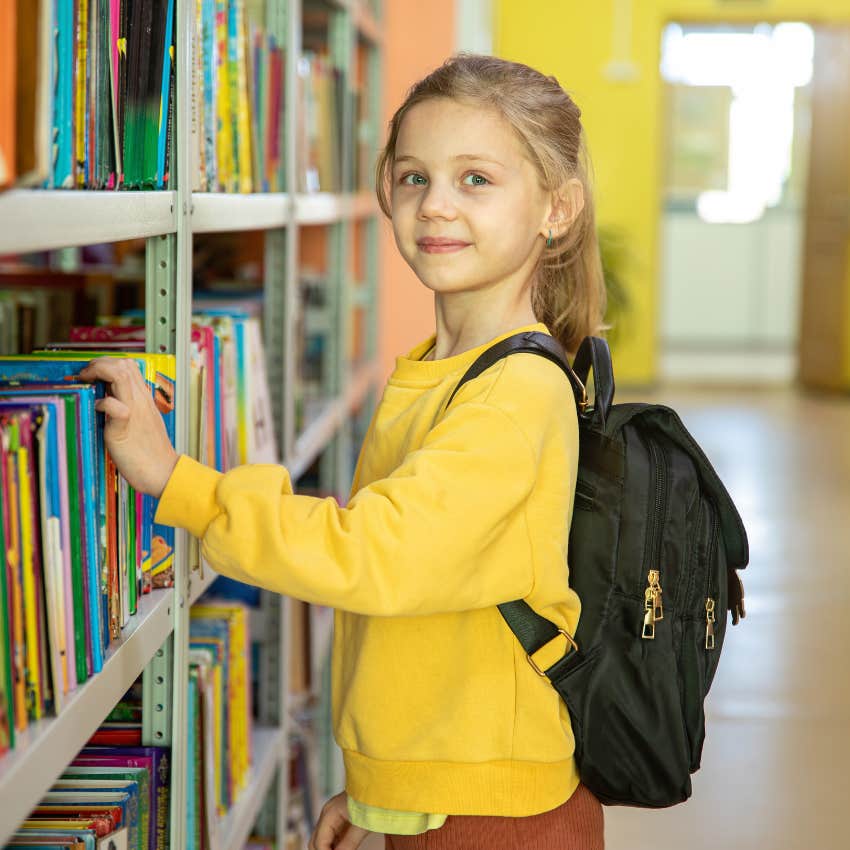
Whether it was combing through physical encyclopedias to research for a paper at school or reading a chapter book on paper without having the internet to search a word they didn't know, Gen X kids learned resilience by having print media in their routines.
Things like handwriting on paper and reading off a screen also still benefit their lives as adults, but it's really this physical, tangible form of consumption that made them resilient. They didn't have all the convenience of search engines and the internet on their phones that we take for granted today, so they had to learn the hard way.
While Gen Z kids surely still read paper books and had physical textbooks early in their educational careers, as young adults the convenience and excitement of cell phones stunted some individuals' learning and growth.
6. Sitting in complete silence
Boredom was the end of the world for many kids, regardless of their ages, but for Gen Zers, stimulation was almost always around. Especially for younger Gen Z people, who had cell phones and constant mindless entertainment early in childhood, it's really no surprise that true, silent boredom feels even more anxiety-inducing today.
Compared to Gen Xers, who managed their boredom and sat in silence all the time as kids, most Gen Zers are completely reliant on their phones to get through alone time. Even if they don't realize it, there are signs everywhere: needing headphones to go for a walk or turning on TV shows or podcasts to clean.
7. Using landlines
In most of their relationships, platonic and romantic, Gen X kids and young adults had to be intentional. Remembering someone's phone number and waiting for the landline to be free to take a call were natural parts of getting to know someone and making plans, and it's made them socially resilient today.
They were used to having little to no conveniences when it came to staying connected, and now, having technology makes their lives easier instead of taking away completely from the power of in-person connections. They may send texts and FaceTime, but they're also seeing people face-to-face.
Again, there are plenty of Gen Z people who stay connected and build in-person communities. But social connection takes a lot more effort than it does for Gen X adults, who formed and practiced their social skills early.
8. Forming their identity offline
Gen Zers do have somewhat of a choice to cultivate their identity and grow as people offline, but the pressures to stay connected and keep up with social media can be impossible to overcome for young people who just want to feel included. However, Gen X didn't have to figure out how to avoid these pressures because building their identity and character offline was their only choice.
Media and culture still affected their identity in very influential ways, as it does, but people raised in this generation had more freedom to experiment and express themselves. The comparison culture that young people often experience today is on an entirely different level.
Gen Xers are resilient because their identity is naturally grown and internally supported, rather than being a regurgitation of trends and concepts from social media or the internet.
9. Babysitting their younger siblings
 PeopleImages | Shutterstock
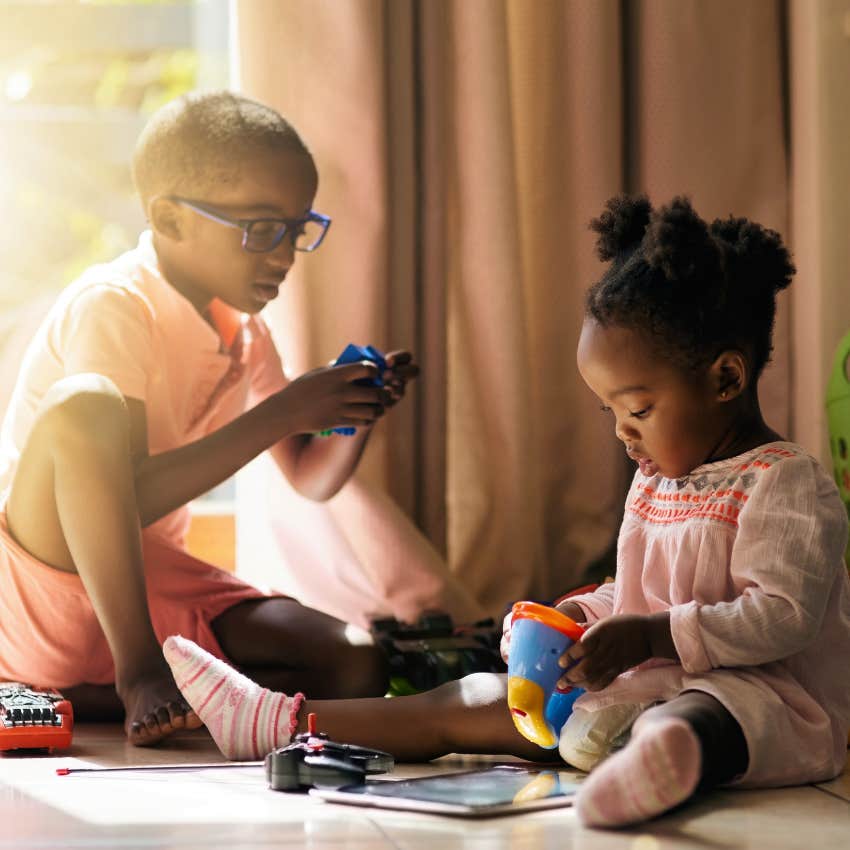
Coming home to an empty house and watching or being watched by siblings was a natural, completely normal experience for Gen X kids. Not only did parents work a lot and spend most of their time out of the home, but kids were expected to help out the household in some way, usually through babysitting and doing household labor.
Some kids got allowances and praise, but most of the time they learned resilience from having to keep up with these obligations that weren't always easy. Gen Zers did chores, and plenty of eldest siblings were in-house babysitters, but the parenting culture was naturally different.
Many Gen X parents swung to the other side of the spectrum, adopting overprotective, anxious parenting styles that deeply contrasted with those of their own parents. Most were afraid to let kids be home alone and didn't let them play outside, often because they knew the kind of trauma that came with their resilience as kids.
Zayda Slabbekoorn is a senior editorial strategist with a bachelor's degree in social relations & policy and gender studies who focuses on psychology, relationships, self-help, and human interest stories.
