
Someone With Pretty Much Zero Social Skills Usually Says 11 Phrases In Casual Conversation
 pixelfit via Canva
 Good social skills rely on understanding how your words affect others and knowing the right things to say in certain situations. The most socially skilled people know how to make others feel heard and comfortable, even during brief, everyday interactions.
Those who struggle socially aren't usually being rude or insensitive on purpose, but they fall into conversational habits that come off that way, creating distance rather than connection. Everyone occasionally says the wrong thing, but repeatedly relying on these kinds of expressions can make conversations feel awkward and leave others feeling unheard or dismissed.
While they may not even realize the impact of their words, a lack of social skills can lead to depression and anxiety. So, if you hear someone using these kinds of phrases, try not to take it personally. They might not know what else to say.
If someone has basically zero social skills at all, they often use these phrases during casual conversations
1. "No offense, but..."
 Keira Burton via Canva
Few phrases make people brace themselves for something unpleasant faster than this one, because most understand that when a person says "No offense, but...," they're probably about to say something that is, indeed, offensive and/or hurtful. In fact, it's often followed by the most diabolical, offensive comment the person saying it could have possibly come up with.
Not that constructive criticism is bad, but the way it's delivered is what matters most. Socially skilled communicators take care to deliver feedback with tact and empathy instead of trying to soft-launch a harsh comment with a disclaimer. Rather than reducing the impact of criticism, this phrase often makes the listener feel that the person speaking to them knows they're being rude and is choosing to say it anyway.
2. "I'm just being honest."
Honesty is generally considered to be a positive trait, but this phrase is frequently used to justify unnecessary bluntness. People who lack social skills will often say this, believing they are doing the right thing, but in reality, they are only hurting their connections with others.
People with strong social skills understand that honesty and kindness aren't mutually exclusive. When someone repeatedly follows hurtful remarks with "I'm just being honest," it can suggest they care more about expressing their opinion than maintaining the relationship.
3. "Actually..."
Correcting others isn't always necessary, even when you believe the other person is providing false information. But socially awkward people often feel compelled to point out every mistake.
This is actually an ongoing phenomenon I've heard more and more about on TikTok. It usually involves someone who is a contrarian, meaning they always seem to take a different stance compared to everyone else. People who start responses with a contradictory word like actually can make conversations feel like competitions rather than an exchange of ideas.
Even when the correction is technically accurate, constantly doing so may come across as condescending and make others reluctant to engage.
4. Whatever."
At first glance, saying whatever may seem harmless, but this single word can instantly shut down a conversation. Whether it's intended that way or not, it often carries an undertone of annoyance or indifference that listeners immediately pick up on.
For those who lack social skills in casual conversation, saying "whatever" signals their desire for the conversation to end and that they are no longer interested in understanding the other person's perspective, even if that's not their intention. People who excel socially tend to keep discussions open, while those with poor social awareness may unintentionally use dismissive language that makes others feel ignored.
5. "You're wrong."
Disagreements are normal in all conversations. However, bluntly telling someone they're wrong rarely leads to a productive discussion.
Socially skilled people usually soften disagreements with phrases like "I see it differently" or "I see where you're coming from, but I heard something else." The goal is to exchange perspectives, not to shut down anything that doesn't align with their personal opinions.
A direct "you're wrong" can make others feel attacked and immediately put them on the defensive.
6. "You look tired."
 JackF via Canva
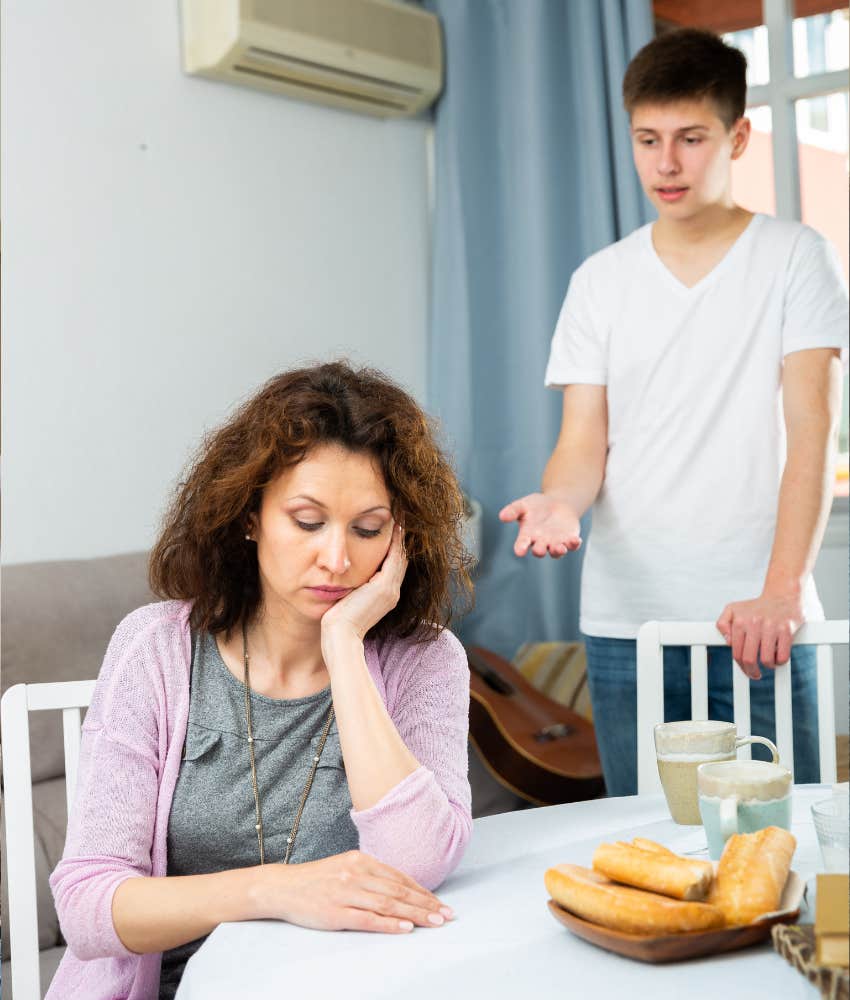
Many people, especially those lacking social awareness, say this out of concern, not understanding the underlying implications. In most cases, this phrase rarely lands the way they intend it to. The listener often takes it as "You don't look good today."
Commenting negatively on someone's appearance, especially when they didn't ask for feedback, can make them feel self-conscious rather than supported. Socially aware people tend to ask how someone is doing rather than comment on how they look.
7. "That's not funny."
Humor is subjective, and not every joke will land. Still, immediately dismissing someone else's attempt at humor can create unnecessary and awkward tension.
People with strong social skills recognize that maintaining or building rapport with someone is often more important than evaluating whether their joke deserves a perfect score. Even if they find the joke unfunny, they find mature or even humorous ways to let it be known. Those who lack social skills will say the first thought that comes to their mind when they don't find a joke funny.
8. "Nobody asked."
When someone offers their genuine opinion on something, or even just makes a casual remark, a person lacking social skills will be quick to respond with "Nobody asked." This phrase tends to stop conversations dead in the tracks rather quickly.
It signals rejection and can make the other person feel embarrassed for wanting to engage with them in the first place. Even if the listener didn't necessarily ask, they can still listen with interest. Socially skilled individuals encourage interaction, while those who are lacking make others regret speaking up at all.
9. "That's not my problem."
Boundaries are important, and if there's something a person doesn't want to hear, they have the right to acknowledge it and make it known. However, acknowledging it with this phrase often comes across as rude and dismissive.
In casual conversations, people are usually seeking understanding and a listening ear more than they are solutions. Responding with "that's not my problem" indicates low social skills. It communicates a lack of empathy and can damage trust, even when the speaker technically isn't responsible for the situation.
10. "I already knew that."
Phrases like this dampen enthusiasm faster than just about anything else. Imagine a person telling their friend about something really exciting that they saw and getting "I already knew that" as a response. I'm sure you can imagine the way their smile fades as they realize their friend doesn't share the same excitement.
When someone is sharing information they're excited about, people with zero social skills will immediately announce that they already knew it, shifting attention from the news to themselves almost instantly. In many ways, this phrase can be taken as a sign of disinterest or dismissiveness. Socially skilled people will recognize the excitement and share it with others, even if they were already aware of what is being told to them.
11. " Enough about you, let's talk about me."
 Vitaly Gariev via Canva
Most people would never say this phrase literally, but some communicate it indirectly through their behavior during a conversation.
Constantly redirecting conversations back to themselves or one-upping experiences is a clear sign of someone who lacks social skills. They are unable to simply let the other person speak of their experiences without relating them back to them in some way. Research on conversation habits consistently finds that failing to ask follow-up questions and dominating discussions are common social mistakes that make people feel unheard.
Yessenia Munoz is a writer pursuing a Bachelor of Arts degree in English Literature who writes about lifestyle and reflective topics.
