
10 Reasons Why A Pet's Death Feels More Devastating Than Some Of Life's Biggest Traumas
 Ciana.Imagens / Shutterstock
 We all know that, other than the occasional parrot or tortoise, our pets have shorter life spans than we do.
We know it will be sad when they die, but it still feels slightly illogical to be completely devastated by their death, since we had to know it was coming. But no matter how prepared someone thought they would be for the moment, losing a pet often feels like losing a piece of themselves.
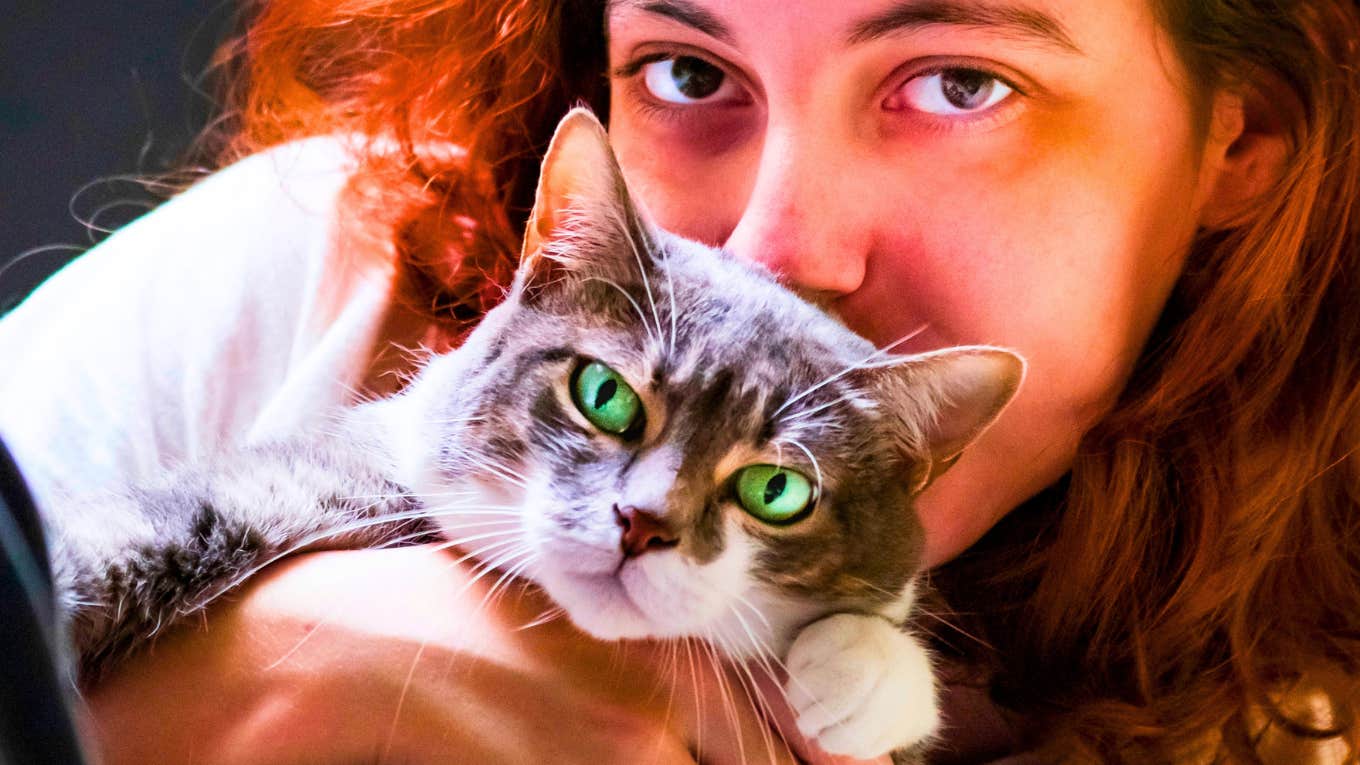
Our pets are rarely just animals living in the house. They become part of how we make it through each day of our lives. Those furry creatures sit beside us during breakups, grief, loneliness, illness, and quiet moments no one else sees, so the emotional security we find in our relationships with them can be even greater than that we experience in relationships with other people. For this reason alone, a pet's death may cause far more grief than many of the biggest traumas we'll go through in our lives.
What makes it harder is that the loss of a pet is sometimes minimized by other people. Someone who is grieving may hear comments telling them it was just a dog or just a cat, even though the emotional pain feels enormous, making their grief feel even more isolating.
These are 10 reasons why a pet's death feels more devastating than some of life's biggest traumas
1. Our pets provide unconditional emotional comfort
Our relationships with other humans come with a kind of pressure and emotional complexity that our connections with our pets do not involve. A pet offers affection, consistency, trust, and companionship without any accompanying judgment or demand in return.
Pets are always there during difficult times, becoming a source of comfort we come to rely on. Losing that presence can feel like losing one of the safest parts of daily life.
2. They are part of our everyday routines
 Daniel Besic / Shutterstock
Pets shape our daily life in quiet ways that people often don't think about much until they are gone. Morning walks. Feeding schedules. Sounds around the house. Sleeping beside or in the bed. Greeting someone at the door after a long day.
Once a pet dies, those routines suddenly disappear, and the silence can feel shocking. Ordinary moments start to carry a huge emotional weight because the absence becomes impossible to ignore.
Grief is hardest when reminders of our loss exist everywhere. As life moves on, it can feel impossible not to miss the presence of your beloved companion at practically every turn.
3. Our pets were likely present during major life transitions
Your dog or cat may have been there through your childhood, your college years, your marriage, the birth of your children, and possibly even a divorce. Because of that, the loss of a pet can also feel connected to the loss of an entire chapter of life.
For example, my cat was there for me and was my emotional support during the highs and lows of college, and even when my dad passed away. That support became tied to some of the most emotionally transformative moments of my life, which I will always be grateful for and never forget.
A pet's death can force people to confront time passing in a deeply emotional way, causing the grief to become larger than the specific loss in and of itself.
4. The relationship feels emotionally pure
Human relationships can be complicated, whereas pets often feel emotionally simple in the best possible way. There is rarely manipulation, social pressure, competition, or emotional performance involved. The bond feels genuine and steady.
Animals provide consistent emotional support and a nonjudgmental form of attachment that can reduce stress and increase feelings of security in daily life. Losing that emotional purity is part of what makes the loss hurt so deeply. For many people, a pet becomes one of the few relationships in life that feels consistently safe.
5. People often underestimate how painful it is to lose a pet
One of the hardest parts of losing a pet is feeling like your grief isn't taken seriously by anyone else. Someone who is mourning a pet still has to go to work and function normally while carrying intense emotional pain.
People around them may minimize the loss without realizing how attached they truly were. Comments like "it was just a pet" or "you can always get another one" can feel dismissive, even if they are not meant to be harmful.
This response often stems from a misunderstanding of the role pets play in our emotional lives. When that bond isn't acknowledged, the grieving person can start to feel isolated inside their own grief.
This experience is often described in psychology as disenfranchised grief, which refers to loss that is not fully recognized or socially validated. When grief isn't socially supported, people may feel pressure to hide their emotions or move on quickly, which can make the mourning process more complicated and emotionally exhausting.
6. Pets witness private versions of people
 Mariia Boiko / Shutterstock
Pets see people at their most vulnerable. They are there during unique, quirky moments, anxiety attacks, heartbreak, and illness.
Because of that, losing a pet can feel deeply intimate. It's not just the animal that disappears, but also the feeling of being emotionally known without needing to explain anything.
There are few people most of us can count on to love us no matter how messy we are or how goofy we act when no one else is looking. Knowing how difficult it will be to replace that kind of connection makes the loss far more difficult to bear.
7. Their love is tied to our emotional safety
Many people associate their pet with comfort and emotional regulation. After a stressful day, many people instinctively reach for their pet without even thinking about it. Petting a dog or hearing a cat purr can be extremely grounding.
Losing that source of stability can leave people feeling emotionally exposed. They may have no idea what to do next when they come home at the end of a long, frustrating day that stirred up all sorts of painful feelings.
If their pet was what got them through other difficult times, how are they supposed to get through this?
8. The responsibility of euthanasia can create tremendous guilt
Sometimes people have no choice but to make heartbreaking medical decisions for their pet. Even when euthanasia is the compassionate thing to do, many owners struggle with guilt afterward, second-guessing themselves or wondering whether they waited too long or acted too soon.
That emotional burden can make the loss feel even heavier. You may replay the final moments in your mind repeatedly, the responsibility attached to the decision staying emotionally painful long after the loss itself.
The ongoing mental and emotional connection between people and their pets can intensify grief, especially when the owner struggles with uncertainty or self-blame surrounding end-of-life decisions. In these cases, the responsibility of choosing when to say goodbye can become part of the grief itself, shaping how deeply and how long the loss is felt.
At the same time, that continuing bond can serve as a coping mechanism, helping you process the loss and maintain a sense of connection to your pet even after their death.
9. Pets love people during times when humans disappear
 Lucigerma / Shutterstock
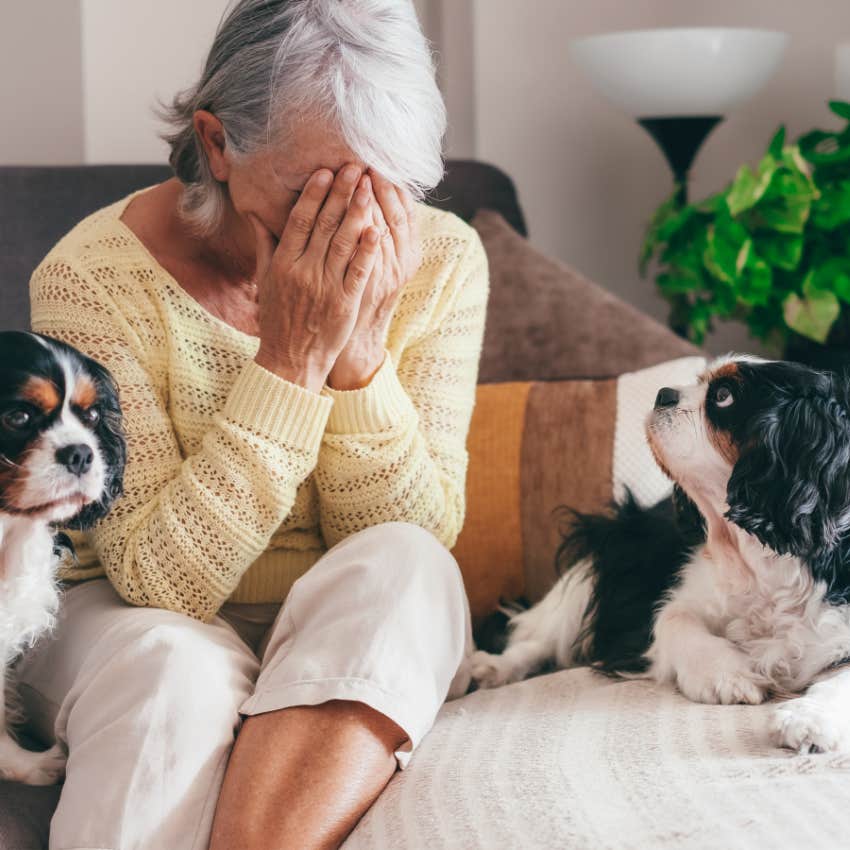
When someone is lonely or isolated, pets often become constant companions. They remain present when friendships fade or relationships end. For some, a pet may have been the most consistent source of companionship they had for years. Losing that connection can reopen feelings of abandonment or emotional emptiness that existed long before the pet died.
Animals often serve as primary attachment figures, particularly for people who are socially isolated or feel insecure about their relationships with other humans. As a result, the loss of a pet may trigger painful, attachment-related emotions.
10. Their absence changes the emotional feeling of the home
A pet changes the atmosphere of a home in ways people rarely notice until they are gone. The energy feels different. Silence feels heavier. The home has lost a living presence that once filled it with predictable joy and comfort.
Coming home at the end of the day can feel emotionally disorienting, as the mind briefly reaches for a familiar greeting that never arrives.
For many people, this grief reflects the depth of attachment, routine, comfort, and emotional safety that their pet once brought to their lives. In that sense, the grief that follows loss is truly proportional to the depth of the relationship and the way a pet's presence was once woven into everyday life.
MeShanda Deason is a writer with a BFA in Creative Writing from Stephen F. Austin State University and minors in Business Communication and Literature who covers storytelling, culture, identity, and human connection across editorial, journalism, and marketing spaces.
