
9 Reasons People Raised In The 60s & 70s Were The Last Kids With A Beautiful Childhood Only They Controlled
 Annie Spratt | Unsplash
 The world is vastly different now than it was in the late 1900s. Our society generally embraces progress, and a lot of the advancements we've made deserve to be celebrated.
Innovations in fields like science and medicine have benefitted all of us. New technology has also made childhood look pretty different, but not everyone is convinced that's a good thing. In fact, most parents and teens agree that it's harder to live life as a teen now than it was before.
But whether it was a lack of technology or having to rely on themselves to get by, there are many reasons people raised in the 60s and 70s were the last kids with a beautiful childhood only they controlled. They had truly unique upbringings that weren't tainted by so many of the things we worry about negatively impacting kids today.
Here are 9 reasons people raised in the 60s and 70s were the last kids with a beautiful childhood only they controlled
1. They didn't have social media
 MAYA LAB | Shutterstock
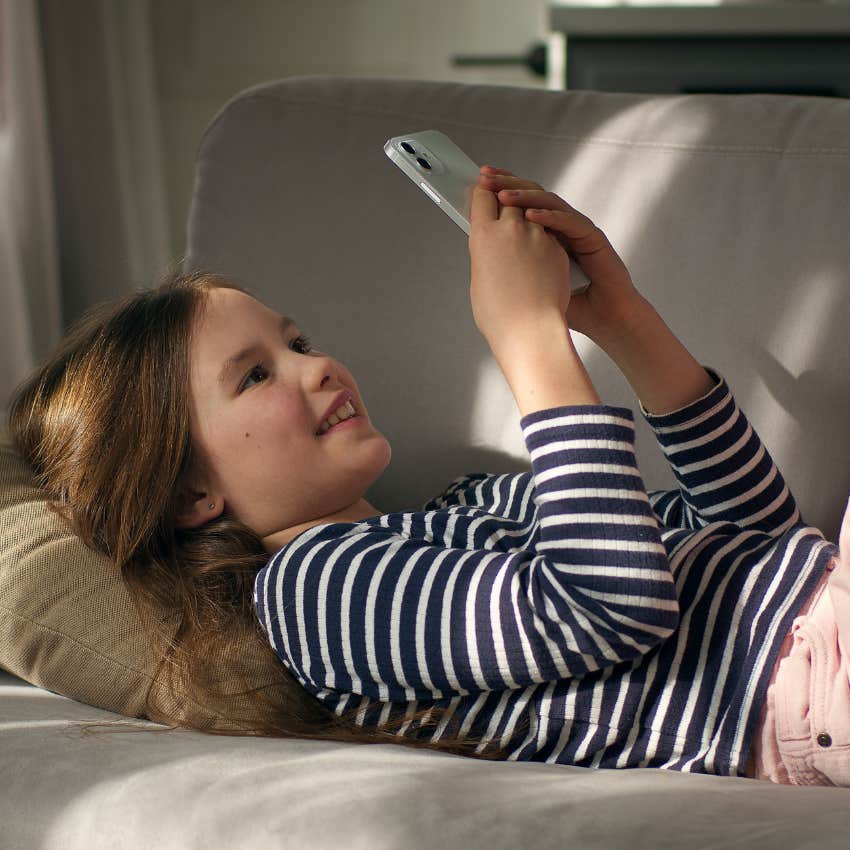
The first thing that probably comes to most people's minds when thinking about how childhood was different several decades ago is the fact that there was no social media. Kids weren't worried about how many likes or followers they had, and they weren't trying to emulate the biggest influencers. In fact, with so few options for screen time, there wasn't really a concern about having too much of it in the first place.
Now, kids often join social media websites well before the recommended age. There are some benefits, like finding a community you can relate to, but there are also a lot of risks. Social media use in kids has been linked to increased depression, and it may even have the power to rewire certain parts of the brain. Just because it's inescapable doesn't mean it's safe.
2. They were self-reliant
Kids had to make their own decisions and solve their own problems in the 60s and 70s. Google wasn't ready and waiting for them to type in any question that came to mind, and they couldn't look up a YouTube tutorial anytime they needed to fix something. They figured things out through trial and error, and with the help of an encyclopedia, of course.
Psychology professor Dr. Jim Taylor believes that self-reliance is a key part of children developing good emotional and cognitive skills. He also thinks that this is a gift that parents can give to their children through confidence and responsibility.
This likely felt a bit simpler years ago when everyone had no choice but to be more self-reliant. Parents were also a little less overprotective and helicopter-like in the 60s and 70s, which gave kids more room to make their own mistakes and figure out what worked for them.
3. They weren't supervised as closely
We've all heard about the times when kids were allowed to roam freely outside until the sun went down and were regularly permitted to bike to the closest convenience store without a cell phone in sight. For people who didn't grow up during this era, it sounds almost mythical, and it makes you wonder why parents didn't care more.
The truth is, they didn't not care, but they did have a very different perspective. At that point in time, there weren't a lot of highly publicized crimes that made parents worry about their children's safety, and they didn't feel like they had to accompany their kids everywhere. You could make arguments both for and against this attitude, but there's no question that kids can't control their lives as much today when they're subject to whatever their parents want them to do.
4. They didn't know what everyone else was doing
These days, it's way too easy to feel like you unwittingly get caught up in everyone else's business. Between people documenting their entire lives on social media and oversharing on podcasts focused on every topic under the sun, it feels like you actually know people who are nothing more than perfect strangers.
But people raised in the 60s and 70s kids didn't have to deal with this. They weren't constantly aware of everyone else's lives and thinking about how their own was different. That's a good thing because it's easy to get caught in the trap of thinking everyone has it better than you, which will decrease your self-esteem.
5. They had to entertain themselves
 PeopleImages | Shutterstock
Kids are known for using their imagination more than adults do, but there's not as much of a need to do that when you can just scroll through TikTok or turn on your favorite show when you're bored. Previous generations didn't have those options, so they were forced to entertain themselves.
Spending time with nothing but your imagination to keep you company may feel kind of antiquated, but there are a lot of benefits to doing so. It helps you understand others better, and it can completely change the way you solve problems. In a world that's so used to instant gratification, that's like a superpower.
6. They didn't have to worry about comparison culture as much
It's not like people never compared themselves to their peers several decades ago, but it was different than it is now. We have a front row seat to everything from the most popular vacation destinations to the best time to wake up in the morning for peak productivity, and it's impossible to not think about how your own life measures up.
A 2022 study concluded that using tools like social media to compare your life to others' can have harmful psychological effects, which is something people didn't have to deal with in the past. They could certainly look at someone else's house and see if it was bigger than their own, but it just didn't have quite the same effect. Those kids were less likely to strive for some impossible standard.
7. Their lives didn't revolve around their accomplishments
Society is very achievement-oriented now. It seems like the whole point of childhood is to get good grades and participate in the right activities so you'll be able to put together a good resume or college application. Having fun while playing a sport or running for student government doesn't matter when the competition is so fierce.
Wanting to do your best and outperform everyone else is really a part of human nature, according to professor Stephen Garcia, but certain conditions make people want to be the best even more. People raised in the 60s and 70s didn't ignore their accomplishments, but they also didn't see them as quite so essential, which gave them more freedom and control.
8. They followed trends differently
Author Hannah Ewens explained that trends have obviously always existed, but not in the way they do now. In the past, pop culture trends went through a 20-year cycle, which provided plenty of time for people to feel like they fully lived through them. Now, it feels like everything is trending all at once, and what Ewens called more specific "microtrends" are developing with the help of social media.
In the 60s and 70s, it didn't feel like people were in quite as much of a race to keep up with whatever the next big thing was. People dressed, decorated, and behaved according to what was popular, but it didn't all change so quickly that it left them feeling confused and unfulfilled. There was actually some sort of rhyme and reason for it.
9. Their schedules weren't so strict and busy
 Alexander_Safonov | Shutterstock
Now that everyone is so focused on their accomplishments, they've got to pack their schedules with activities that allow them to show off. The lazy afternoons of neighborhood kids getting together are gone so that everyone can participate in highly regimented sports and clubs. It seems like having free time is actually the exception now, and not the norm.
It feels good to be busy because it makes us feel more important and even keeps our minds off of the things we're worried about. Although this makes it seem enticing, doing too much also puts you at risk for physical and mental health issues. People were onto something in the good old days when they moved at a slower pace and made more time for spontaneity.
Mary-Faith Martinez is a writer with a bachelor's degree in English and Journalism who covers news, psychology, lifestyle, and human interest topics.
