
People Who Order DoorDash More Than Once A Week Usually Have These 11 Unique Struggles
 David Stanciu via Canva
 While research on the individual harms of constant food delivery is relatively underdeveloped, a study published in Frontiers in Nutrition asserts that there are all kinds of public health risks. The reliance on convenience in our modern culture and the corresponding personal nutrition goals mean that ordering in isn't as healthy as you might think.
From using food delivery as a coping mechanism that allows you to hide away from emotional turmoil or a means of escaping the responsibility of cooking a meal, people who order DoorDash more than once a week tend to be facing certain unique struggles they haven’t shared with anyone.
People who order DoorDash more than once a week usually have these 11 unique struggles
1. They’re unnecessarily overspending
 PeopleImages | Shutterstock.com
More than a quarter of Americans use food delivery services at least once a week, and with the average cost of a meal lingering around $30, it’s not surprising that someone ordering multiple meals in a week is draining their savings to afford it.
While some people have the disposable income to prioritize convenience, others are taking on debt or using “buy now, pay later” options, which are consuming at the expense of financial security. Even though convenience is often most important to low-income people, in the modern world, they’re usually the ones spending at the expense of savings or emergency funds.
2. They’re holding onto too much stress
 Krakenimages.com | Shutterstock.com
According to a 2013 study, chronic stress can often promote irregular eating habits, which, in some cases, are made easier to fulfill by the convenience of food delivery services like DoorDash. Especially for someone who’s overeating as an escapism from their stress and a means of subconsciously grasping for the control they lack in everyday life, constantly ordering DoorDash may be a misguided coping mechanism.
While it might offer a fleeting moment of comfort to someone ordering food online, much like online shopping for clothing, it ultimately causes more stress, mental health concerns, and financial instability in the long run, as a study published in Frontiers in Nutrition explains.
3. They’re using food as a coping mechanism
 Dejan Dundjerski | Shutterstock.com
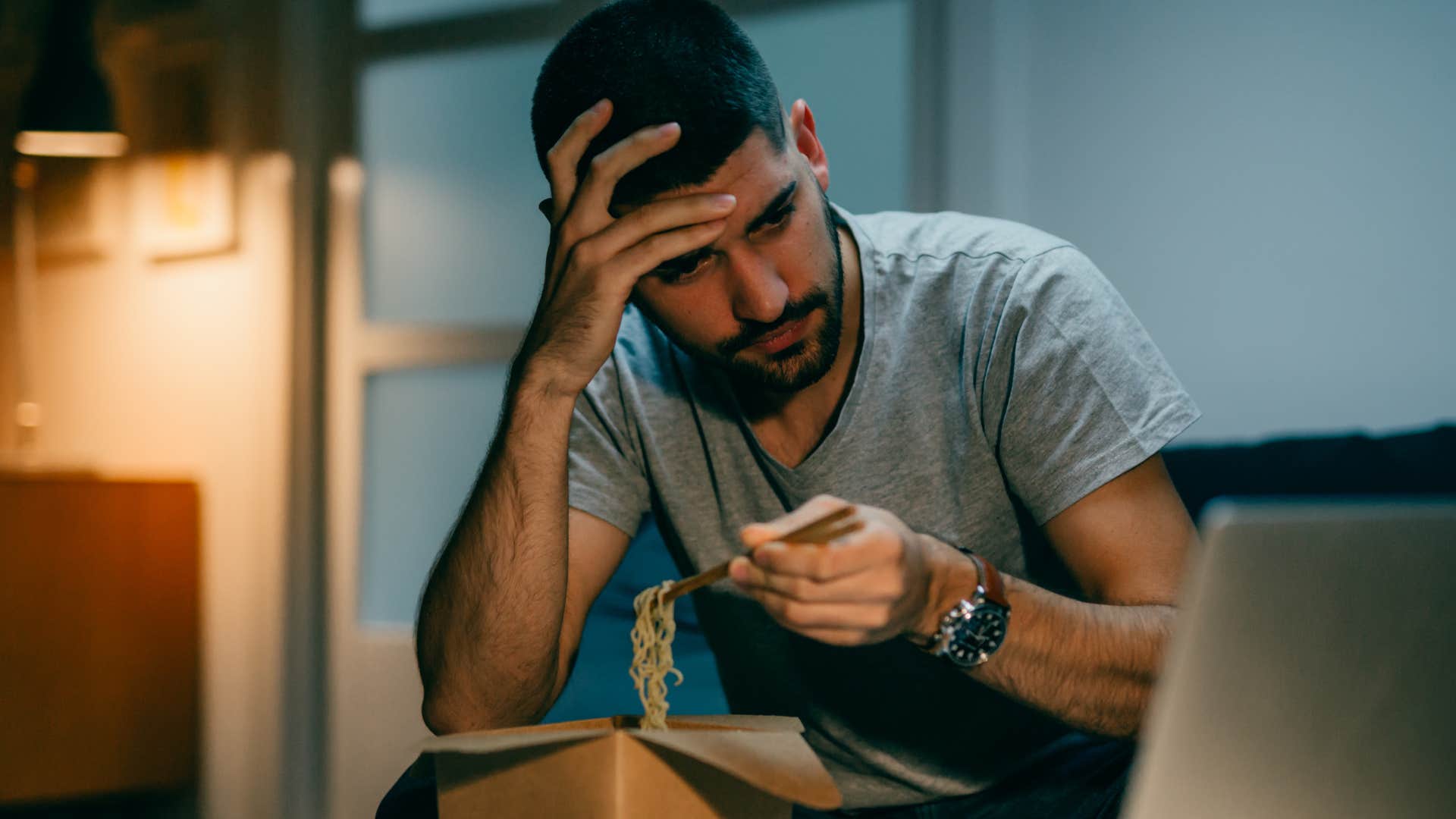
Many people struggle with using food as a coping mechanism for a lack of control, mental health struggles, stress, or even shame. It feels like a mode of escape or a distraction from inner turmoil, even if, in the end, it only creates more guilt and shame for someone to deal with.
Especially in the modern world, where convenience from food delivery apps like DoorDash makes ordering food and making poor food choices instantly easier, people who rely on emotional eating to cope may feel constant pressure to use them. Even at the expense of their bank accounts and health, the ease of spending on these platforms makes it hard to set boundaries with, especially in the face of complex feelings and emotions.
So, if this sounds like you, just know that you’re not alone. It’s not an easy experience to go through, especially in the modern world, but there is help for you to heal.
4. They’re struggling with healthy routines
 Bricolage | Shutterstock.com
Whether it’s a lack of motivation to cook a meal at home or a struggle with staying consistent in healthy routines, someone struggling with healthy habits may rely on DoorDash for a sense of ease. Especially if they have a lot on their plates and don’t have much extra time to make the best choices, these instant-gratification platforms grab their attention.
Especially if there’s an element of shame caught up in their struggles with discipline, they may feel stuck in these bad cycles, struggling to break from a routine that feels like second nature.
5. They have decision fatigue
 andysavchenko | Shutterstock.com
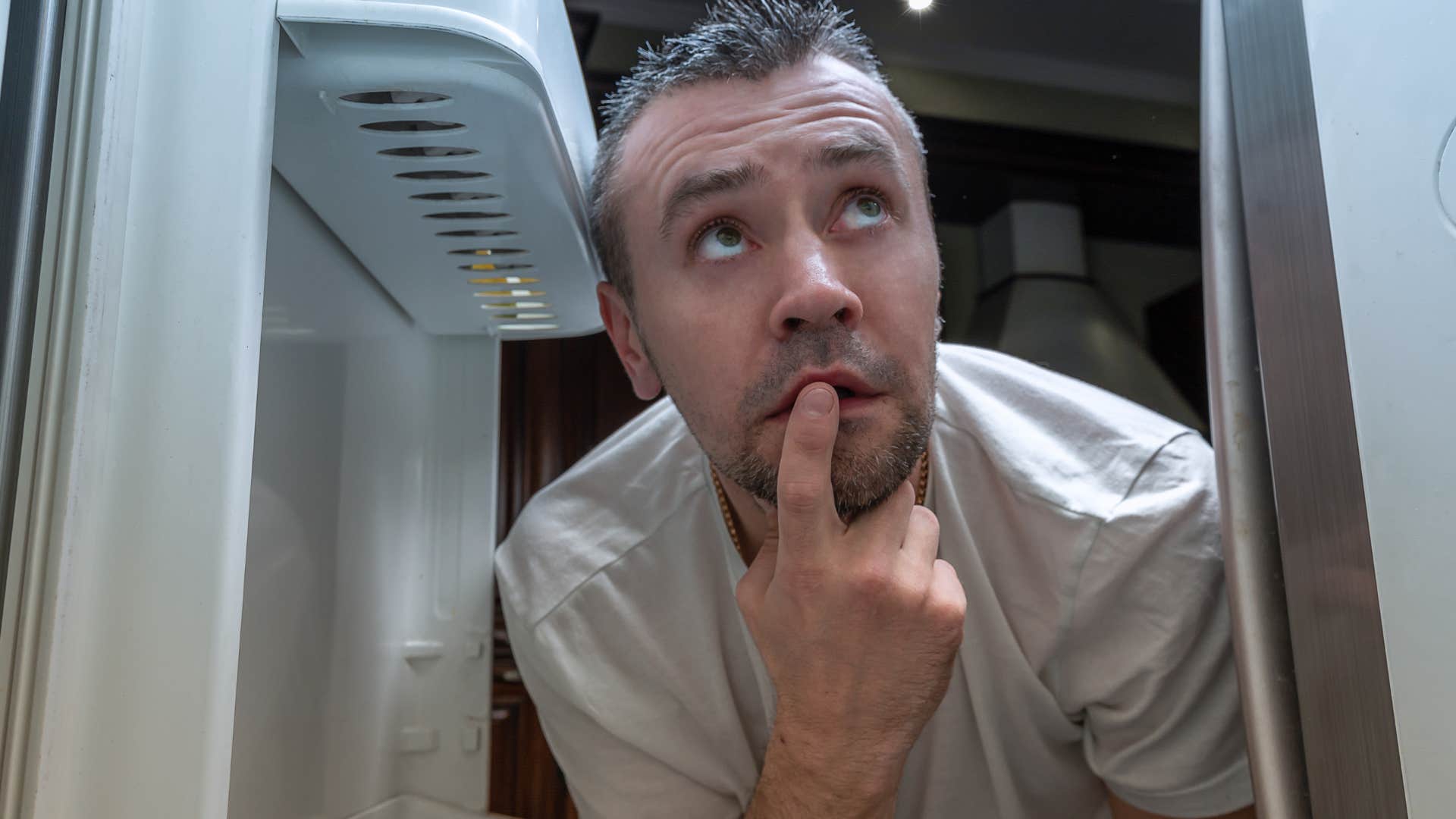
When there are too many choices on the table, and someone is already struggling with anxiety around making one, decision fatigue can often cause avoidance or an influx of poor choices. Someone who orders food delivery several times a week may feel like they have no other option.
Whether it’s not knowing what to make for themselves in the kitchen, with a million options to sift through, or finding a sense of calm in scrolling through DoorDash when they don’t know what to eat, food delivery becomes a misguided coping mechanism for addressing the stress and anxiety that lies at the heart of their decision fatigue.
6. They reward themselves with food
 f.t. Photographer | Shutterstock.com
Even though it can help with motivation to occasionally reward ourselves for progress, when we use food as a “treat” for doing something hard, it starts to become a comfort, rather than a healthy form of nutrition or fun. We start resorting to it when we’re stressed or sad, cultivating a toxic relationship that often manifests into emotional spending and eating.
Someone with a stressful job or a chaotic life might regularly use food as a reward for having a bad day, even if it happens multiple times a week, at the expense of their bank account and health.
7. They’re living in ‘fight or flight’ mode
 PeopleImages | Shutterstock.com
When someone is living in “fight or flight” mode from stress or anxiety, even small daily obligations and choices feel impossible, like choosing a meal or sticking to a simple daily habit. So, it’s not surprising that someone living in this kind of survival state leans on the ease and convenience of a platform like DoorDash for comfort.
Instead of making a meal at home and adding another obligation on their list of things to do, they rely on DoorDash and other food delivery apps to ease the stress they’re already battling internally.
8. They have too much on their plate
 PeopleImages | Shutterstock.com
When someone has too much on their plate, carving out space to cook for themselves when the convenience of DoorDash is at their fingertips may feel insane.
According to a study published in the Physiology and Behavior journal, too much stress can also increase someone’s susceptibility to visual food cues on platforms like DoorDash, heightening their desire to eat and spend on things that may not actually make them feel good.
So, whether emotional eating is a response to stress or too much chaos that keeps someone from cooking, someone who orders delivery several times a week is likely struggling with something.
9. They push too many things off to tomorrow
 aslysun | Shutterstock.com
While procrastination and pushing off changes in routine until “tomorrow” or “Monday” is so enticing is because it gives us an immediate escape from the complex feelings of shame or stress we’re feeling in the moment. However, the worst part about these justifications for waiting is that they often result in more stress and lower well-being in the long run, despite the immediate comfort.
So, for someone trying to start a diet, change their eating habits, or live a more intentional lifestyle, constantly pushing back the start date gives them a way to justify comforting behaviors, like ordering takeout after a long day at work.
10. They rely too much on convenience
 Prostock-studio | Shutterstock.com
Many people in our modern culture value convenience in their daily lives. We’re always looking for shortcuts that can give us more free time and reduce our stress, even if they lower our tolerance for delayed gratification and reduce patience in the long run.
Especially when it urges us to feed into detrimental habits like ordering take-out multiple times a week, it can also have financial and emotional consequences. So, no matter how much time it feels like we’re saving by spending money on something like DoorDash, it may only be sabotaging us from making the most of the time we already have.
11. They’re holding onto guilt or shame
 sommthink | Shutterstock.com
Shame and guilt can often be tied to many people’s spending and eating habits, especially when those habits aren’t healthy. From ordering DoorDash to following a “reward and punishment” mentality around food, these misguided coping strategies often do us more harm than good.
For someone ordering food delivery multiple times a week, they may be struggling with a chronic cycle of guilt and shame they haven’t had the means to address yet. They’re holding onto these deep, complex feelings and using external escapist routes to address them, like ordering food on DoorDash, even though it feeds the spiral just as much.
Zayda Slabbekoorn is a senior editorial strategist with a bachelor’s degree in social relations & policy and gender studies who focuses on psychology, relationships, self-help, and human interest stories.
