
11 Behaviors Only Found In Happily Married Husbands
 Lopolo | Shutterstock
 There are all kinds of behaviors and qualities that make a good partnership, all of which are different depending on the people and circumstances. From a husband being willing to be influenced by his partner to prioritizing quality time during the mundane seasons of life, certain priorities make all the difference for a couple's well-being and happiness.
However, on an individual level, there are also behaviors only found in happily married husbands. They craft happiness from being present and leaning into the hard parts of marriage, and it's that effort that truly transforms the relationship for the better.
Here are 11 behaviors only found in happily married husbands
1. They don't make decisions on their own
 simona pilolla 2 | Shutterstock
Making decisions together can be a source of intimacy for people in happy, long-term relationships. We feel most heard and valued when our partner seeks us out and simply considers our well-being, even if it's for the smallest thing.
Even if it's only a logistical conversation that doesn't necessarily alter their partner's life or affect them directly, a good, happy husband still goes out of his way to ask for advice and seek out their opinion. They value it, not just because they're in a relationship, but because he respects them as a person.
2. They create a safe space for all conversations
 Dean Drobot | Shutterstock
Even if it's not always easy to talk through issues or resolve conflicts in a relationship, the healthiest couples practice conflict resolution often. They feed into healthy arguments that strengthen their connection and lean into discomfort when they have to own up to a mistake.
In the end, it's this intentional conflict-resolution that breeds better health and well-being for the relationship, but also for partners as individuals. Happy, secure husbands don't get defensive or avoid issues that need to be solved. They lean in.
3. They prioritize regular quality time
 PeopleImages | Shutterstock
Whether it's cuddling in bed together to reduce stress or simply reading next to each other on the couch after a busy day, men in happy relationships always create pockets of quality time to spend with their partner. They appreciate their presence all the time, but they're also intentional about creating space for them to be together simply for the sake of appreciating each other.
As a study from the University of Illinois suggests, it's these couples who savor happy, calm moments together that end up building stronger, longer-lasting relationships.
4. They speak kindly about their partner behind their back
 MAYA LAB | Shutterstock
Respect is a somewhat elusive concept, even in long-term relationships. It's often fed through a million different verbal and nonverbal behaviors, all of which shift depending on the people and the dynamic of the relationship. While it might take some time and mistakes, a happy, good husband figures out how to be respectful to his partner.
From speaking kindly about her behind her back to showing up and supporting her, even when it's not always easy or comfortable, he respects her dignity and supports her humanity in ways that seriously promote better satisfaction.
5. They express gratitude daily
 PeopleImages | Shutterstock
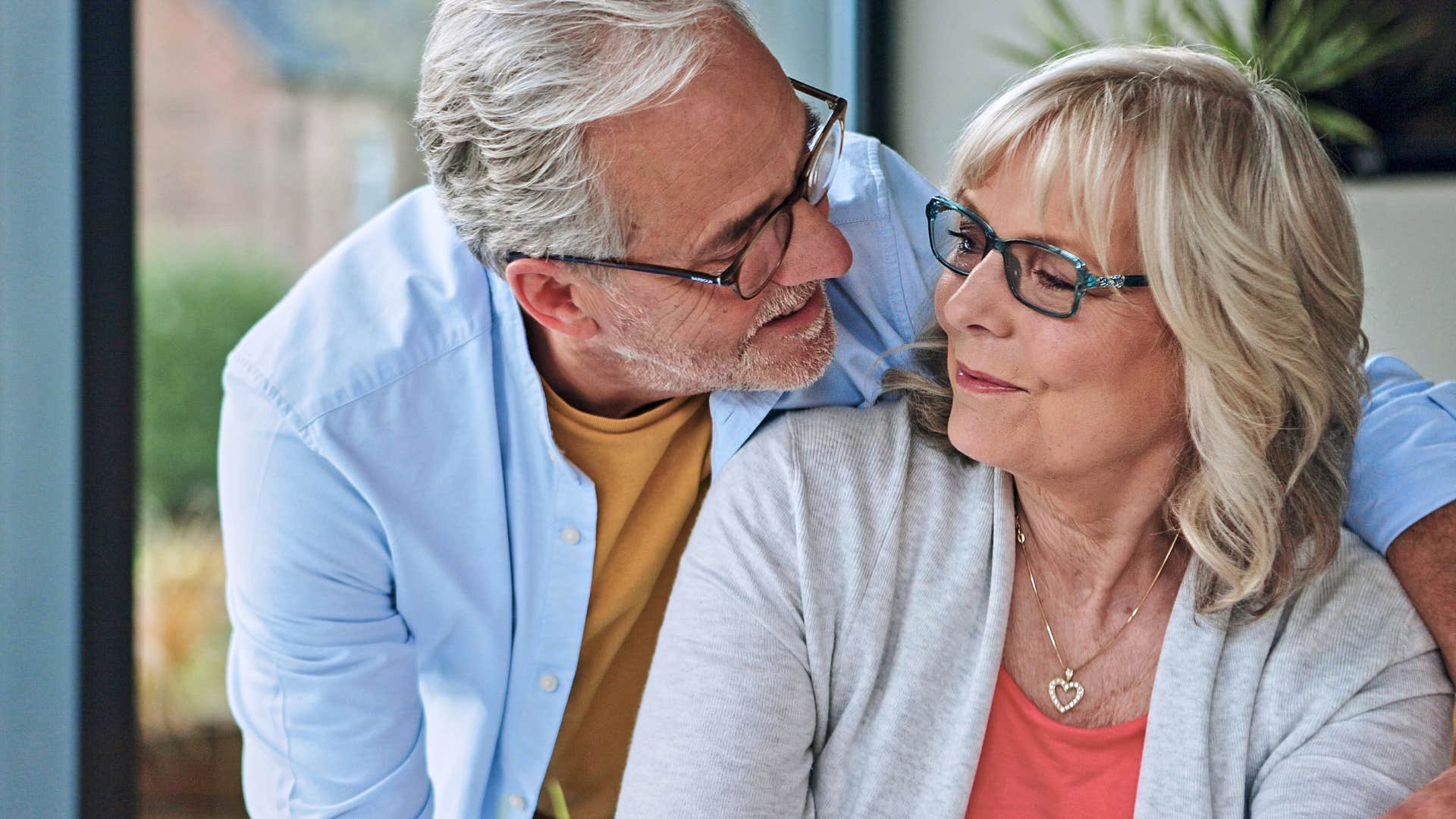
According to a study from Applied Psychology: Health and Well-Being, expressing gratitude daily not only helps to boost relationship happiness, but it also seriously impacts life satisfaction and personal well-being for partners. Whether it's saying "thank you" regularly or simply appreciating a partner's presence by avoiding distractions, happy husbands are intentional about weaving this into their love languages.
It's an act of affection to remind your partner that you love and appreciate them, whether it's through verbal affirmations or small acts of kindness.
6. They prioritize the small things
 Evgeny Atamanenko | Shutterstock
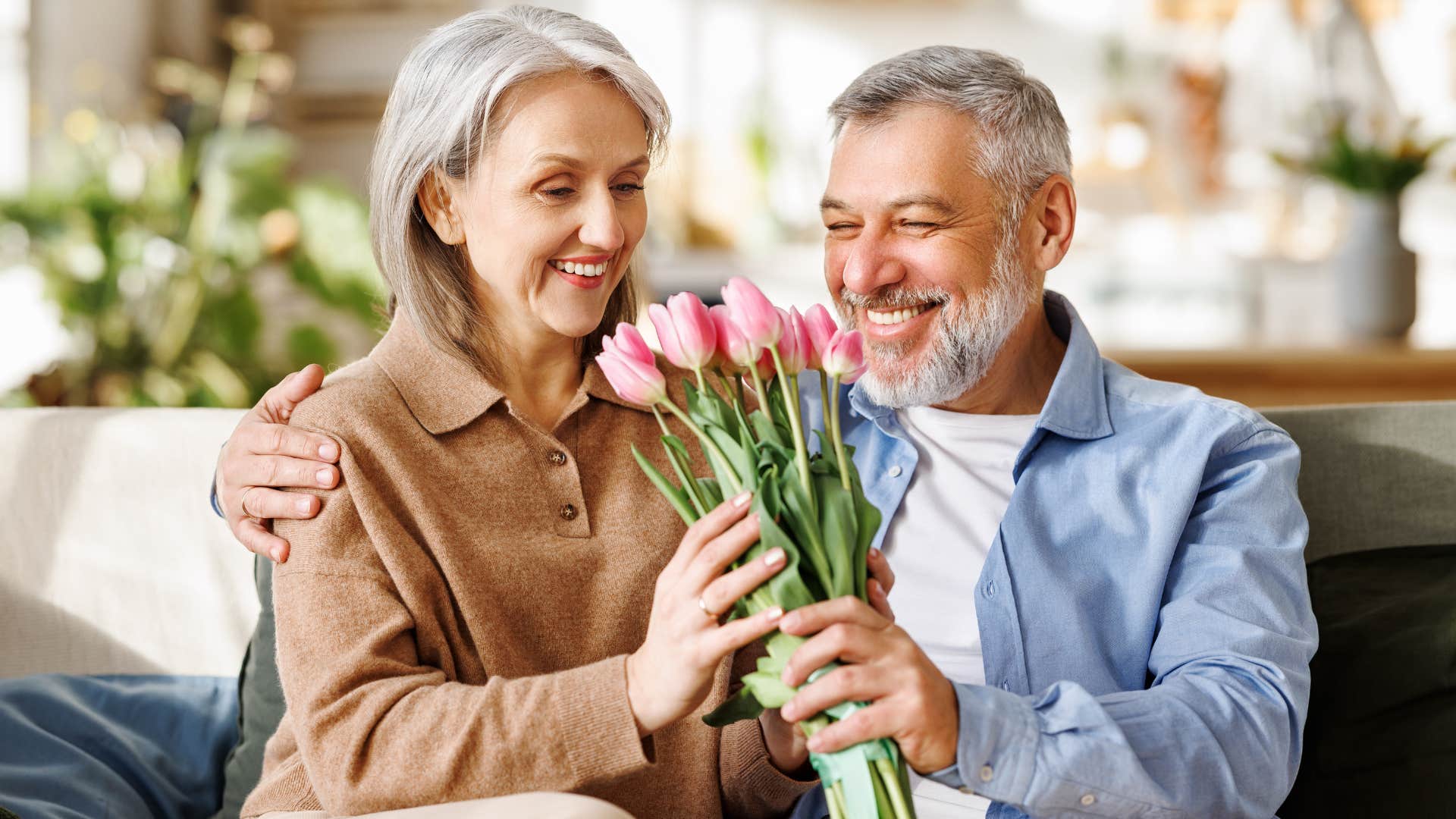
Even if large celebrations like an anniversary or huge proclamations of love seem like the defining parts of a good relationship, the truth is that the small ones during mundane life actually mean the most. Couples who make space for daily gratitude, remember small things their partner likes, and show up consistently amid the chaos of life are the ones that stand the test of time.
On top of small acts of kindness, it's also small sacrifices that influence relationship well-being the most. While the average partner might avoid these moments and overlook the need to attend to the "little things," a happily married husband invests in them, even if it means extra effort and time.
7. They celebrate wins openly
 Migma__Agency | Shutterstock
While it creates a change in the dynamic of the relationship, a healthy, happy husband always goes out of their way to celebrate their partner's wins. Even if it's something they want from their career or are missing in their own personal life, celebrating accomplishments and success is a crucial part of how they show their love.
As clinical psychologist Melanie McNally explains, celebrating people activates the reward center in their brains, making them feel even closer to their partner. They feel seen and valued, even if it's something as subtle as grabbing their favorite dinner order after a small win in the office.
8. They keep their promises
 Gorodenkoff | Shutterstock
People make and break promises all the time in their relationships. We're human, and we make mistakes. However, a good husband, for the most part, is incredibly intentional about keeping their word and following through on commitments. Their actions reflect their words and promises.
While they might seem small in the moment, every time they make a commitment or keep their word about something, it's a small bid of honesty that feeds into the foundation of trust in their relationship. They're reminding their partner that they're more concerned with building up trust in the marriage than protecting their own ego or comfort.
9. They actively listen
 PeopleImages | Shutterstock
According to a study from Social Neuroscience, like celebrating a partner, when someone feels actively heard and listened to, it sparks the reward center in their brain. The more someone listens and actually acknowledges what their partner is saying, the closer they become.
Even if it's something as small as putting their phone down and making eye contact when their partner is telling them about their day, he's willing to exert the extra effort it takes to be present.
10. They grow and adapt to their partner's needs
 GaudiLab | Shutterstock
Many men get stuck in a cycle of defensiveness and ego in relationships that sabotage everyone's well-being. They refuse to change and blame-shift to avoid accountability, even if it isolates them from the connection and responsibility they need to grow. However, a great husband isn't scared by conversations around issues. He's willing to change and adapt to whatever his partner needs, and often expects a similar level of effort in return.
Even if that means prioritizing alone time to connect with his individuality or stepping outside of his comfort zone for the sake of the relationship, he's not stubborn in a state that's not serving his partner. From shifting his mindset to practicing new forms of affection, he's willing to put in the "work" to be a great husband and partner.
11. They take accountability for mistakes
 Krakenimages.com | Shutterstock
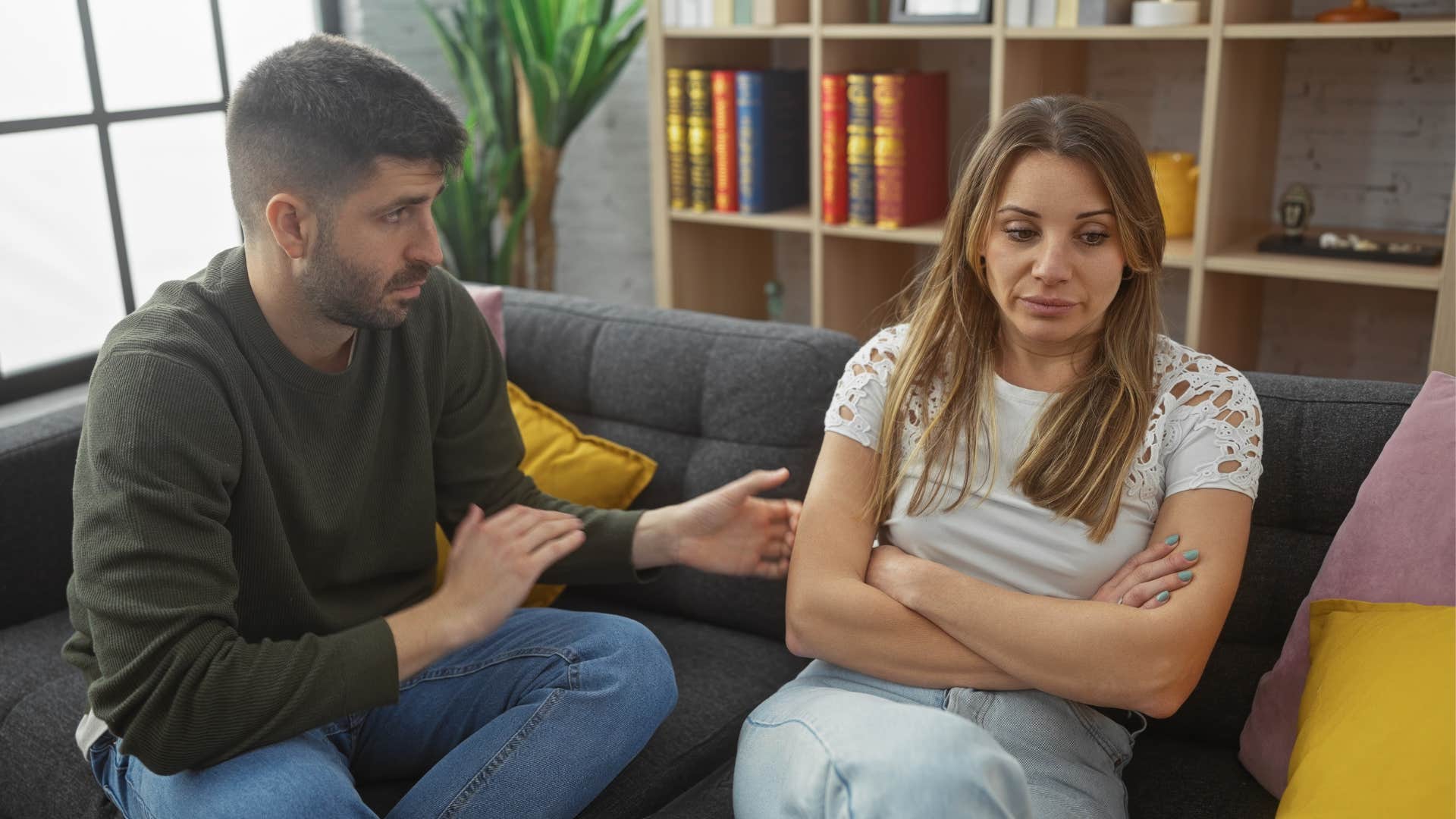
Even if it seems like such a small behavior to say "I'm sorry," it's something that many relationships are missing. People get defensive, suppress their issues, and end up battling resentment that sabotages happiness and longevity. They get comfortable with bad habits instead of leaning in to work through them as a team.
However, happily married husbands always take accountability for mistakes. They lean into hard conversations and emotionally support their partners, even when it's not always convenient. That's why their relationships stand the test of time, because when an issue arises, they're both willing to meet it head-on.
Zayda Slabbekoorn is a senior editorial strategist with a bachelor's degree in social relations & policy and gender studies who focuses on psychology, relationships, self-help, and human interest stories.
