
If You Always Feel Anxious In Love, These 11 Habits May Be Making It Worse
 HI_Pictures / Shutterstock
 Have you been reading or seeing lots of information online about attachment styles lately? If so, you may already know that some people have an anxious attachment style, which leaves them feeling steeped in anxiety over any romantic connection. A person who has an anxious attachment style tends to worry that their partner is going to leave because they think they’re always doing something wrong, causing them to self-soothe through behaviors that only cause problems, like sending barrages of texts in an effort to get their person's attention.
People with an avoidant attachment style can be deeply loving and giving individuals, but when someone feels anxious in love, they may develop habits that only make things worse by triggering an avoidant person's own version of anxiety. If this sounds familiar, I can commiserate. Thankfully, there are ways to curb that nagging anxiety from wrecking your love life.
If you always feel anxious in love, these 11 habits may be making it worse
1. Dating the wrong people
 New Africa / Shutterstock
I had multiple relationships with men who felt like they needed to take me down a notch whenever I started to feel confident. Men who thought this way would often do things like say rude comments to make me doubt my attractiveness or even sabotage major days. They would always wear me down. I found myself begging for scraps of affection. Eventually, I’d leave them after growing weary of trying to explain to them why I was worth loving.
The moment I’d cut things off, I’d feel lighter. I’d grow more confident. And then it’d always hit me: they weren’t good for me. That’s why I felt anxious with them. Crazy as it sounds, you might feel anxious in love because the people you’re dating are actively working to make you feel that way. That’s a sign it’s time to leave.
2. Talking to negative people
 SynthEx / Shutterstock
There’s a lot of truth in the idea of negative thoughts bringing about negative actions. Many of us have heard a person who starts to question your relationship’s solidity or even tells you things like, “All men cheat,” or “It’s not a forever relationship, it’s just your turn.”
Hearing too much negative stuff or focusing on negative things can cause you to experience something known as negativity bias. This is the focus on negative signs in your life, which, to no one’s surprise, has a tendency to ratchet up anxiety. Cutting out negative people can do wonders for your confidence.
3. Poor sleep
 Bright stars / Shutterstock
Most of the time, we tend to think of anxiety in love as a thing that’s caused by social factors. To a point, this is correct. However, environmental factors can also cause spikes in anxiety that you might end up linking to your love life.
One of the biggest causes of anxiety is poor sleep. More specifically, avoiding sleep tends to make you jittery, paranoid, and more prone to stress. This can also lead you to make bad decisions you otherwise wouldn’t consider.
The moral of the story? If you want to do well in the romance sphere, start with a little more sleep.
4. Not dealing with love burnout
 New Africa / Shutterstock
If you’ve ever done the online dating thing, you won’t be surprised to hear that dating burnout is becoming a growing cause of concern among therapists. Dating can be traumatic, especially if you’ve dealt with a lot of disappointments in quick succession. Mark Travers, Ph.D., notes that as much as 79% of Gen Z feel mental and emotional exhaustion from trying to date online. Yikes!
Unsurprisingly, not taking a break or taking time to heal from your burnout can wreak havoc on your love life. At best, you’ll be emotionally checked out of any relationship you try to get into. At worst, you end up being a jittery, clingy, desperate mess. (Go ahead, ask me how I know…)
5. Not dealing with relationship trauma
 New Africa / Shutterstock
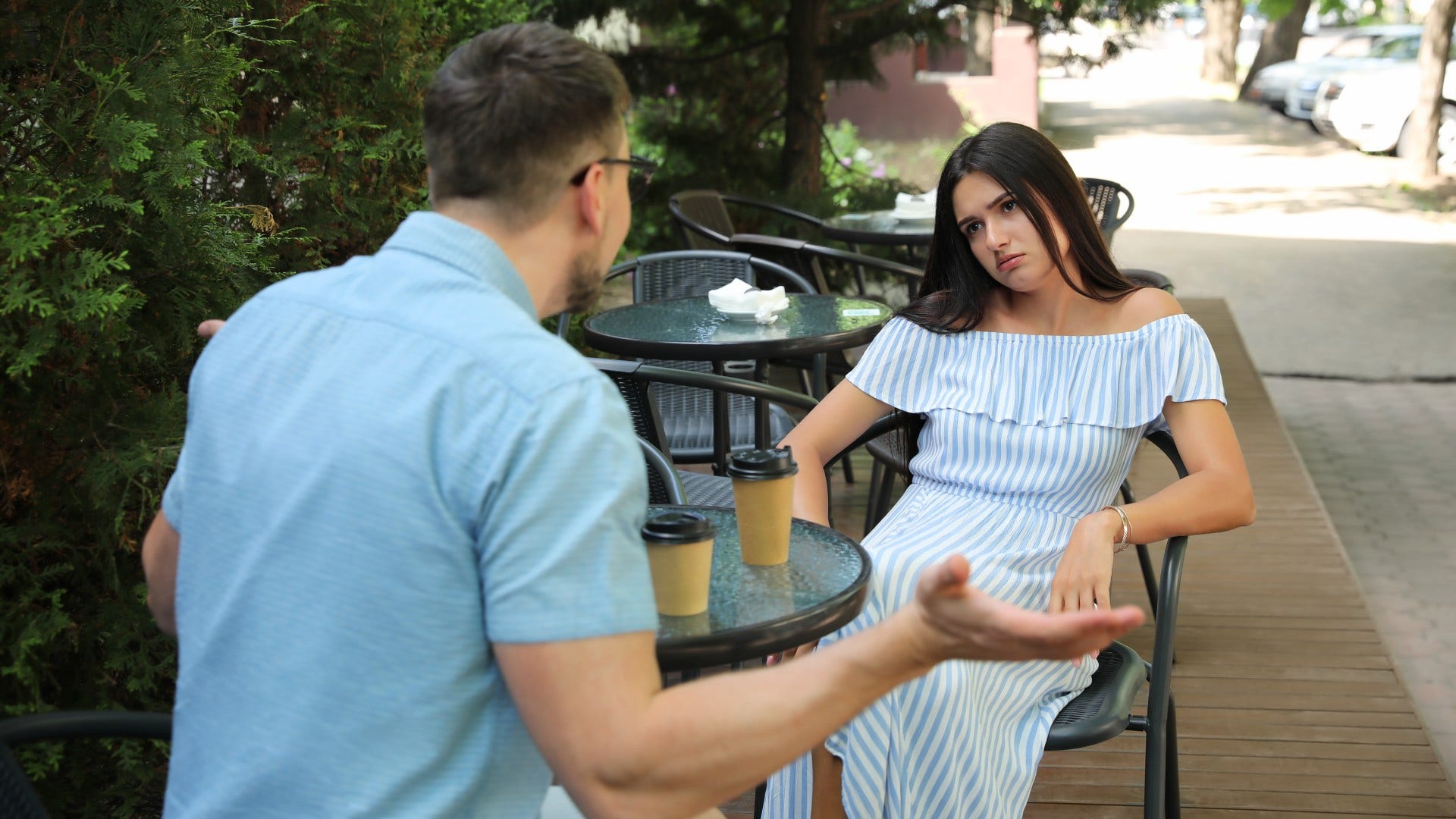
While we’re on the topic of dating trauma, let’s talk about something deeper: relationship trauma. Relationship trauma is the trauma that happens in long-term relationships that involve things like abandonment, cheating, abuse, and other forms of deep betrayal.
I’ll be blunt: this type of trauma can cause lasting damage. If you’ve dealt with repeated traumas from bad dates, there’s a decent chance that you will have to take a break, get some therapy, and really heal. Ignoring it or slapping a Band-Aid over that problem will only make your anxiety worse.
6. Reassurance seeking
 Shift Drive / Shutterstock
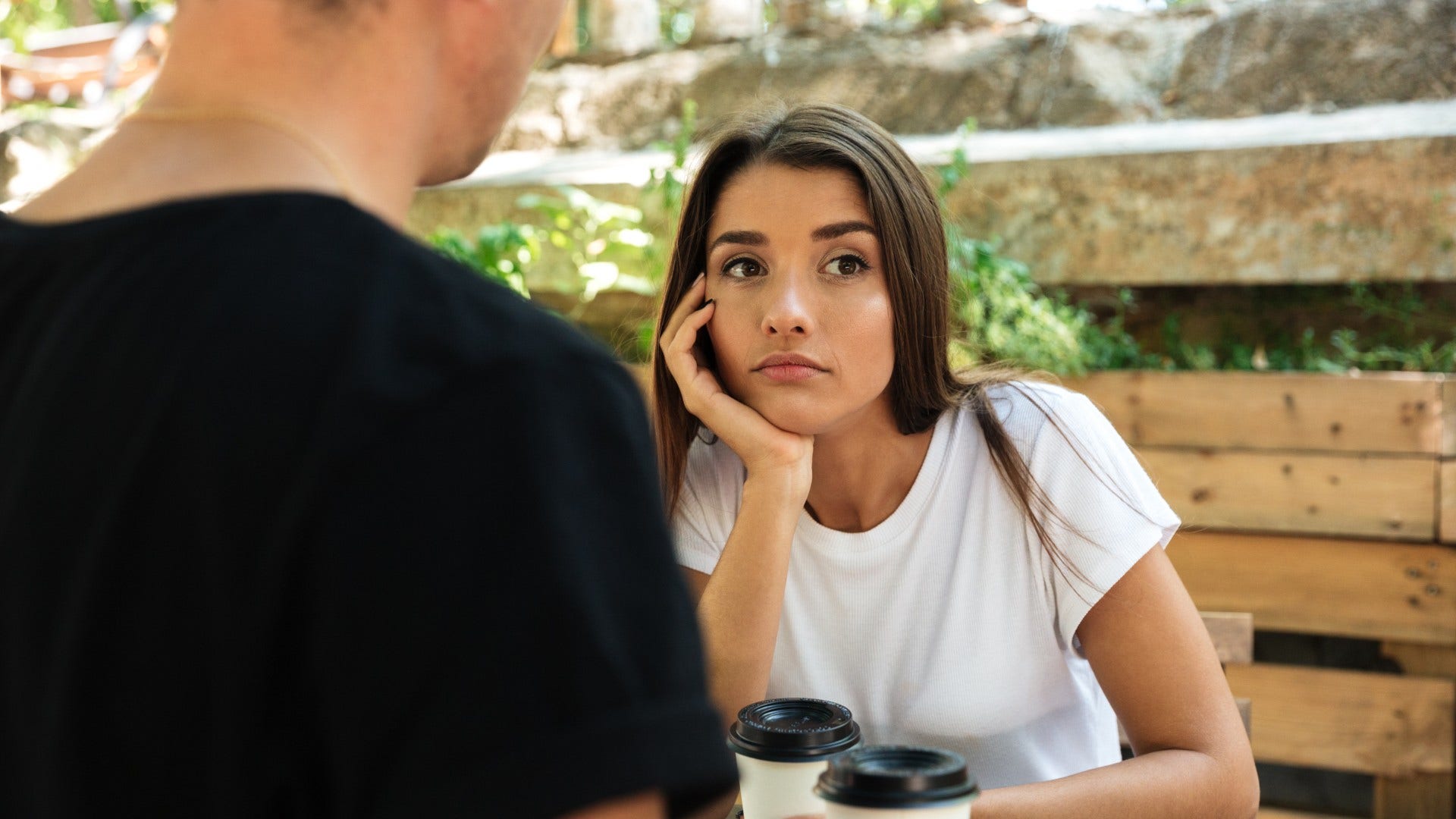
Speaking as someone who often needs a lot of reassurance, I understand this all too well. Getting a pep talk when you’re not feeling yourself is really nice, but it can be something you grow dependent on.
You start looking at it as a crutch, which becomes problematic because your need for reassurance can get obsessive, and you might start to panic if your partner grows tired of it.
According to Bonnie Zucker, Ph.D., excessive reassurance seeking comes from a low tolerance for uncertainty. Breaking yourself free from the habit of asking for a pep talk is extremely difficult, but it actually will help you decrease your anxiety in the long run.
7. Avoiding vulnerability
 VH-studio / Shutterstock
In our culture, there’s this odd, twisted belief that showing vulnerability is a bad thing. This is especially true with men, who are often taught that boys don’t cry when they’re growing up. When people ask you what’s wrong, are you the type of person to put on a stiff upper lip and brush off your issues with a joke?
If that’s the case, you might not be doing yourself a favor. Avoiding vulnerability tends to increase romantic anxiety in some people, which in turn can lead to a (quiet) spiral. Sometimes, it’s better to just speak up.
8. Unhelpful coping outlets
 Josep Suria / Shutterstock
We all know that one person who never seems to cope well. Healthy coping skills allow you to process your anxiety in a way that doesn’t come back to bite you in the behind later on. Unhealthy coping mechanisms, such as going on gambling sprees or binge eating, tend to have very bad side effects.
If you tend to turn to unhealthy practices to cope with stress in your relationships or life, don’t be surprised if you experience a boomerang effect. As one of my friends put it, this is the type of behavior that lets you borrow joy at a very, very high interest rate you won’t want to pay back.
9. Adding anxiety-inducing activities to your life
 gpointstudio / Shutterstock
Anxiety is one of those things that’s a lot like a cumulative effect. Even if you don’t think it builds up in your body or mind, it does. One of the things that can subconsciously exacerbate your anxiety is adding activities that are anxiety-inducing.
For example, if you’re the type of person who binge-watches true crime documentaries about love lives gone horribly wrong, you may start to internalize that. Meeting people could begin to feel a little more sketchy. You start to think that there’s always a chance of someone going ballistic or going out to get you. Obviously, that will impact your love life.
10. Picking apart your looks
 New Africa / Shutterstock
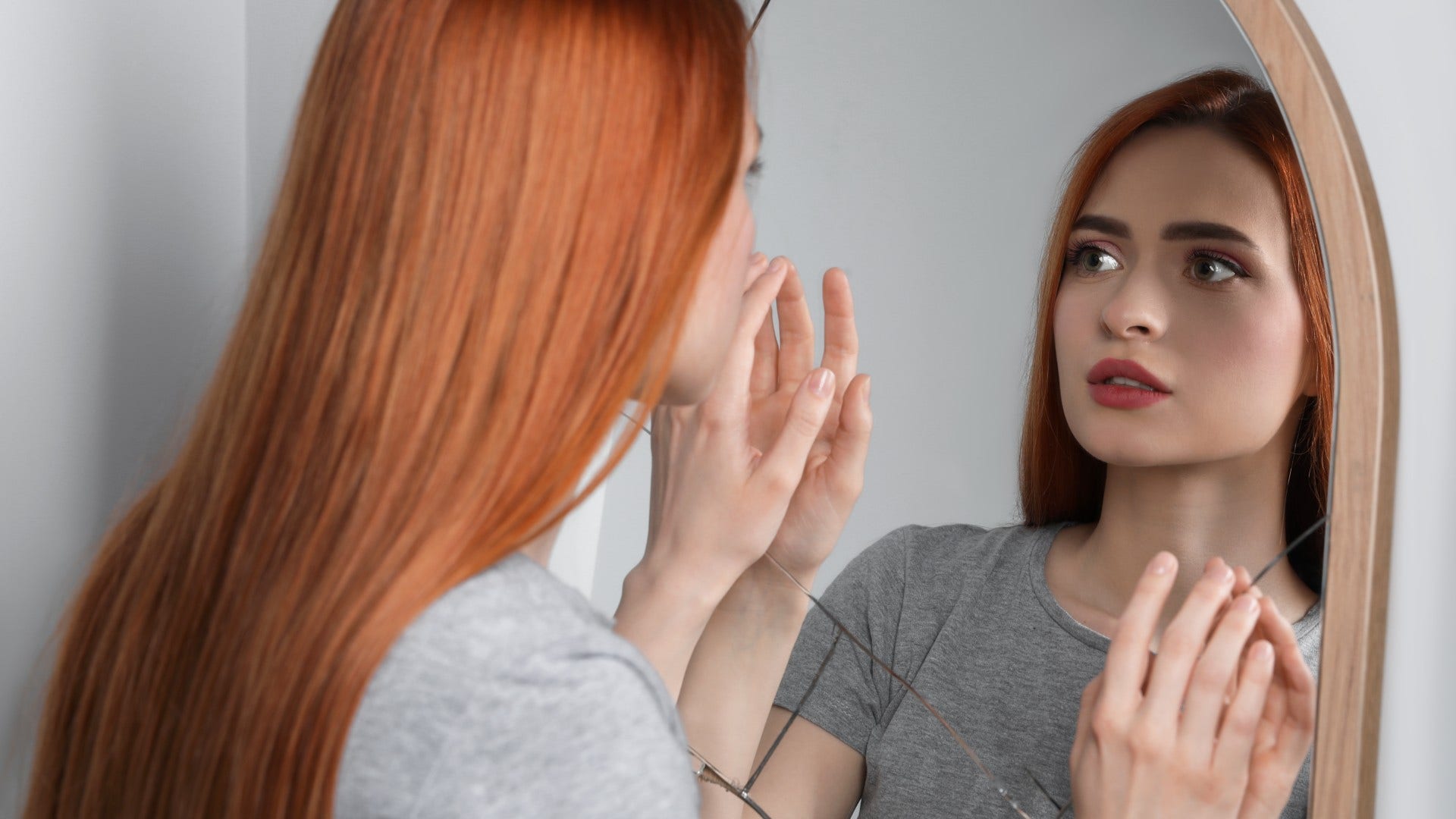
True story: I had a friend who was devastatingly pretty, but she was always picking herself apart. She never saw herself as thin enough, pretty enough, or anything of the sort. Verbally beating yourself up does a number on your confidence. When you’re not confident in yourself, it starts seeping into other areas, including anxious thoughts about dating.
You start wondering if you’re good enough to get the hottie you’ve been eyeing. Then, you start panicking when they show the slightest sign of disinterest. Needless to say, working on the radical acceptance of yourself is a huge deal if you tend to struggle with it.
11. Reading bad advice on the internet
 MAYA LAB / Shutterstock
While many outlets use research-backed studies to offer healthy relationship advice, not all media outlets are that nice. In fact, many social media personalities don’t have your best interest in mind. This is especially true in the dating coach industry, with many of the worst offenders being Red Pill influencers.
Red Pill influencers (and others like them) tend to target readers who already feel insecure. They then exacerbate those insecurities and anxieties to gain followers who become addicted to their bad advice. There are multiple exposees and studies that show how this type of advice can hit you. A good piece of advice? Good advice doesn’t make you feel bad about yourself.
Ossiana Tepfenhart is a writer whose work has been featured in Yahoo, BRIDES, Your Daily Dish, Newtheory Magazine, and others.
