
I Constantly Felt Anxious And On Edge Until I Developed These 6 Morning Habits
 Karola G | Canva
 Over 40 million people in the United States alone, aged 18 and older, suffer from anxiety, roughly 18 percent of the total population. Chronic anxiety is debilitatingly awful. I know because I have experienced it. I’ve lived through two major anxious/depressive episodes in my life, and I’ve accumulated some morning habits that have curbed how anxious and on edge I used to feel every morning.
I wish that I had known about these 20 years ago, and so I’m passing them on to you, hoping that they will have a noticeable positive effect on your life, regardless of whether or not you are currently suffering from anxiety.
I constantly felt anxious and on edge until I developed these six morning habits:
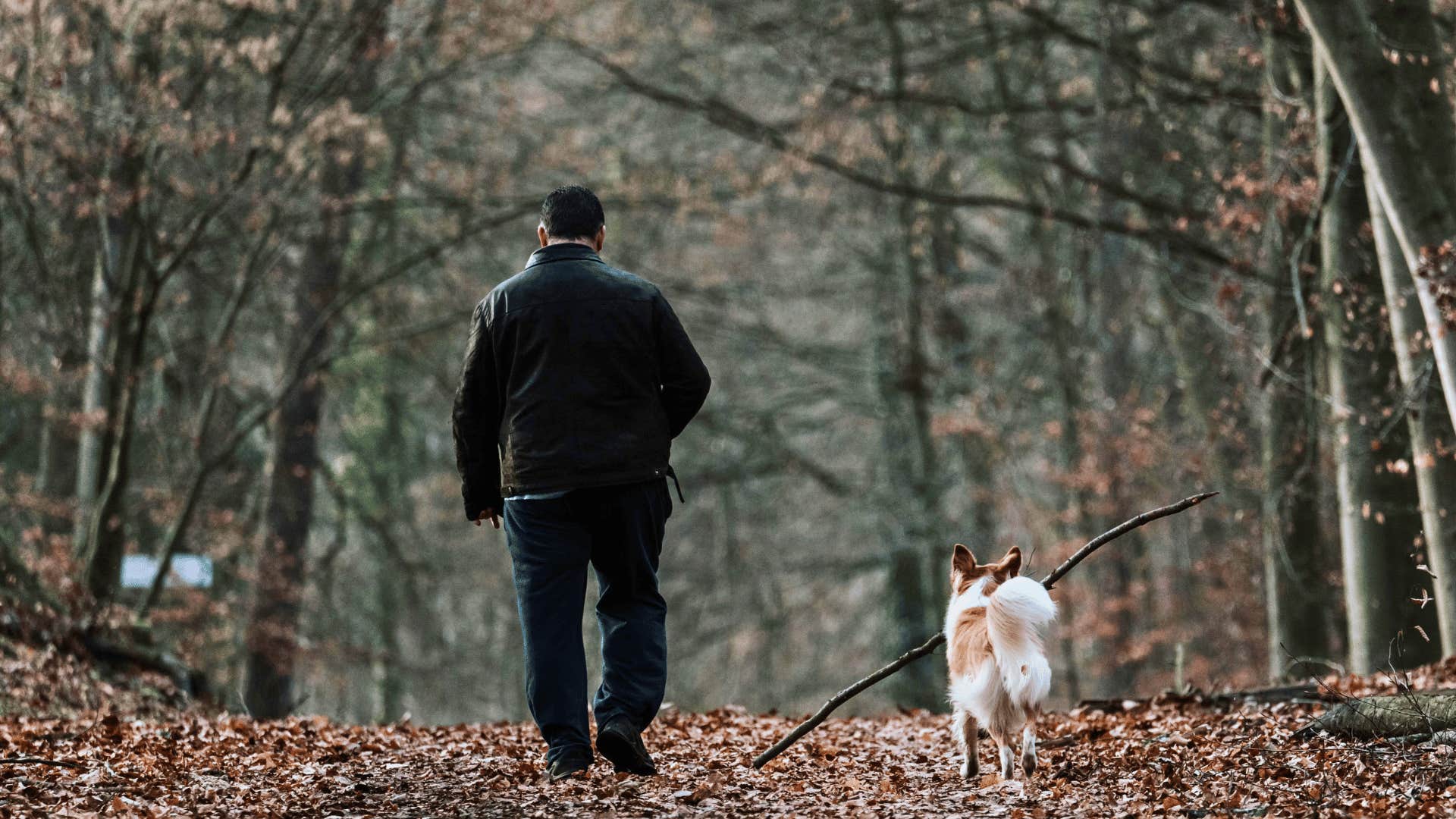
1. I walked more
 Masood Aslami / Pexels
When anxiety takes over, it’s often because we’ve been spending too much time in our heads and not enough time living in connection with our bodies. Even if this sounds somewhat like hippy-dippy woo-woo stuff, you know that there’s some truth to this.
If you spend all of your days by yourself, staring at screens, with too much time to ruminate on your life and all that you perceive to be wrong with it, it will inevitably make you feel anxious. Our bodies are made to move, and we are made to connect with others. This is why solitary confinement is one of the highest forms of punishment in prison (don’t move, don’t socialize, zero time spent in nature).
The simplest way to get into your body is to start making daily walks a priority. Go out walking for 15 minutes, or 30, or 60. Do this every day for a week and see how much better you begin to feel. If you really don’t feel like moving or exercising at all, another good couple of ways to get into your body are taking hot Epsom salt baths or getting massages. Whatever it is that connects you to your body (walking, dancing, lifting weights, exercising, taking long hot baths, etc.), make it a priority. Your mental health depends on it.
2. I called a loved one on the way to work
 Andrej Lišakov / Unsplash+
As touched on above, having too much time to ruminate in isolation isn’t good for anyone. We are a social species, and we are literally hardwired to connect with other people. Spend more time with your close friends or family members. Call them on the way to work just to say hi.
If you don’t currently have a thriving social life, then combine tips #1 and #2 by getting yourself out to group activities like dance classes, weight training classes, or walking groups. If you just did these two things (walk for an hour, and spend quality time with other people) every day for a week, you would already feel a noticeable difference in your anxiety.
Dr. Julianne Holt-Lunstad, a researcher at Harvard's T.H. Chan School of Public Health, explains that "Decades of interdisciplinary research are based on the premise that humans are fundamentally a social species. The human need to be social is a part of our neurobiology, which can shape how we think, feel, and behave." Her research of more than 3 million participants found that social isolation significantly increases the risk for depression, anxiety, and even mortality.
3. I ate clean, and avoided all stimulants
 Yaroslav Shuraev / Pexels
Do you drink coffee or soda? Do you eat a lot of processed sugar and junk food? Do you drink alcohol or smoke? As resilient as we are, if you put junk into your body, you’ll eventually feel like junk. Eat a balanced diet of whole, nutrient-dense foods with a focus on fresh vegetables, nuts, seeds, lean proteins, and complex carbohydrates, and cut out any and all stimulants that give you insulin spikes.
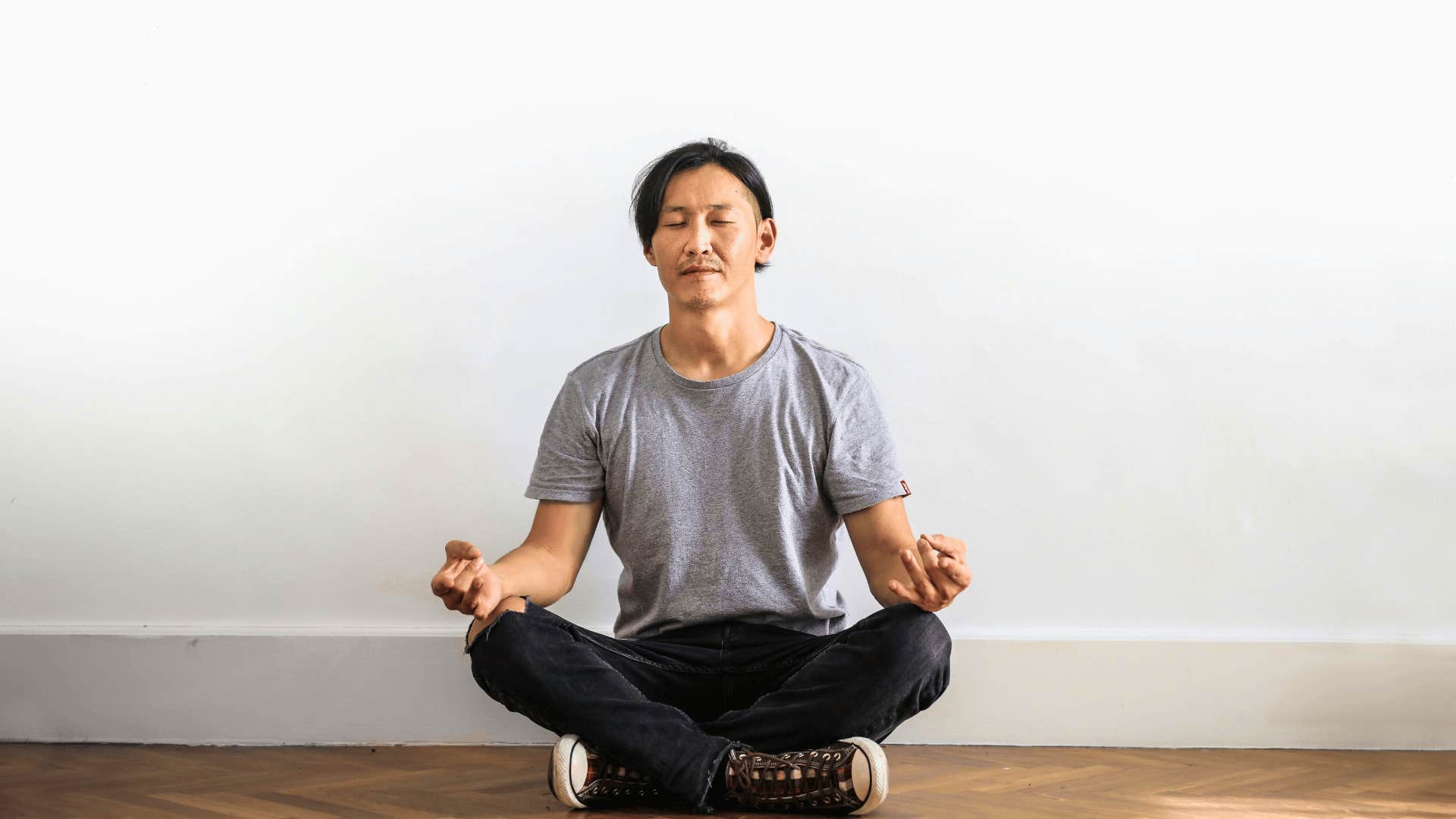
4. I avoided screens as much as possible
 Andrea Piacquadio / Pexels
Research confirms: Excessive screen time has been scientifically linked to depression and anxiety. If you roll over in the morning and immediately check your phone, and are checking your phone/email/computer throughout the day, you could literally be damaging your brain. Go on a screen diet to chip away at your anxiety. If you need to use your computer, set a timer to make sure that you don’t overindulge in staring at the blue light.
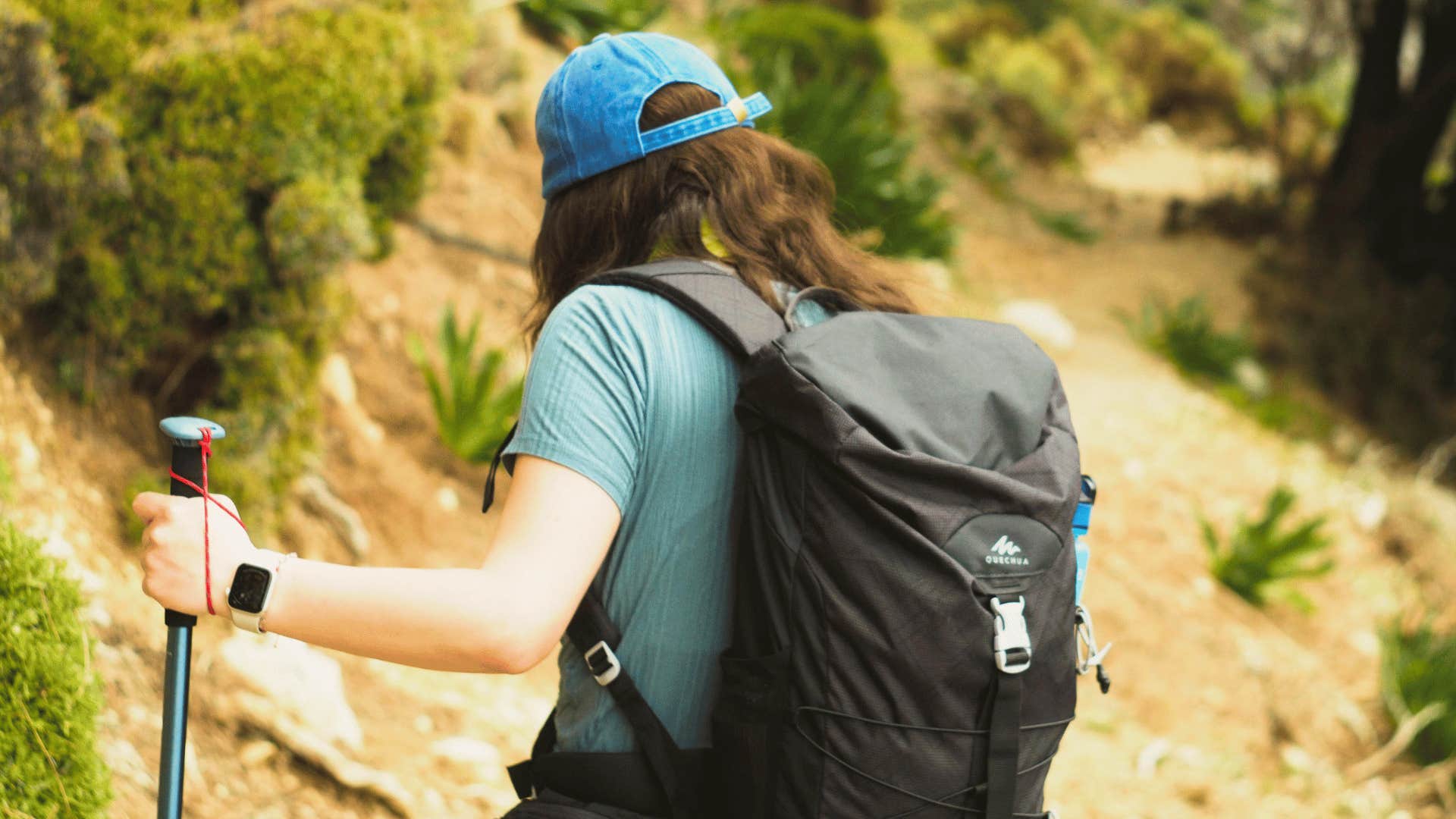
5. I spent a few quiet moments outdoors in the morning
 Şükrü Aydin / Pexels
Nature sucks out the toxicity of daily life. Make a point to spend as much time near fresh water or in a forest as possible. Don’t have access to much clean nature in the place that you live in? Maybe it’s time to go camping or go on a vacation somewhere beautiful and less inhabited. Myriad studies demonstrate how spending time in nature can improve mood, lower anxiety, and improve cognition and memory. Making time for nature is important for us to maintain resiliency and promote self-care in a world that demands a lot from us.
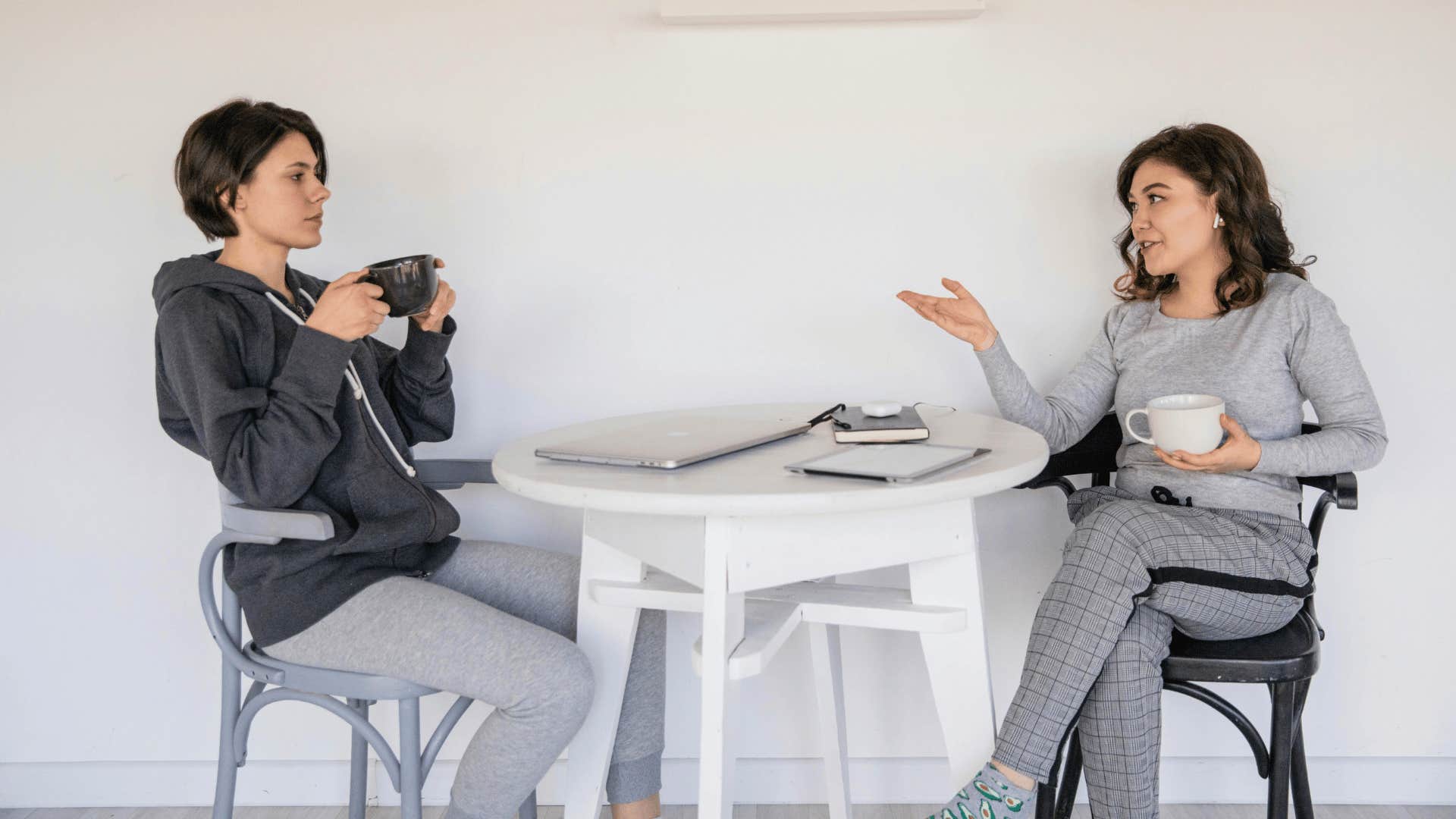
6. I moved my therapy sessions to the morning
 KATRIN BOLOVTSOVA / Pexels
A lot of the power that anxiety has over us is linked to how much time we allow ourselves to sit alone in rumination, feeling anxious about the fact that we have anxiety. Externalize your thoughts to a safe, trusted, non-shaming friend, family member, coach, or therapist, and gift yourself with the sense of knowing that you are not alone.
During the most anxious periods of my life, I had thoughts like “I’m losing my mind,” “What if I have a panic attack?” and “Will this anxiety ever stop?” Just like no weather pattern stays forever, no emotional state stays forever. You can get through what you’re going through by learning how to beat anxiety naturally, and you can speed up your process by doing some of the things mentioned above.
Feeling anxious and on edge is never fun, but it is surmountable. If you have anxiety, allow yourself to be supported by others, talk to someone about your fears, and prioritize play, time outdoors, and bodily movement.
Jordan Gray is a five-time Amazon best-selling author, public speaker, and relationship coach with more than a decade of practice. His work has been featured in The New York Times, BBC, Forbes, The Huffington Post, Women's Health, and The Good Men Project, among countless others.
