
11 Things Kids Used To Do After School That Feel Pretty Much Impossible Now
 Lyudmila2509 / Shutterstock
 There was a time when the hours between 3 p.m. and dinner felt wide open. After-school life wasn’t scheduled, tracked, or optimized. It unfolded organically, shaped by boredom, curiosity, and whatever neighborhood energy happened to exist that day. Those unstructured afternoons quietly built independence in ways that are harder to replicate now.
Today’s kids often move from school to supervised activities, digital spaces, or carefully coordinated plans. Technology has changed how they connect. Safety expectations have shifted. Parental oversight has expanded. None of that is inherently bad, but it does mean some once-normal after-school rituals now feel almost unthinkable. Looking back at them highlights just how much the culture has changed.
Here are 11 things kids used to do after school that feel pretty much impossible now
1. Roam the neighborhood for hours without checking in
 Taras Grebinets / Shutterstock
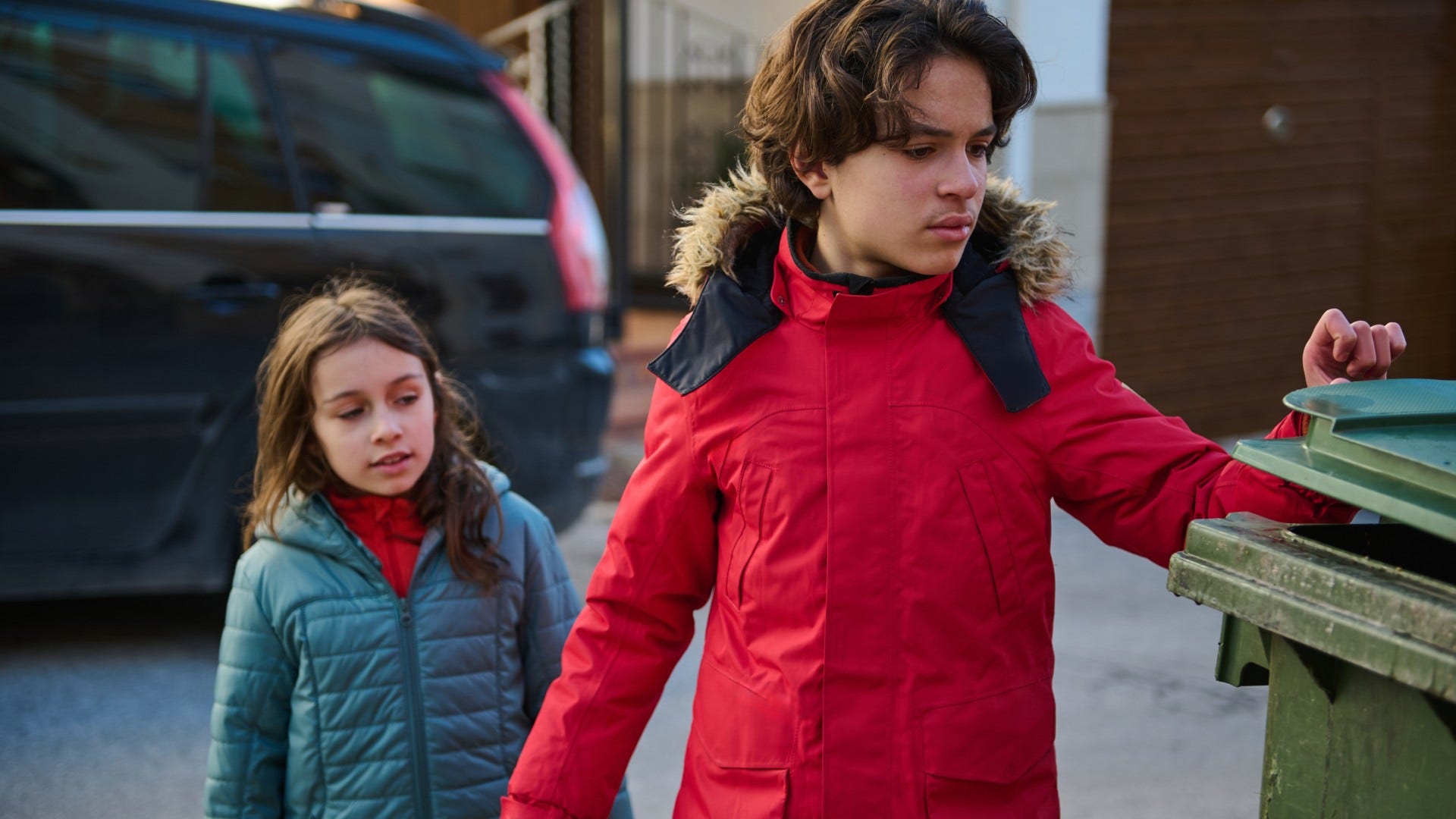
Kids used to drop their backpacks at the door and disappear outside until sunset. There were no text updates, no GPS tracking, and no constant parental monitoring. If you wanted to find someone, you rode your bike around until you spotted them. Entire friend groups formed organically in driveways, empty lots, and cul-de-sacs.
Parents trusted that the neighborhood itself acted as a loose safety net. Today, that level of unsupervised freedom would raise serious eyebrows. Group chats and tracking apps have replaced spontaneous meetups. Cultural expectations now assume constant accessibility. The idea of being unreachable for three hours feels almost rebellious. What once felt like healthy independence now feels like a risk few families are comfortable taking.
2. Knock on a friend’s door without texting first
 Ksenia4162 / Shutterstock
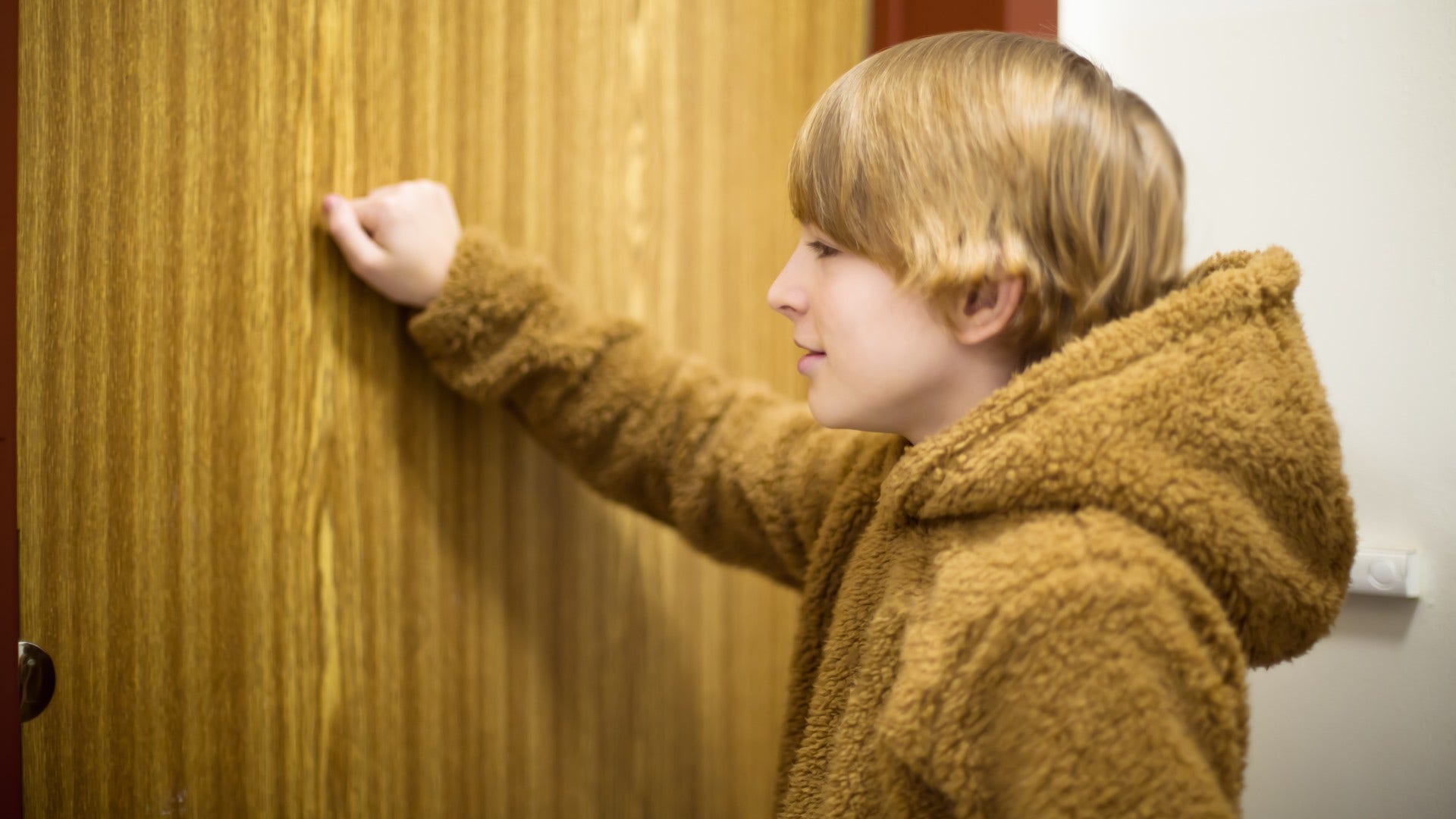
There was no “Are you home?” message beforehand. You simply showed up and hoped for the best. If they weren’t there, you biked to the next house. This casual spontaneity built resilience and flexibility.
Rejection was minor and expected, not socially catastrophic. Today, showing up unannounced can feel intrusive. Social norms now lean heavily toward pre-arranged plans. Even children coordinate digitally before meeting in person. The shift reflects broader changes in privacy and scheduling. What once felt friendly now feels disruptive.
3. Stay outside until the streetlights came on
 maxim ibragimov / Shutterstock
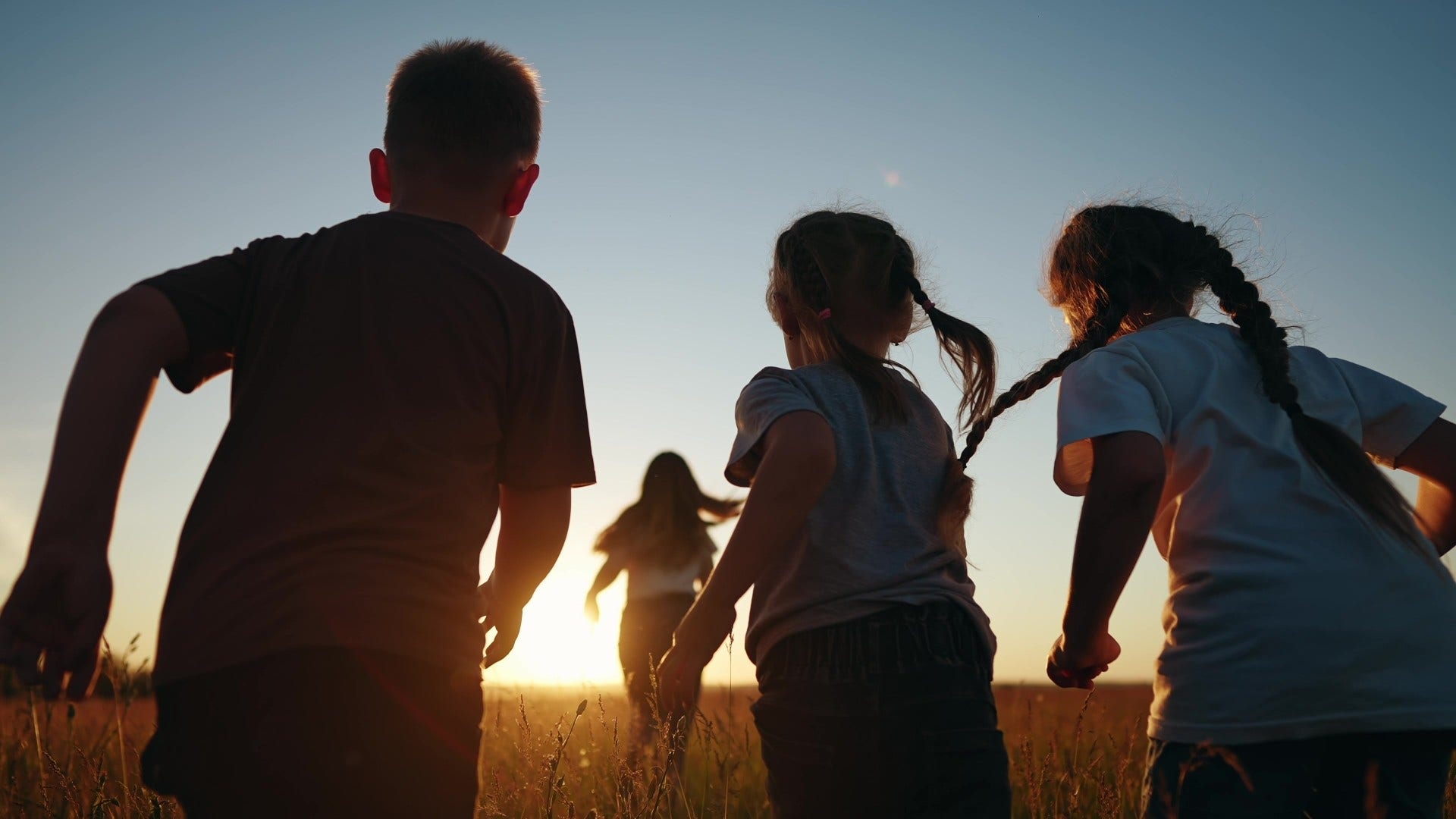
Streetlights acted as unofficial curfews. That glow signaled it was time to head home. Until then, the afternoon stretched endlessly. Games evolved naturally without adult direction. Disagreements were negotiated peer-to-peer.
Physical movement filled the hours without much structure. Now, organized sports and supervised activities dominate after-school time. Unstructured outdoor play has declined in many communities. Safety concerns and busy family schedules limit long stretches of free roaming. The rhythm of “home when it’s dark” feels like a relic of another era.
4. Make their own snacks without supervision
 pics five / Shutterstock
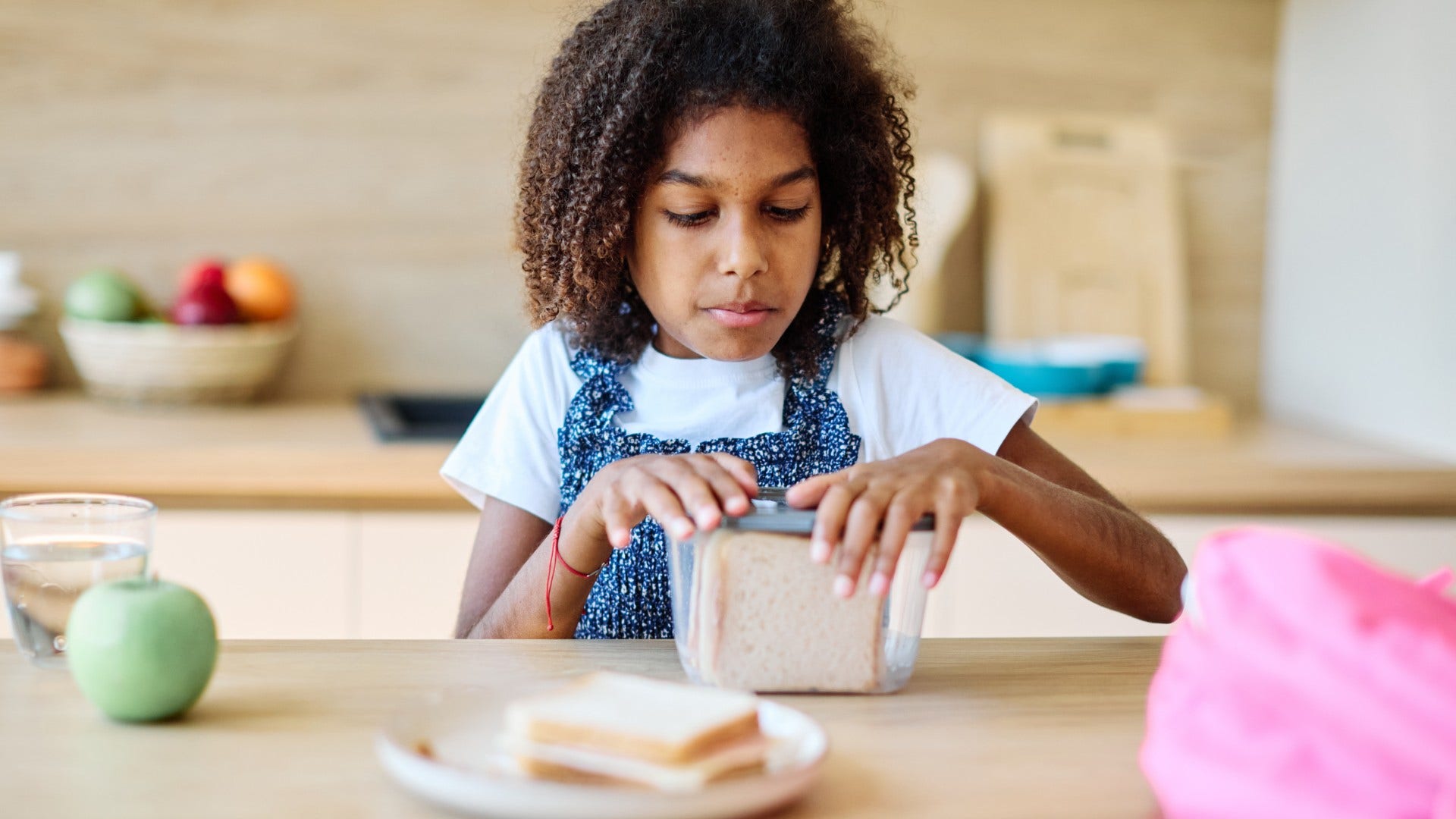
Kids once came home, rummaged through the pantry, and assembled whatever seemed edible. Sometimes it was cereal straight from the box. Sometimes it was something surprisingly creative. The kitchen became a space for small experiments.
Minor messes were expected. Today, food access is often more structured and monitored. Dietary awareness, allergy concerns, and tighter grocery budgets change the dynamic. Many families plan snacks in advance. Independence in the kitchen now comes with more oversight. What once felt casual now feels carefully managed.
5. Spend entire afternoons being bored
 Iren_Geo / Shutterstock
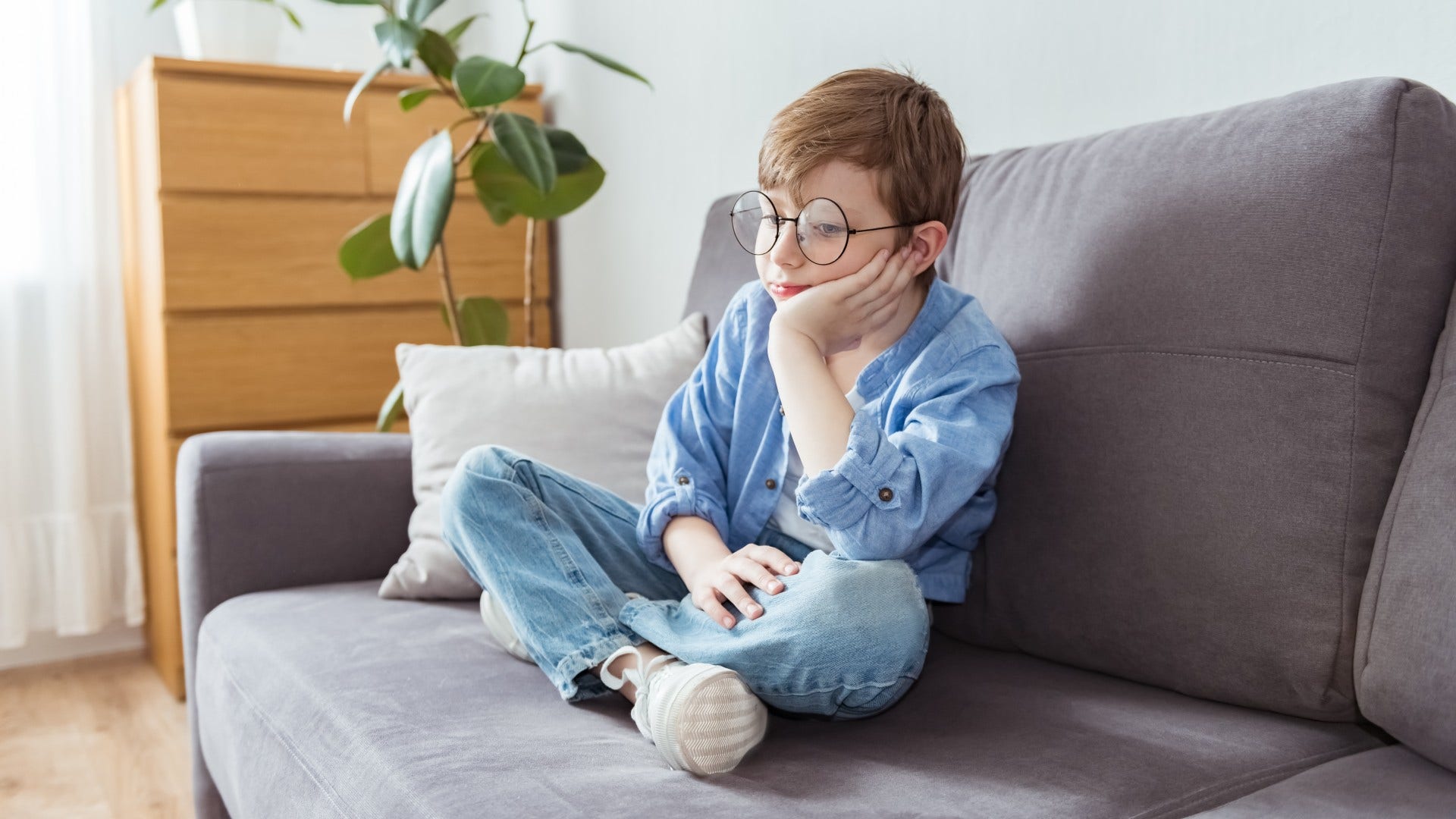
Boredom wasn’t considered a crisis. There was no instant entertainment waiting in a pocket. When nothing was happening, kids were left to figure it out. That empty space often led to imagination. Forts were built. Stories were invented. Games emerged out of thin air.
Today, digital stimulation fills quiet moments quickly. Idle time is often minimized or replaced. The tolerance for boredom has shifted culturally. What once felt normal now feels uncomfortable.
6. Walk home from school alone at a young age
 alinabuphoto / Shutterstock
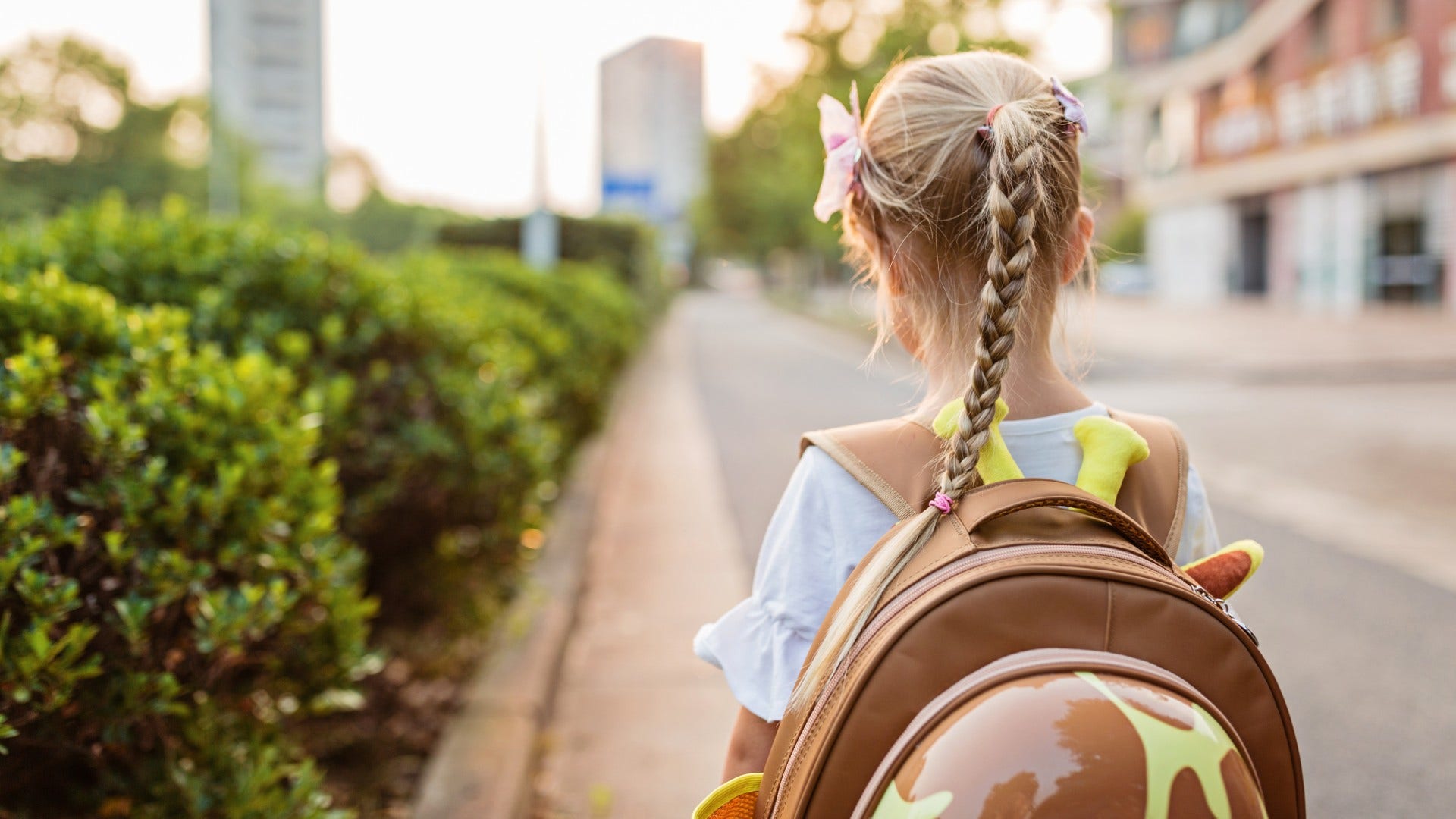
Many children once walked or biked home independently. It was part of growing up. They learned routes, navigated traffic, and handled small problems on their own. Parents trusted them to manage short distances responsibly. Now, in many communities, that independence is delayed.
Concerns about safety have intensified. Drop-off and pickup lines stretch longer each year. Even capable kids are often escorted. The expectation of supervision has grown stronger. What once built confidence now sparks debate.
7. Settle arguments without the help of an adult
 Victoria Antre / Shutterstock
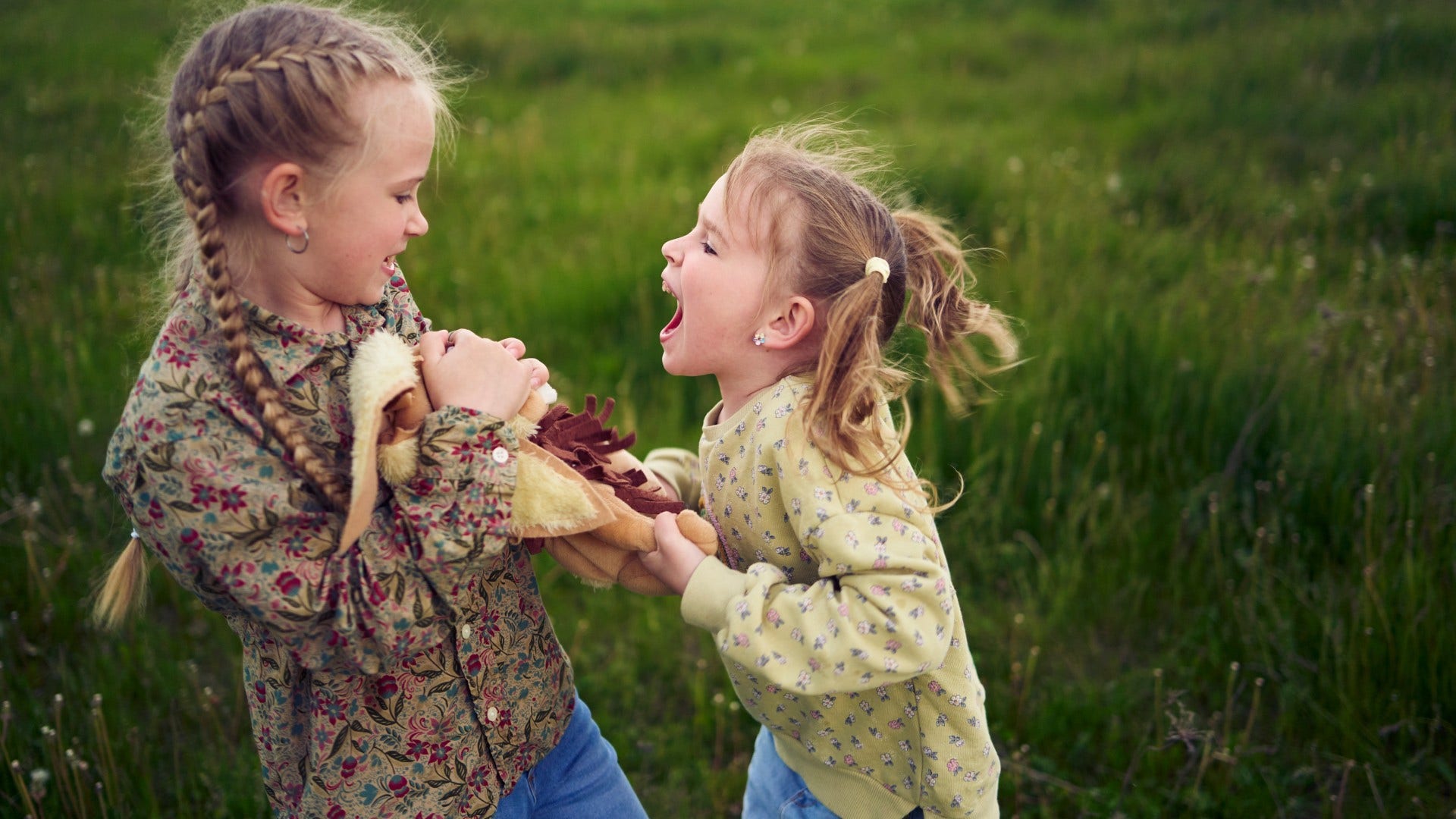
After-school conflicts happened regularly. Kids argued, made up rules, broke them, and renegotiated. Adults typically stepped in only when situations escalated significantly. These interactions built negotiation skills naturally.
Emotional regulation developed through trial and error. Today, parents and teachers are more likely to intervene earlier. Social dynamics are often documented and discussed immediately. While protection has increased, peer-led resolution has decreased. The shift reflects greater awareness of bullying and emotional harm. Still, the hands-off approach of the past feels distant.
8. Watch whatever happened to be on TV
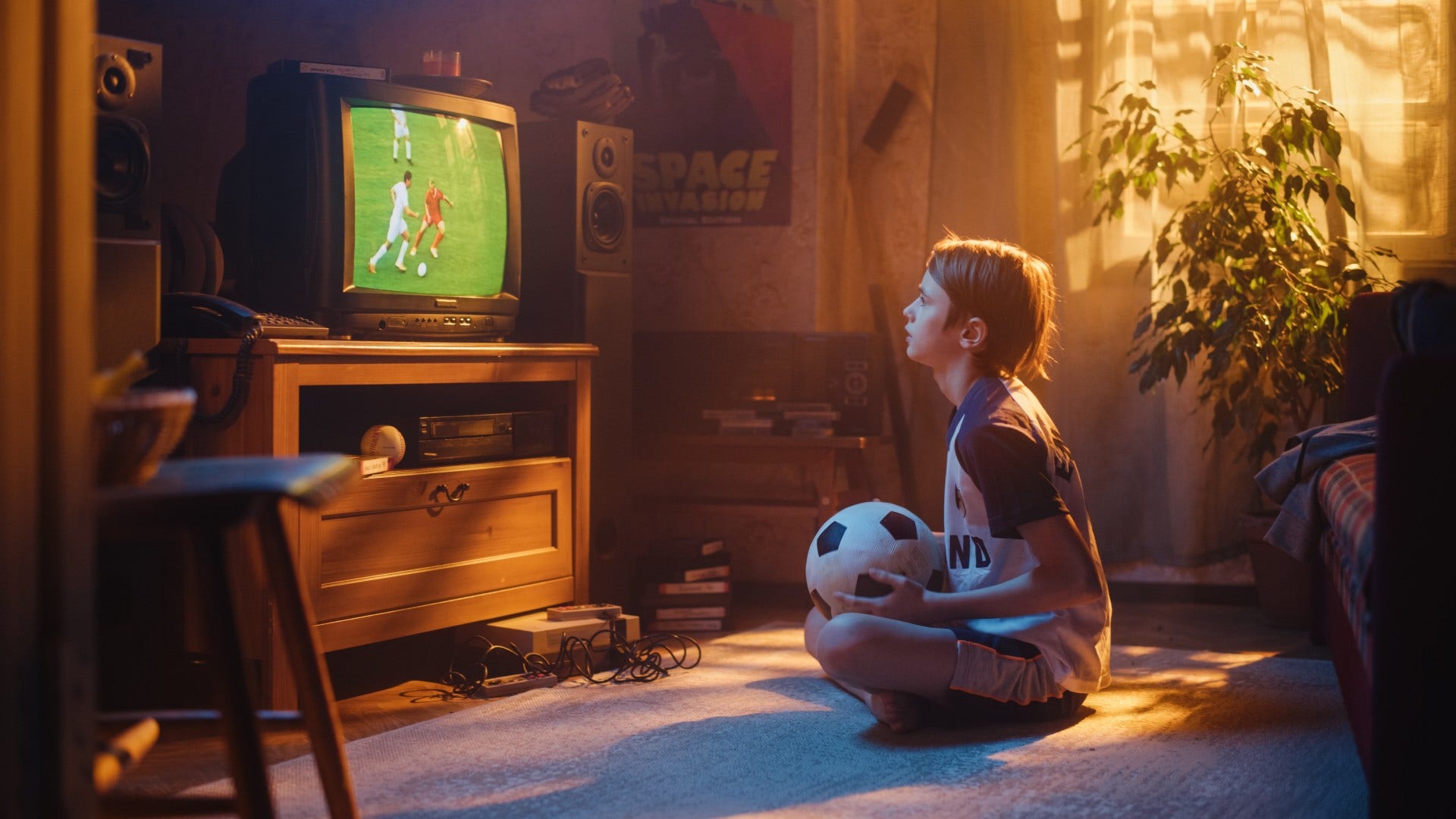 Gorodenkoff / Shutterstock
After school meant turning on the television and watching whatever was scheduled. There was no streaming queue or curated content library. Kids negotiated channels or simply accepted what was playing. Limited options created shared cultural moments.
Now, on-demand entertainment dominates. Personalized screens have replaced communal viewing. Parents monitor content more closely. Algorithms shape exposure. The randomness of flipping channels feels almost nostalgic.
9. Ride bikes without helmets or safety gear
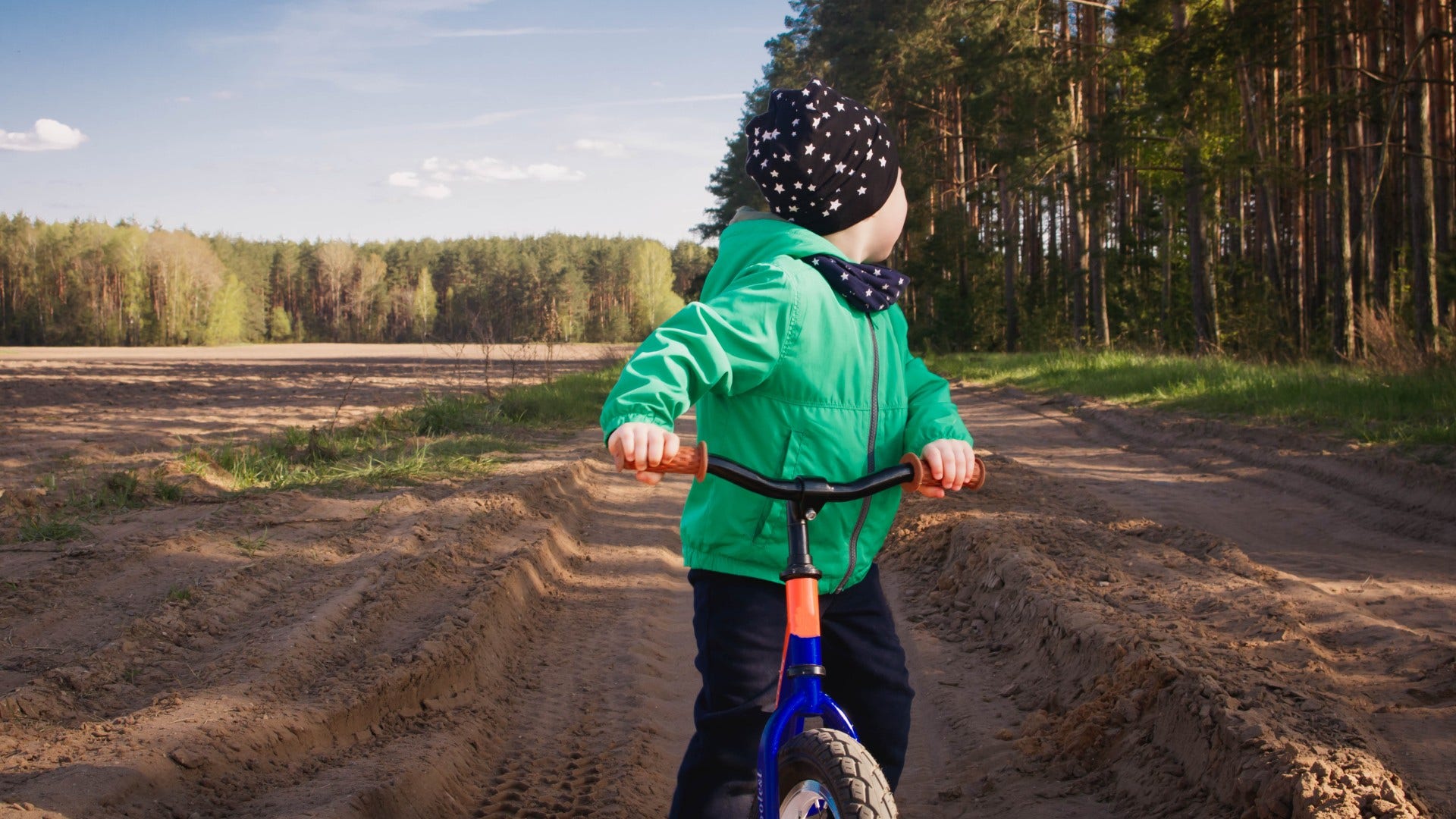 Darya Hostseva / Shutterstock
Protective equipment wasn’t always standard. Many kids rode bikes, skateboards, and scooters with little more than confidence. Scraped knees were considered part of childhood. Today, helmet use is widely encouraged and often required.
Safety awareness has grown significantly. Public perception has shifted toward prevention. Protective gear is normalized rather than optional. What once symbolized carefree play now sparks concern.
10. Spend time in unsupervised hangout spots
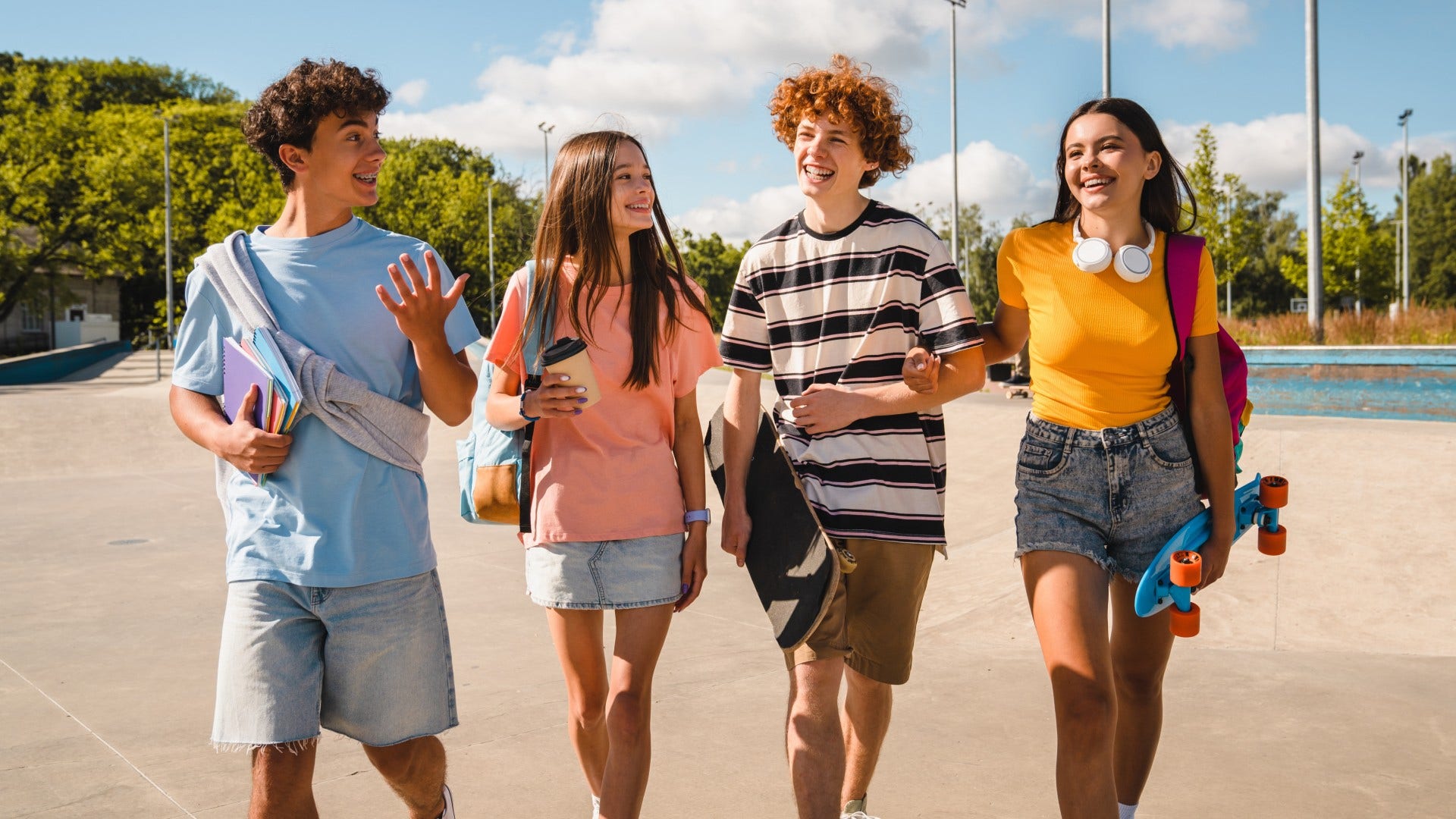 Inside Creative House / Shutterstock
Empty fields, wooded areas, and half-finished construction sites once served as informal gathering spots. Kids created their own boundaries and challenges. The thrill came from discovery and autonomy. Today, liability concerns and tighter property restrictions limit access.
Surveillance cameras and neighborhood apps increase visibility. Unsupervised gathering feels harder to sustain. Public tolerance for risk has declined. What once felt adventurous now feels restricted.
11. Come home without documenting anything
 New Africa / Shutterstock
After-school life used to happen privately. There were no photos, no posts, no performance. Mistakes faded into memory rather than living online forever. Social media has transformed how experiences are recorded. Visibility is constant. Even ordinary moments can be shared widely.
The pressure to curate or monitor reputation begins earlier. Privacy has narrowed considerably. The quiet anonymity of past afternoons feels rare. What once unfolded unseen now often leaves a digital footprint.
Sloane Bradshaw is a writer and essayist who frequently contributes to YourTango.
