
11 Things That Used To Be Common In The Middle Class That Now Only Wealthy People Can Afford
 Dean Drobot / Shutterstock
 Not that long ago, certain comforts were considered normal parts of middle-class life. Over time, though, rising costs and living paycheck-to-paycheck have quietly reclassified many of those standard perks into something that feels aspirational.
What once felt like basic convenience now carries a different kind of signal. When people see these things today, they often read them as markers of financial ease. These are the simple experiences and home items that used to be common for middle class people, but now are only easily affordable by the wealthy.
Here are 11 things that used to be very common for the middle class but now only wealthy people can afford:
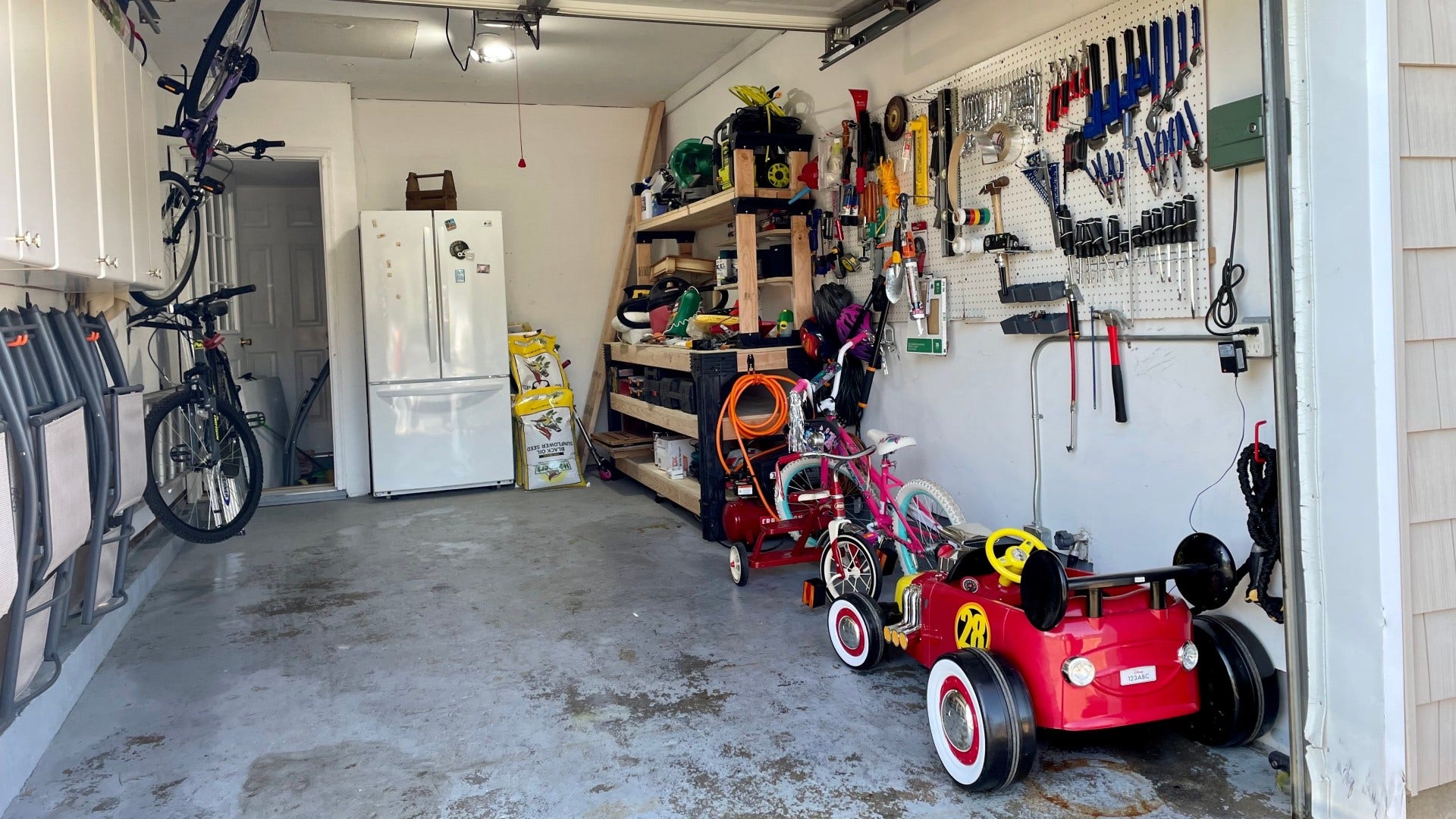
1. A second refrigerator in the garage
 Jaclyn Vernace / Shutterstock
At one point, having an extra fridge for drinks, leftovers, or bulk groceries was common in many suburban middle class homes. It wasn’t flashy; it was practical. Families stocked up during warehouse sales or holidays without thinking twice. Today, even the electricity to run an extra appliance feels like a consideration.
With energy costs rising and housing sizes shrinking, a second refrigerator signals space and flexibility. It suggests you’re not worried about utility bills. It also implies you can buy in bulk without stressing about storage. That extra appliance now reads as abundance.
2. A formal dining room that’s actually used
 Dragon Images / Shutterstock
There was a time when many middle class homes included a separate dining room for regular meals. It wasn’t just for holidays. Families gathered there nightly. In newer builds, open-concept layouts often eliminate dedicated formal spaces. Square footage has become more strategic.
A room reserved for sit-down dinners now signals extra space. Extra space signals financial breathing room. It suggests you don’t need every square foot to serve multiple functions.
3. Paying someone to mow the lawn
 Virrage Images / Shutterstock
Hiring a neighborhood teen or landscaping service used to be routine in many areas. It was a convenience rather than a statement. Today, labor costs have increased, and many households cut optional services first.
Paying someone to handle basic yard work can now signal disposable income. It reflects time flexibility as well. Outsourcing chores suggests you can prioritize convenience over cost.
4. Taking a family vacation every single year
 Sergey Novikov / Shutterstock
Annual vacations used to be built into many middle class family budgets. Road trips, beach weeks, or visiting relatives were expected rhythms of life. Today, travel costs have climbed significantly. Flights, accommodations, and fuel add up quickly.
For many households, vacations are spaced out or replaced with staycations. Traveling every year now signals stability. It suggests room in the budget beyond essentials.
5. Brand-name groceries without checking prices
 Drazen Zigic / Shutterstock
Shopping without comparing labels was once common in many middle class households. People grabbed preferred brands without scrutinizing every dollar. Now, price awareness has intensified. Generic options and discount stores dominate conversations.
Inflation has reshaped habits. Filling a cart without calculating totals signals financial comfort. It reflects confidence in your margin. Ease at checkout stands out in a major way now.
6. A stay-at-home parent by choice
 GiacomoTerracciano / Shutterstock
In previous decades, single-income households were more common. One parent staying home didn’t automatically signal affluence. Today, dual incomes are often necessary. Housing, healthcare, and education costs have surged.
Choosing for one parent to remain home now suggests a strong financial footing. It reflects flexibility rather than necessity. Things that used to feel typical now imply significant stability. The economic landscape has shifted dramatically.
7. New cars purchased outright
 Photoroyalty / Shutterstock
Buying a new car used to feel attainable for many middle-class families. Financing was common but manageable. Today, vehicle prices have escalated sharply. Purchasing a car without long-term debt feels rare.
Even reliable used vehicles can strain budgets. Driving a newer model without visible financial stress signals security. It suggests resources beyond basic survival.
8. Owning a home in general
 Lumos Film / Shutterstock
There was a time when owning a modest home was widely considered the norm. Starter homes were accessible to many working families. Today, housing markets in numerous regions have skyrocketed.
Down payments and mortgage qualifications present higher barriers. Simply owning property can signal long-term financial positioning. It reflects stability and equity potential.
9. Private extracurricular lessons
 Pixel-Shot / Shutterstock
Music lessons, private coaching, or specialized tutoring were once common add-ons for middle class families. They were viewed as developmental enrichment. Today, extracurricular costs add up quickly. Families often have to prioritize carefully.
Regular private instruction now suggests financial prioritization and flexibility. It signals investment beyond the basics. Enrichment has become a visible marker of success.
10. Routine preventative healthcare without hesitation
 Magic Lens / Shutterstock
Scheduling dental cleanings, eye exams, or specialist visits used to feel routine. Now, healthcare costs can create hesitation. Even insured families may weigh copays carefully.
Keeping up with preventative appointments signals financial margin. It reflects the ability to address issues proactively. Access has become more stratified. Basic care reads differently than it once did.
11. Saving for college while still paying the mortgage
 Gorodenkoff / Shutterstock
In past generations, saving for a child’s college while maintaining household expenses was more attainable for many families. Tuition rates have risen sharply over time. Simultaneously managing long-term savings and daily costs now requires significant planning.
Being able to do both suggests stability and foresight. It indicates surplus beyond survival. The baseline has undeniably shifted.
Sloane Bradshaw is a writer and essayist focused on self-help, relationships, and culture who frequently contributes to YourTango.
