
11 Odd Things People Found Attractive In The 1970s That Are Pretty Much Avoided At All Costs Today
 Lisa-Blue from Getty Images Signature via Canva
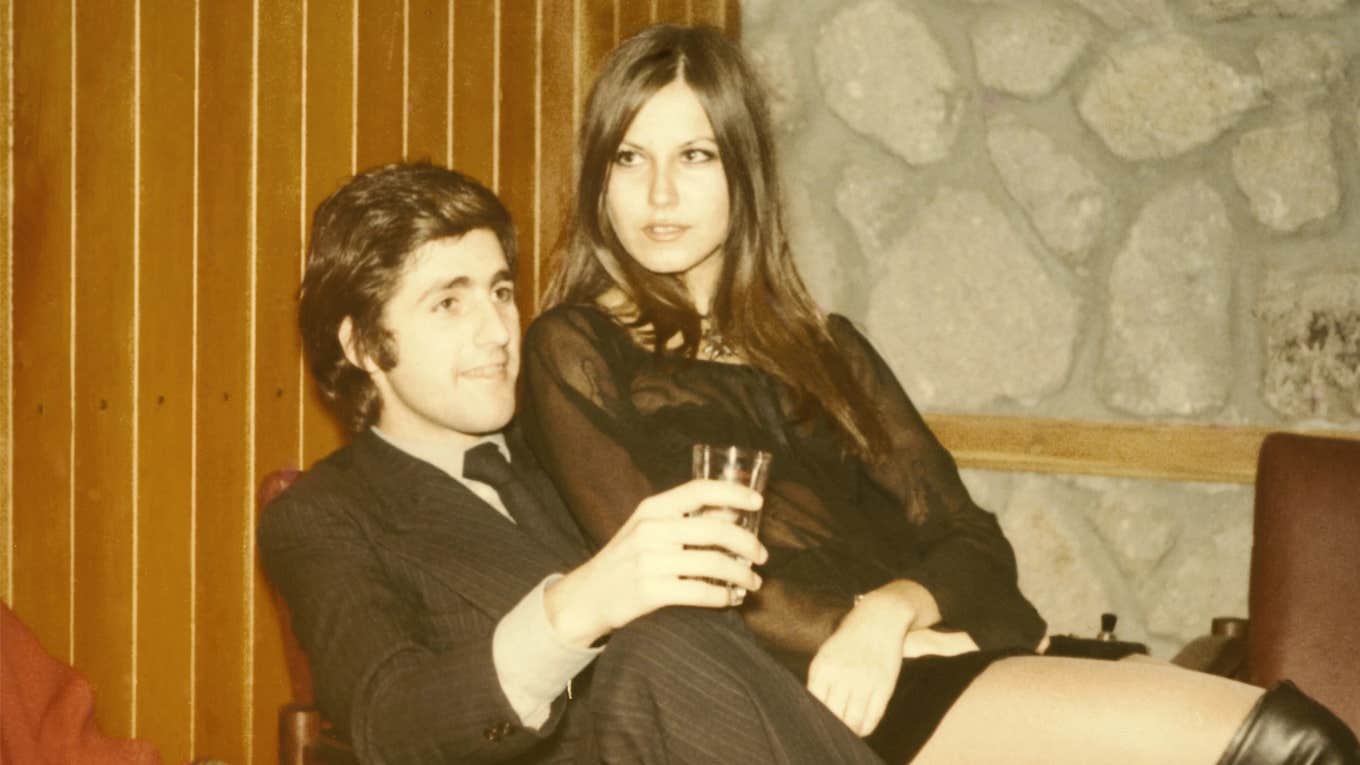
 The 1970s were a time where people were consumed with things like disco, vibrant colors, and over-the-top fashion. It was also a time of rebellion and fighting for freedom, especially for many marginalized communities. The decade made a statement as a whole, but trends that once turned heads in a good way back then don't really have that effect nowadays, because there are certain odd things people found attractive in the 1970s that are pretty much avoided at all costs today.
Part of the fun looking back during that time is realizing just how much standards have shifted. Things considered abnormal today were things that people living during that time period displayed with proudness and fervor. There was honestly something quite refreshing about how unapologetic people were. Everyone had the utmost confidence to rock whatever it is they found to be attractive. And by people having that kind of self-esteem, they were able to forge better social relationships with others, which is probably why everyone felt so connected during the 1970s. As we've evolved, though, much of those trends have long been buried.
Here are 11 odd things people found attractive in the 1970s that are pretty much avoided at all costs today
1. Lax safety standards
 spass | Shutterstock
Back in the 1970s, whether it was cars or bikes or other modes of transportation, there wasn't much emphasis on safety. Not only did children not wear helmets when riding their bicycles, but driving a car meant a seatbelt wasn't required.
According to the U.S. Centers for Disease Control and Prevention, by the late 1970s, only 11% of people used seatbelts, compared to about 90% in 2020. Thanks to seatbelt laws and regulations, riding in cars or on bikes became much safer.
As AAA explained, “A timeline of seat belt history can be traced back nearly two centuries, but it’s only been in the past few decades that the safety feature — and its use — have become commonplace.”
2. Shag carpet
 Pixel-Shot | Shutterstock
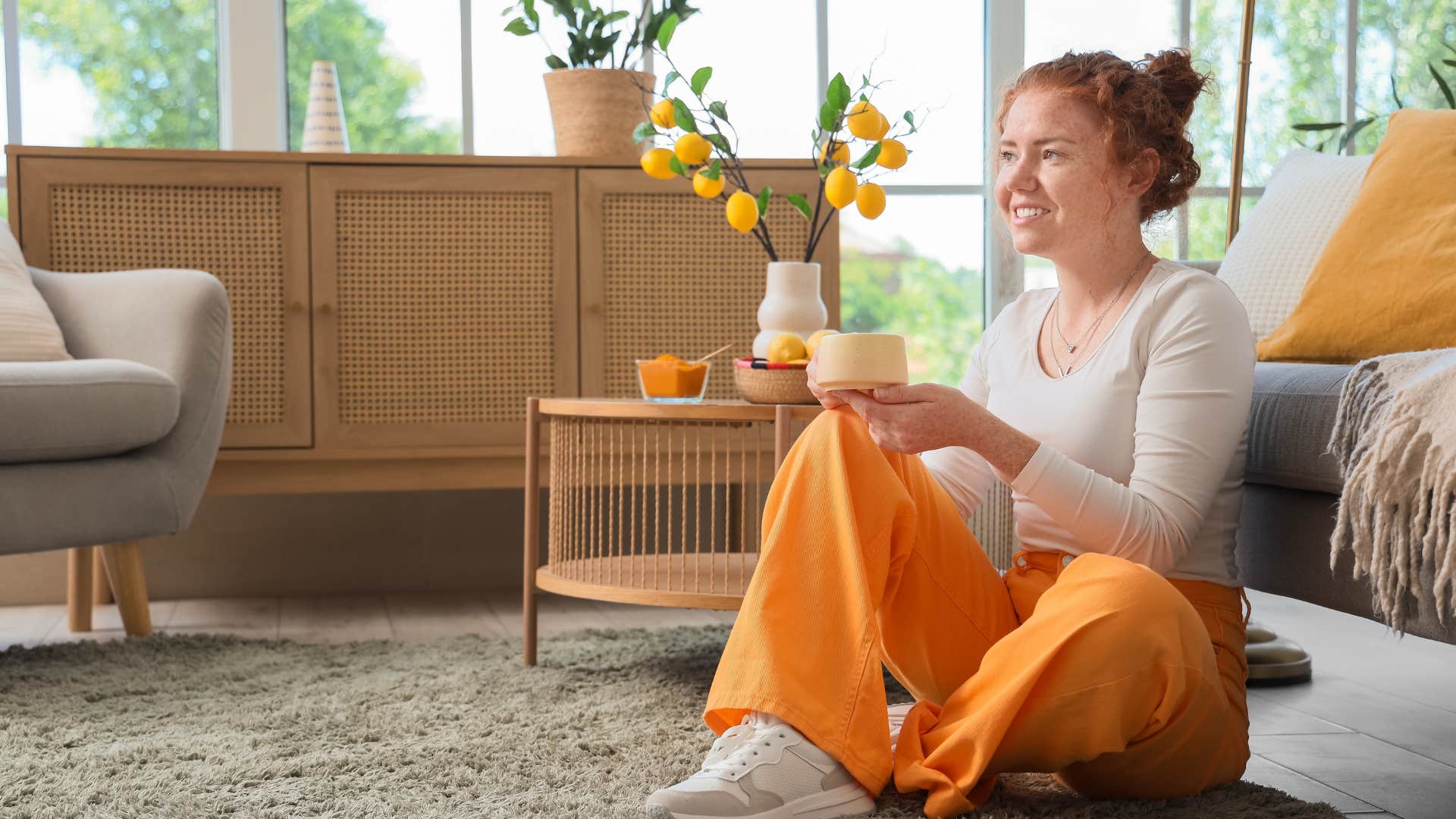
It wasn't just in the living rooms during the 1970s, but absolutely everywhere in someone's home. Some people would put shag carpeting in their bedrooms, the hallways of their home, and sometimes even in their bathrooms for a little extra pizzazz. The thick, fluffy carpeting elevated anyone's home into looking luxurious. The bolder the colors and patterns, the better as well.
Part of the charm was that having shag carpeting invited people to touch and even lounge on it. It created this sense of warmth and comfort. But shag carpet is now just one of the odd things people found attractive in the 1970s that are pretty much avoided at all costs today.
While people might enjoy carpet around their home today, it definitely isn't shag carpeting. It might just be a rug here and there, but there is a much more refined and minimalist aesthetic that people enjoy having their home be.
3. Bright blue eyeshadow
 Freeman Studio | Shutterstock
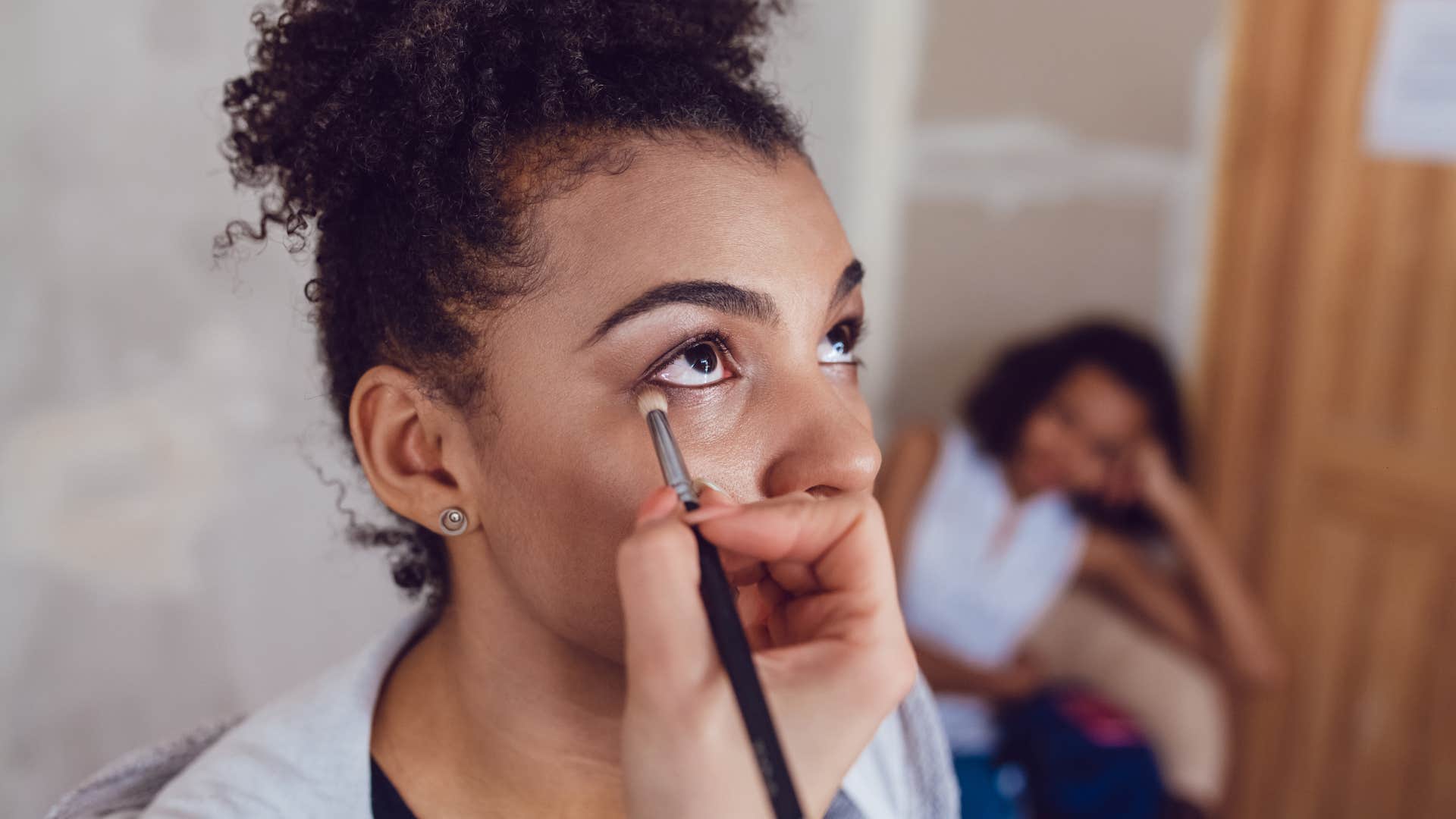
Vibrant blue eyeshadow was impossible to ignore during the 1970s, which was the whole point. The bolder the eyeshadow and louder the color, the better. People would layer it from their lash line right up to their brow bone with absolutely no shame. They enjoyed the dramatic look.
Subtle was not something people practiced during the 1970s at all. They liked having everything from top to bottom just pop, including the eyeshadow.
If your eyelids weren't bright enough, you weren't really trying. The blue eyeshadow felt fun and adventurous. It showed that you not only had the confidence to rock it, but that you were also getting creative with it.
It also just matched the vibrant aesthetic of the fashion during that time, too. People might not be into the blue eyeshadow nowadays, but we have our own version of fun, creative makeup looks.
4. Ultra-deep tans
 PeopleImages | Shutterstock
The deeper the tan, the more attractive you were considered. It wasn't the kind of tan that you might get from laying out in the sun on vacation, but a tan that make people think if you were actually on the sun itself. It was a deep, bronze glow that many people coveted after during the 1970s.
Pale skin was something people were actively trying to fix because people genuinely wanted their skin to look as carefree as the lifestyle they were yearning to live. It meant people were against sunscreen, thinking that it might get in the way of their tan. It was tanning oils being rubbed all over as they practically baked in front of the sun or visited tanning salons.
However, through extensive research and studies, we've all learned that sunscreen helps prevent so many health issues, including the overall effects of aging and preventing skin cancer. In today's time, people are aware of sunscreen and the impact of UV damage. They might be getting tan, but they aren't going overboard and they're staying safe about it.
5. Lava lamps as mood lighting
 GBJSTOCK | Shutterstock
Lava lamps were quite the symbol during the 1970s. They weren't just a quirky decoration people had by their bedside. Instead, people would watch them glow, and the motion of the lava lamp could turn any basic room in their homes into feeling like some kind of lounge straight from an aesthetically-pleasing movie.
People during that era truly enjoyed all of the colors that came from their lava lamps. It felt almost meditative, just watching the orbs move around in there. It also reflected the psychedelic love that people had as well. Now, lava lamps are hard to come by.
Most people have graduated to LED lights that can change color by simply using their phone. No one really has any use for lava lamps anymore, but they are definitely still fun to look at.
6. Heavy, musky scents
 New Africa | Shutterstock
The heavier and more intense a perfume or cologne was, the more alluring you might have been considered. And while it was normal back then, heavy and musky scents are another of the very odd things people found attractive in the 1970s that are pretty much avoided at all costs today.
People during that time truly wanted to announce their presence before they even entered the room. They wanted a strong cloud just trailing behind them. It added to the confidence they felt, and if someone could smell you long after you left, it meant the scent was definitely working.
Musky scents were quite popular during the 1970s because it just felt sensual. The stronger the scent was, the better people felt about wearing it. While people tend to choose perfumes that interact well with their own odor, back in the 1970s the goal was more about leaving the most unforgettable impression you could.
Today, preferences have definitely shifted. Most people would argue that they enjoy a much cleaner, fresher scent than something that's heavily musky.
7. Extreme flared jeans
 New Africa | Shutterstock
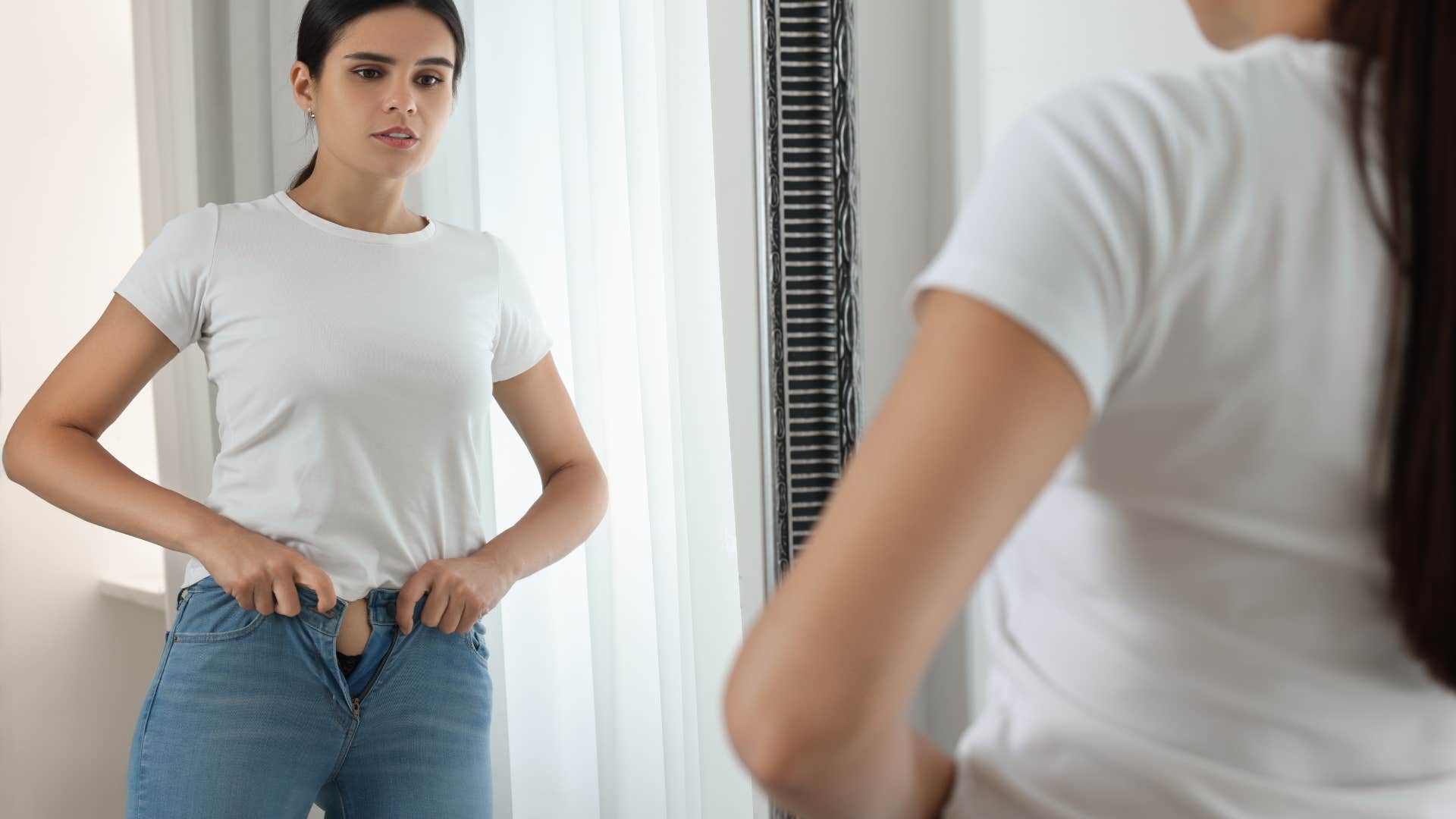
The wider the flare was at the bottom of someone's pants during the 1970s, the bolder their style seemed. People were wearing extremely flared jeans that were definitely covering up the tops of their platform shoes.
It was also so exaggerated because of the decade's dramatic silhouettes that people enjoyed wearing so much. Those jeans emphasized every single movement as well.
Just walking down the street or dancing in the club meant the flares were swaying with each step you'd take. It drew attention and made each stride look extremely dramatic and almost theatrical.
Flared, bell bottoms aren't quite in fashion now. Sure, people might wear them, but they aren't nearly on the same level as they were during that time. They're much more tame and laid-back, as people have moved one from things as bold as that.
8. Polyester everything
 Ann Rodchua | Shutterstock
During the 1970s, polyester wasn't just a regular fabric, it was a lot more than that. People were wearing polyester in their clothing, from just regular shirts and pants, to the shiny, bold jumpsuits.
The fabric felt quite low-maintenance and matched the look that everyone seemed to be going for during that time. People felt that the fabric really enhanced and accentuated their bodies. Paired with some platform shoes and bold accessories, polyester outfits transformed an ordinary moment into something that was more of a spectacle.
Today, despite the fact that polyester is attempting to make a comeback, people aren't really that enthused by it. According to Henry Navarro Delgado, an associate professor at Toronto Metropolitan University's school of fashion, the "rise of fast fashion has made polyester seemingly unavoidable." Despite how cheap it is to make and essentially buy once it's on the floor, it's not everyone's cup of tea the way it was many years ago.
9. Hair sprayed stiff
 Prostock-studio | Shutterstock
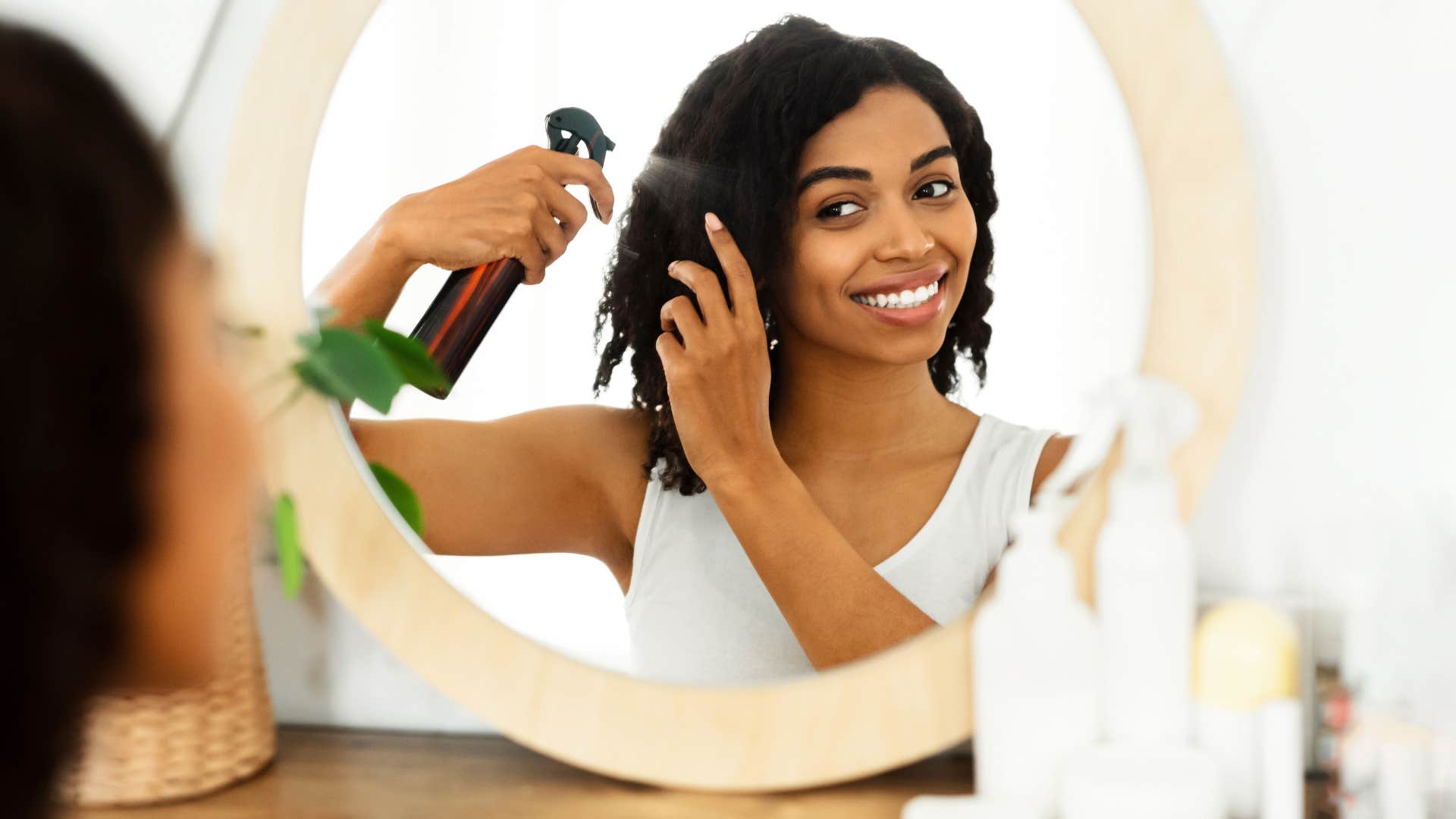
The goal was never soft, natural hair during the 1970s. Instead, people were spraying the heck out of their hair so it could withstand gravity at that point. With a night full of dancing ahead, they made to make sure their hair matched the dramatics of being on the dance floor.
Big hair was everything. It was meant to hold everything in place and you weren't really making a statement unless your hair was practically standing up straight. Both women and men alike wanted that look and didn't care how many cans of hairspray they had to go through to get it.
But nowadays, hairspray like this is just another of the odd things people found attractive in the 1970s that are pretty much avoided at all costs today. Sure, people will spray a couple of times to ensure their style holds up, but stiff is no longer the goal. People might want voluminous hair, but they want to be able to still run their fingers through it and not feel like they're wearing a helmet.
10. Handwritten phone numbers on arms
 Krakenimages.com | Shutterstock
Especially among teenagers and young adults, writing your phone number on someone's arms was a common sight back in the day. But today, people just pull out their smartphone for someone to put their number in when they need it.
That didn't exist back then. It was purely analog. It honestly made the moment that much more spontaneous when it came to writing down your number on someone's arm or hand. It meant you probably had to get home immediately before it smudged so that you could write it down and actually call that person.
There's something a bit romantic about it too, and even a bit intentional. It was a fleeting connection if you didn't act fast. No one is really walking around with a pen and holding out their hand for someone to write on in today's world. We're mostly just connecting on social media, especially since about 1 in 10 people don't even remember their own number, much less being able to remember someone else's.
11. Plastic couch covers
 fast-stock | Shutterstock
It wasn't just for practicality, but plastic couch covers were more of fashion statement during that time. Sure, they were promised to keep the couch looking spotless from all of the everyday occurrences that might ruin the fabric, but it was also about making sure the furniture was lasting for a good amount of time.
Families were able to entertain freely and not have to worry about their couches getting messed up. It did mean that people sitting on the couch had to actively avoid slipping and sliding around, but the plastic cover was still a point of pride for many people during that time.
People might go the extra mile to protect their couches in today's day and age, but the plastic covers are simply not the norm. Instead, people opt for a fabric cover that still allows the couch to feel comfortable without squeaking every single time you move on it.
Nia Tipton is a staff writer with a bachelor’s degree in creative writing and journalism who covers news and lifestyle topics that focus on psychology, relationships, and the human experience.
