
11 Small Luxuries Boomers Took For Granted That Feel Unreachable Now
 fast-stock | Shutterstock
 Boomers grew up in an entirely different world, and that's not surprising. Social norms, "traditional" values, and even the culture they existed within tend to change with each passing year and generation. However, the economy in which they started adulthood and crafted their lives is also long gone. Now, the average person is even struggling to purchase groceries, let alone homes and status symbols.
Especially considering that more modern Americans today believe financial comfort alone is harder to achieve, with most people arguing they'd need an income of nearly $850K to feel safe and secure, it's not surprising that the financial world in which boomers grew up is no longer achievable or accessible for younger generations. There are even small luxuries boomers took for granted that feel unreachable now for everyone, serving as a reminder of modern struggles and economic downturns.
Here are 11 small luxuries boomers took for granted that feel unreachable now
1. Ordering at a restaurant without checking prices
 Robert Kneschke | Shutterstock
Ordering at a restaurant without checking prices is one of the small luxuries boomers took for granted that feel unreachable now. Not only have restaurant prices and fast food options all grown more expensive in the last decade, but going out to eat at all has become relatively inaccessible.
Of course, today, people across all generations and age groups are eating out less frequently, largely due to affordability and financial constraints. It's not only about having the freedom to go out and eat whatever you please, because most people are forced to follow a strict eating routine and budget to ensure they have the money to pay their bills at the end of the month.
2. Changing the thermostat for comfort
 Halfpoint | Shutterstock
Even if it seems like a harmless daily task, being intentional with the temperature on your thermostat at home can actually save people a decent amount of money on utility bills. Even if it means tolerating a bit of discomfort at home, it's a necessity for many low-income households today to offset rising utility expenses.
Especially considering that many younger generations today are burning themselves out and working longer hours than their boomer counterparts at the same age, changing the thermostat is inevitable — of course, they'll choose to save money, especially when they're spending less time at home.
3. Going to the movie theater
 Marc Elias | Shutterstock
According to a LendingTree survey, nearly 80% of moviegoers argue that buying movie tickets and going to the theater is now a "luxury," with the average ticket price lingering around $35. It's no longer a casual, small luxury — as it was for boomers early in adulthood on a random weekend — but a large expense that often takes planning in the current economy to make space for.
Along with transportation and food costs, it's one of the small luxuries that boomers took for granted, especially in contrast to the financial reality of booking a theater seat today.
4. Watching everything with a single cable subscription
 Prostock-studio | Shutterstock
While the average boomer growing up could have purchased a single cable package to have access to all their favorite channels, sports teams, movies, and TV shows, today it's nearly impossible to achieve that kind of accessibility without purchasing multiple streaming platforms.
Now, with more households prioritizing cost over content when it comes to streaming services, it's almost undeniable that they'll miss out on something they want to watch because they don't have the right service or platform. It's a small luxury that boomers took for granted that feels unreachable now in our current media landscape today.
5. Sending letters without worrying about postage
 Prostock-studio | Shutterstock
With postage rates and stamp prices steadily increasing over the past few years, it's no surprise that more people than ever are relying not only on the convenience but also the affordability of online messaging over handwritten, mailed communication.
What once used to be a small, sentimental luxury to boost connection and relationships is now largely anxiety-inducing and financially annoying for young people today. They have less time to spend learning the process of mailing things, and also less disposable income to spend on writing and sending letters, amongst heightened postage rates.
While it's a relatively small part of our loneliness epidemic in modern culture, these financial and knowledge barriers around handwritten letters and mail take away a certain kind of sentimental connection from the average person's daily life.
6. Tailoring new clothes
 BearFotos | Shutterstock
According to a Levi Strauss & Co. survey, Gen Zers and millennials are more likely to repair or learn how to reinvent their clothing than other generations. While boomers often did or do tailor their new clothing, Gen Zers may avoid a professional service, whether that's due to a lack of knowledge about their existence or a cost barrier.
Alongside thrifting trends and other clothing shifts, it's no surprise that affordability often lies at the foundation of these collective habits among younger generations. Simply taking a random pair of jeans to the seamstress is a small luxury that boomers took for granted that feels unreachable now, especially as many older generations struggle to find the money to retire.
7. Putting their kids in extracurricular activities
 Rawpixel.com | Shutterstock
According to a Project Play survey, extracurricular activities, specifically team and recreational sports, are growing more expensive and inaccessible for the average family. Especially considering many young kids struggle to "make" school and "rec" teams in tryouts when they haven't been playing competitively or on travel teams, these extracurricular activities are becoming stratified by how much money their parents make.
Even after-school programs and activities, which are often reliant on how much free time a parent has for transportation, are small luxuries that boomers took for granted and feel unreachable now. Low-income kids are growing isolated from their peers and are struggling to make community, because their parents don't have the time or money to commit to extracurriculars.
8. Going to the doctor regularly
 antoniodiaz | Shutterstock
Around 60% of Americans are currently "very" or "somewhat worried" about the cost of healthcare today, according to a KFF survey. Not only is the burden of cost preventing them from seeking care and prolonging standard doctor's visits, but many people are also completely overlooking preventative care in their everyday lives because of financial struggles.
Whether that's getting vaccinations, getting regular checkups, screenings, or other preventative healthcare, they're largely pushing off going to the doctor because of insurance coverage or expense fears.
However, going to the doctor regularly or "just to check" are small luxuries boomers took for granted that feel unreachable now. Early in life or into mid-life adulthood, it might have been far more affordable for boomers to go to the doctor or to check in early, before problems became a larger issue, but today, with healthcare insurance changes and higher prices, that feels entirely unreachable.
9. Taking spontaneous trips
 PeopleImages | Shutterstock
Not only is last-minute travel with hotels and airfare more expensive today, but going on trips and taking vacations at all feels inaccessible for the average American. From struggling to take time off from work to not having the disposable income to throw toward a trip, these kinds of spontaneous vacations are small luxuries boomers took for granted that feel unreachable now.
While Gen Zers may be more "travel impaired" than other age groups, rising costs around travel and inconsistency with paid time off at work are affecting everyone.
10. Buying name-brand food and 'treats'
 Guillem de Balanzo | Shutterstock
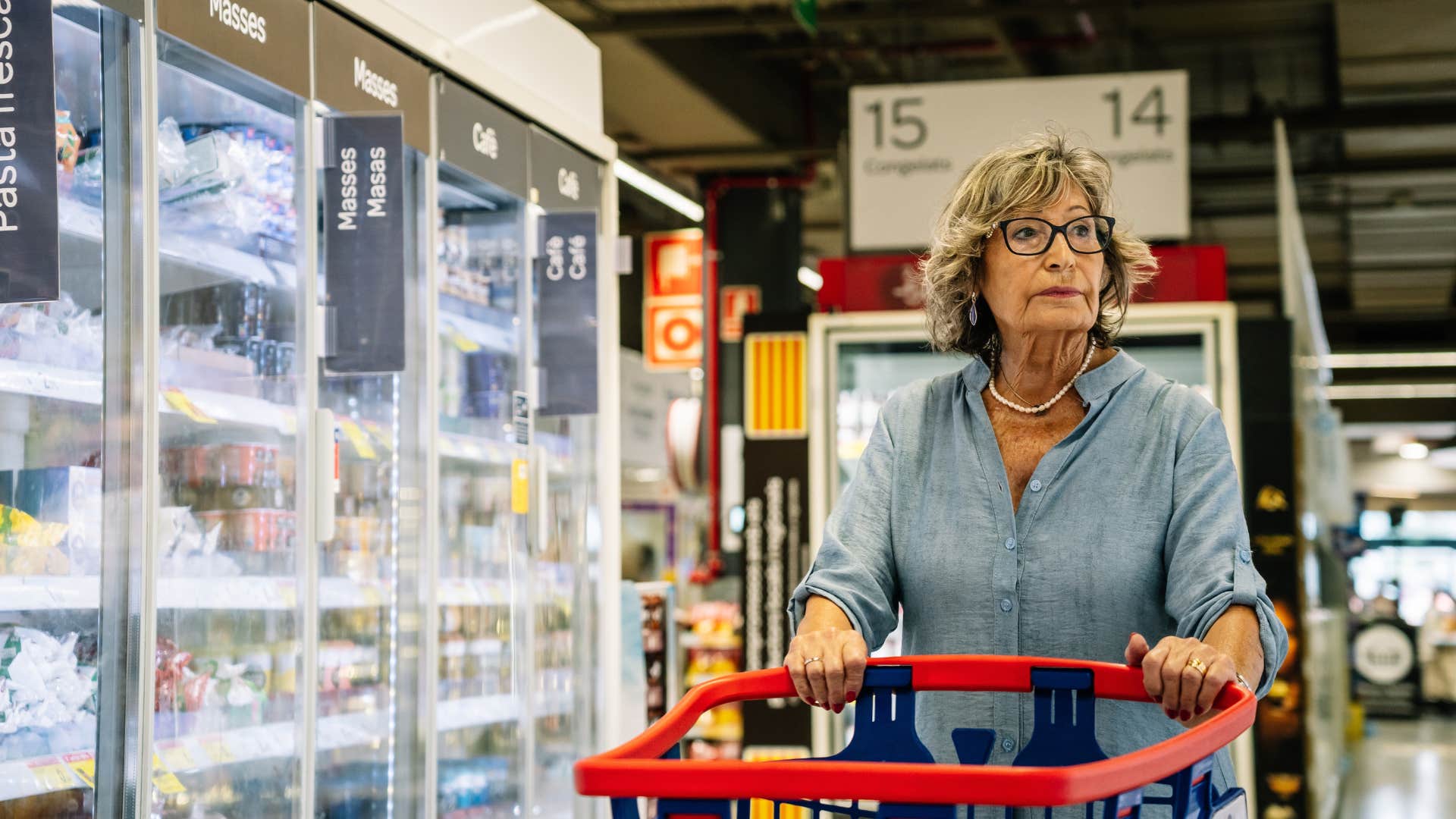
The average person today, struggling with rising prices and inflation, is forced to adopt a strict budgeting routine when it comes to basic necessities like groceries. They can't buy everything name-brand and go out to eat when they don't feel like cooking, because if they overspend, necessities like rent and utilities are put at risk.
Even fast food, which used to be the most accessible and convenient option for low-income households, is growing more expensive in the modern economy.
11. Buying new clothes and shoes
 Dasha Trofimova | Shutterstock
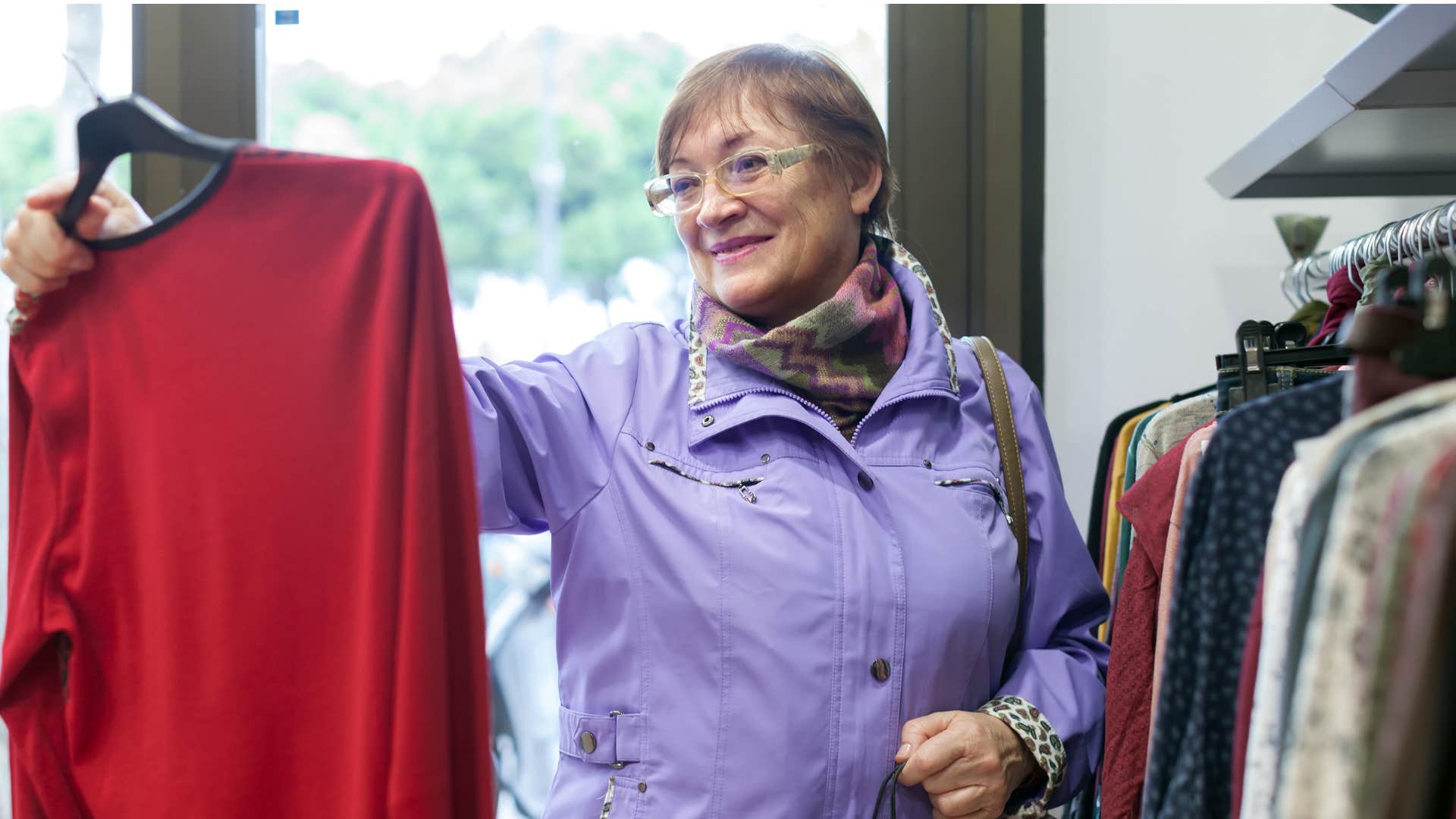
Buying new clothes is one of the small luxuries that boomers took for granted that feel unreachable now amid rising prices, inflation, and economic struggles. Even for people who try to justify spending more on high-priced fashion and luxury goods, experts suggest that quality is often no better than that of cheap, fast fashion items.
Many people today are forced to shop secondhand or at thrift stores when they need to replace clothing, mostly for affordability. They're too focused on paying for basic necessities like rent and groceries that clothing is often synonymous with debt.
Zayda Slabbekoorn is a senior editorial strategist with a bachelor's degree in social relations & policy and gender studies who focuses on psychology, relationships, self-help, and human interest stories.
