
If Your Mom Has These 11 New Habits, She's More Lonely Than She Admits
 Ground Picture | Shutterstock
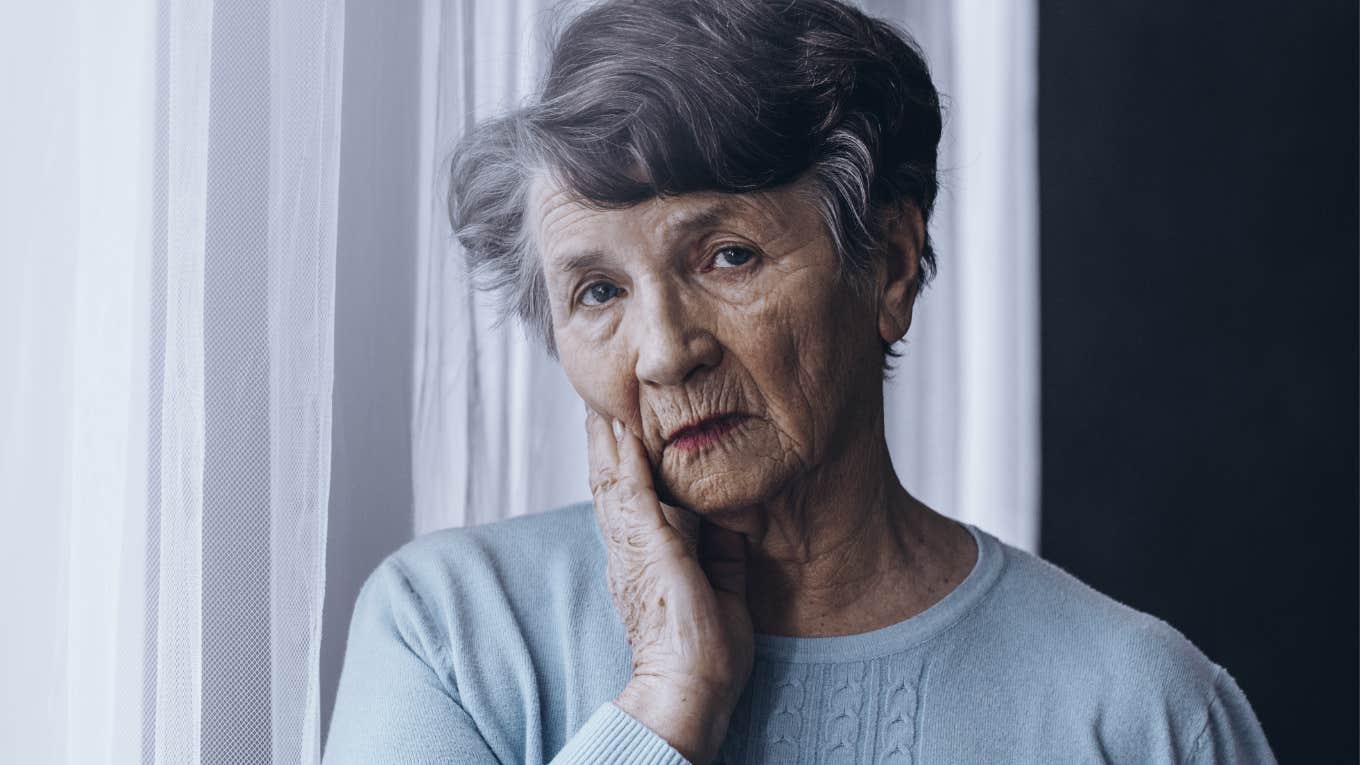
 Many mothers tend to lean into new identities after having children, both by choice to acquire feeling needed and out of obligation in their relationships and households. They start putting their own needs on the back burner and struggle to prioritize themselves, at the expense of their well-being and health, because they’re so focused on showing up for everyone else. However, when their kids grow up, move out, and they start aging, this identity can feel more like a burden of loneliness than an obligation.
That’s part of the nuanced reason why women tend to be lonelier than men with age, according to a 2023 study. While signs of their loneliness might be hard to catch, if your mom has these new habits, she’s more lonely than she admits. Whether it’s dealing with new seasons of life, aging, or disconnection from her kids, she’s struggling more than she lets on.
If your mom has these 11 new habits, she’s more lonely than she admits
1. She starts running errands every day
 Guillem de Balanzo | Shutterstock
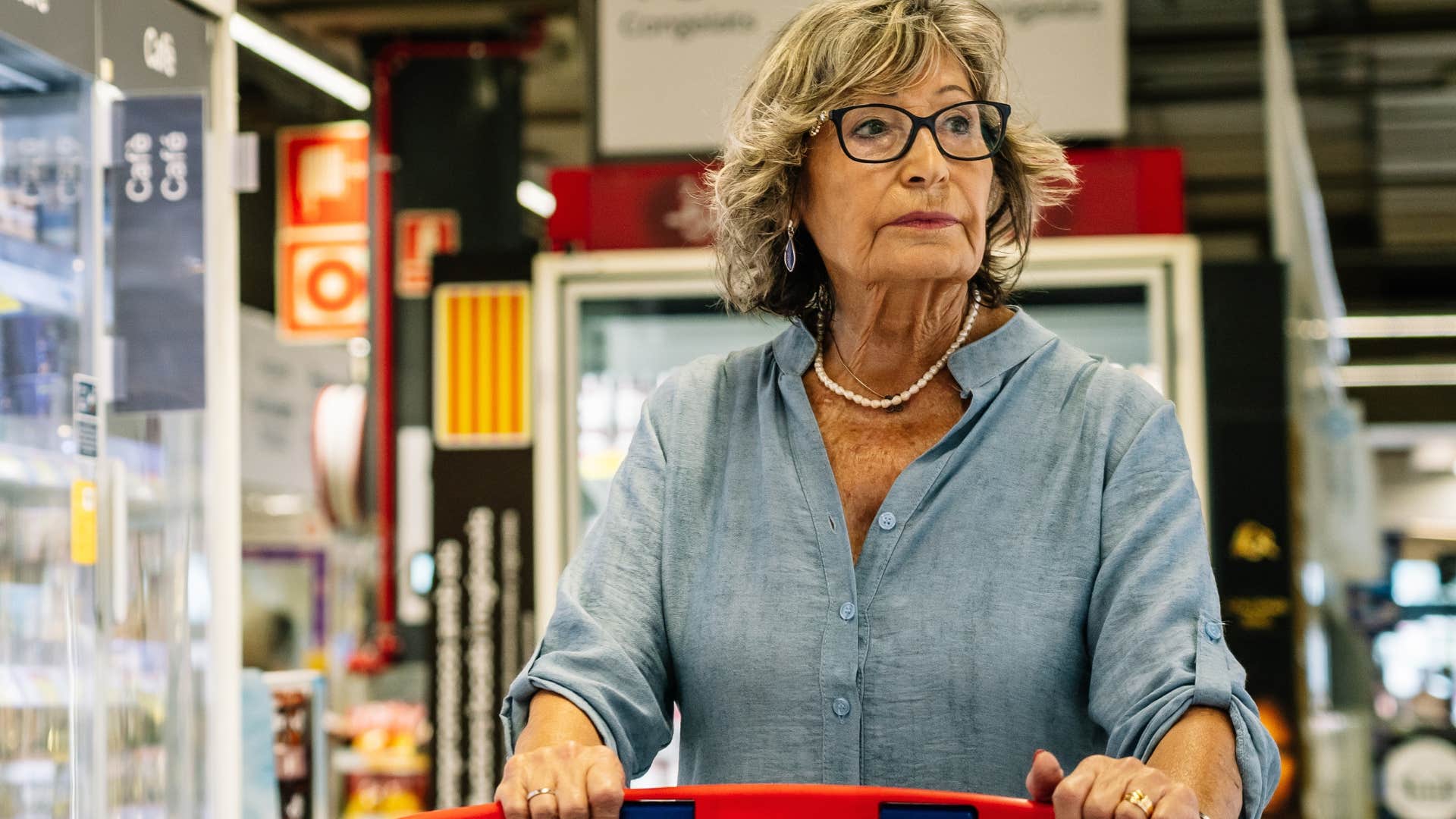
Instead of saving time and money on transportation, women who are experiencing loneliness may choose to run errands one at a time to increase their social connections and casual interactions. Considering more than 1 in 3 adults are lonely as they age, according to a University of Michigan study, these habits they use to cope can be diverse and nuanced.
Even if it seems silly to their adult kids who don’t have a lot of free time to spare or work to build up their alone time over necessary social interactions, casual conversations with strangers while running errands can actually boost our mental health and general well-being.
So, if your mom has this new habit, usually to talk with service workers and get out of the house, she’s more lonely than she admits.
2. She keeps the TV on all the time
 Krakenimages.com | Shutterstock
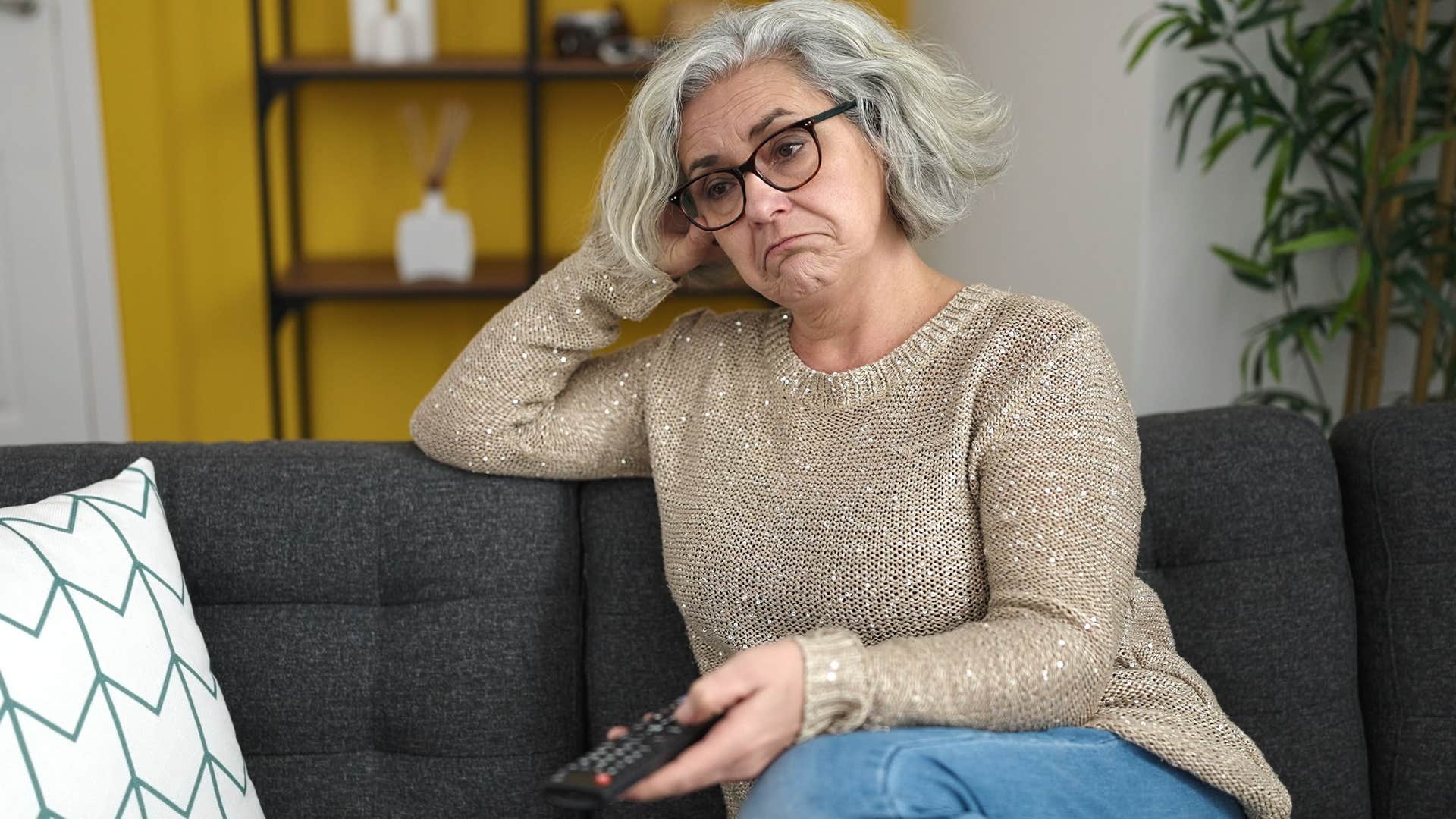
Whether she’s getting ready in the morning or trying to fall asleep at night, if your mom leaves the TV on all the time, she’s more lonely than she admits.
According to a study from The Gerontologist, many aging people cope with their loneliness by watching TV and leaving it on to fill the quietness of their routines. If they don’t have a lot of guests or people around to bring life to their home, their TV is the next best option.
3. She cleans obsessively
 Krakenimages.com | Shutterstock
Women who spend a lot of time cleaning, especially before going to bed and during the quieter parts of the day, may be coping with loneliness that they haven’t shared with anyone else. It’s simply a distraction from the struggle with loneliness they’re dealing with at home, and a means to avoid the quietness and stillness that comes from lingering in it.
While this avoidance strategy may offer a fleeting sense of control and security for these women at home, it only amplifies the stress and emotional turmoil they’re already facing by urging them to suppress complex emotions, as a study from the Journal of Consulting and Clinical Psychology explains.
4. She spends more time on her phone
 DimaBerlin | Shutterstock
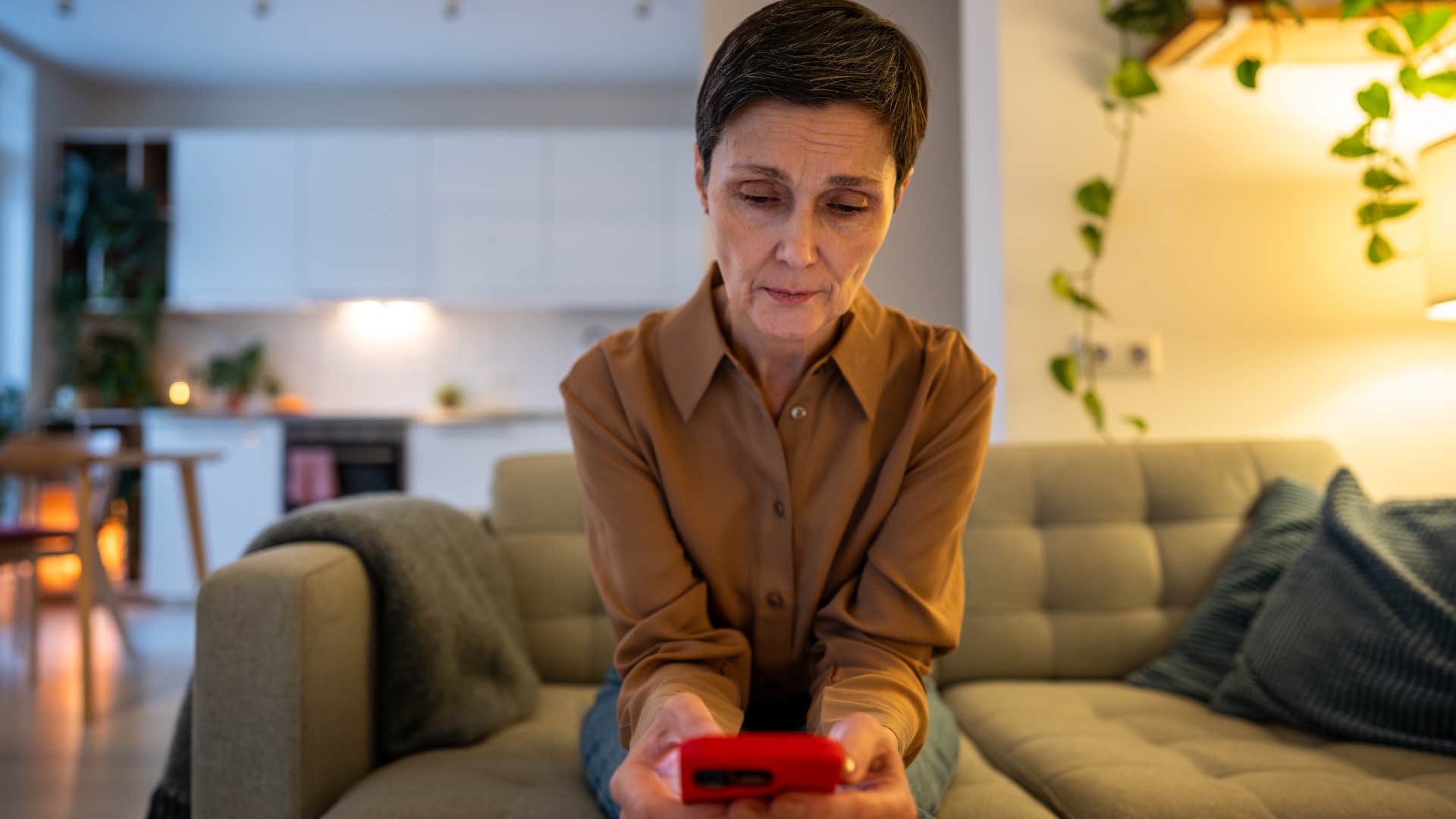
From digitally communicating with loved ones, as a study from the American Medical Association argues is often a coping mechanism for people with loneliness, to spending more time doomscrolling on social media for a distraction from inner turmoil, if your mom has these new technology habits, she’s more lonely than she admits.
Another study from Aging & Mental Health also found that women tend to make more calls than men as they get older, suggesting that they use their phone as a crutch for isolation to a greater extent.
While phones can certainly connect disconnected adults to online communities, families, and social circles, too much screen time can often be a sign of avoidance and distraction that’s not doing them any favors in the long run.
5. She stays up later than normal
 Pixel-Shot | Shutterstock
Many people struggling with loneliness later in life experience a shift in their sleeping habits, usually in opposing ways to the natural shift that happens with age. While older people tend to go to bed earlier and wake earlier in the morning, people struggling with loneliness may stay up later to avoid the quiet time that bedtime often calls for.
Not only are they usually sleeping less, but they’re also getting a worse quality of rest every night, according to a study from Sleep.
6. She tries to keep a full schedule
 VH-studio | Shutterstock
While maintaining a specific schedule and being intentional about upkeep with social interactions is important to cope with loneliness, if someone is using busyness as an avoidance ritual for alone time, it could be more insidious than it seems.
Of course, alone time is important for our well-being in balance, so if an aging adult is sacrificing all of this solitude to distract themselves with random parties, errands, and conversations, they might be struggling more with loneliness than they let on.
7. She becomes overly invested in other people’s lives
 Krakenimages.com | Shutterstock
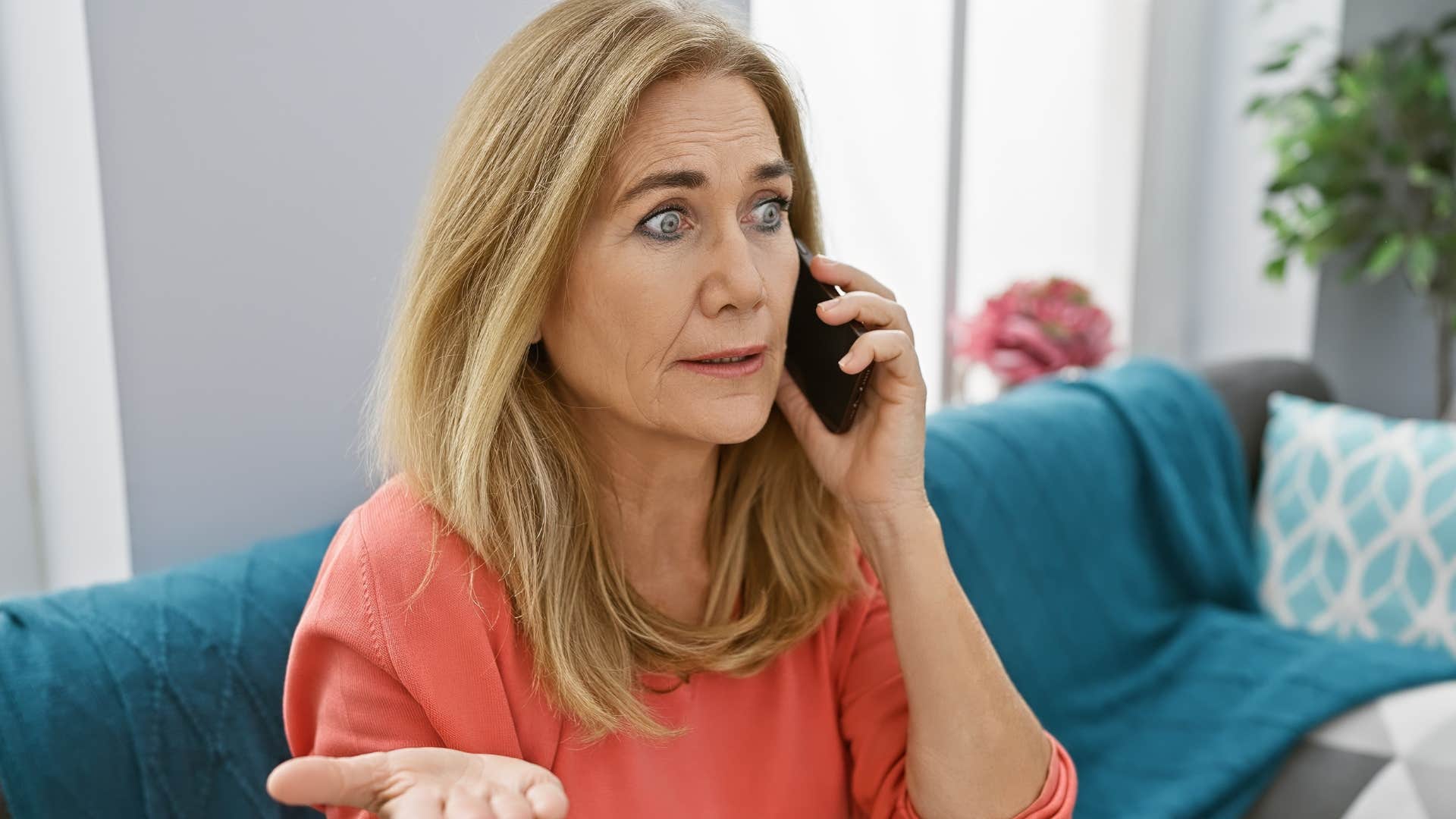
Whether it’s a new reality show on TV or drama from their neighborhood that offers a sense of community and belonging, if your mom has these new investments in other people’s lives, she may be more lonely than she admits.
They’re so focused on meaningful connections and conversations that they’re seeking them out in unsuspecting places. While this habit isn’t always a bad thing, if it’s straining relationships and encouraging parents to overuse coping mechanisms like screen time or surface-level interactions, it can amplify their inner turmoil.
8. She’s always worried about being a burden
 Chay_Tee | Shutterstock
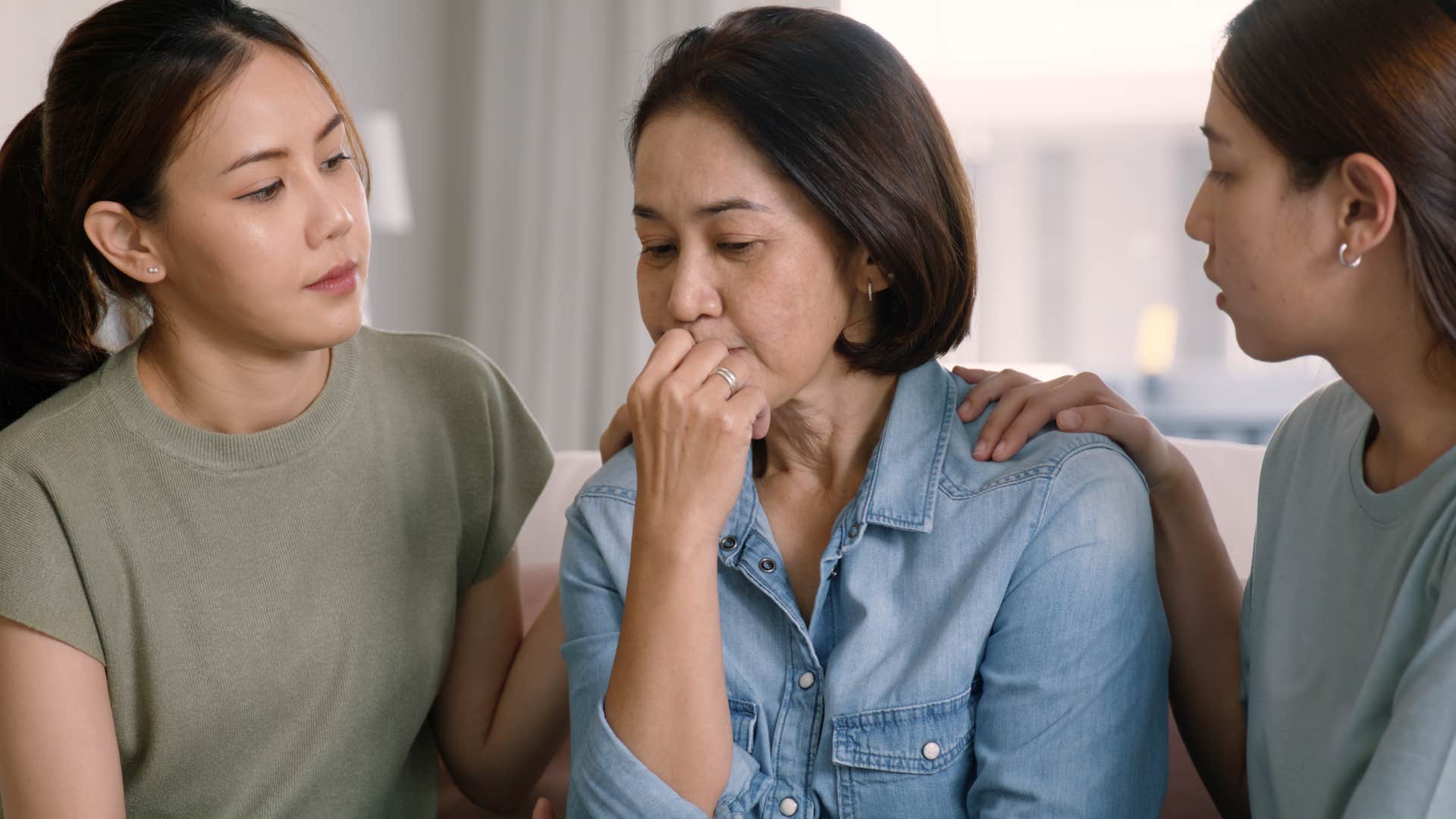
Mothers, who spent most of their adult lives caring for other people and putting their own needs to the side, may still struggle with fears of being a burden as they age. So, if your mom has new habits or phrases like “I don’t want to worry you,” there’s a chance she might be more lonely than she admits.
Especially if her loneliness and isolation have sparked other mental health struggles like anxiety, the fear of being a burden may come with the territory, as a study from Aging & Mental Health suggests.
9. She dismisses her own feelings
 Gladskikh Tatiana | Shutterstock
Especially when her kids are around, a lonely mom may resort to pushing her own needs to the side — dismissing her feelings and minimizing her problems to avoid feeling like a burden.
However, according to a Stanford Report, asking for help can actually bond people closer together and help to cultivate the feelings of being “needed” that they look for themselves. Even if it’s uncomfortable at first, like it is for most people, it’s these interactions that support more balanced, healthy family relationships.
10. She apologizes more often
 Srdjan Randjelovic | Shutterstock
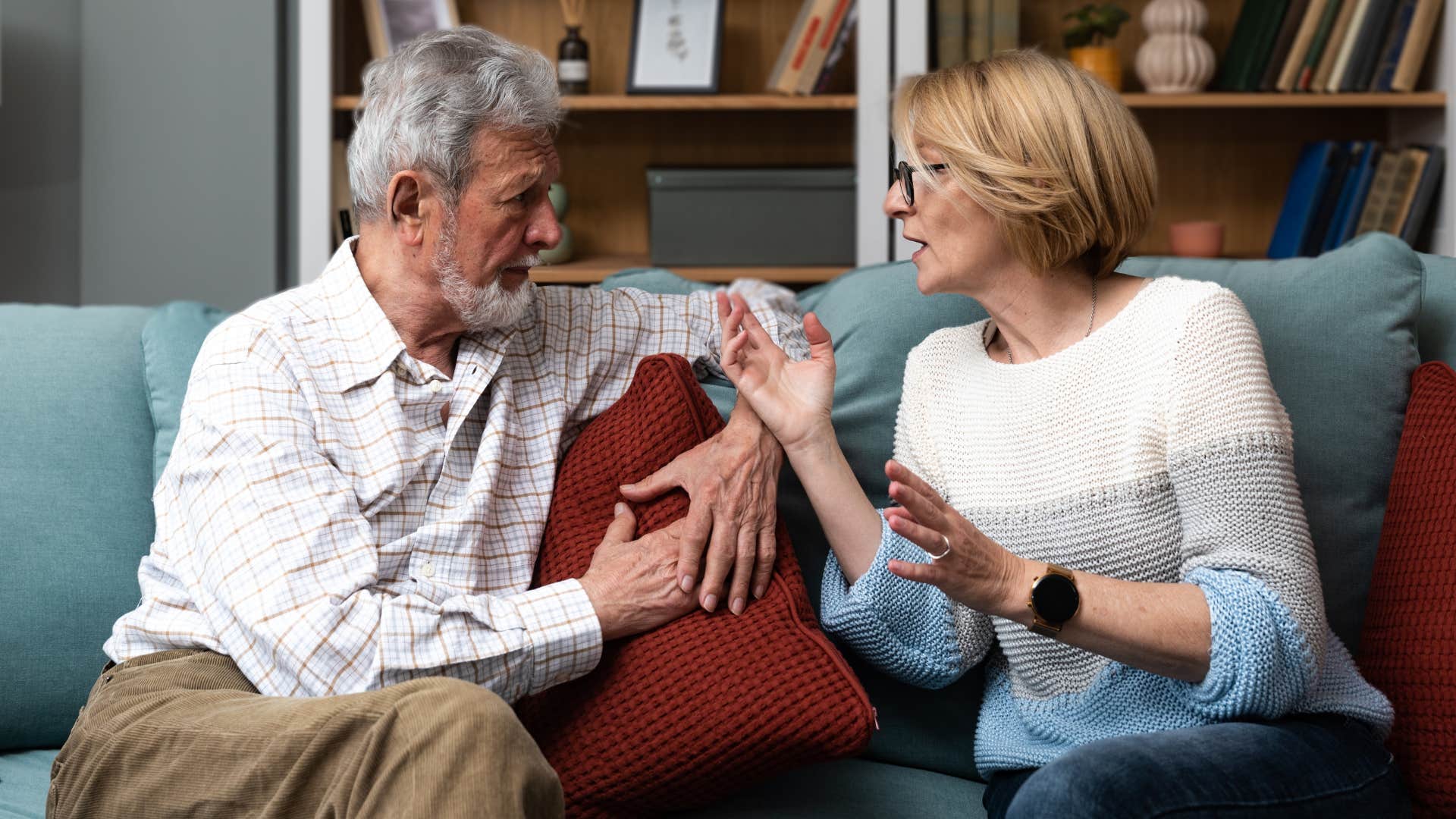
Even if their primary objective is to avoid being a “burden” to their adult children, lonely mothers who over-apologize to cope with emotional turmoil may be creating more obligations and emotional burdens for their kids, at least according to clinical psychologist Greg Chasson.
They’re simply trying to cope with feeling anxiety or loneliness inside, but these constant apologies urge their families to lean into reassurance without having space to express concerns themselves.
11. She stops by unannounced
 wavebreakmedia | Shutterstock
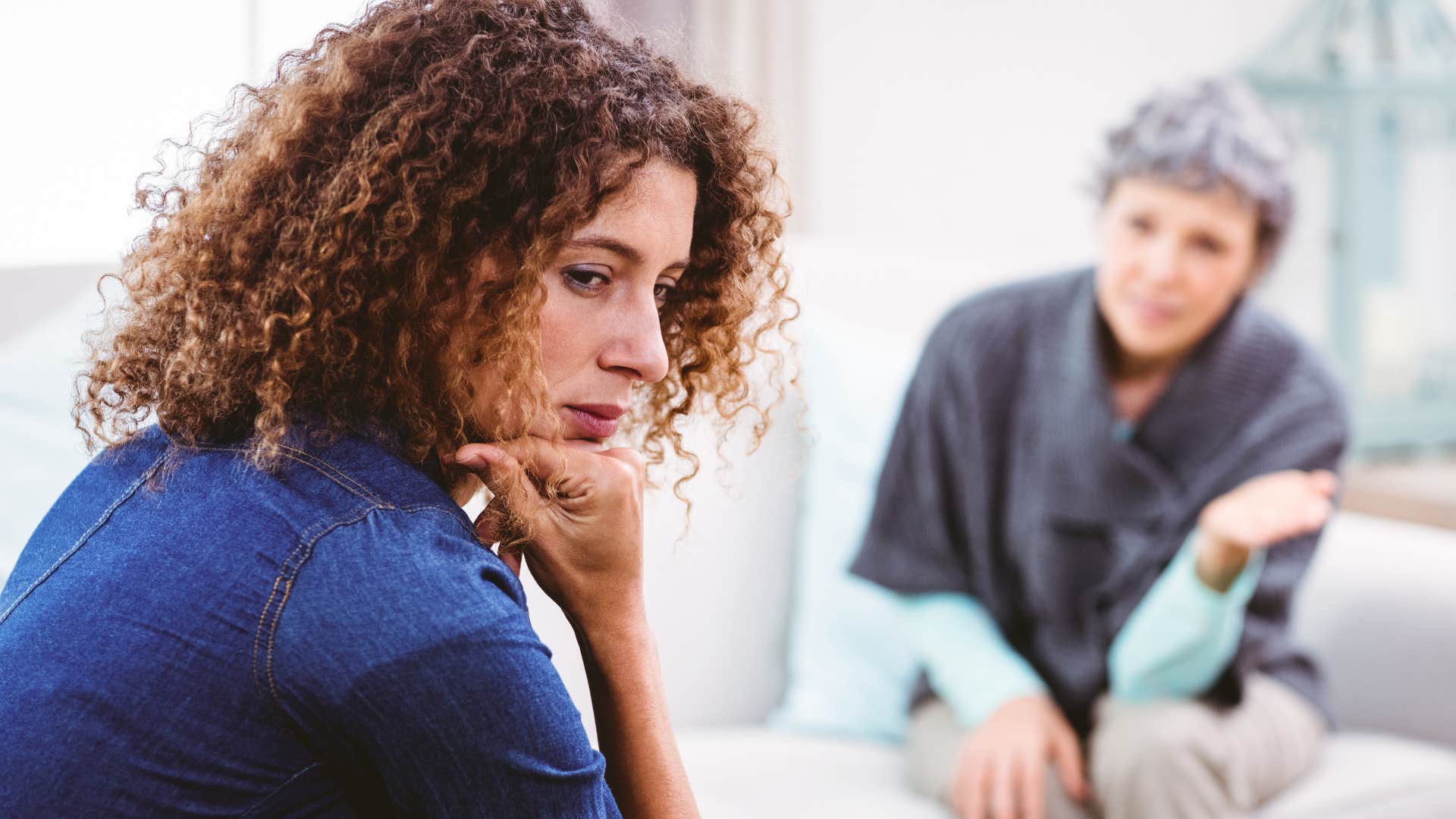
Even if it’s silently overstepping boundaries, if a mom stops by more often unannounced, she may be coping with loneliness that she hasn’t been able to express. Whether it’s friends or her adult kids, she’s trying to cope with social isolation with conversations and interactions, even without a text or warning first.
Sometimes, this kind of behavior can cultivate a fleeting sense of comfort through avoidance of isolation, but usually at the expense of trust and connection with their kids.
Zayda Slabbekoorn is a senior editorial strategist with a bachelor’s degree in social relations & policy and gender studies who focuses on psychology, relationships, self-help, and human interest stories.
