
People Who Avoid These 10 Things Before Bedtime Sleep 98% Better Than Everyone Else
 fast-stock | Shutterstock
 Sleep is not only good for your health, but also your happiness. But if you're not sleeping right or getting a full night's rest, you're going to feel tired and groggy and may have a host of other health issues. When you're wondering why you can't sleep, it's best to take a look at your habits before you lay your head down for the night.
Whether it's over-the-counter sleep aids or not putting their phone down, people who avoid these things before bedtime sleep better than everyone else. And while many people are guilty of bad sleep habits, some of the real culprits are easy fixes, whether it means adjusting the thermometer or just eating better.
People who avoid these things before bedtime sleep 98% better than everyone else
1. Caffeine
 Hananeko_Studio | Shutterstock
Caffeine is a stimulant, and while you may also believe caffeine doesn't affect your sleep, that's not true. Caffeine can stay in your system for a long time (up to 12 hours), and even having caffeine a few hours before bed can disrupt your body's natural timing.
Additionally, caffeine impacts your adrenal glands. If you reach for caffeine upon waking, your adrenals (which produce cortisol) become sluggish over time. If nothing else, wait on the caffeine (about two hours) after you wake up to allow those adrenals to get going first. If sleep is a huge problem for you, eliminate it for a while and see what happens.
2. Carbohydrate or sugar-heavy foods
 Stock-Asso | Shutterstock
People who avoid foods that are heavy in sugar or carbohydrates before bedtime sleep better than everyone else. Because if you eat sugar or drink these things before bed, you'll experience a spike and then a dive in blood sugar. Then, your adrenaline will kick in and wake you up.
If you're finding yourself hungry before bed, instead of reaching for a salty, carb-heavy, or sugary snack, reach for protein instead. If you wake up in the middle of the night, have a small protein snack or talk to your doctor about taking l-glutamine supplements, which are synthetic amino acids to help you get better rest.
3. A cluttered bedroom
 Wayhome Studio | Shutterstock
Is your room a place of solitude or a catch-all for everything? Is it a relaxing place or is it chaotic or even stressful? Do your clothes have a "home?" Are your shoes everywhere? When you're unable to get a good night's rest, it may have something to do with the clutter around you.
To combat this, straighten out your environment, put clothes where they belong, tuck your shoes away, and turn your bedroom into a haven for sleep. Your bedroom should be a place for sleep only, not a fashion runway.
4. An uncomfortable bed
 gpointstudio | Shutterstock
Many people choose to sleep on a couch or recliner because their beds are so uncomfortable, but they don't consider getting a new mattress. Unfortunately, sleeping on an uncomfortable bed can greatly affect sleep quality. According to certified sleep coach Lauren Fountain, "A bad mattress can cause discomfort, making it more difficult to fall asleep and potentially leading to multiple nighttime awakenings. In turn, poor sleep quality has effects on your physical and mental health."
If you can't afford a new mattress, get a memory foam mattress topper. Additionally, consider your bedding and pillows. You don't need dozens of sheet sets; all you need is to splurge on one comfy set of sheets you can wash and reuse. For pillows, there is a difference between a $5 pillow and a $75 pillow, so keep your comfort in mind.
5. Too much light
 Impact Photography | Shutterstock
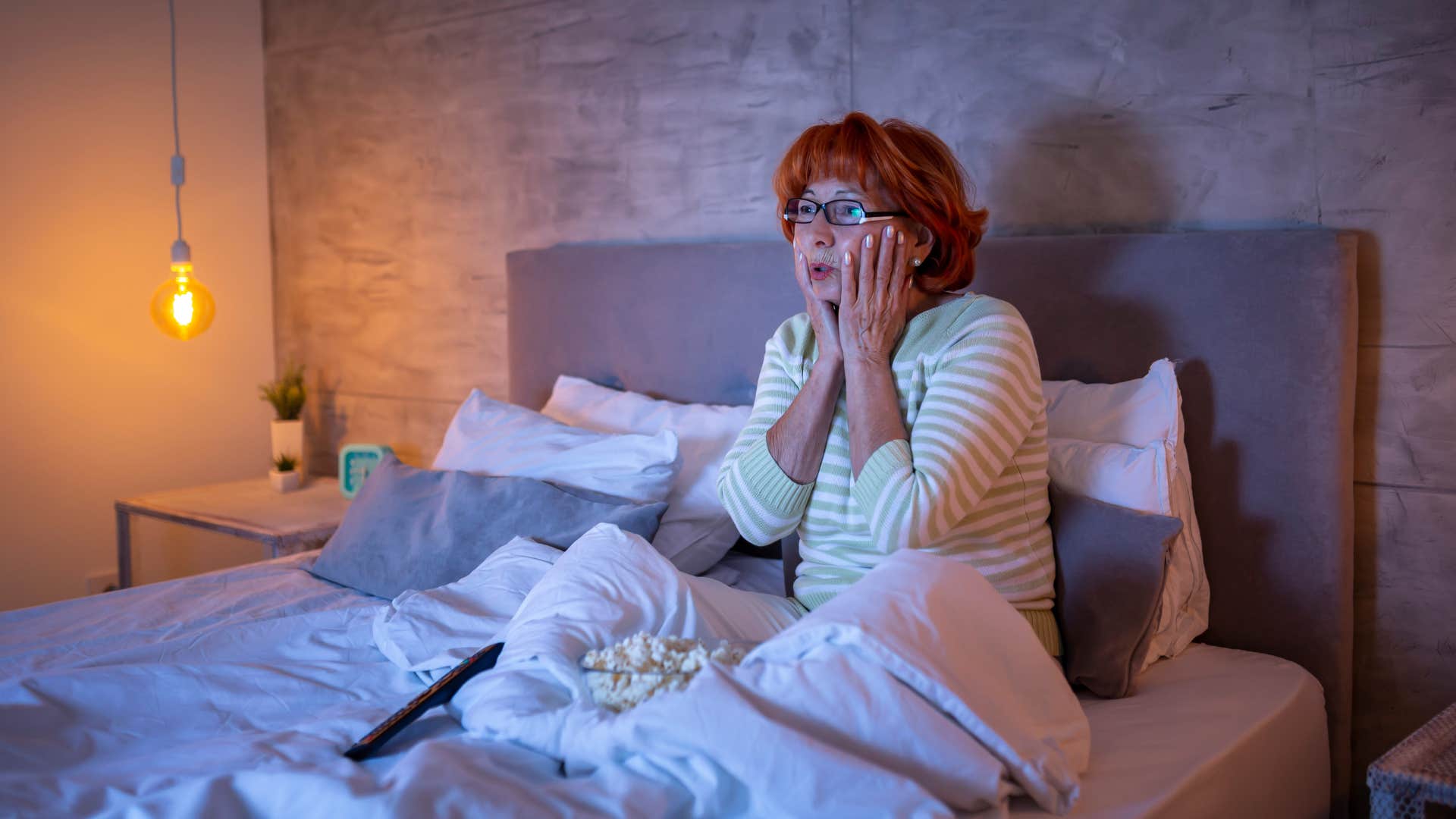
Before bed, avoid subjecting yourself to too much light, especially in your bedroom. Blue light suppresses the production of the sleep hormone melatonin more than any other light source. And green lights aren't much better, suppressing melatonin about half as much as blue lights.
So, it's very important to eliminate as much light as possible in your bedroom to give yourself a better chance of falling and staying asleep. Blue light can come from all sorts of things like phones, night lights, TVs, computers, or even bright lights outside your windows.
6. Screen time
 Krakenimages.com | Shutterstock
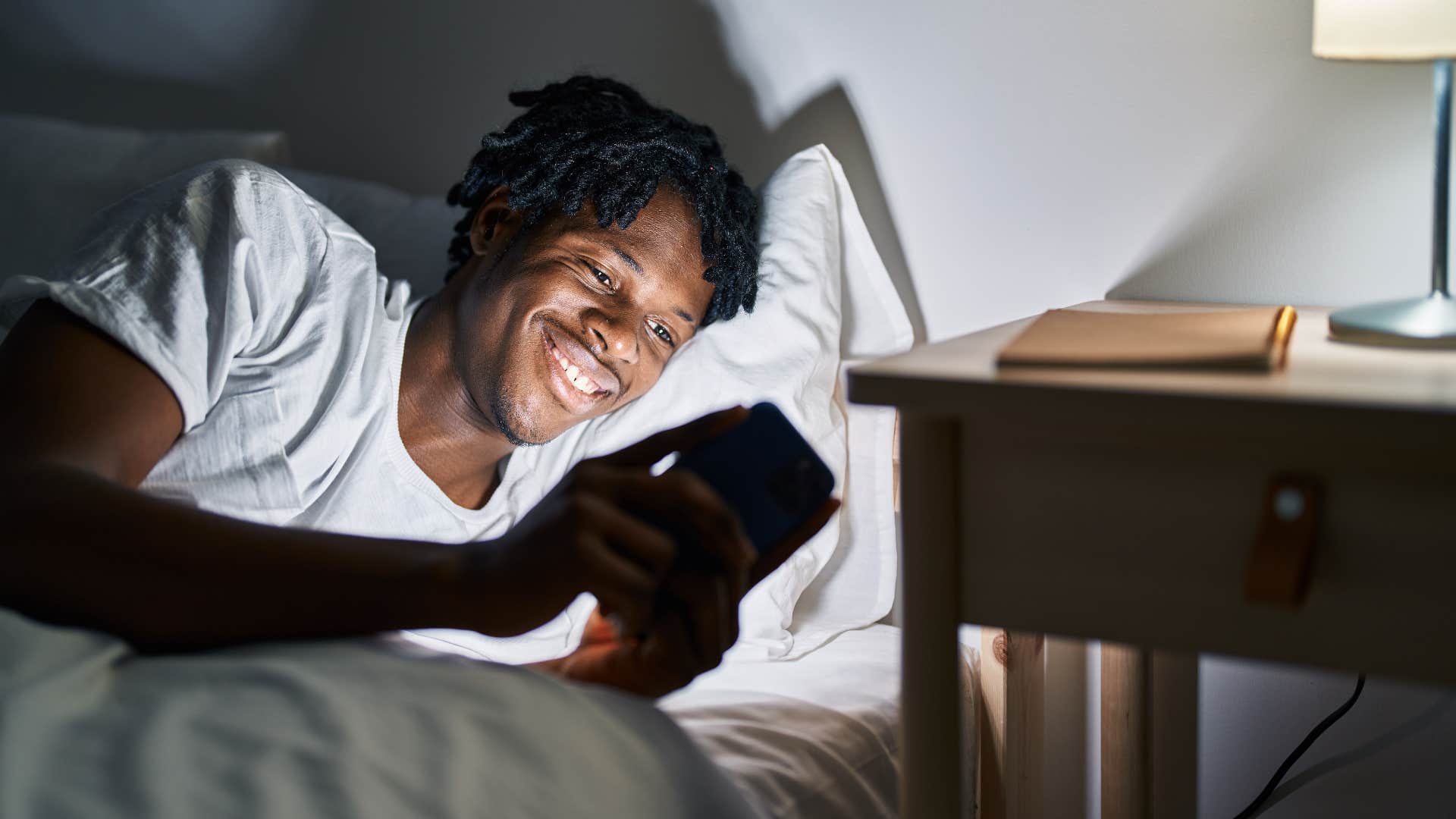
According to a study from PLOS One, using a cellphone before bed can negatively affect sleep quality. This bad habit can increase the chance of insomnia, promote being unproductive during the day, and may even take a toll on well-being and happiness. But people who avoid these things before bedtime sleep better than everyone else, and it's all because they understand their circadian rhythm.
All screens interrupt your natural circadian rhythm AKA your sleep-wake cycle. They also interfere with serotonin production, which means less melatonin. Additionally, using technology or TV while in bed causes you to go to bed later and keeps your brain from shutting down due to stimulation.
7. Loud noises
 Tero Vesalainen | Shutterstock
Noise can disrupt your sleep, particularly during certain sleep phases, and most significantly during the "beginning" sleep phase. Noise can also impact your REM sleep, prevent you from falling asleep, and can wake up after you've finally gone to bed.
Before bed, take a minute to lay down with everything off. What do you hear? Perhaps a ticking clock, the dog making sounds, TV (even in the other room), and potentially your partner snoring. Try and eliminate the sounds that you can, and for anything else, you can use a sleep conditioner, like white noise or a fan.
8. A hot environment
 Stokkete | Shutterstock
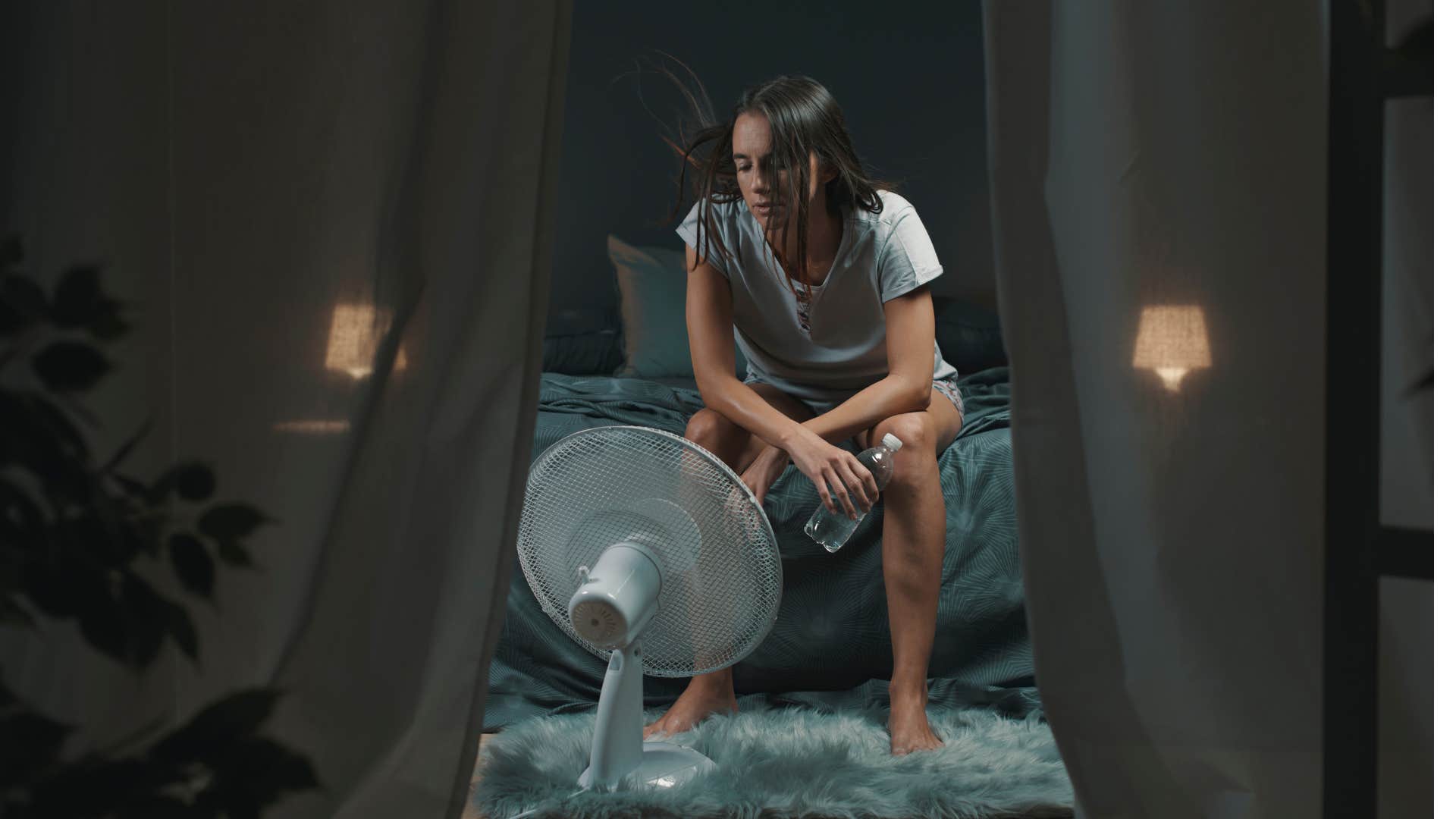
You're more likely to sleep easier in a cooler environment. In fact, one study published in the Journal of Physiological Anthropology determined that the ideal temperature is about 65 degrees Fahrenheit. But according to sleep experts, the best temperature for sleep is anywhere between 60-67 degrees.
Maybe your partner enjoys sleeping hotter and needs a fan, while you prefer something cooler. Consider investing in a heated mattress pad to regulate different temperatures on each side of the bed.
9. Exercise or other stimulating activities
 PeopleImages | Shutterstock
If you think about some of the bedtime routines you have around sleep, what comes to mind? Probably brushing your teeth, washing your face, and taking supplements. But in addition to that, people who avoid exercise or strenuous activity before bedtime sleep better than everyone else
When you exercise too close to bedtime, you won't be able to turn your adrenaline down enough to get you to sleep. So, in order to keep a consistent bedtime and wake up each time, even on the weekends, exercise at least four hours before bedtime.
"Exercise helps calm anxiety and depression, and helps the mind relax in preparation for sleep... However, experts caution that vigorous exercise within one hour of bedtime does not allow time for core body temperature to cool. This may delay sleep, affect sleep quality, and lead to more nighttime awakenings," internal medicine physician Anis Rehman, MD explained.
10. Over-the-counter sleep products
 fizkes | Shutterstock
While people may use sleep products to help them fall and stay asleep, they may be doing more harm than good. Taking over-the-counter sleep aids or prescription aids often cause dependency issues, which means you might have trouble sleeping without them.
As sleep expert Dr. Lawrence Epstein revealed, "People develop a dependence on them. When you take them away, they get a temporary withdrawal reaction and can't sleep. But they think it's because they need the drug to sleep." Instead, try natural remedies like essential oils, Epsom salt baths or foot soaks, magnesium supplementation, or taurine.
Dr. Teralyn Sell, PhD is a psychotherapist, author and podcaster focused on helping individuals and families overcome life's obstacles. She has been featured in Forbes, Woman's Day, and Healthline, among others.
