
People Who Never Think They Have Enough Money Usually Have These 10 Frugal Habits
Save money like a frugal person by adopting these habits.
 LightField Studios / Shutterstock
 Did you ever notice how some people seem downright paranoid about their finances? I used to be one of them until it (quite literally) broke me. It’s true. People who never think they have enough money usually have frugal habits that end up costing them more money than they would lose otherwise.
While a lot of the behavior that I picked up during my moments of “never enough” wasn’t good, there were some money-saving hacks I still swear by. These frugal habits can save you tons of money in the long and short term.
People who never think they have enough money usually have these 10 frugal habits
1. Bento boxing
 Indah Lestari via Canva
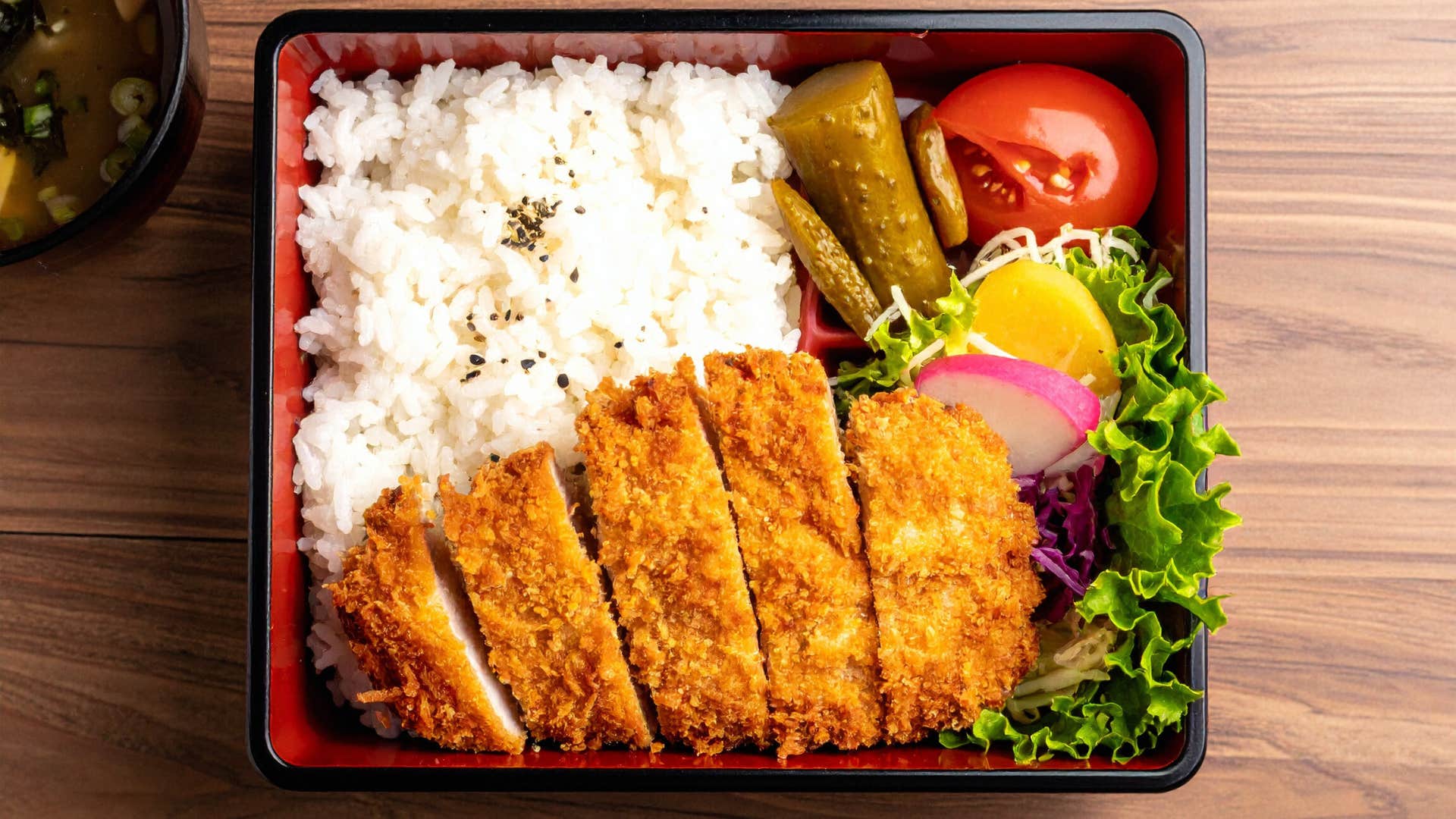
Did you ever wonder how Japanese people stay slim, healthy, and keep their food budget-friendly? They use bento boxes, which are lunchboxes that are portion-appropriate, traditionally prepped at home, and delicately arranged to be as appetizing as possible. In other words, they’re meal prep on nitro.
I’ve started to do my own bento boxes at home for my whole family, featuring traditional Japanese, Korean, and Chinese recipes. Prepping meals with that extra presentation effort dissuaded us from ordering takeout, even when we’re not at work!
2. Car pooling and using public transit
 AndreyPopov from Getty Images via Canva
Love it or hate it, these two travel options are popular for a reason. Both car pooling and mass transit offer you a way to get to a destination while paying only a fraction of what it would cost to use your own car.
If you live in an area where you have a train or subway, don’t shy away from it. Many New Yorkers rely on trains to get where they need to go because they work.
3. Avoid online shopping
 Aflo Images via Canva
If you’re like me, you tend to be a sucker for a good online sale. Prime Day, for example, seemed to have a death grip on me for a minute. As it turns out, there may have been a reason for that. Websites are actually designed to make you spend more, and so are their email ad campaigns.
Designers and marketers are good at this, too. Over 70% of people have made an online purchase they didn’t intend to make. The easiest way to avoid this is to not doomscroll online or browse online marketplaces. Shocker, right?
4. Avoid hanging out with big spenders
 filadendron from Getty Images Signature via Canva
We all know how certain crowds can get, right? For some people, the weekend is the perfect time to blow hundreds of dollars at the club, their favorite restaurant, the local outlet mall, or on something else. Those folks can be fun to hang out with, but they do a number on your wallet.
We tend to turn into the people with whom we spend the most time. Think about how they spend their money. Is that what you want for yourself? If you want to be stuck in a “fast money, fast spending” season 24/7, then go for it.
5. Staying off social media
 Prostock-studio via Canva
While we’re talking about hanging out with the right crowd, let’s talk about the other side of the social circuit that changes your spending habits and self-perception. Social media is just not good for most people.
The way it’s designed insidiously makes you feel competitive. You start to compare yourself to everyone, which makes you want to buy flashy stuff because the fear of missing out is something awful, which ruins your wallet. It’s a vicious cycle. That’s why quitting social media tends to improve finances.
6. Sticking to generic
 Aflo Images via Canva
Generic brands are a great buy, often because they are cheaper than name-brand items while still being identical. Major stores like Trader Joe’s are known for buying extra portions of name-brand items to slap their own generic brand on.
Buying the same product from Trader Joe’s can save you hundreds or thousands over the course of months or years. Best of all? You don’t have to panic about the flavor being too different.
7. Sticking to a minimalist wardrobe
 pixelshot via Canva
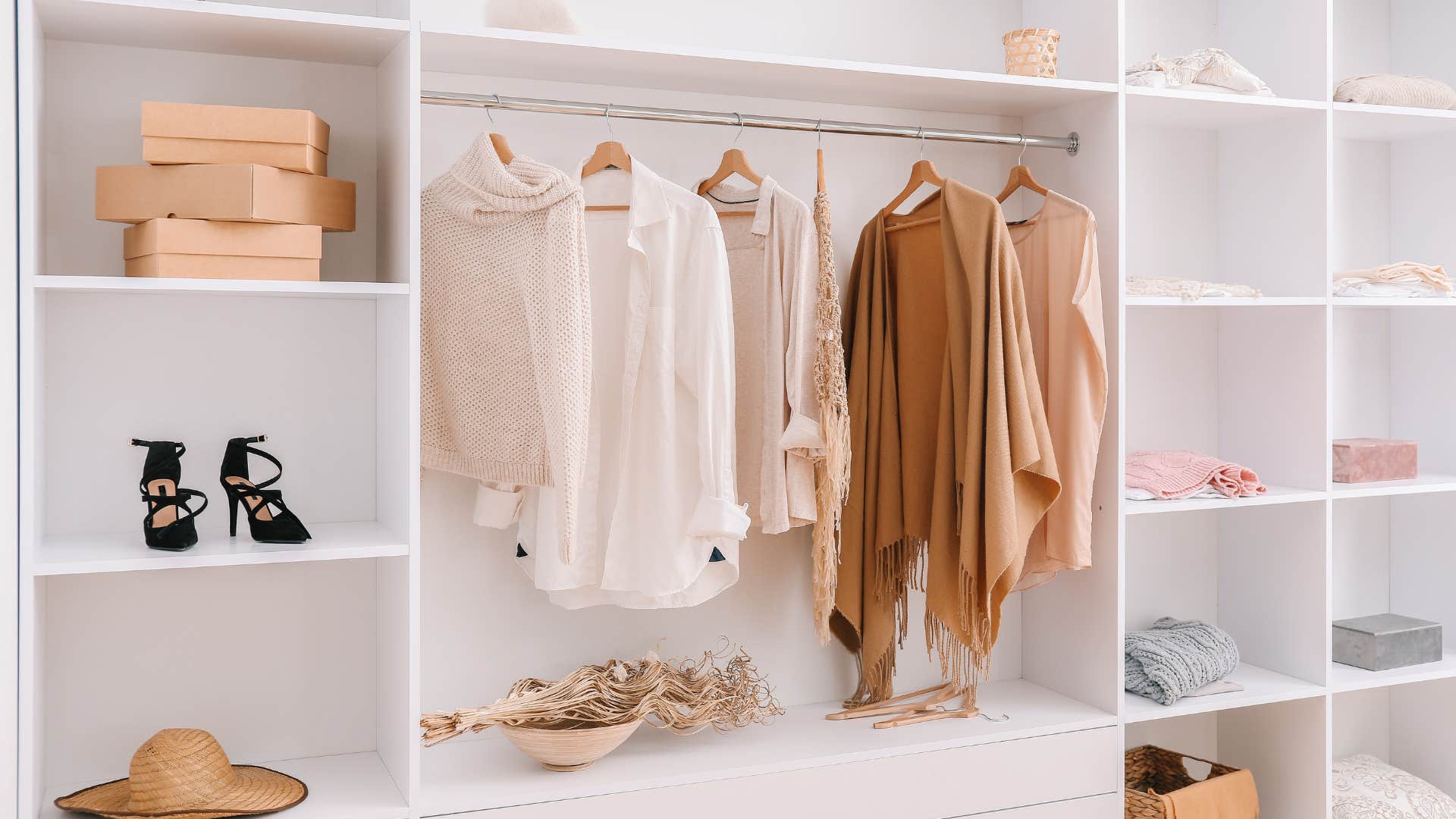
If I weren't a model, I wouldn’t have all the crazy outfits I do in my wardrobe. Minimalism isn’t just a trend. It makes it easier than ever before to mix, match, and still look put-together in a pinch.
Minimalist wardrobes usually include a bunch of staples, plus a few all-occasion statement pieces. Minimalist is versatile. It’s classy. It makes it a cinch to use the same wardrobe items for almost any occasion.
8. Knowing when frugality has its limits
 Karola G from Pexels via Canva
Let’s be honest. Traditional frugal tips will tell you to take the train to a destination rather than pay the tolls, all while ignoring the extra hours it puts on your schedule. Does it make sense to waste that amount of time on travel? More often than not, the answer is no.
There is a certain point when it makes less sense to be frugal than it does to pay extra. You have to make the call, though. I can’t make that call for you.
9. Buying in bulk
 Leung Cho Pan via Canva
There’s a reason why Costco and Sam’s Club have become so popular these days. It’s not just the tasty hot dogs or whatever Sam’s Club has. The truth is that the skyrocketing inflation has gotten people to get more on board with bulk-buying, which has long been a classic way to save money.
While this is still more common with businesses than it is with people, the truth is that people are now choosing staples to buy in bulk. Heck, even AARP has a guide on it!
10. Getting items used or thrifted
 Artist via Canva
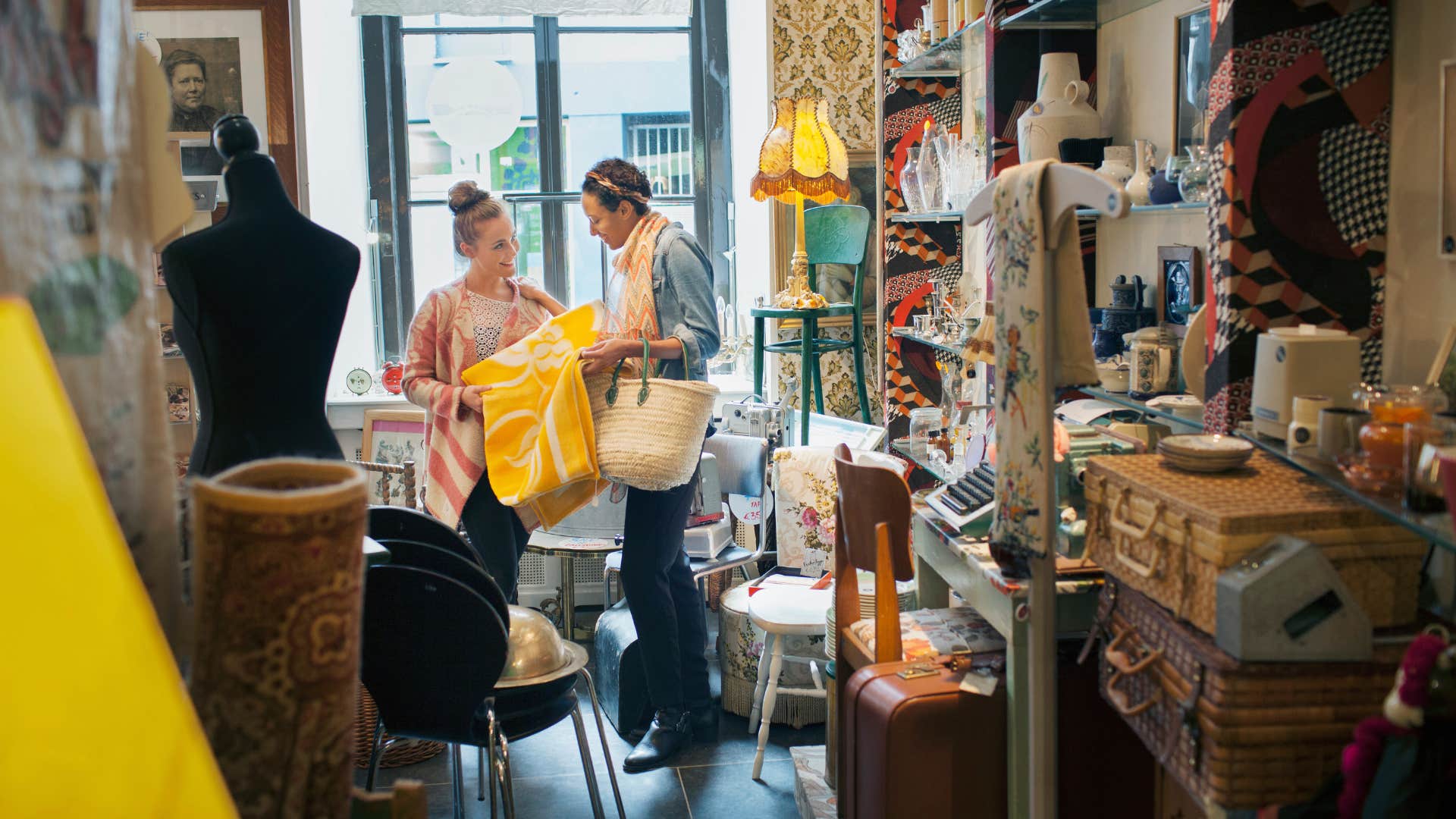
Thrift stores let you wear your granddad’s clothes and look incredible doing it, all for a low price. While thrifting has gotten a little bit tougher these days, the truth is that you can still save tons of money on high-end clothes by getting them secondhand.
If you’re willing to go further than clothing, you might want to snag other items on sale, too. For example, gym equipment is notoriously cheap when bought used.
Ossiana Tepfenhart is a writer whose work has been featured in Yahoo, BRIDES, Your Daily Dish, Newtheory Magazine, and others.
