
Truly Wealthy People Don't Waste Money On 11 Things An Average Person Pays For Often
 Moyo Studio from Getty Images Signature via Canva
 While many people are living in financial uncertainty, those with more financial freedom aren't actually buying things most consider luxuries. In fact, everyday people often waste money on things that wealthy individuals usually refuse to pay for.
These small daily choices may not transform a normal person into their wealthy counterpart, but it's all about intention. Buying these items may make people happy, but in the end, it can actually cost them more and force them to remain stagnant.
Average people waste money on these things that truly wealthy people refuse to pay for:
1. Loans and interest payments
 Irene Miller | Shutterstock
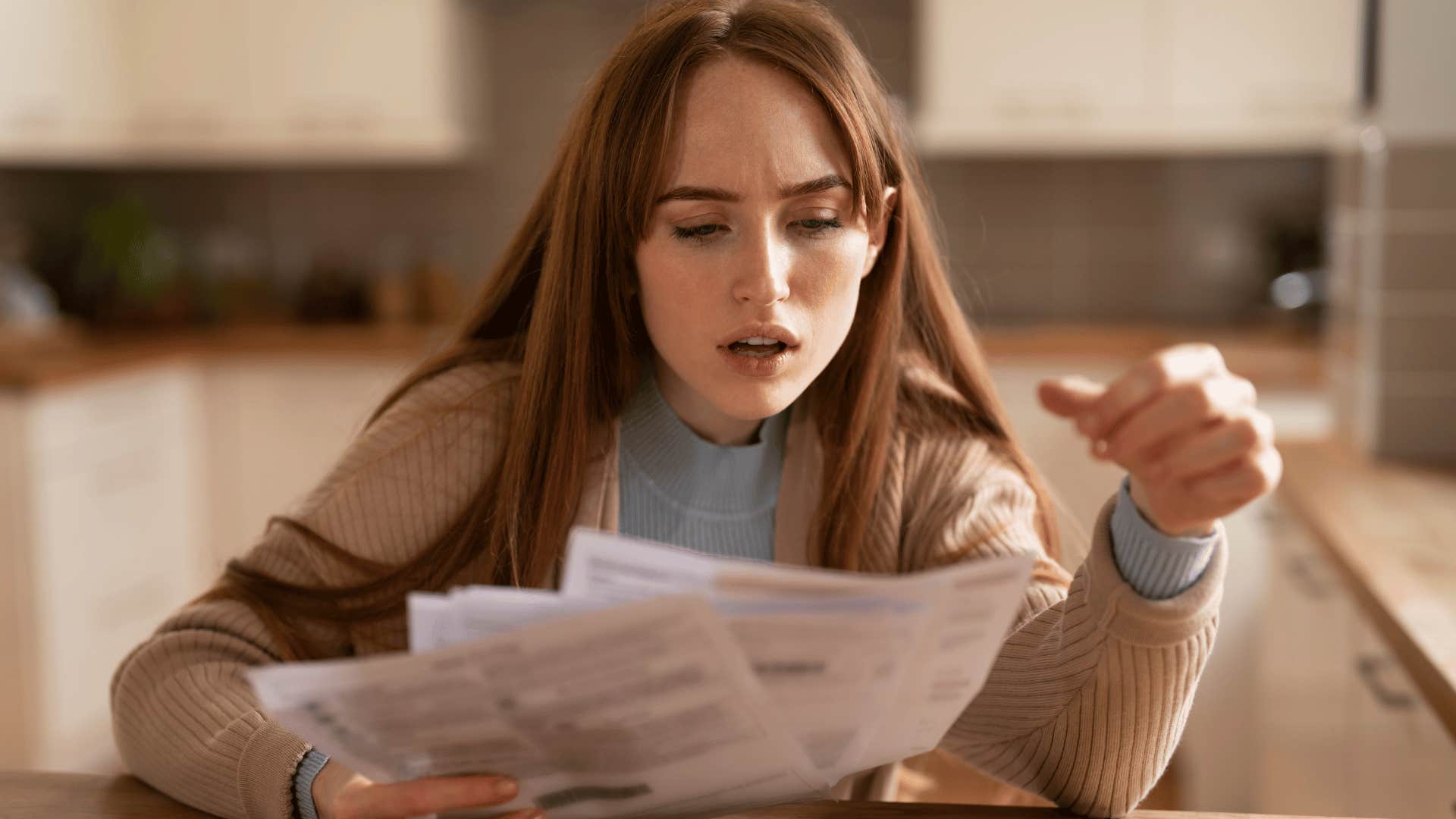
The average person is not only facing higher interest rates on their debt than the rich, they're also being pushed farther into economic insecurity as a result of wealthy financial endeavors. They may be wasting money on interest and overwhelming debt payments, but it's truly wealthy individuals contributing to their financial insecurity.
Economic advisor Maude Toussaint-Comeau argues that many middle-class people with credit card interest rates around 15% are spending more than 30% of their monthly income on debt payments, further sabotaging their ability to save for emergencies and retirement. In fact, more and more people are relying on credit cards to pay for basic necessities.
2. Materialism for status
 PeopleImages | Shutterstock
Many average, everyday people are spending on status symbols to cope with their desire to appear more wealthy, living beyond their means to keep up with the fashion trend cycle, along with things like going out to eat.
From lavish vacations to food purchases, some even take on debt to fund their expenses that are solely for status. In a society where many people are struggling to find a sense of belonging and community without spending money, it's not surprising that they're relying on overspending to deal with emotional turmoil and distress.
3. Lottery tickets
 ViDI Studio | Shutterstock
Trying to deal with the stress of financial insecurity and find some hope amid the despair, America's poorest households spend 33 times more of their income on lottery tickets and gambling than the truly wealthy. It seems like a waste to some, but that's because those people are able to meet their basic expenses without worry and have money left over for leisure.
For the average person, spending money on lottery tickets is their way of having a tiny sliver of joy in their lives. It gives them a chance to have an opportunity for stability amid the chaos of financial uncertainty.
4. Late fees
 fizkes | Shutterstock
More than half of Americans feel like their money situation negatively impacts their mental health, so they're relying on debt to feel "credit rich" and prepared, no matter how misguided it may seem. Many depend on their credit for expenses they can't afford or unexpected emergencies, urging them to spend and backload an expense that will burden them in the long-term.
This is exactly why normal people tend to spend more money on late payments and fees than the rich. They're relying on credit cards, so when it comes time to actually pay them off, they're forced to plan their monthly income to account for the payments. If they're not strategic, they're paying off added interest and late fees.
5. Flashy brand-name items
 JLco Julia Amaral | Shutterstock
There's a misconception that many wealthy people opt for flashy name-brand items to flaunt their wealth, but the truth is that many are ditching these designer brands and choosing quiet luxuries like leisure down time. But the average person is spending a lot on these same things.
According to experts from the University of Michigan, many middle-class individuals are wasting their money on designer labels to feign a sense of misguided wealth, and many of these brand's marketing tactics and advertising strategies are feeding into their desires.
Despite the quality and longevity of true designer products declining in recent years, many average individuals are buying these brands, rationalizing it as an investment. It's causing them to spend and waste more money on things like clothes and accessories than wealthy demographics.
6. Major home or car repairs
 PeopleImages | Shutterstock
Many truly wealthy people don't waste money on major home and car repairs, instead opting to completely replace them when something goes wrong. Considering they have the money to spend outright, they rationalize replacements over repairs by suggesting they're better long-term investments. A replacement is sure to last longer than a repair would.
But for the average person, they have less disposable income to invest in buying a new car or a new home when something goes wrong. Instead, they're stuck feeding money into issues and problems that usually end up costing them more.
7. Processed and packaged foods
 ShishkinStudio | Shutterstock
Wealthy people are more likely to steer clear of processed and packaged foods that contribute negatively to their health. They shop in organic grocery stores and farmer's markets, while lower income people can't afford to do the same.
From living too far from high-end grocery stores to lacking the financial means to pay for these fresh products, the average consumer finds themselves spending money on accessible and convenient foods.
Wealthy people's ability to afford fresh and nutritious food and even preventative healthcare is part of the reason why they tend to be healthier and live longer lives.
8. Fast fashion and cheaply made clothes
 Ground Picture | Shutterstock
Wealthy households are far more likely to purchase clothing and accessories for longevity over trendiness, while average people fall into the trap of fast fashion and the ever-evolving trend cycle. From fleeting fads to cheaply made clothing at a discount, people who are scraping by are constantly replacing and repurchasing items that don't last.
While there's an important discussion to be had around the affordability of truly sustainable fashion, for people living paycheck to paycheck, buying from fast fashion websites and purchasing fleeting items can be an unhealthy coping mechanism for their uncertainty.
9. Outdoor tools and machinery
 Juice Dash | Shutterstock
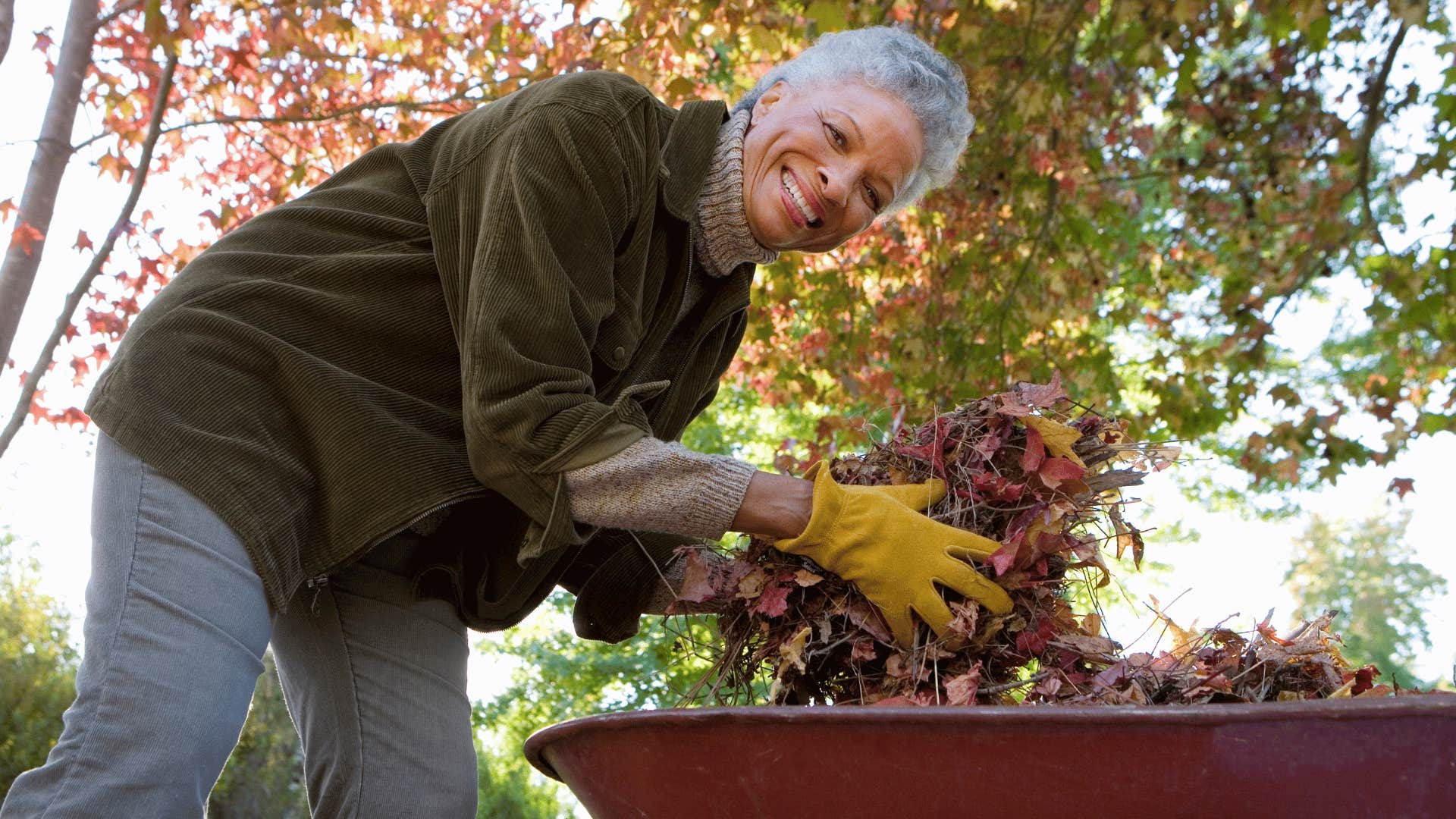
With the disposable income to purchase service workers' labor to do their household and yard work for them, truly wealthy people don't need to waste money or spend time using outdoor tools and machinery, nor do they need to do the repairs and replacements associated with their upkeep.
By allowing someone else to bear the burden of these tasks, wealthy people get to enjoy the benefits of their free time. They can relax and unwind while normal people do yard work or stress about how they're going to afford their repairs.
10. Renting
 fizkes | Shutterstock
According to housing experts from Harvard University, almost half of middle-class families are currently "rent-burdened" by their housing costs, spending much more than 30% of their monthly income on rent. And that doesn't even account for unexpected additional costs like owning pets or paying utilities.
While wealthy people continue to grow their assets and feed into investments like homeownership and real estate, renting is often putting the average person way behind. They may save on household repairs and maintenance, but they're spending way too much on renting over buying a home.
11. Fast food and dining out
 Estrada Anton | Shutterstock
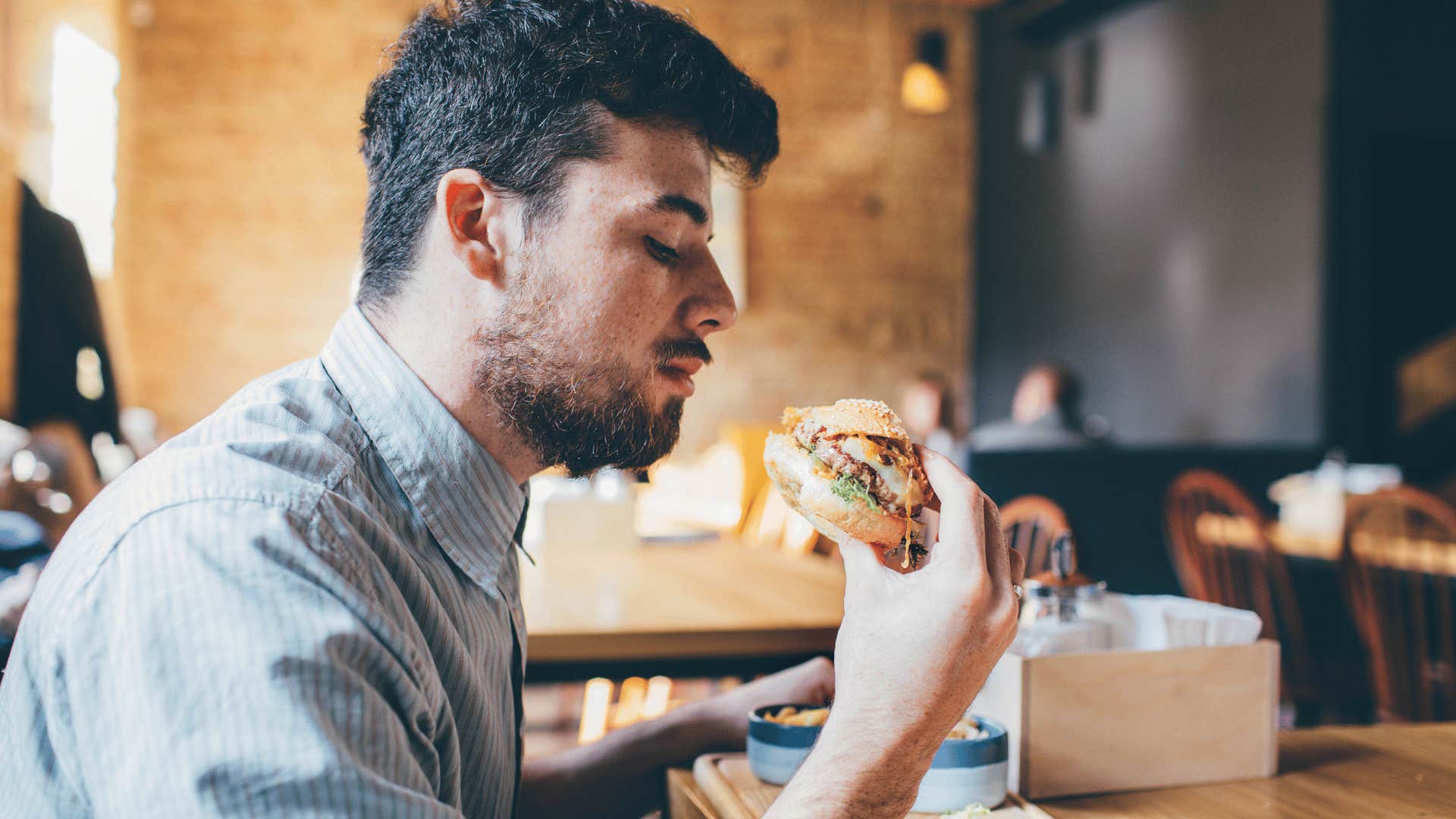
Lower income people not only purchase more processed foods from their grocery store, they also tend to eat more fast food and dine out more often. On the flip side, truly wealthy people won't spend money on either of these things. It's a matter of convenience for the average person, whereas it's more of a "luxury" for those who can actually afford it.
While the rich may spend more money on their occasional restaurant trips and dining experiences, normal people often use them to feed their families without having to overspend at the grocery store, as well as take the time to prepare food at home or worry about wasting food they never use.
Zayda Slabbekoorn is a senior editorial strategist with a bachelor's degree in social relations & policy and gender studies who focuses on psychology, relationships, self-help, and human interest stories.
