
Truly Wealthy People Never Waste Money On 11 Items Those With Zero Dollars Love To Splurge On
 Anatoliy Karlyuk / Shutterstock
 Our money habits tend to reveal more than our income ever does about what we value and prioritize.
Some people spend their money freely on things that feel like exciting rewards, while others are much more selective about where their dollars go, even if they can easily afford more. The difference comes down to how someone defines value and what they believe is actually worth parting with their money.
People who build and maintain real wealth tend to think a few steps ahead. They’re not impressed by spending on something that looks good on the surface if it isn't likely to hold up over time. Because of that mindset, there are certain things wealthy people never waste money on that those who have basically zero dollars seem to love splurging on. Once you start noticing the patterns, the contrast becomes hard to ignore.
Here are 11 items wealthy people never waste money on that those with zero dollars love to buy
1. Tools for doing yard work and home repairs
 martin-dm from Getty Images Signature via Canva
While wealthy people may have higher disposable income to pay someone to do services like basic household repairs and lawn care, people who don't have money tend to handle these tasks themselves. That also means they're responsible for buying and repairing any tools they need to complete these jobs.
Of course, this is also an example of wealthy families enjoying more free time to relax and unwind, while lower-income families need to do yard work and other chores or repairs around the house in addition to their actual day jobs.
2. Fast food meals
 Kzenon via Canva
After working long hours, sometimes at multiple jobs, people who don't have much money find it all too easy to stop for fast food at whichever drive-thru is closest on their way home.
According to research published in Health & Place, one reason for this is that there is disproportionate access to fast food restaurants in poor neighborhoods in the United States. The ease with which people who already have less can access these quick but often unhealthy meals also contributes to people in these communities struggling with obesity at higher rates. They have less free time to move their bodies and less money to spend on nutritious food, setting them up for a dangerous combination.
3. Flashy designer clothes
 Artist via Canva
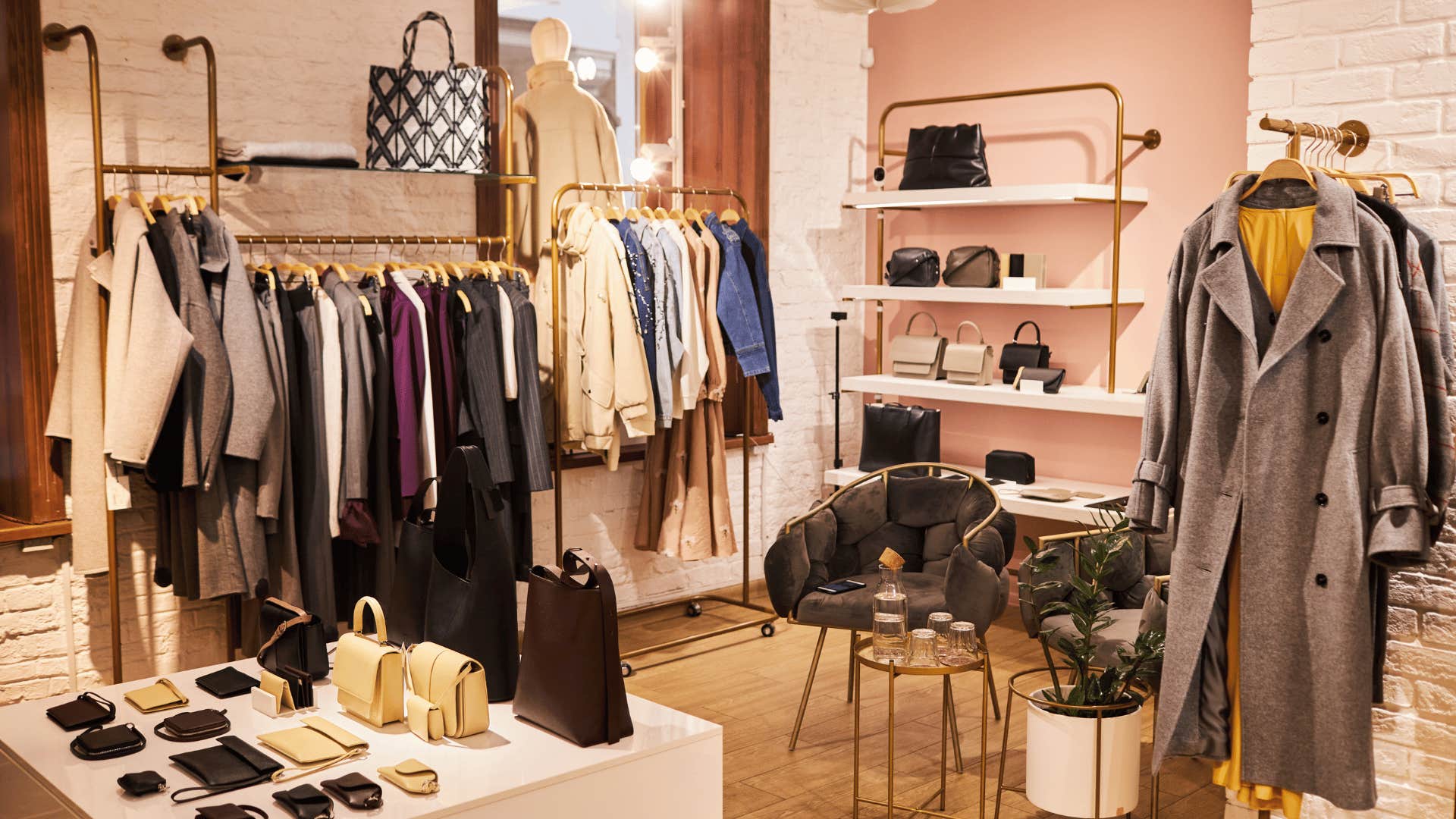
Many lower-income consumers waste money on flashy designer clothes and name-brand items in an effort to appear and feel as though they fit in with people who have higher status and prestige. This is why designer brands will often gift items to people who can more easily afford to buy them than the people they target with influencer posts.
Wealthy people are more likely to wear understated luxury goods that only those who know actually know, while people who don't have much money yearn for a sense of pride they believe they can gain by wearing the right clothing, even if they have to go into debt to do so.
4. Lottery tickets
 Sóc Năng Động from Pexels via Canva
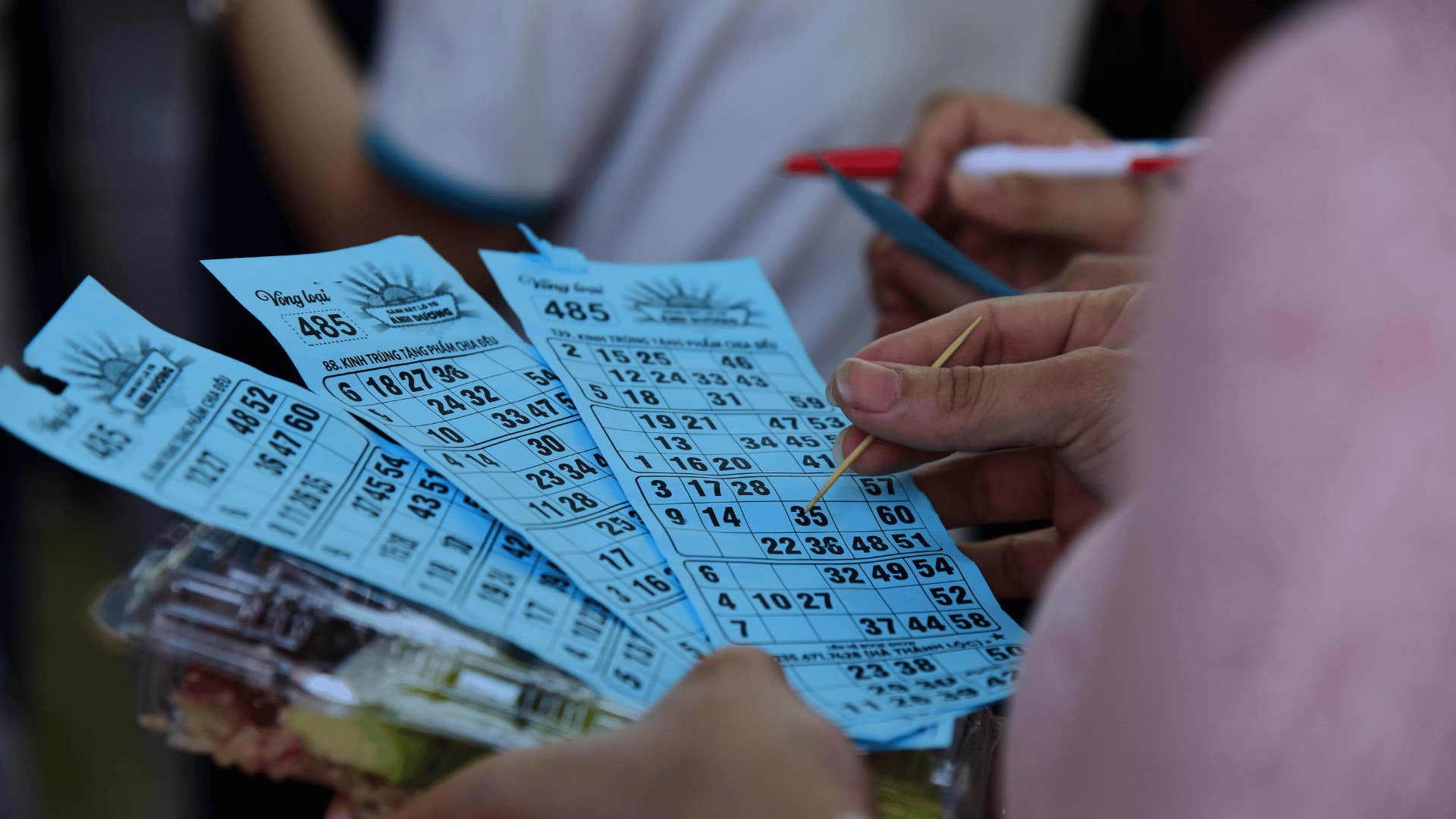
The poorest households in the US spend 33 times more of their income on lottery tickets than rich people do, despite having less disposable income and financial freedom. People with limited means are often drawn to the excitement and optimism that underpin these purchases.
If someone is struggling to afford basic necessities, catching a glimpse at the chance to receive a life-changing amount of money can feel like an escape from the burden of everyday life for at least one brief, glorious moment.
5. Bottled water
 Tempura from Getty Images Signature via Canva
A 2019 survey conducted by Consumer Reports found that the less money a household makes, the more they spend on bottled water. They credit this to the fact that lower-income neighborhoods are far less likely to have safe drinking water available in people's homes.
People with no money therefore waste what they do have on bottles and bottles of water, whereas wealthy people don't need to bother when it's free and easy for them right from the tap.
6. Extended warranties
 Vitaly Gariev from Pexels via Canva
Despite being advertised as the responsible and financially conscious choice when buying big-ticket items, research suggests that investing in an extended warranty is simply not worth the money.
According to Consumer Reports, getting an extended warranty for a vehicle is rarely a smart investment, as "car owners typically paid more for the coverage than they got back in direct benefits." And, for the most part, the people who buy them never use them.
When necessary, wealthy people use their savings to pay for repairs or replacements rather than purchase an upsold version of insurance that targets financially insecure consumers.
7. The newest tech devices
 Ground Picture | Shutterstock
Many wealthy people, despite having disposable income to spend on new tech devices and gadgets, do more research before making big purchases, especially on things they're willing to invest in and use often in their daily lives.
According to Tom Corley, author of "Rich Habits: The Daily Success Habits of Wealthy Individuals," these new devices are one of the things people without much money waste what they have on that the wealthy wouldn't pay a penny for because they focus on quality over quantity.
They're not worried about asserting their status by showing off the newest iPhone. They're far more concerned about investing in items that add genuine value and quality to their lives.
8. Food delivery services
 Antoniodiaz | Shutterstock
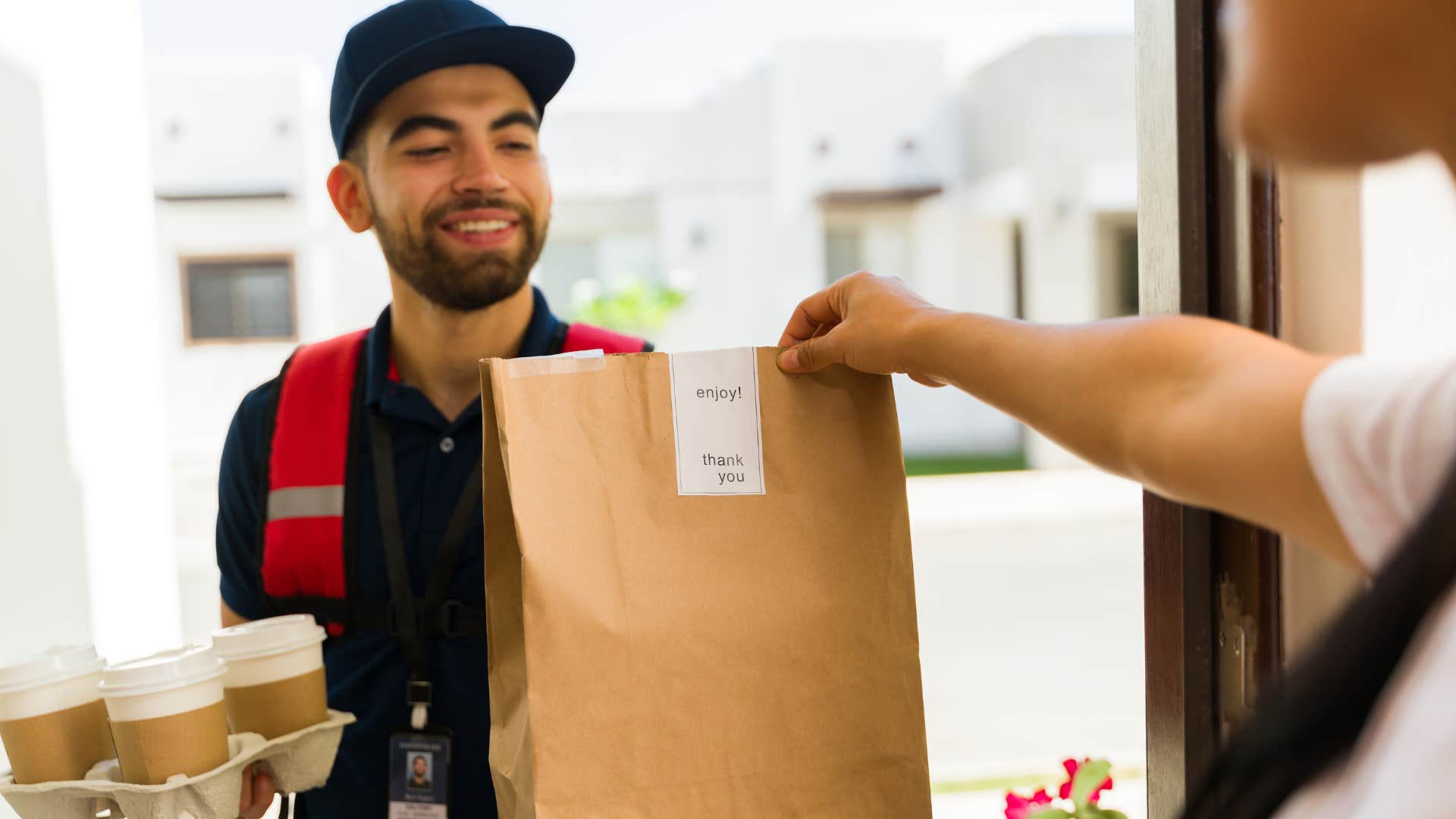
Most people have been in a time crunch at one point or another and have ordered food through apps like Uber Eats or DoorDash, but it's often people with little money who rely on these food delivery services the most. Considering they're often working longer hours and have less free time than wealthy people to shop for groceries and prepare healthy meals, it's not surprising that this is one of the things they waste money on.
With more free time on their hands, wealthy people can find opportunities to bond with their families, focus on hobbies, start a side hustle, or even cook a meal at home. These choices aren't as readily available for their low-income counterparts, who are doing whatever they can to stay afloat.
9. Mobile games
 David Stanciu via Canva
According to a 2022 study, people who struggle with impulsivity, especially when it comes to their financial habits, tend to be more prone to spending more money on small things like mobile games with in-app purchases.
Considering it's typically lower-income people who find escape and instant gratification in small spending habits like this, it's not surprising that they are something people without much are willing to waste money on that wealthy people would never buy.
10. Vacations they can't afford
 Robert Kneschke via Canva
Although the numbers are dwindling, many Americans are still going on vacations, even though they can't afford to. Fueled by social pressure or burnout, they will spend money they don't have if it means a chance to get away for even a short while.
Yet, like many of the other examples, it's not necessarily a choice richer people have to make. They have the disposable income and financial freedom to spend on a vacation whenever they want to go, making it feel less like an impulsive purchase in the face of burnout and more like an intentional act of self-care and family bonding.
11. Paying only the minimum on their credit cards
 PR Image Factory | Shutterstock
Considering they are likely to pay only the minimum on debt and credit cards out of necessity, people who don't have money are more likely to waste what they do have keeping up with interest payments and late fees. In fact, lower-income credit card holders are also more likely to have higher interest rates, meaning they spend more on interest paying off their cards than wealthy people who rarely carry over any kind of balance month-to-month.
While paying more than the minimum on a credit card, if you need to carry over a balance, can help to reduce the amount of total interest you end up paying, low-income people usually don't have the freedom to do so, considering they're typically overspending on credit lines to afford basic necessities like groceries and rent.
Zayda Slabbekoorn is a senior editorial strategist with a bachelor’s degree in social relations & policy and gender studies who focuses on psychology, relationships, self-help, and human interest stories.
