
11 Things Kids Used To Figure Out On Their Own That Built Real Confidence
 melissamn / Shutterstock
 There was a time when kids were expected to figure things out without constant guidance. Whether it was solving a problem, navigating a new situation, or fixing something that went wrong, many children were given space to try, fail, and try again. While that approach wasn’t always easy, it often helped build a kind of confidence that comes from experience rather than instruction.
Developmental psychologists often point out that confidence grows through mastery, not protection. When kids are allowed to work through challenges on their own, they begin to trust their ability to handle situations independently. Over time, these everyday experiences shape how they approach uncertainty, problem-solving, and responsibility as adults. Many of the small things kids once figured out on their own quietly built skills that still show up years later.
Here are 11 things kids used to figure out on their own that built real confidence
1. Fixing things that broke instead of replacing them
 MalikNalik / Shutterstock
When something stopped working, kids often tried to fix it before asking for help. Whether it was a bike chain, a toy, or a loose part, they experimented with solutions on their own.
Hands-on troubleshooting strengthens persistence and analytical thinking. Instead of seeing a problem as the end of something, they learned to treat it as something that could be figured out. This process often involved trial and error, which helped build resilience. Over time, they developed confidence in their ability to handle practical challenges.
2. Finding their way around without GPS
 Volodymyr TVERDOKHLIB / Shutterstock
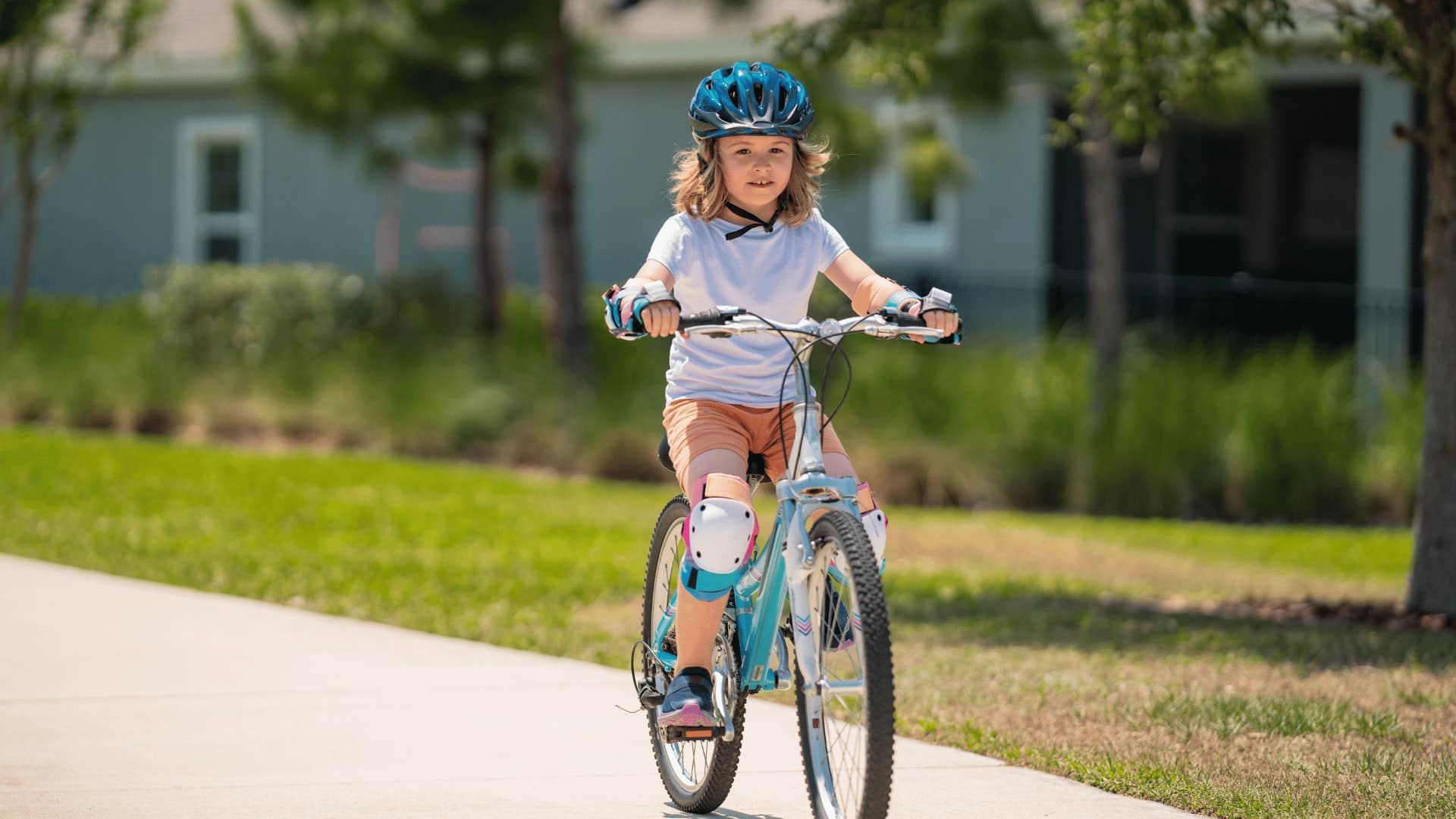
Getting from one place to another used to require attention, memory, and sometimes a bit of guesswork. Kids learned landmarks, memorized routes, and paid attention to their surroundings.
Navigation skills help strengthen spatial awareness and memory. When they got lost, they often had to figure out how to get back on track independently. These experiences built a sense of self-reliance. As adults, they often feel more comfortable navigating unfamiliar situations.
3. Solving disagreements with friends on their own
 New Africa / Shutterstock
Before constant adult intervention, kids were often expected to work through conflicts themselves. Arguments, misunderstandings, and hurt feelings were part of everyday interaction.
Resolving conflicts independently helps children develop communication and negotiation skills. Instead of relying on someone else to fix the situation, they learned to listen, explain, and compromise. These experiences helped them understand different perspectives. Over time, this built confidence in handling interpersonal challenges.
4. Figuring out how to entertain themselves
 FamVeld / Shutterstock
Without constant digital stimulation, boredom was something kids had to manage on their own. They created games, built things, or found ways to stay occupied with whatever was available.
Unstructured time encourages imagination and independent thinking. Instead of relying on external entertainment, they learned to generate their own ideas. This ability often carries into adulthood as creativity and resourcefulness. They become comfortable starting something from nothing.
5. Managing small risks without constant supervision
 alexkoral / Shutterstock
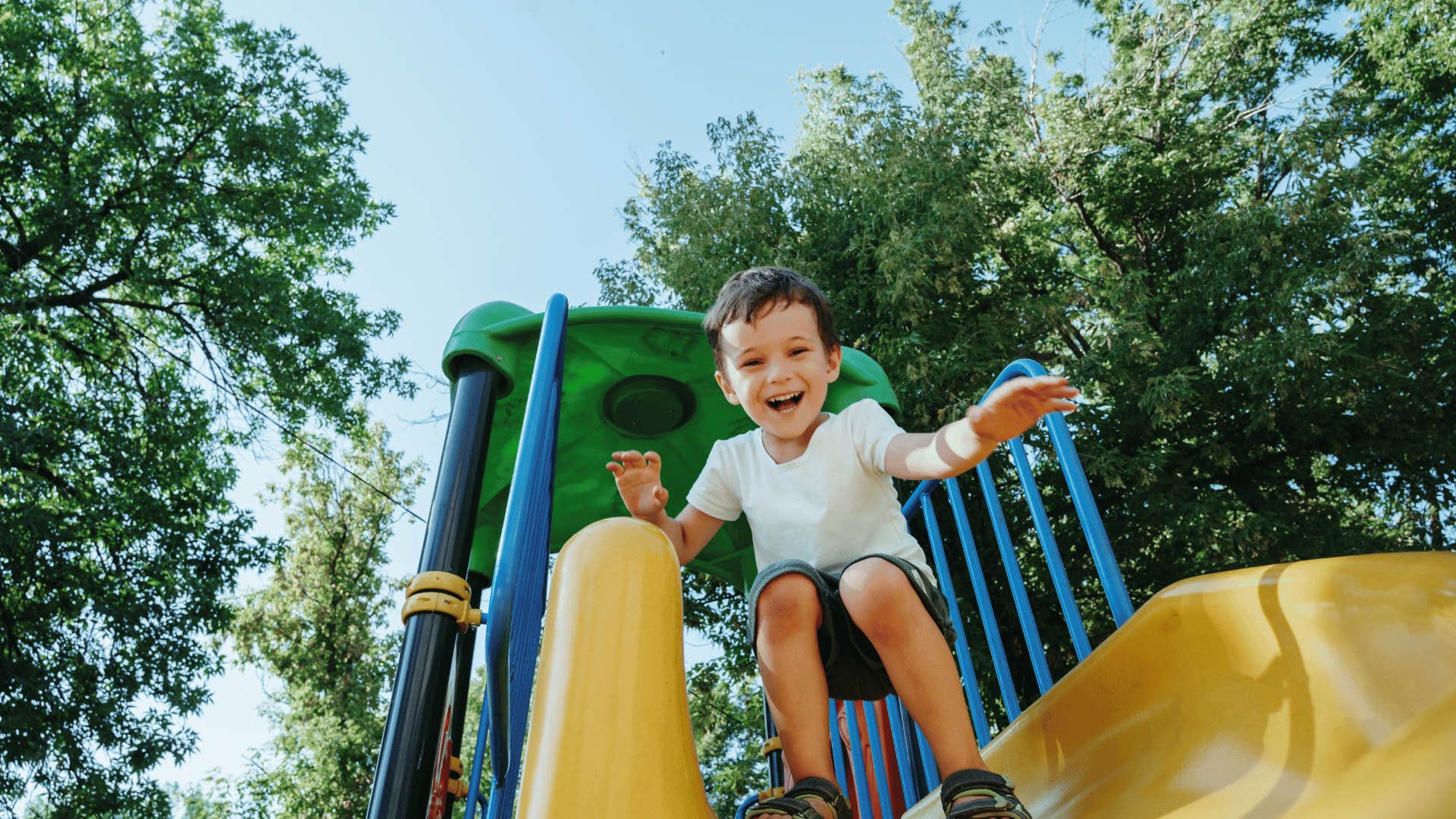
Climbing trees, riding bikes down hills, or exploring new areas all involve some level of risk. Kids had to assess situations and decide what felt safe enough to try.
Moderate risk exposure helps develop judgment and confidence. By learning through experience, they developed a sense of what they could handle. These moments taught them to trust their instincts. Over time, they became more comfortable facing uncertainty.
6. Handling disappointment without immediate rescue
 Mahir KART / Shutterstock
Not every situation worked out the way they hoped. They might lose a game, miss out on something they wanted, or face a setback without someone stepping in to fix it.
Experiencing manageable disappointment helps build emotional strength. Instead of being shielded from failure, they learned how to recover from it. These experiences helped them understand that setbacks are part of growth. This mindset often leads to greater persistence later in life.
7. Talking to unfamiliar people when necessary
 Branislav Nenin / Shutterstock
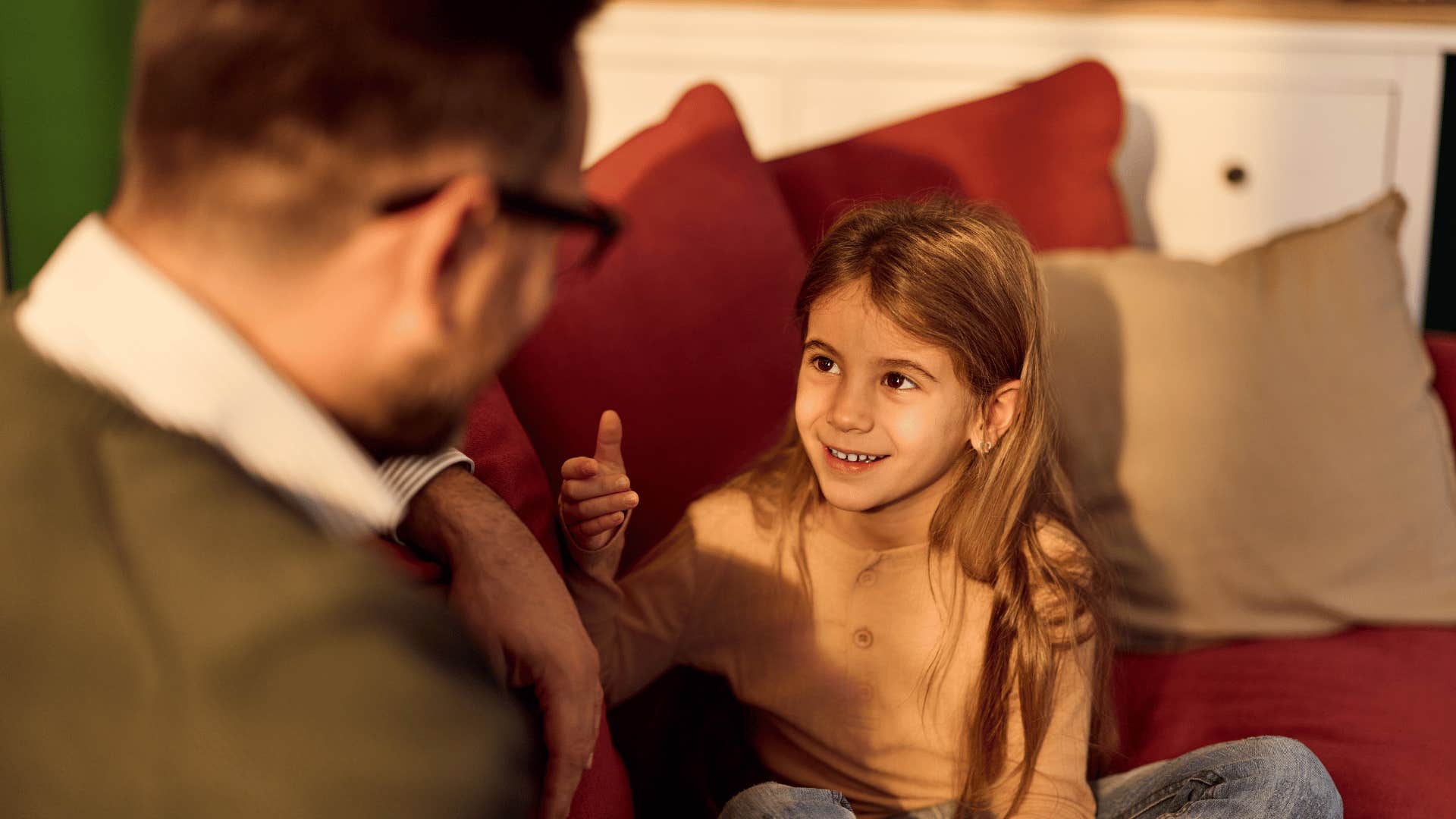
Kids were often expected to interact with adults or strangers in everyday situations. Whether answering the phone, asking for directions, or speaking to a teacher, they learned how to communicate on their own.
Early interaction builds confidence and social skills. These experiences helped them become more comfortable initiating conversations. Over time, they developed the ability to navigate unfamiliar social situations with ease.
8. Making plans and following through
 NDAB Creativity / Shutterstock
Before instant communication, making plans required more commitment. If you said you would meet someone at a certain time, you had to be there. Sociological research suggests that this kind of follow-through helps build responsibility and reliability.
Kids learned to manage their time and keep their word. These habits often carry into adulthood as strong accountability. They understand the importance of showing up.
9. Learning from mistakes without constant correction
 Lopolo / Shutterstock
Instead of being guided through every step, kids often learned through experience. When something didn’t work, they adjusted and tried again.
Learning from mistakes strengthens understanding and retention. These experiences taught them that failure is part of the learning process. Over time, they became more comfortable trying new things without fear of getting it wrong.
10. Navigating social situations without constant feedback
 PeopleImages / Shutterstock
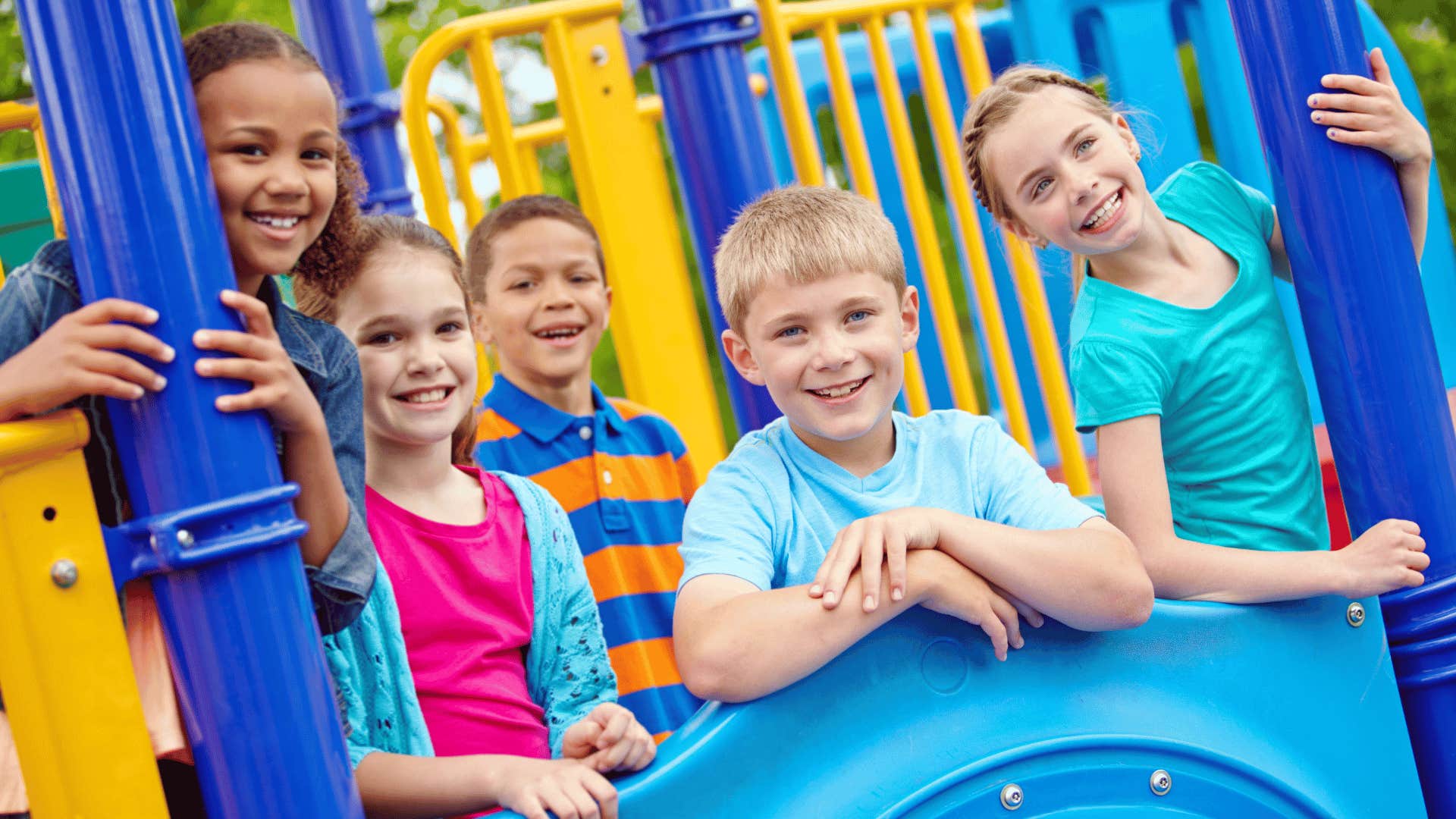
Kids often had to figure out social dynamics on their own. They learned how to join groups, read social cues, and understand how their behavior affected others.
Independent social interaction builds emotional intelligence. Without constant feedback, they had to interpret situations themselves. This helped them develop awareness and adaptability in relationships. These skills often carry into adulthood.
11. Trusting their ability to figure things out
 Maliutina Anna / Shutterstock
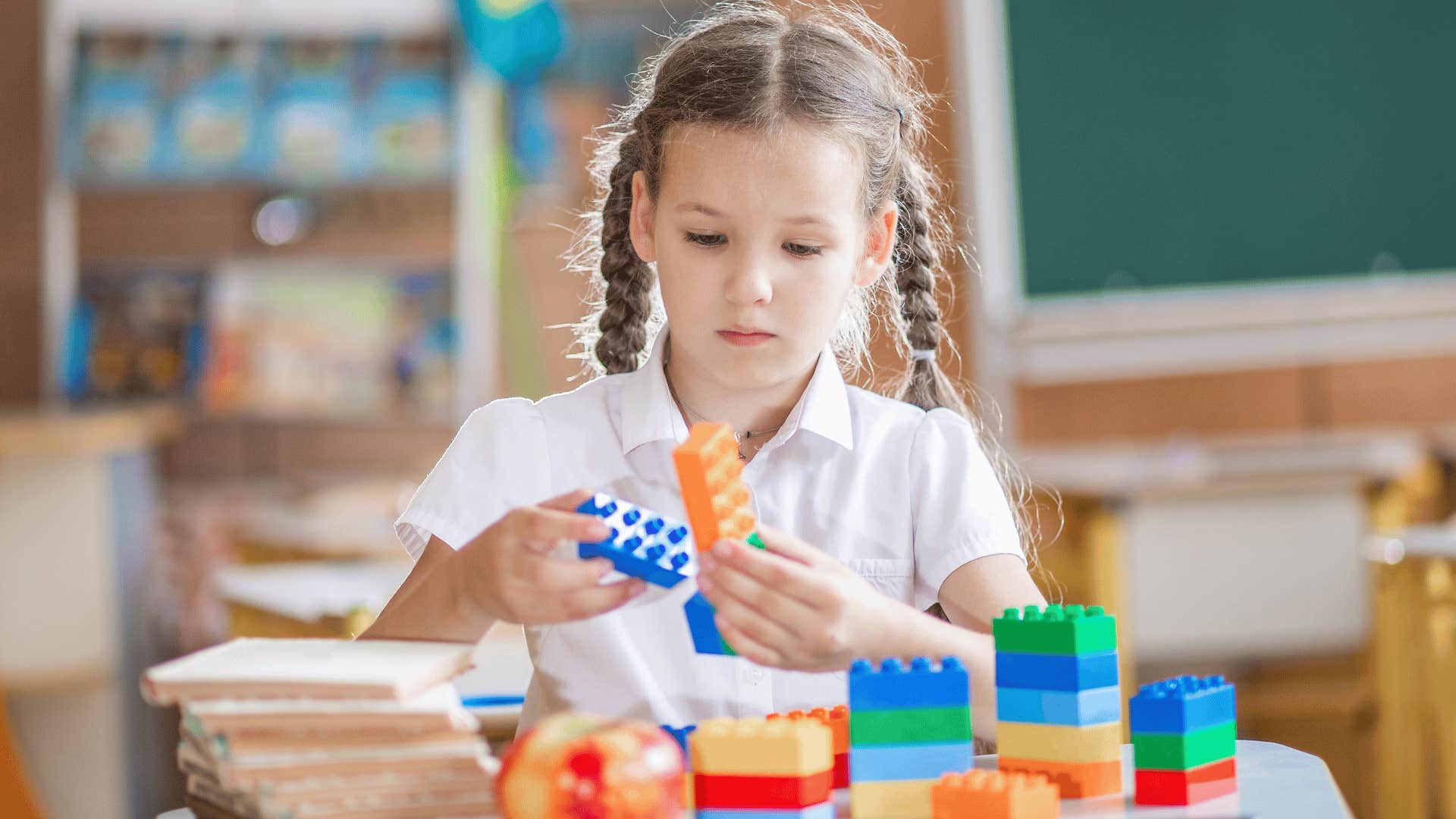
Perhaps the most important outcome of these experiences was the belief that they could handle situations independently. Confidence grows when people successfully navigate challenges on their own.
Instead of relying on constant guidance, they developed trust in their abilities. This trust became a foundation for how they approached life. Over time, it shaped their willingness to take on new challenges and responsibilities.
Sloane Bradshaw is a writer and essayist who frequently contributes to YourTango.
